





 Portuguese
  English
  Spanish
  4 min of reading
  0 comments


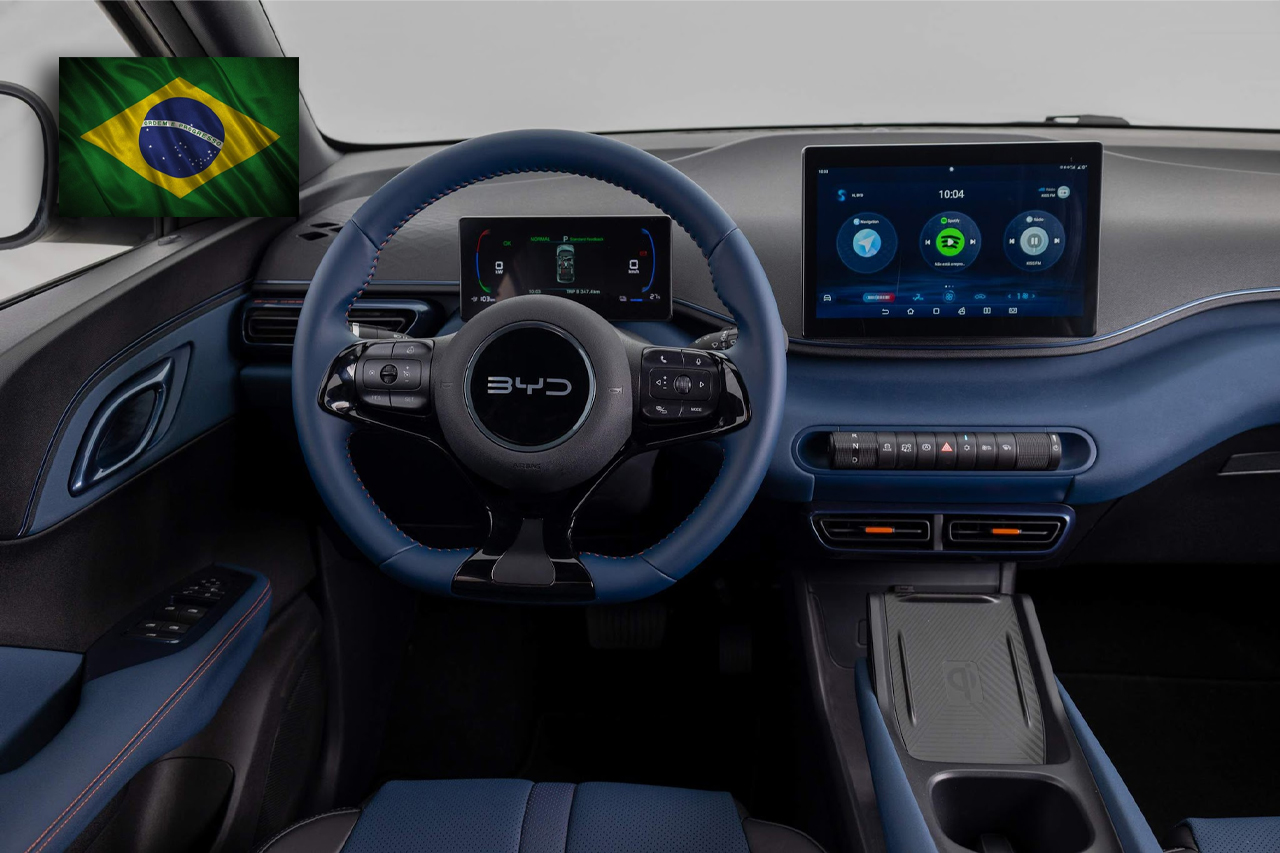
Dolphin Mini Leads Electric Cars in 2025 with 13,222 Registrations in the First Half, Closing in on Combustion Hatches. With a Range of 280 km and Recharging from 30 to 80% in About 30 Minutes, the Compact Became the Gateway to the First EV.
The starting point is the size of the achievement. Between January and June 2025, the BYD Dolphin Mini led the electric car segment in the country with 13,222 registrations, a volume that represents almost half of the BEV market in the first half, according to CNN Brazil based on data from Fenabrave.
This traction was not episodic. In May, the compact closed in on the Hyundai HB20 in the retail ranking, signaling direct pressure on entry-level combustion hatches and reinforcing that the Mini has become a concrete option as a first car for those looking to switch to electric. InsideEVs, based on Fenabrave, classified the result as a technical tie for the month.
The performance also aligns with the brand’s moment in Brazil. BYD surpassed 150,000 electrified vehicles sold in three years and continues to expand its reach. According to the company itself, this achievement marks a new level in the national market.
-
The German economist Wolf-Peter Schill has no doubts: “Electric cars are already far superior to cars with internal combustion engines.”

-
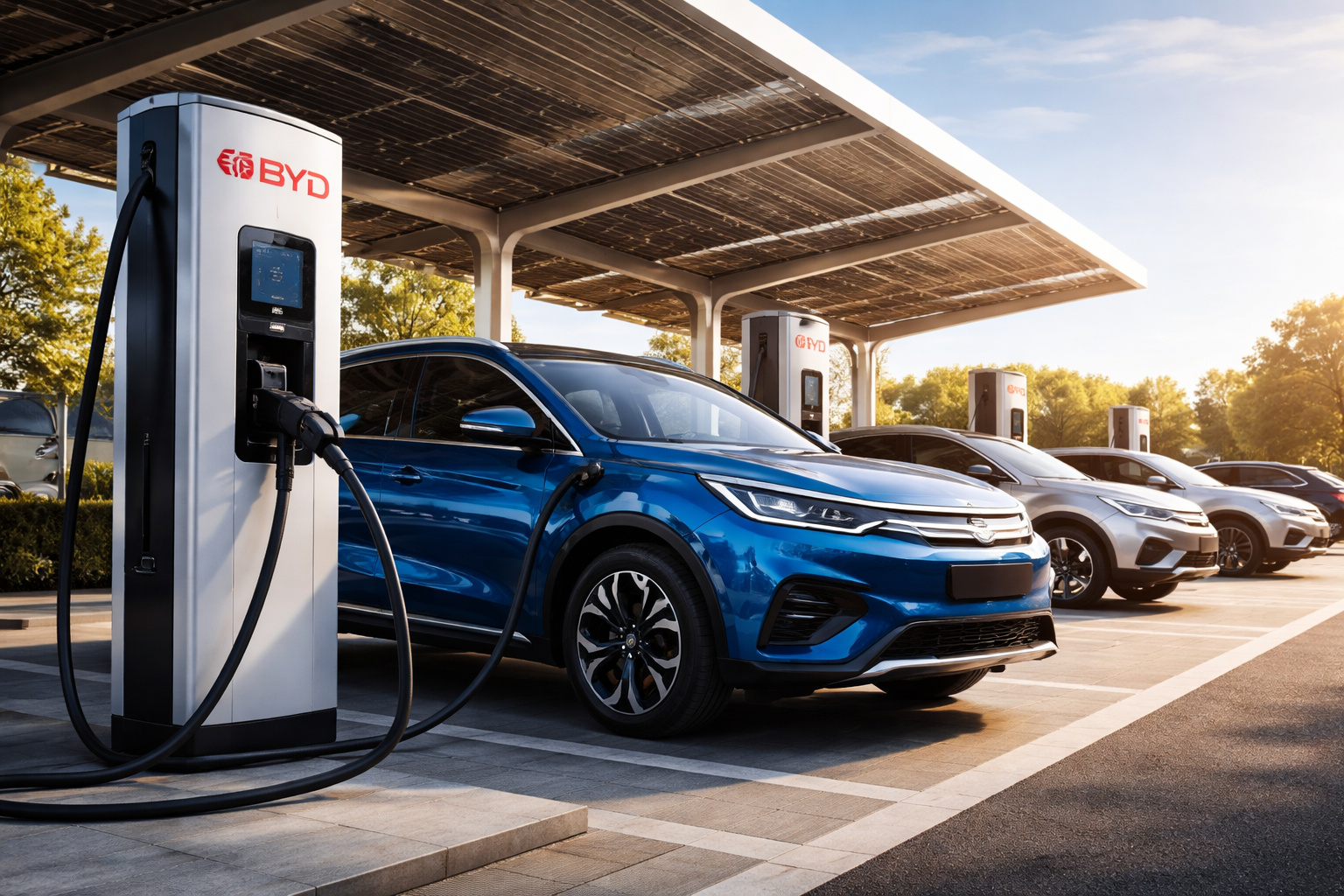
Largest public charging network in Brazil: BYD reaches 125 fast chargers and accelerates national expansion of electric mobility.
-
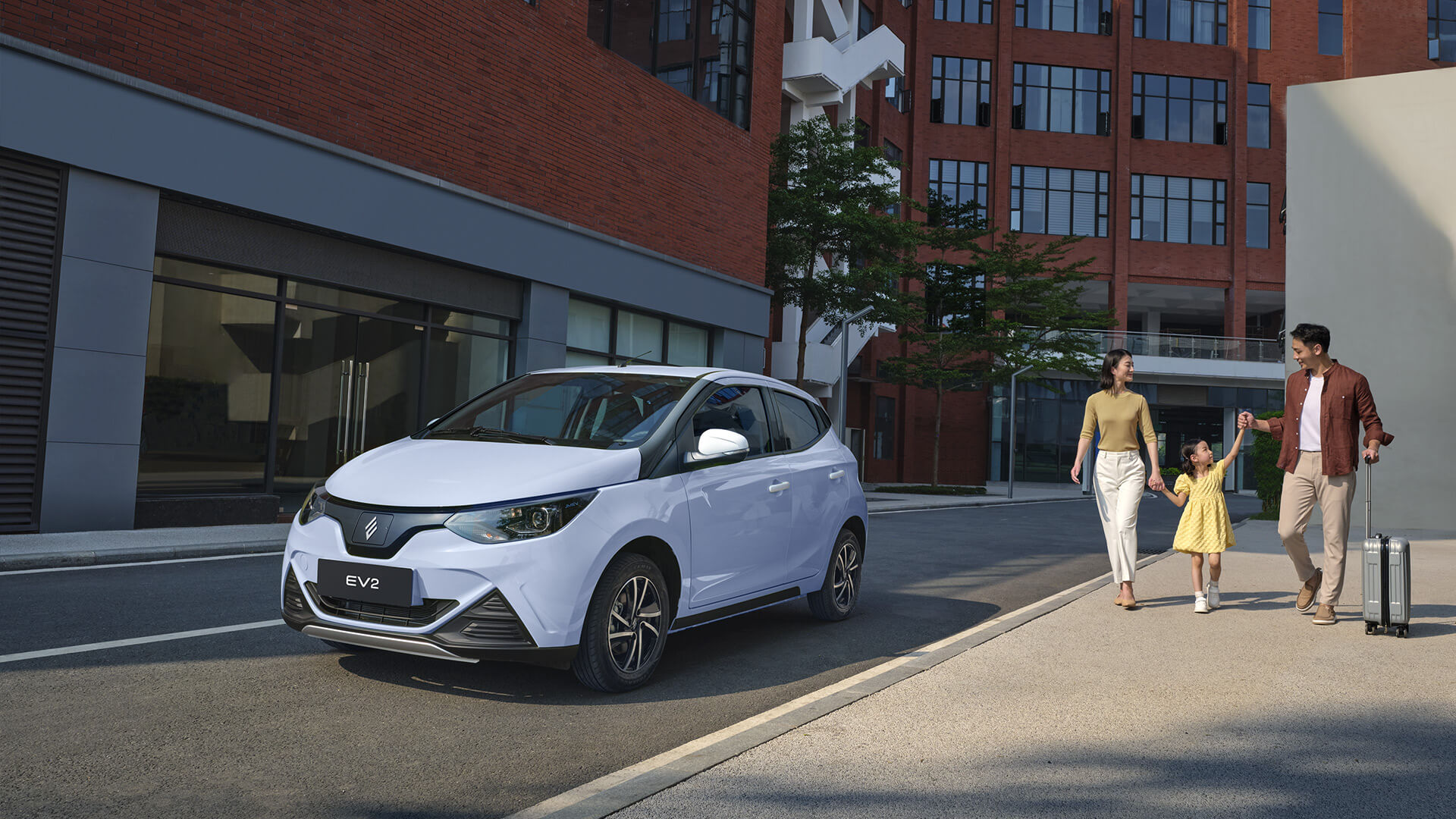
Goodbye expensive popular car: electric vehicle for less than R$ 70,000 starts being sold in Brazil with a range of 200 km and targets those looking to escape gasoline.
-
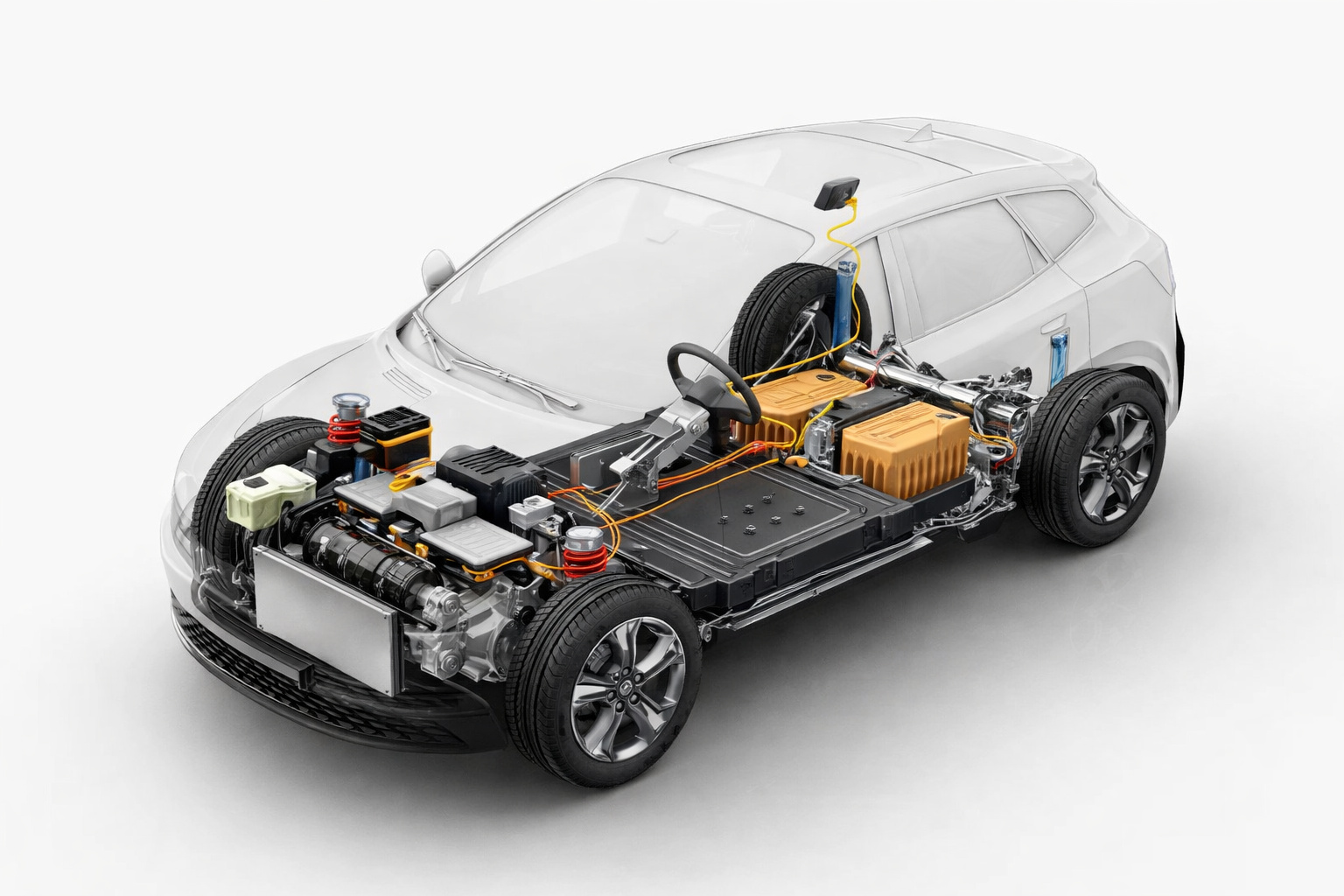
China Surprises Automotive Industry With Battery That Promises Electric Car Able to Run Up to 1,000 km Without Recharge

Price, Range, and Fast Charging: The Value Proposition
At the heart of the proposal is the combination of competitive entry price, a robust set of standard features, and urban efficiency. For daily use, what matters is the certified range and charging time for short trips. According to the official BYD website, the Dolphin Mini has a range of 280 km as per PBEV/Inmetro and a 38 kWh Blade LFP battery, known for its robustness.
With adequate infrastructure, the convenience gain appears in charging. The fast charge from 30 to 80% in about 30 minutes reduces range anxiety and makes the model viable for short metropolitan and intercity routes, according to the manufacturer’s technical material.
For the average consumer, the practical takeaway is straightforward: Driving in the city costs less per kilometer, charging at home or at public points, and having a compact size that is easy to park are factors that shorten the learning curve for the first EV.
Dealership Network and Availability: Where the Mini Appears
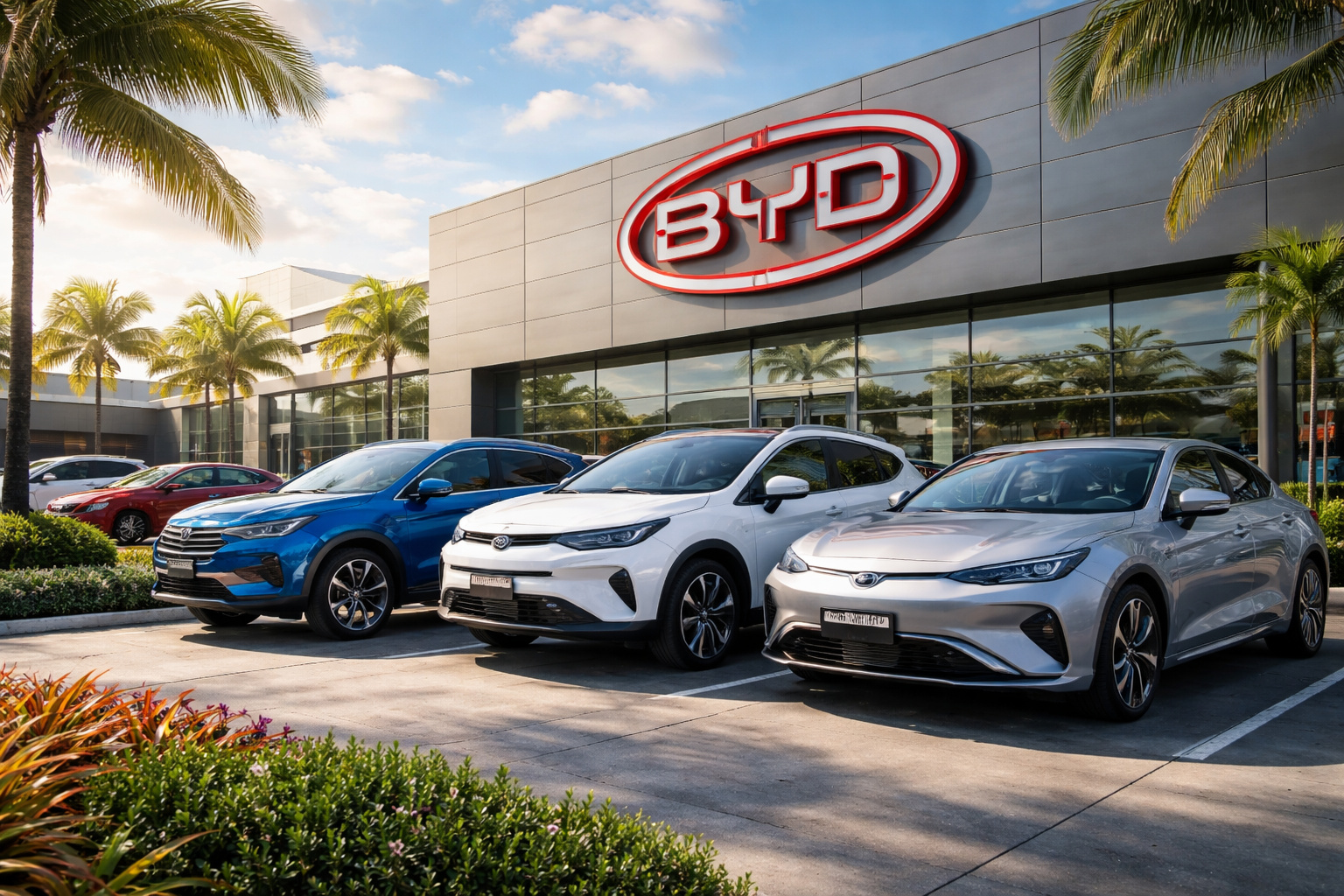
Another distinguishing feature is the spread of the network. By May 2025, BYD had already announced 180 active dealerships, aligned with an expansion target by the end of the year. Official materials and automotive reports cite between 250 and 272 planned points by December, depending on the announcement and the opening stage of each group.
The practical effect is more test drives, more authorized workshops, and shorter delivery and maintenance times.
This presence is not limited to the capitals. Expansion into rural areas plays a strategic role in introducing the electric car to audiences who previously only saw it on social media, building trust through face-to-face contact and local service. The territorial expansion is part of why the Mini is being seen and chosen more frequently in areas outside the major cities.
Electric Cars on the Rise, Combustion Pressured: What Changes in the Game
The numbers for 2025 indicate that electric vehicles are advancing rapidly, and the Mini is the symbol of this shift. The technical tie with a leading combustion hatch shows there is already true convergence of audience and ticket in some months, not just curiosity.
For BYD, the momentum also comes from the portfolio and the showcase effect of other models. For the market, the likely consequence is a price and financing war in the entry segment, with brands adjusting packages and credit strategies to avoid losing market share. Network scale and closer after-sales service also weigh in the buyer’s decision when comparing the total cost of ownership.
The backdrop confirms long-term trends. With 150,000 electrified vehicles accumulated and consistent growth, adoption is no longer a niche but a mass option, especially when there is an accessible product, viable charging, and availability.


BYD Dolphin Mini Is Worth It as a First Electric Car
To evaluate if the Dolphin Mini is the ideal first EV, the basic checklist includes usage profile (predominantly urban), access to charging at home or work, routes with fast points for short trips, and financing simulation against combustion hatches. In daily use, the range of 280 km and fast charging help maintain routine without hiccups.
The package is complete when you combine expanding network, proven sales leadership, and competitive cost per km. For many Brazilians, this answers the title question: what does the Mini have that rivals don’t is the combination of affordable price, urban efficiency, and a structure that reduces friction in the transition to electric.
If the expansion of stores maintains the indicated pace and the supply remains stable, 2025 tends to establish the Dolphin Mini as the gateway for those wanting to move away from combustion without losing practicality, with greater confidence in purchase and after-sales thanks to BYD’s widespread presence.







-

-

-

-

9 pessoas reagiram a isso.