





 Portuguese
  English
  Spanish
  3 min of reading
  0 comments


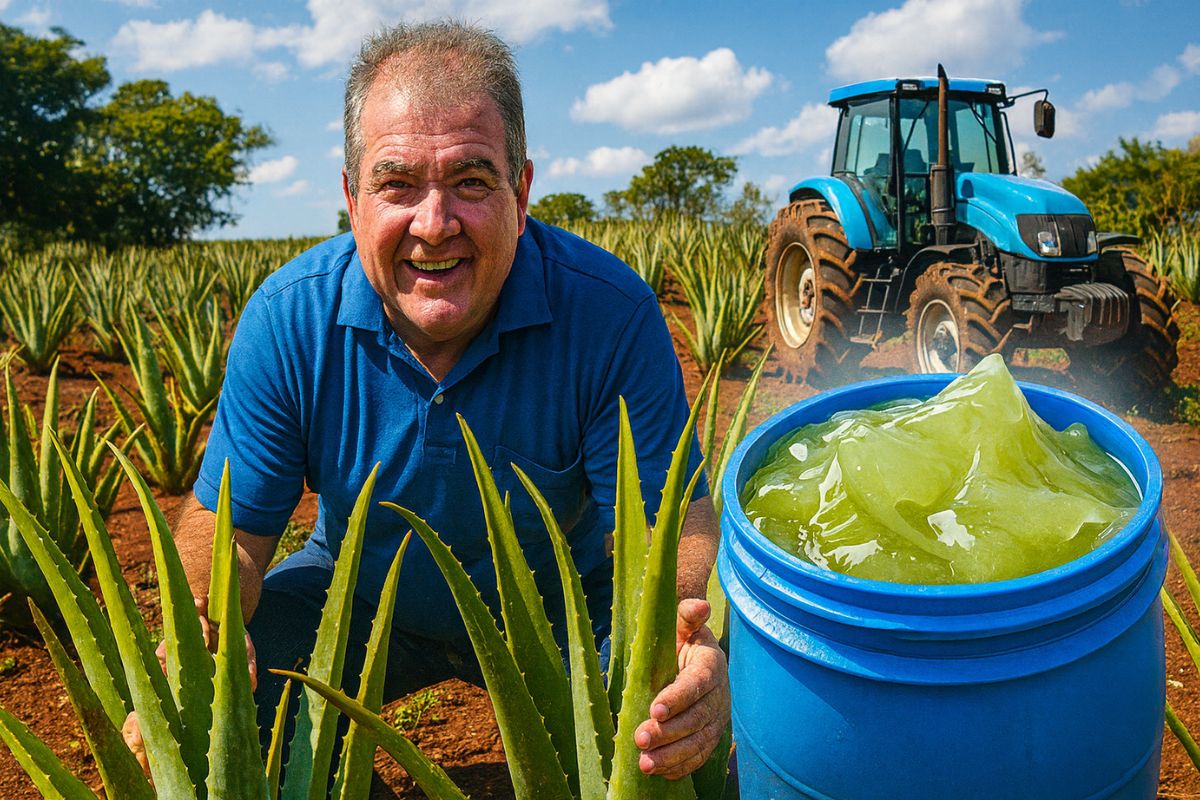
Known as the King of Aloe Vera, Producer Magno Alves Transformed an Aloe Vera Farm in Santa Cruz do Rio Pardo (SP) into the Largest in the Country, with Large-Scale Production Focused on the Creation of Biofertilizers that are Already Reaching the International Market.
The aloe vera, the popular name for more than 500 species of the Aloe genus, is known for the gel used in cosmetics and natural medicines. According to the Globorural portal, in Brazil, cultivation is still limited, but Magno Alves has become a reference by uniting biotechnology and regenerative agriculture on an 18-hectare farm in the interior of São Paulo. From there, he extracts the gel from Aloe vera to supply his company, Aloe Fértil Brasil, which is responsible for developing an organic fertilizer derived from the plant, currently exported to different countries.
With an average yield of 200 tons per hectare, Alves’ farm is an example of agro-industrial efficiency. The producer is recognized for transforming a traditionally used input in shampoos, lotions, and soaps into a natural biofertilizer capable of revitalizing the soil and increasing agricultural productivity.
From Cosmetics to Sustainable Agriculture
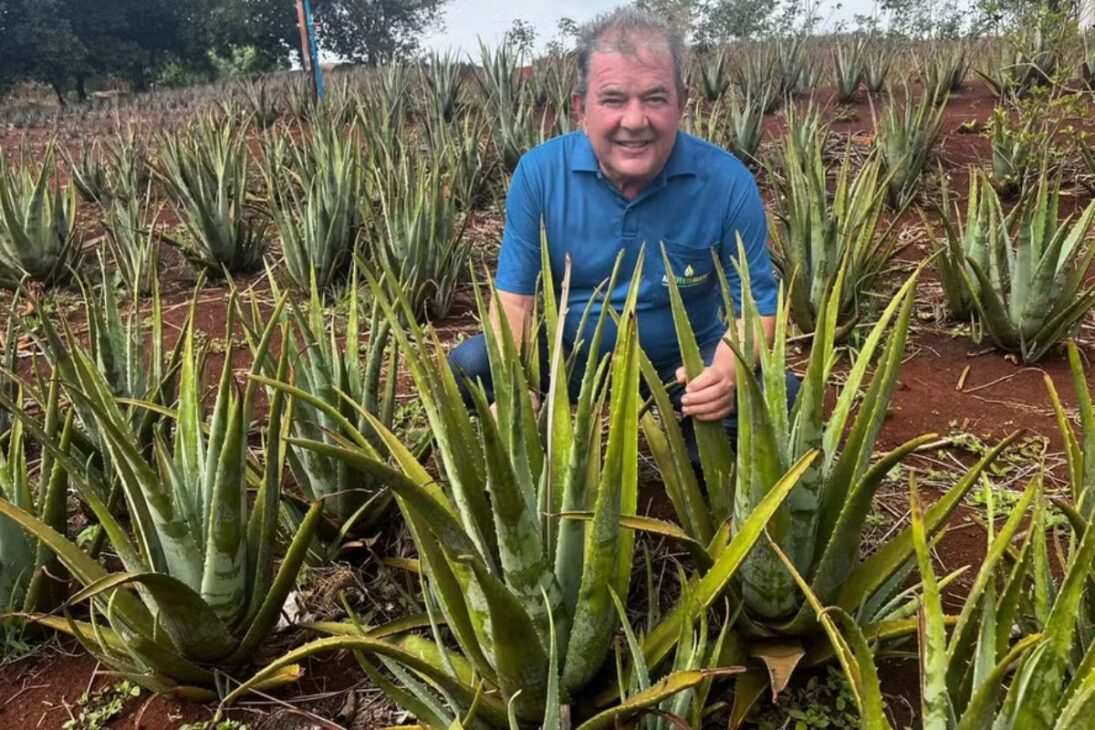
Magno Alves, nicknamed the King of Aloe Vera for his pioneering spirit and scale of production, studied ways to stabilize the gel without losing its chemical properties for nine years.
-
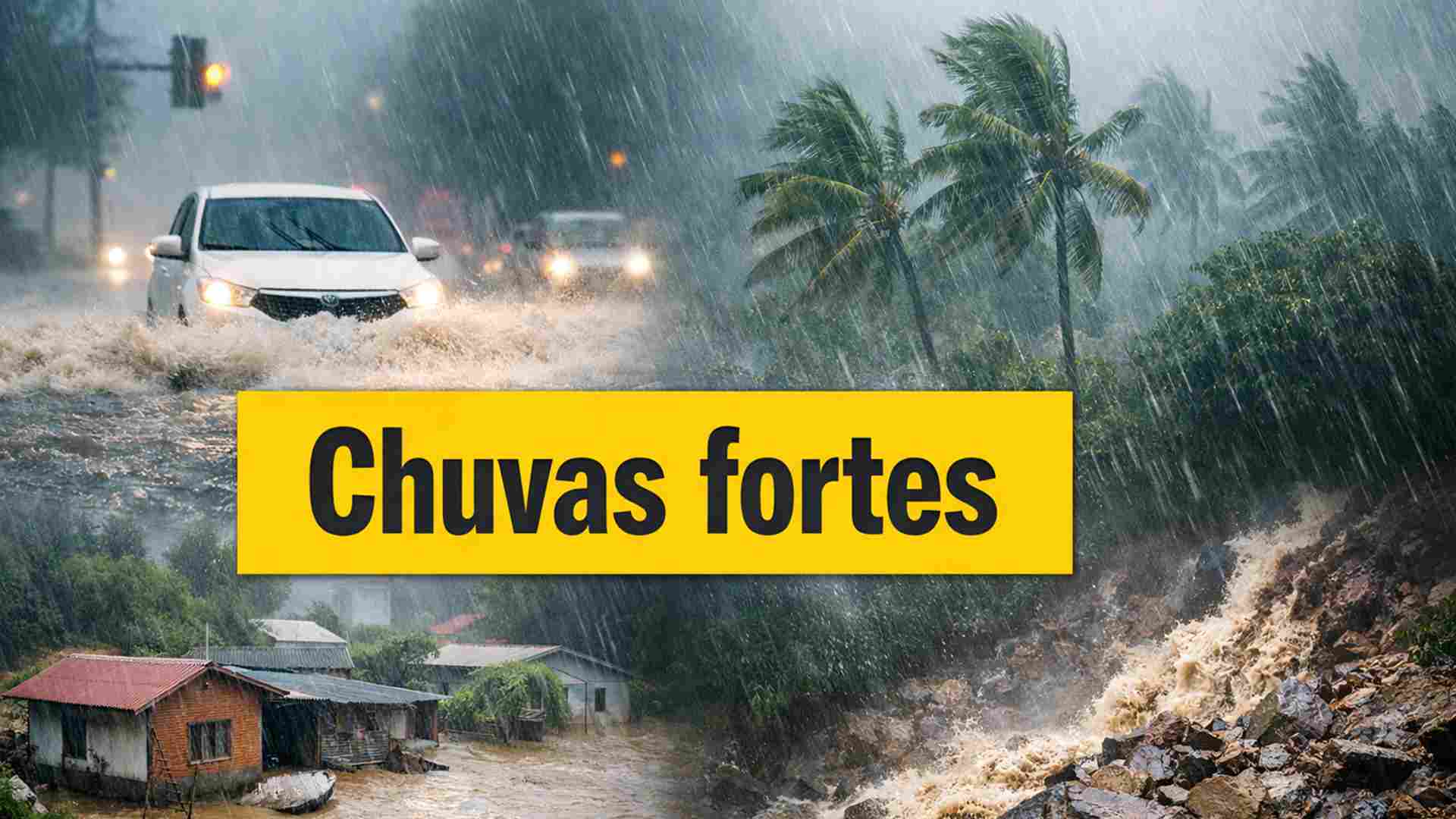
Rain gains strength in April, potentially exceeding 150 mm, placing the North, Northeast, and the coasts of the South and Southeast at the center of the heaviest forecast of the week.
-
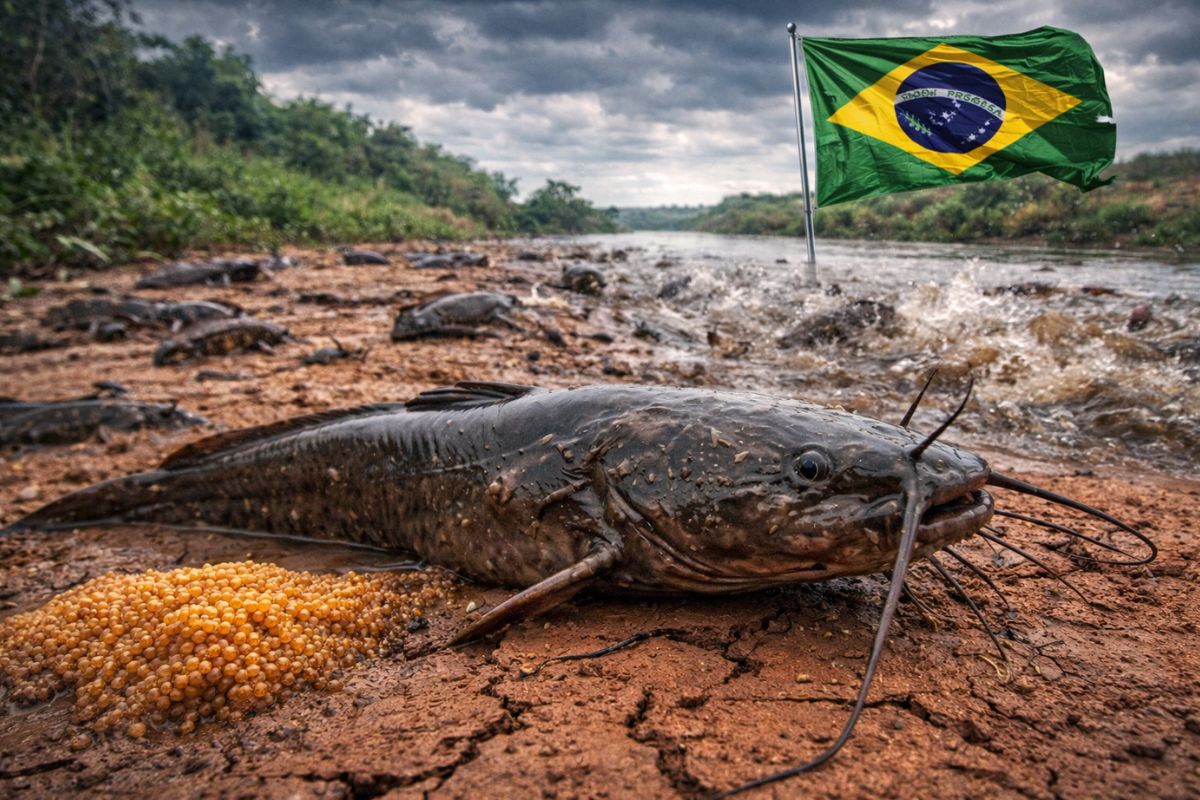
A fish that survives out of water, crawls on land until it finds another river, and whose female lays 80,000 eggs at once is infesting rivers and lakes in Brazil, and no one can stop this invasion.
-
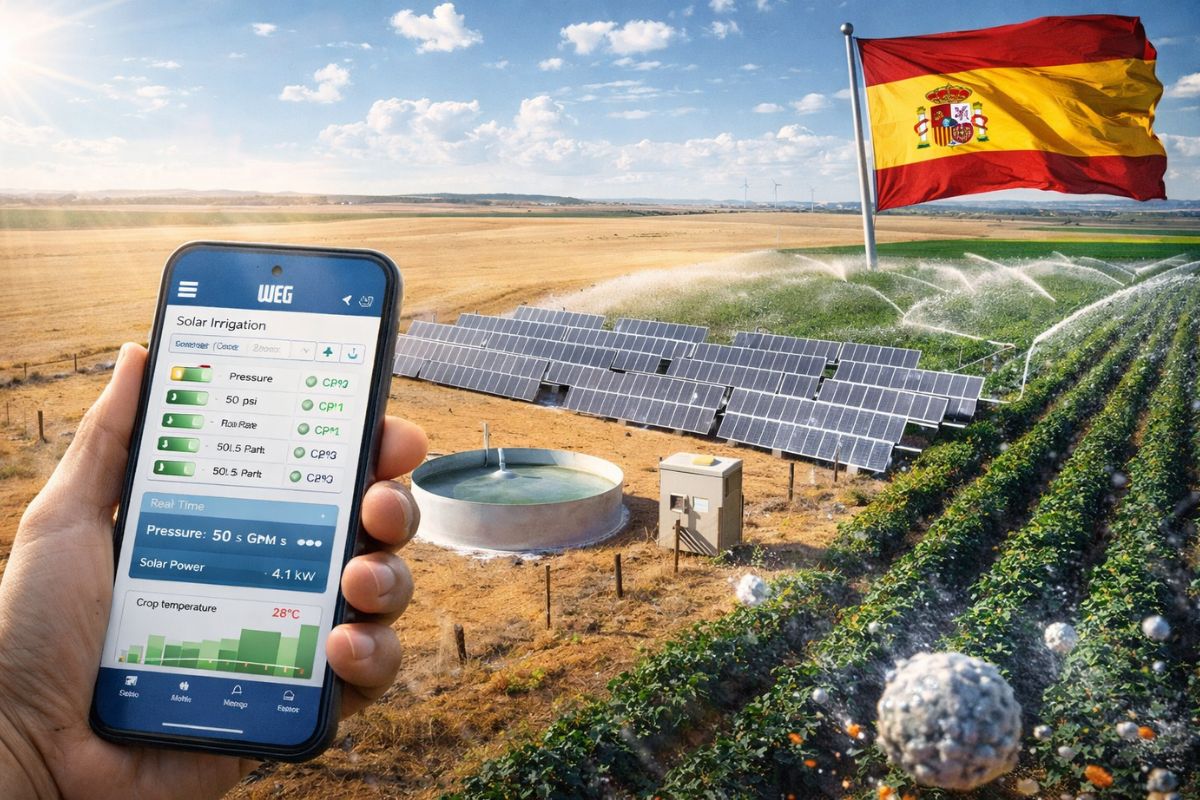
WEG took its technology to Spain to create a solar irrigation system that operates independently without needing an electrical grid, and now farmers control everything remotely via their mobile phones.
-
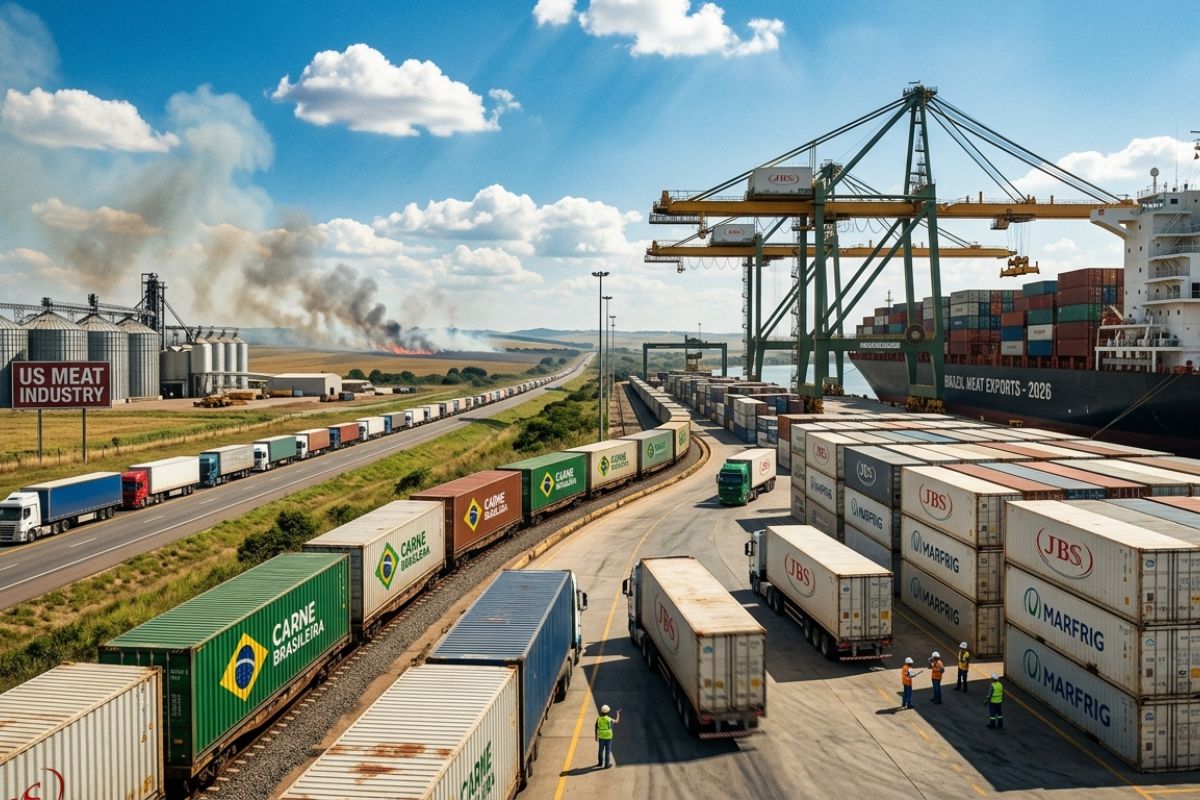
The US faces a meat crisis with fires, pests, and strikes, consumption rises and supply falls to the lowest level since 1952, creating a billion-dollar opportunity for Brazilian exports to grow in 2026.

From this research, Aloe Fértil Brasil emerged, founded in 2008, which began developing compounds aimed at improving nutrient absorption and protecting crops against water stress.
Products derived from aloe vera strengthen the natural defenses of plants and assist in the regeneration of degraded soils.
Currently, the company’s bioinputs cover about 2 million hectares in soybean, corn, bean, rice, coffee, and vegetable crops, both in Brazil and in other countries.
According to Alves, the usage is accessible to small producers as well as large farms. “It ranges from a small greenhouse to properties with over 10 thousand hectares,” he explains.
This versatility has solidified aloe vera as a strategic resource within the Brazilian bioeconomy, combining sustainability and profitability.
Proven Results in Field Tests
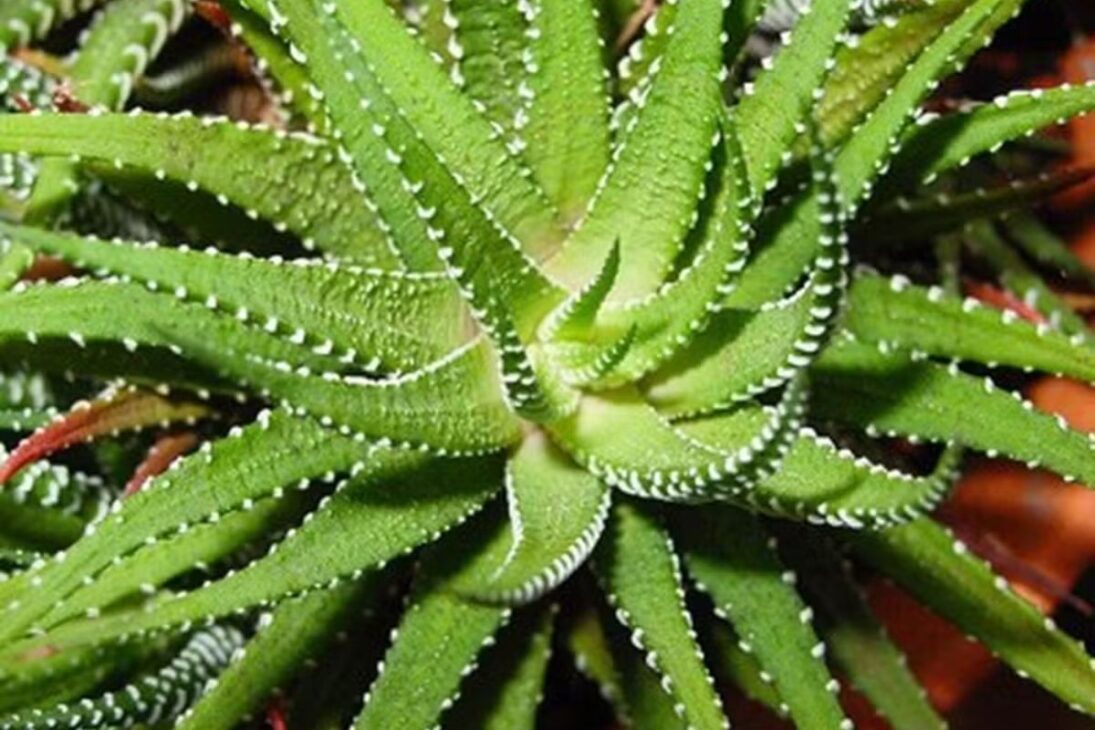
Between 2022 and 2025, researcher Adonis Moreira from Embrapa Soja in Londrina (PR) conducted a series of tests with the aloe vera extract produced by Aloe Fértil.
The tests showed gains of up to 14% in the average productivity of crops subjected to periods of drought, compared to areas without the application of the bioinput.
In scenarios with normal conditions, the results indicated an increase of about 5% in production, demonstrating the potential of the compound as a physiological balance agent for plants.
According to Moreira, the extract is “a promising input to increase agricultural resilience and tolerance to climate stress.”
The results caught the attention of international companies interested in natural and scalable solutions for agriculture.
Among them is Manuchar, one of the largest distributors of chemical products in the world, with a presence in 150 countries, which began marketing the Brazilian biofertilizer.
Global Expansion and Economic Impact
The partnership with Manuchar took Aloe Fértil’s bioinputs to the international market, including applications in fruit farming, coffee, citrus, and tomatoes.
According to commercial director Robinson da Costa Bertoli, the company’s portfolio was expanded to include soluble fertilizers and micronutrients derived from aloe vera, integrating the input into the chain of sustainable agricultural defensives.
This movement positions the “King of Aloe Vera” as a pioneer in the export of green technology developed from native species adapted to the tropical climate.
The success of the project reinforces Brazil’s role as a producer of high value-added bioinputs, at a time when the agribusiness sector seeks to reduce reliance on synthetic compounds and minimize environmental impacts.
The work of the King of Aloe Vera, Magno Alves, shows how scientific innovation and agricultural management can transform a traditional plant into a sustainable biofertilizer source with international reach.
The use of Aloe vera in the field indicates a promising path for the Brazilian bioeconomy, combining productivity, research, and environmental conservation.
Do you believe that Brazil is ready to lead the global market for natural bioinputs like aloe vera?









-

-

-

-

-

-

76 pessoas reagiram a isso.