





 Portuguese
  English
  Spanish
  3 min of reading
  0 comments


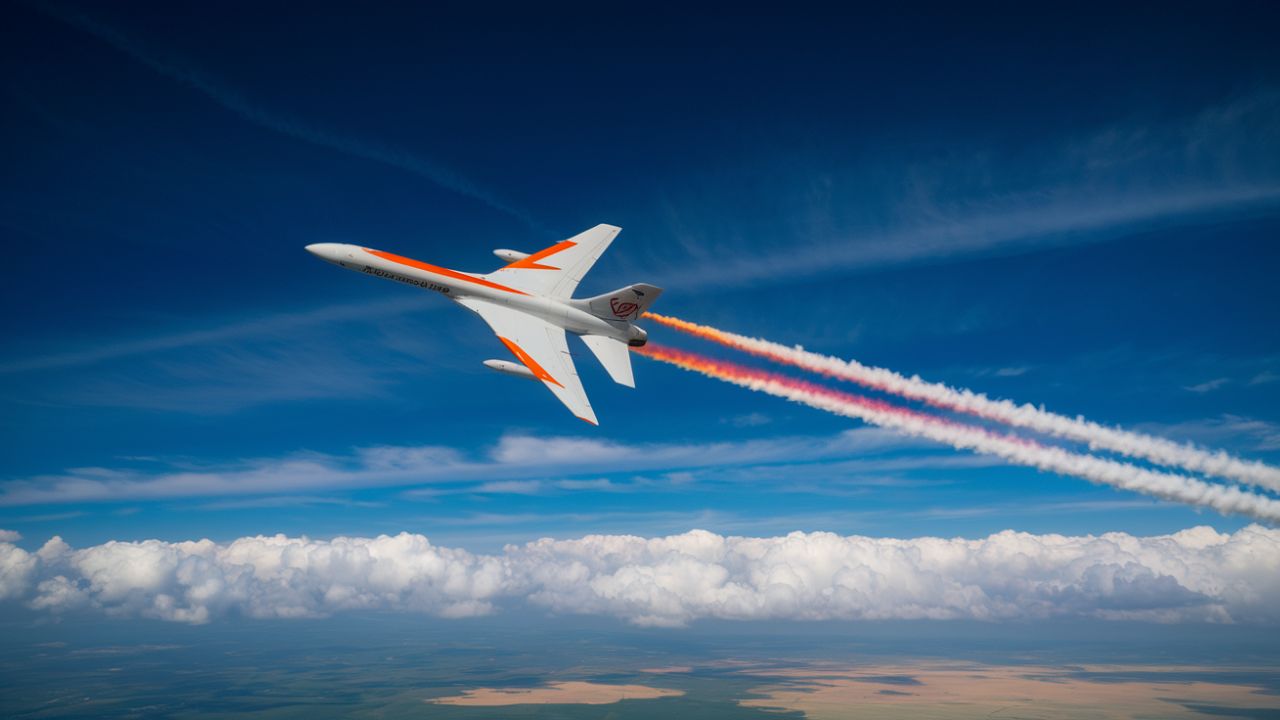
After More Than 20 Years, Supersonic Commercial Flights Are Returning! Boom Supersonic Made History by Breaking the Sound Barrier with the XB-1, Reaching Mach 1.1. Now, the Revolutionary Overture Promises to Cross the Atlantic in Just 3 and a Half Hours, Using Sustainable Fuel and Cutting-Edge Technology!
The startup Boom Supersonic has just taken a big step towards the future: its demonstrator XB-1 broke the sound barrier, becoming the first privately-owned aircraft to reach this milestone. This landmark puts the world back on the path of ultra-fast travel and could revolutionize the aviation sector.
The Renaissance of Supersonic Aviation
The Concorde was one of the greatest achievements in aeronautical engineering, but it had a short life. Launched in the 1970s, it operated for just over 25 years and was retired in 2003. The reason? High costs, environmental impacts, and a fatal accident that tarnished its reputation.
Since then, commercial flights have been limited to subsonic speeds, but the desire for faster travel has never died. Now, driven by new technologies, companies like Boom Supersonic are bringing supersonic aviation back, with promises of efficiency and lower environmental impact.
-
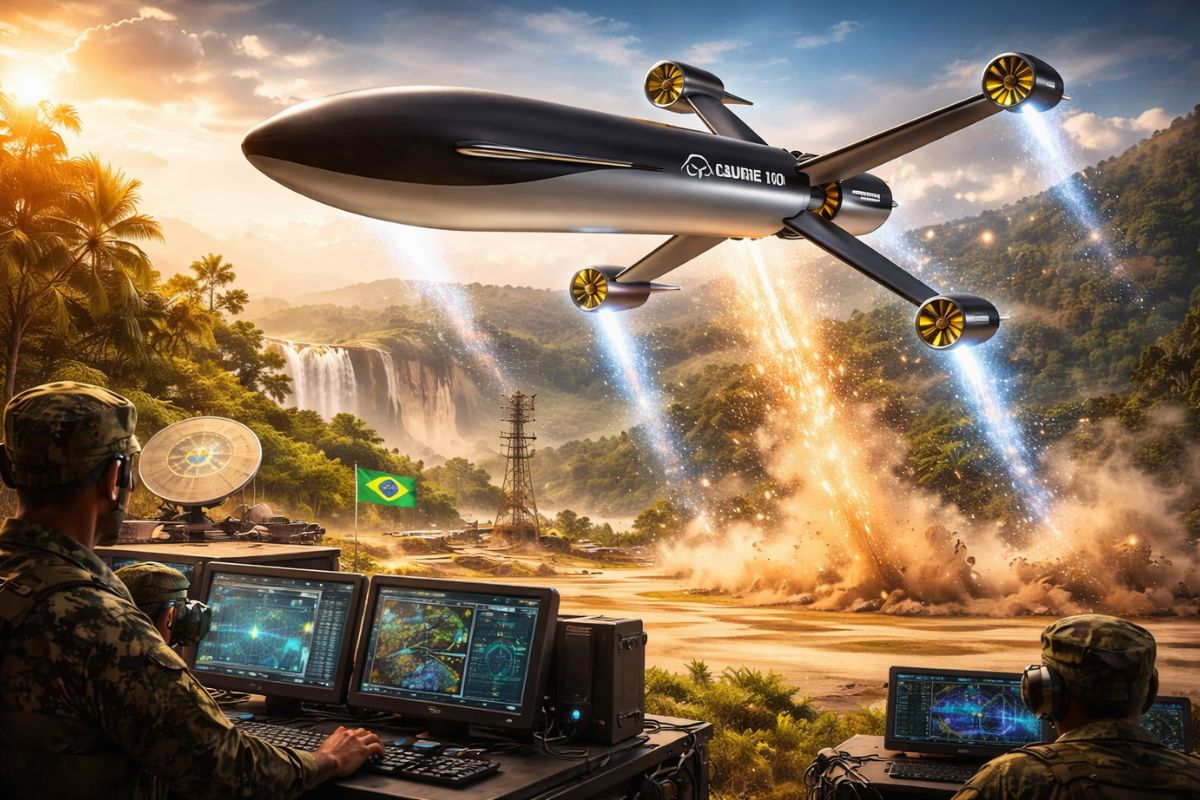
Brazil has quietly developed an electric tactical drone that takes off and lands vertically without needing a runway, flies at 140 km/h in a fully autonomous manner, and can operate in forests, conflict zones, and remote areas.
-
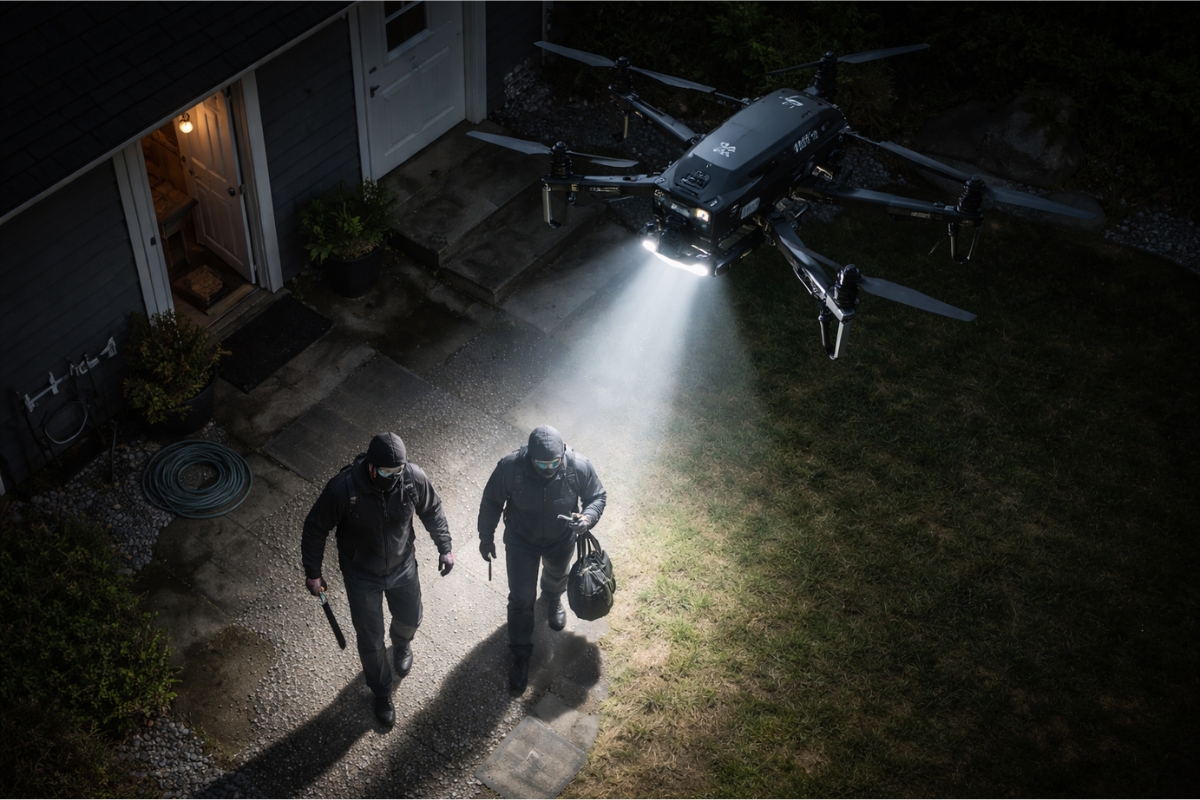
Novo drone Guardian debuts in the United States with an 8-mile range, robotic battery swapping, and Starlink connectivity for continuous response.
-
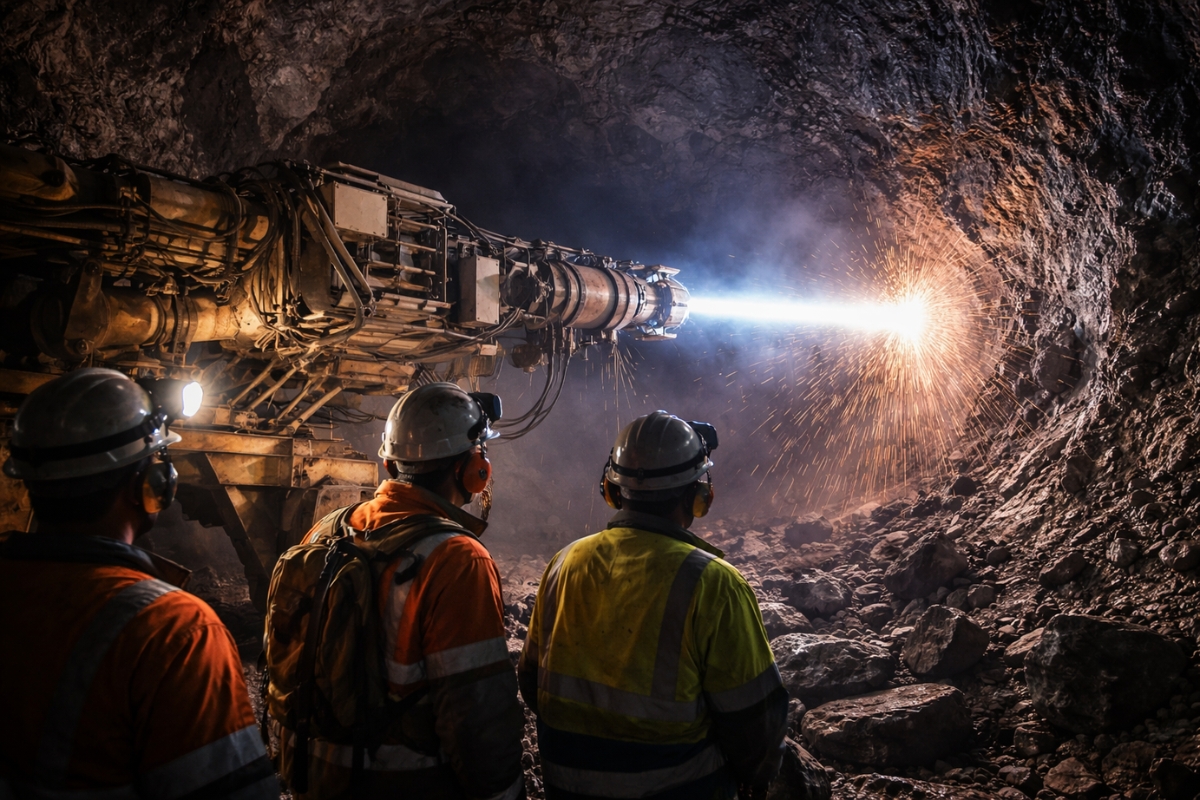
100 kW megalasers are already pointing to a new industrial phase, with enough power to cut thick steel, drill through rocks, accelerate mining, and increase productivity in operations previously considered too difficult.
-
Thousands of people in poor countries are paid cents to film household tasks, label images, and operate systems remotely all day long, and this invisible work fuels a $17 billion market that trains the artificial intelligences of Google, Tesla, and Meta.


The XB-1: Boom Supersonic’s First Step and the Breaking of the Sound Barrier
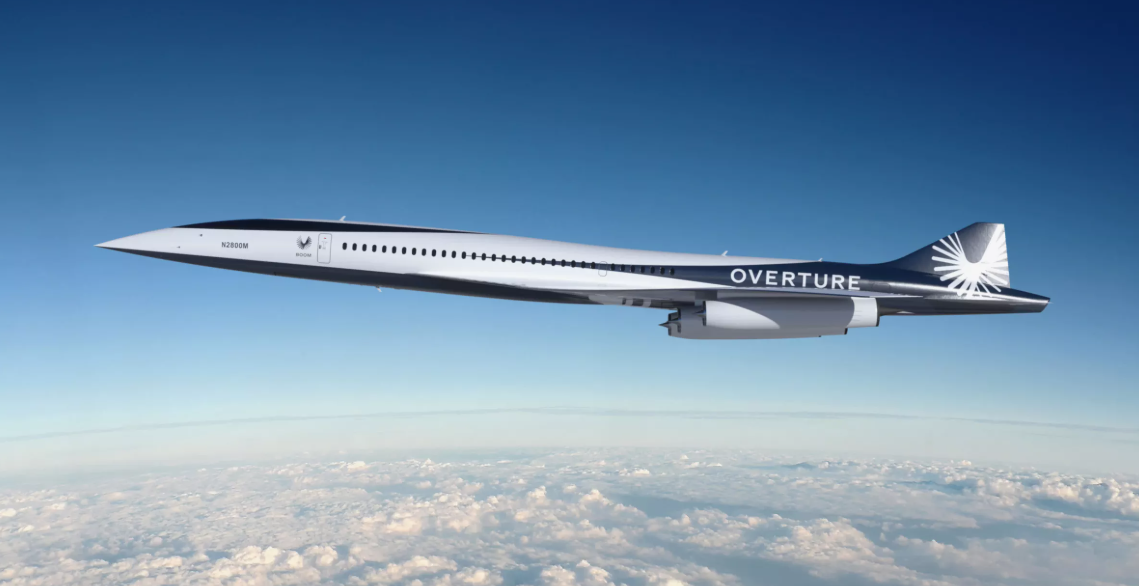
In early 2024, Boom Supersonic made history. Its demonstrator XB-1 reached Mach 1.1 (860.8 mph), breaking the sound barrier and proving that technology is evolving to make supersonic flights viable again.
The pilot responsible for this feat was Tristan “Geppetto” Brandenburg, a former US Navy aviator. The XB-1, which is one-third the size of a commercial airplane, took off from Mojave Air and Space Port in California and reached supersonic speed in just 12 minutes. During the 33-minute flight, the aircraft broke the sound barrier three times.
More than just a simple demonstrator, the XB-1 is a sign that commercial aviation is about to enter a new era.
Overture: The Future of Supersonic Aviation
If the XB-1 is the first step, the Overture is the ultimate promise. This will be the commercial model that brings supersonic flights back, now with efficiency, sustainability, and accessibility.
Main Features of the Overture:
Cruising speed: Mach 1.7 over water.
Maximum speed: Mach 2.2 (1,687 mph).
Capacity: Approximately 55 passengers.
Cruising altitude: 60,000 feet.
Sustainability: Will use sustainable aviation fuel (SAF), made from renewable materials.
The promise is bold: flying from London to New York in three and a half hours. This means that a flight that normally takes more than seven hours will be cut in half!
And major airlines are already eyeing this innovation. Companies like American Airlines, United Airlines, and Japan Airlines have already placed 130 pre-orders for the Overture, showing market confidence in the return of supersonic flights.
Overcoming the Challenges of the Past
One of the biggest challenges faced by the Concorde was the deafening noise of the sonic boom, which restricted its operations. But Boom Supersonic is betting on new technologies to minimize this impact.
Another problem was the high operational cost, which made tickets inaccessible to most people. Boom claims it is developing a more efficient and economical model, which will make supersonic flights financially viable.
In addition, the use of sustainable fuel (SAF) will help reduce aviation’s carbon footprint, making the Overture the first large commercial aircraft to operate with net zero carbon emissions.






-

Uma pessoa reagiu a isso.