





 Portuguese
  English
  Spanish
  3 min of reading
  0 comments


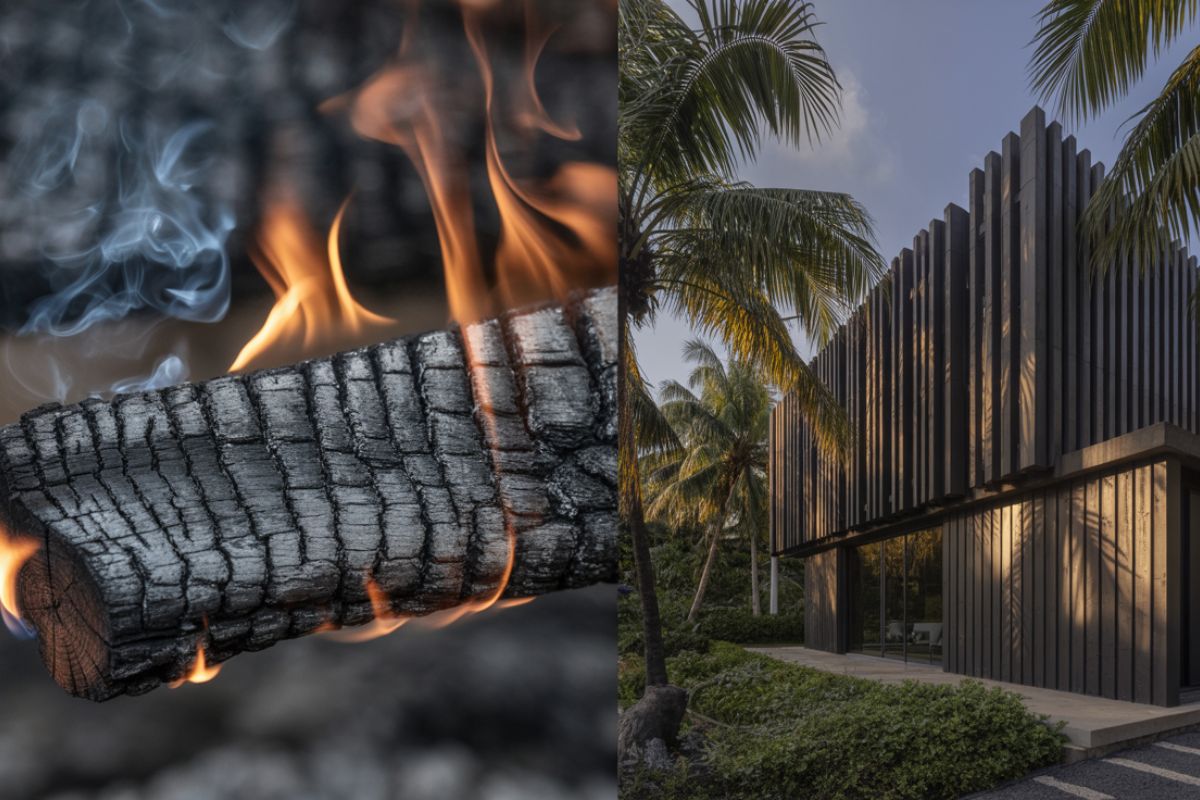
With a Unique Aesthetic and Durability of Up to 80 Years, Fire-Resistant Wood Treated with the Ancient Yakisugi Technique Is Trending in Modern Architecture in Brazil.
It may seem like a paradox, but the solution to creating fire-resistant wood is, literally, to burn it. This is the premise of Shou Sugi Ban (or Yakisugi), a traditional Japanese technique that is winning over architects and engineers in Brazil for its beauty, sustainability, and, primarily, for its incredible durability.
What was once a secret of centuries-old constructions in Japan has now become a sophisticated and ecological alternative to concrete and steel in high-end projects. The technique not only protects the wood against flames but also against pests and moisture, offering durability that can last up to 80 years with low maintenance, making fire-resistant wood a smart choice for the Brazilian climate.
What Is the Shou Sugi Ban Technique?
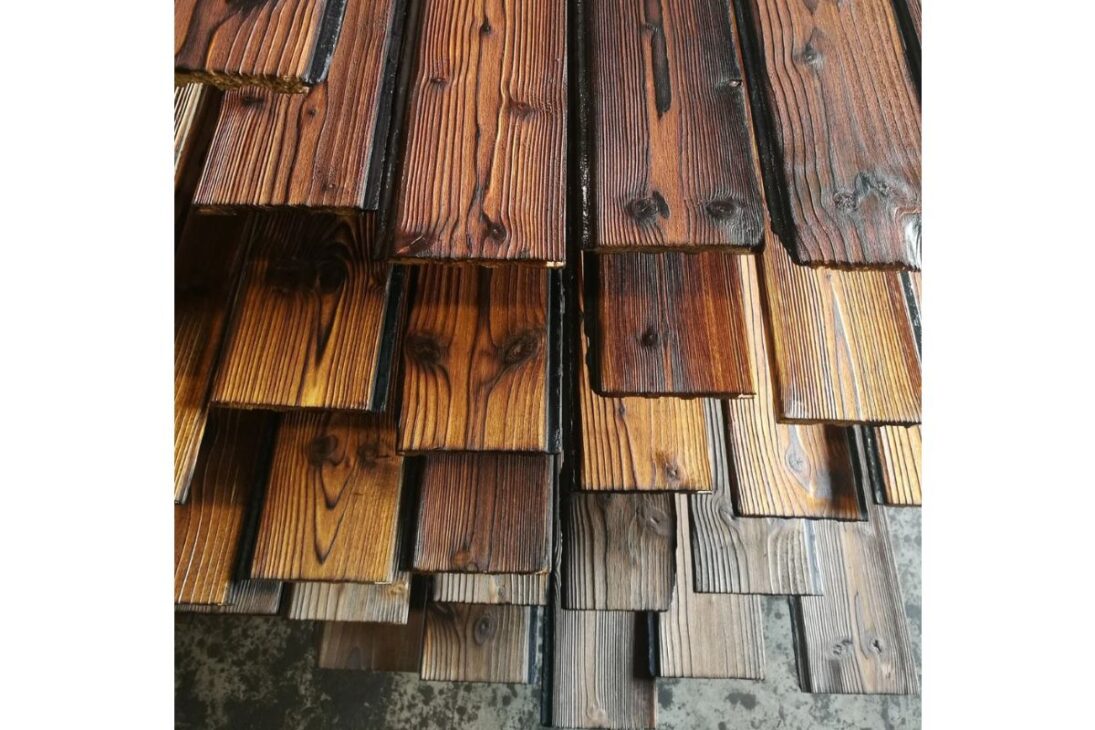
Originating in the 18th century in Japan, Shou Sugi Ban is a preservation method that consists of controlled charring of the wood’s surface. The process is artisanal and involves four main steps:
-
Congonhas receives the monorail promised for the 2014 World Cup after more than a decade of delays and becomes the first airport in Brazil with integrated subway.

-
Goodbye, concrete: a new trend in civil construction reduces the weight of the structure by up to 30%, accelerates projects by up to 40%, cuts costs on steel and labor, and improves thermal insulation with EPS.
-
Russian engineers create an innovative propeller blade for aircraft that could completely change the way airplanes and helicopters operate.

-
Couple finishes building PVC chalet on the beach on the last day, with air conditioning and curtains, but discovers the bathroom drain is inverted: water escapes from the drain, risking breaking the floor, and the rush continues before the trip.

- Burning: The wood’s surface is burned with a torch or in a fire until a layer of carbon forms.
- Cooling: The burning is stopped with water.
- Cleaning: The loose soot layer is brushed off to reveal the unique texture of the charred wood.
- Sealing: A natural oil is applied to seal and protect the surface, enhancing its color and texture.
The result is a piece of wood with a unique appearance, in shades of black and deep gray, often with a texture that resembles crocodile skin.
Benefits That Go Beyond Aesthetics
The popularity of fire-resistant wood is not just due to its stunning appearance. The practical benefits are what truly set it apart:
- Fire Resistance: The charred layer acts as an insulator, slowing the spread of flames and making it difficult for the wood to combust.
- Extreme Durability: The treatment protects the wood from deterioration caused by sun and rain, ensuring a lifespan of up to 80 years.
- Natural Pest Protection: The burnt and sealed surface repels insects, such as termites, and fungi that cause rot.
- Sustainability: It is a 100% ecological process, eliminating the need for varnishes, paints, and other toxic chemicals.
Fire-Resistant Wood in Brazil
The technique has been increasingly adopted in high-end architectural projects in Brazil, especially in humid climate regions. One of the most notable examples is Residência NB, a 760 m² project in Angra dos Reis (RJ), completed in 2019 by the renowned firm Jacobsen Arquitetura. The work, highlighted on platforms such as ArchDaily, uses charred wood in its facades, creating a perfect dialogue between the building and the surrounding nature.
Specialized companies like Degmeda already supply wood treated with Shou Sugi Ban in Brazil, reporting growing demand in São Paulo and Rio de Janeiro for use in facades, decks, and even in interior details.
A Sustainable Choice for the Future
Besides its durability, choosing fire-resistant wood is an act of sustainability. The process does not generate toxic waste and, by using wood from responsibly managed forests (with certifications like FSC®), it contributes to CO₂ storage. European companies, such as Zwarthout, even plant three new trees for every one used in the process.
The fusion of an ancient technique with contemporary architecture shows that it is possible to build beautifully, durably, and in harmony with the environment.
And you, did you already know the technique of fire-resistant wood? Would you use it in a project in your home? Share your opinion in the comments!







Seja o primeiro a reagir!