





 Portuguese
  English
  Spanish
  4 min of reading
  0 comments


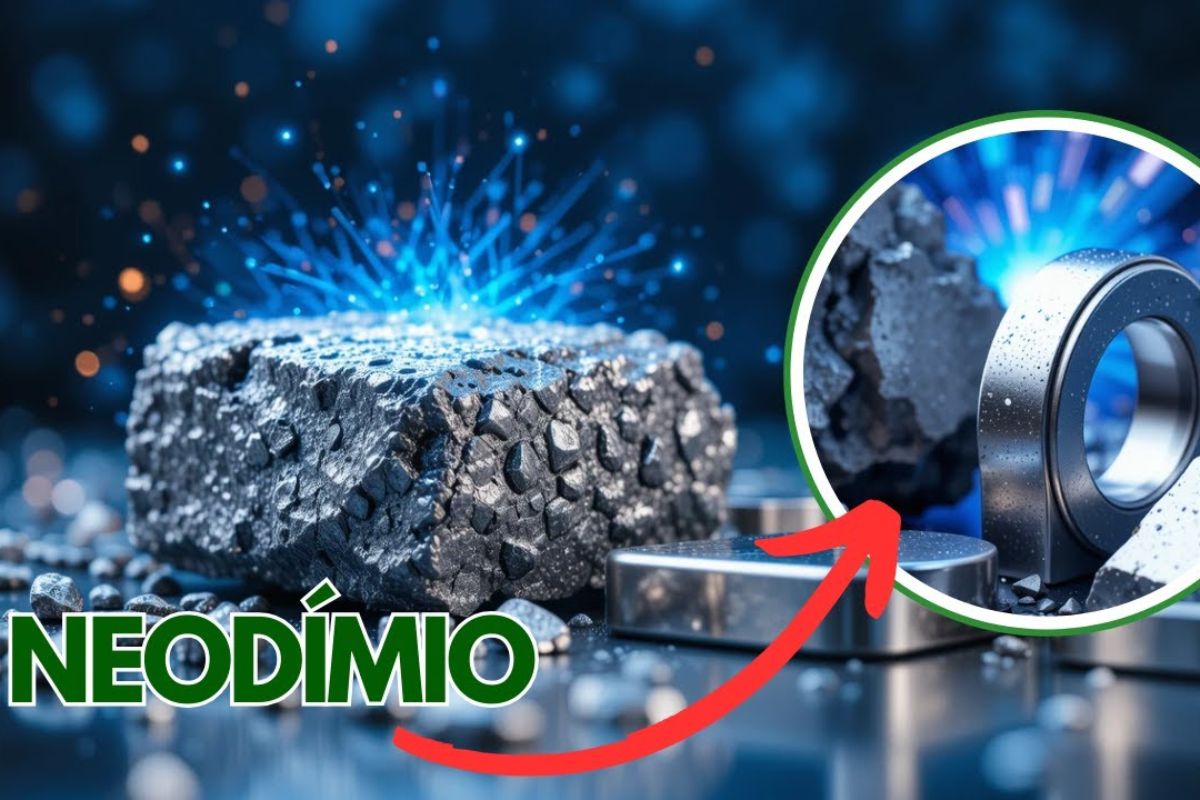
The Engineering Behind The World’s Most Powerful Magnets Involves Rare Metals And Complex Chemical Processes That Revolutionized Industrial Magnetic Performance
The world’s most powerful magnets are the result of decades of scientific and metallurgical advances. Although known as neodymium magnets, the truth is that their composition goes far beyond this element. Since the 1980s, neodymium, a rare earth metal, has fueled a revolution in the magnetic industry, making it possible to build more efficient electric motors, more compact wind turbines, and highly precise medical equipment.
These advances were made possible because neodymium allowed for a multiplication of magnetic strength compared to traditional alloys. But the secret lies not just in it. Elements such as terbium and dysprosium transformed the thermal performance of these materials, ensuring stability and power even at high temperatures. Behind modern magnets, there is a sophisticated chemical engineering that balances strength, durability, and production cost.
From Ancient Magnetite To Modern Neodymium Magnets
The first records of magnetism date back thousands of years, when minerals such as magnetite were used rudimentarily by ancient civilizations like Egypt.
-
Scientists have finally discovered where the plastic that disappeared from the oceans went, and the answer is frightening: it fragmented into such tiny particles that they became invisible and now there are 27 million tons of nanoplastic just in the North Atlantic.

-
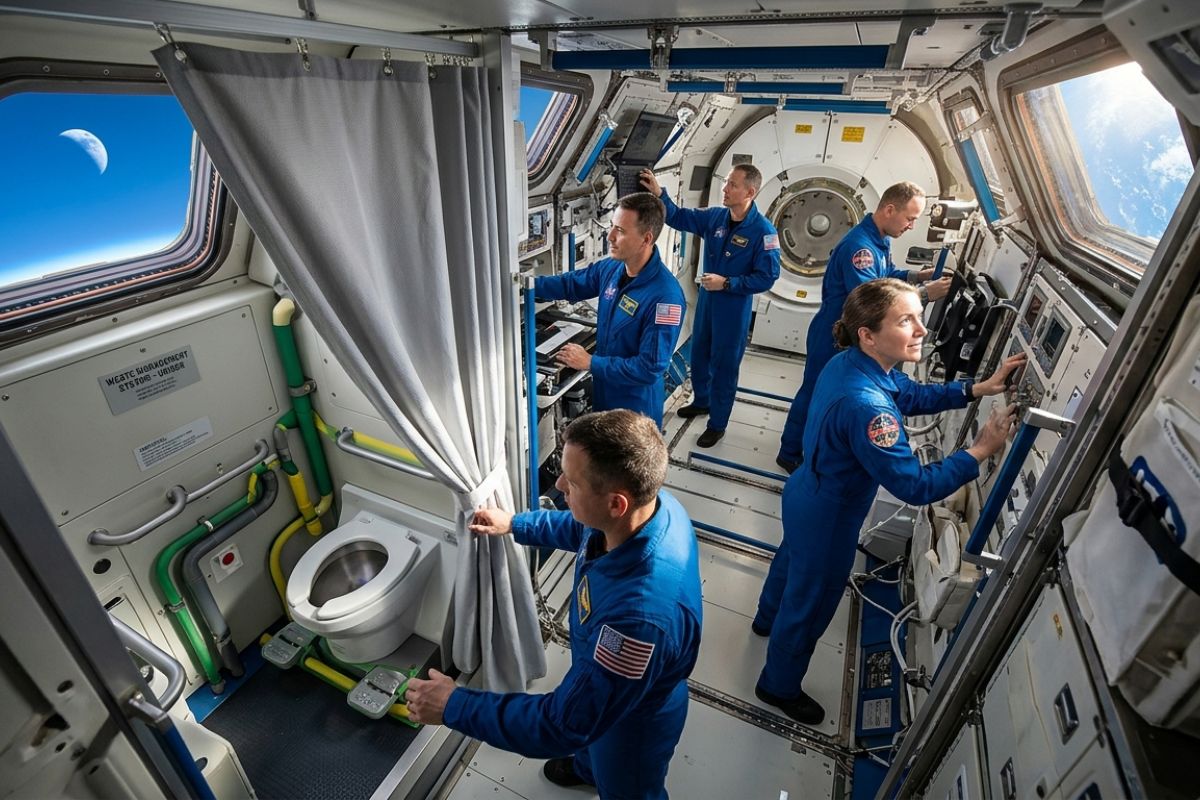
The Artemis II mission will take the Orion capsule back to the vicinity of the Moon with four astronauts, a private bathroom with a curtain, a system adapted for men and women, and a level of comfort that highlights how the Apollo era operated at the rawest limits of space exploration.
-
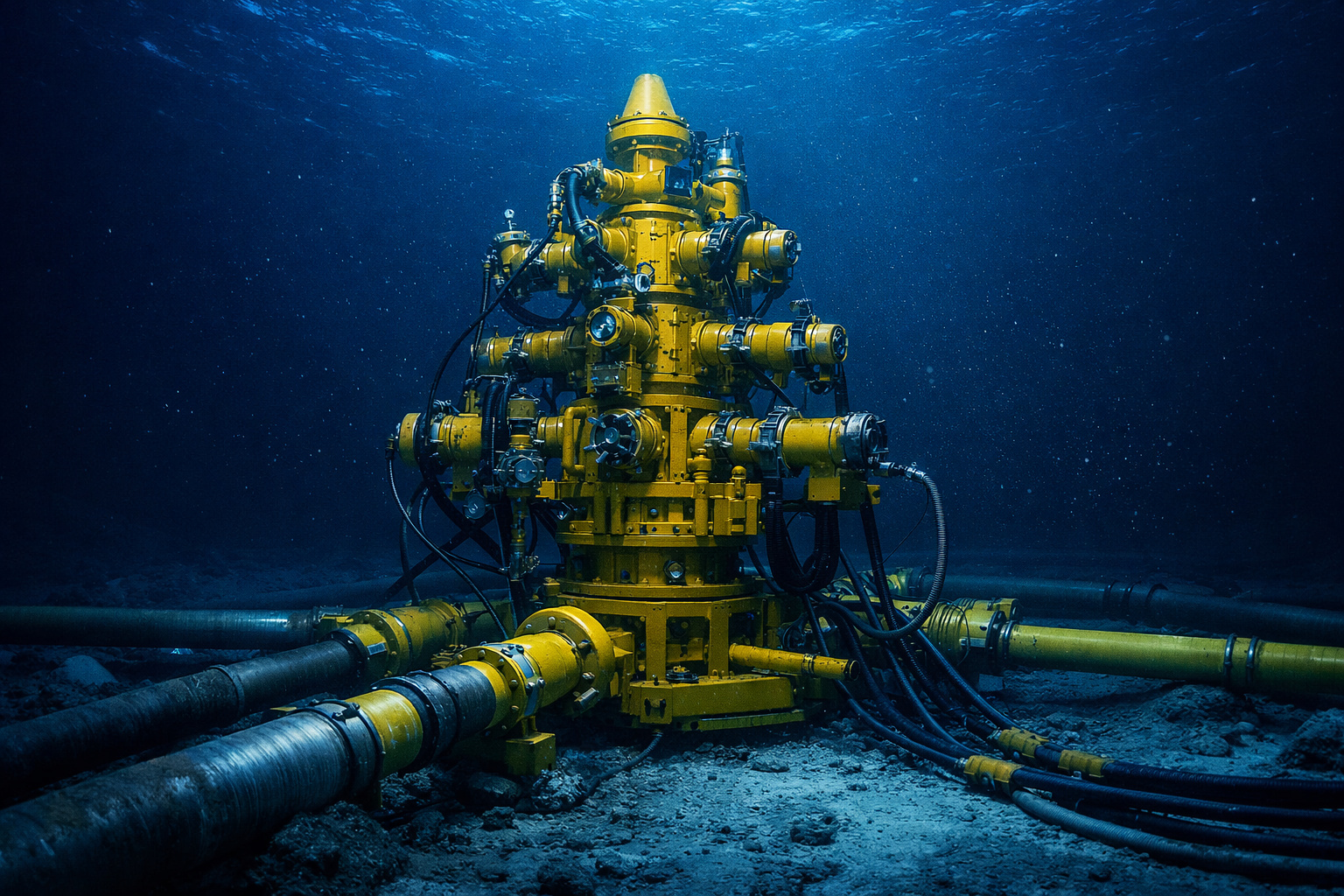
Giant structures on the seabed precisely control oil and reveal how high-tech underwater valves work.
-
China has just tested a giant drone the size of a fighter jet with a wingspan of 25 meters that carries 6 tons, flies for 12 hours, and the most frightening part: it can launch entire swarms of smaller drones directly from the air.


However, the real revolution began with artificial magnets, produced from specific metal alloys.
First came samarium and cobalt magnets, followed by cheaper but also weaker ferrite ones.
The turning point occurred with the discovery of the neodymium-iron-boron (NdFeB) alloy, which showed a magnetic field up to ten times stronger than that of ferrites. This leap in performance allowed applications in areas that require high energy density, such as the automotive industry and portable electronic devices.
The Temperature Challenge And The Solution With Terbium And Dysprosium
Despite their power, early neodymium magnets had a limitation: they lost strength above 70 °C. This phenomenon, known as a low Curie point, restricted their use in industrial environments or high-performance motors.
The solution came with the controlled addition of terbium and dysprosium, metals also belonging to the rare earth group. They enhance the thermal resistance of the alloys, allowing safe operation at temperatures above 200 °C.
This chemical modification was what consolidated the world’s most powerful magnets as strategic components in energy, transportation, and high-tech sectors.
Complex Alloys And Magnetic Balance
Today, it is rare to find neodymium magnets made solely from neodymium. The modern composition includes praseodymium, dysprosium, and other elements in carefully adjusted proportions.
This mixture ensures magnetic stability and mechanical resistance without compromising field strength.
The engineering behind these alloys is an exercise in precision. Each metal directly influences properties such as coercivity (resistance to demagnetization), flux density, and thermal durability.
Small variations in composition can mean the difference between an efficient motor and equipment subject to performance loss in the field.
The Industrial Chemistry Behind The World’s Most Powerful Magnets
To identify the elements that compose a magnet, it is necessary to resort to industrial analytical chemistry. By dissolving a crushed magnet in nitric acid, for example, the metals decompose into nitrates, releasing nitrogen dioxide, a toxic gas that requires appropriate safety infrastructure.
Techniques such as oxalic acid precipitation allow for the selective separation of components, revealing distinct tones and characteristics.
Pure neodymium oxalate has a pink-purple color, while the presence of praseodymium tends to be grayish-green. This visual difference helps identify impurities and confirms the chemical complexity involved in producing the world’s most powerful magnets.
Chinese Dominance And Economic Balance
The complete separation of rare earth metals is an expensive and time-consuming process. Therefore, China, which dominates the global production of these elements, opts to maintain mixed alloys and adjust their proportions according to industrial application. This strategy ensures production scale and economic viability.
For sectors such as mining, energy, and electric transportation, understanding the exact composition of the magnet is crucial.
The ratio of neodymium, terbium, and dysprosium defines the cost, thermal resistance, and final performance of the product. In electric traction systems, for example, minimal variations can directly influence the motor’s energy efficiency.
Engineering, Durability And Magnetic Performance


The world’s most powerful magnets do not depend solely on the metallic alloy. Surface treatment with nickel, copper, or epoxy coatings is essential to protect against corrosion and wear.
A magnet without this care can lose its strength in just a few years, especially in humid environments or those subjected to constant vibrations.
Therefore, magnetic performance is the result of a precise combination of composition, metallurgical process, and protective finishing.
Each stage of manufacturing defines the component’s lifespan and its stability under different operating conditions.
The world’s most powerful magnets represent a delicate balance between science and engineering. From the chemistry of rare earths to precision metallurgy, every detail influences magnetic strength and the final product’s durability.
The combination of neodymium, terbium, and dysprosium is not just a technical formula, but a milestone in the history of modern materials.
Did you ever imagine that an apparently simple magnet hid so much science and complexity? Tell us in the comments what surprised you most about the engineering behind these materials.










Seja o primeiro a reagir!