





 Portuguese
  English
  Spanish
  2 min of reading
  0 comments



The Airbus A-380, which seemed destined to disappear, is back in the skies, proving its importance and efficiency in the aviation sector. The largest passenger aircraft in the world still has many years of operation ahead, offering comfort and stability to passengers.
In 2020, with the pandemic, the civil aviation sector suffered a huge impact, with a 96% reduction in flights. During this time, the Airbus A-380, the largest passenger aircraft in the world, seemed destined to become scrap. However, against all expectations, the giant of the skies is making a surprising comeback.
The pandemic closed borders and emptied airports, forcing most Airbus A-380s to stay on the ground. Many airlines announced the definitive retirement of these aircraft, leading many to believe that the future of the A-380 was uncertain.
The Airbus A-380, launched in 2007 by Singapore Airlines, is the largest passenger aircraft ever built


With a capacity for up to 853 passengers, two decks, and impressive dimensions, the creation of this giant required significant investments and adaptations at airports around the world.
-
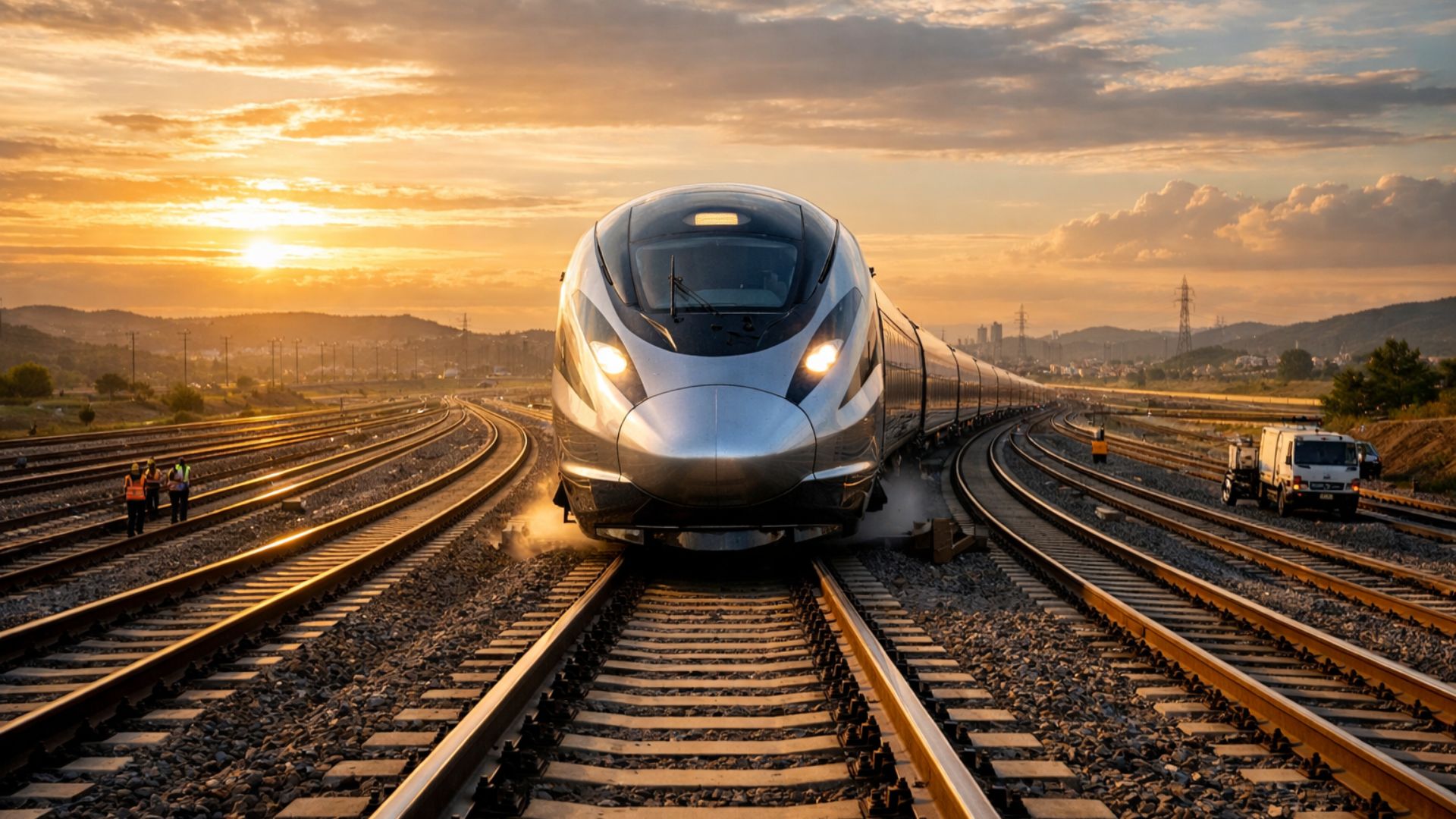
São Paulo surprises the world with a colossal railway network project that promises over 1,000 km of tracks, R$ 194 billion in investments, and 40 projects connecting the capital to the interior with fast and sustainable trains.
-
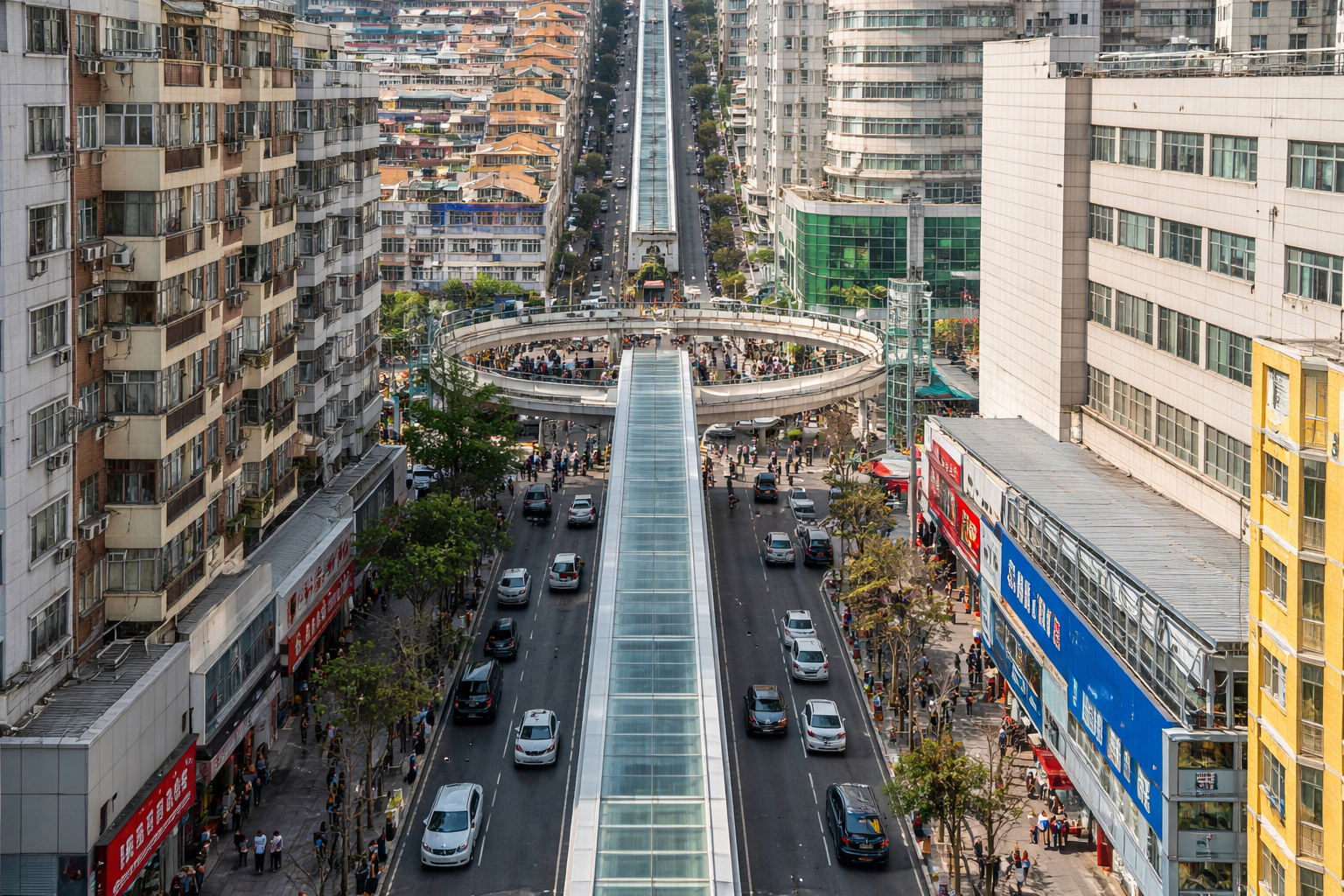
The world’s largest escalator, measuring 905 meters in China, reduces urban travel time from 1 hour to about 20 minutes and transforms mobility in mountainous regions with an engineering solution adapted to the terrain.
-
A R$ 300 million logistics giant is taking shape in Serra with over 100,000 m² and raises a question: how can this transform e-commerce and distribution in the state?

-
Could Uber Rides Lose Minimum Fare? Understand What’s Happening!


With the emergence of smaller and more efficient aircraft, the point-to-point business model gained strength, decreasing the demand for the A-380. The pandemic seemed to be the final blow, with several airlines retiring their fleets. However, the recovery of the sector was faster than expected, leading to the return of the A-380s to the skies.
Airlines such as Emirates, Qantas, Singapore Airlines, and Korean Air are once again putting the A-380 back into service
Even Lufthansa, which had announced the retirement of its fleet, decided to bring some of its A-380s back due to the increase in the number of passengers. The rapid recovery of the tourism sector, delays in the delivery of new aircraft models, and the high depreciation of the A-380 contributed to its return. With a reduced acquisition cost, some companies saw an opportunity to use the A-380 instead of selling them.
Despite the triumphant return, Airbus does not plan to resume production of the A-380. The company will continue to provide technical support to airlines that operate the model, hoping that it remains in operation for another two decades. Airlines such as Emirates and Qantas plan to keep the A-380 in their fleets at least until 2032.









Seja o primeiro a reagir!