





 Portuguese
  English
  Spanish
  4 min of reading
  0 comments


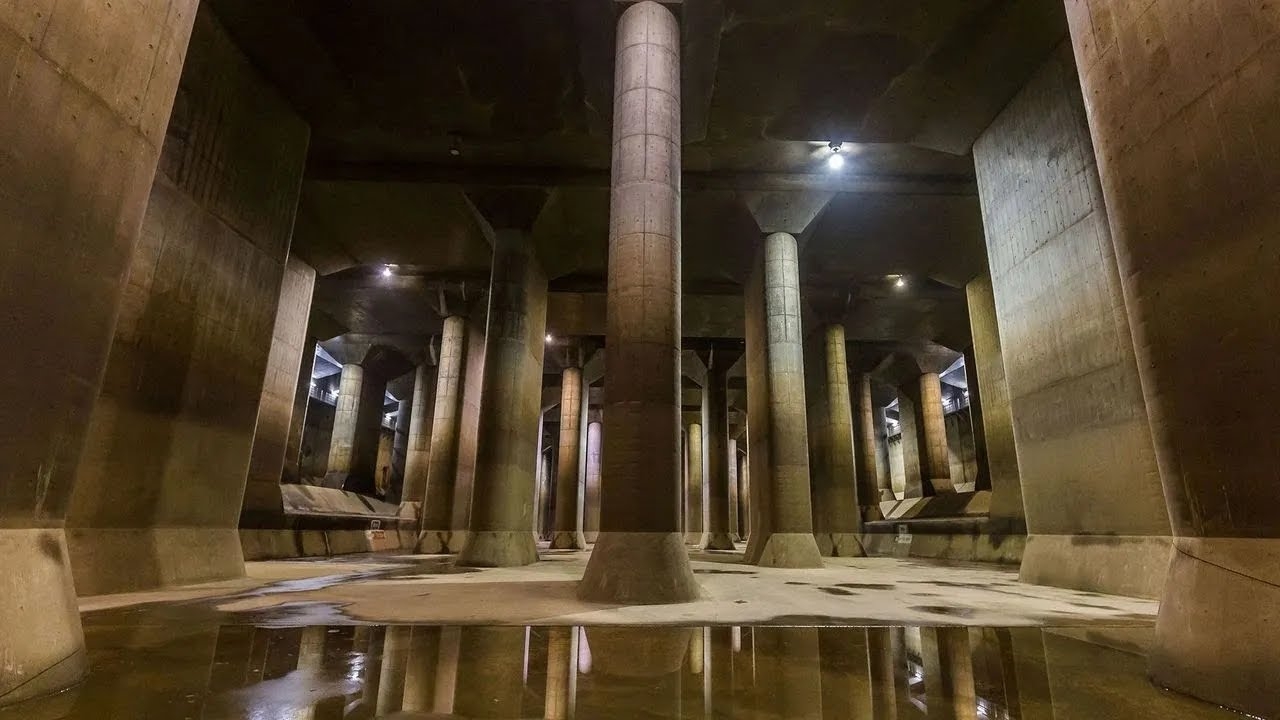
A Structure With 6.4 Kilometers of Tunnels Operates at Nearly 50 Meters Depth to Reduce Flooding Near Tokyo.
At nearly 50 meters depth, there exists a monumental structure capable of changing the fate of entire neighborhoods during extreme rains. It is located in Kasukabe, in the metropolitan area of Tokyo, and was built to contain flooding when rivers rise rapidly.
The space catches attention due to its size and architecture. The main chamber resembles an underground temple, but the goal is straightforward: reduce flooding and protect dense urban areas when the water volume gets out of control.
The system is known as G Cans and operates quietly, out of sight of those living on the surface. When it comes into action, the impact is noticeable, with less water flooding streets, homes, and businesses.
-
Small house with natural light becomes a trend in sustainable architecture and shows how smart designs reduce energy consumption and enhance comfort in compact spaces.

-
Trump revealed today the design for the world’s largest triumphal arch, standing 76 meters tall, more than double the height of the Lincoln Memorial, with a golden Lady Liberty on top, four golden lions at the base, and the inscription “One Nation Under God” engraved in gold. When asked who the monument was for, he replied, “for me.”

-
Imagine a building that absorbs air pollution, regenerates itself, and becomes more resilient with each passing year: scientists from ETH Zurich have just turned this idea into reality using cyanobacteria and 3D printing.

-
Ceará receives the first 100% electric 19-ton loader: the SW956E model promises zero diesel, low maintenance costs, a 3.5 m³ bucket, and fast recharging in 1 hour and 10 minutes for mining and construction.
What Happened and Why It Caught Attention
The project gained notoriety for combining gigantic scale with essential function. The visual is impressive because the structure resembles an underground cathedral, with enormous pillars aligned in a concrete hall.
What makes it even more striking is its utility. The construction was designed to handle large volumes of water and to direct this excess along a controlled path, preventing the city from becoming the final destination of the flood.
The result is a system that has become a reference for transforming heavy engineering into real urban protection, ready to operate when the situation tightens.
Where It Is Located and Why It Was Built

The G Cans is located in Kasukabe, in the Saitama prefecture, within the urban belt that connects to the Tokyo area. The region faces episodes of intense rain and rapid rises in local river levels.
The chosen solution was to create an underground network for containment and diversion, prepared to function when traditional drainage cannot handle the volume in a short time.
The structure began construction in the 1990s and became operational in the 2000s. The proposal was to establish a permanent defense to reduce damage before flooding spreads.
How the Path of Water Works Underground
The operation is simple to understand but complex to execute. When river levels rise, the excess water is directed to 5 giant vertical silos, which act as collection points.
From these silos, the water travels through 6.4 kilometers of tunnels to reach a main control chamber. There, the flow is stabilized to proceed safely, without uncontrolled pressure.
After that, pumps push the water to the Edo River, which can handle larger volumes without causing the same kind of immediate impact in urban areas.
The Numbers That Explain Why the Structure Looks Like a Temple
The scale appears in the details. The 5 silos are about 65 meters tall and 32 meters in diameter, forming underground columns that impress even in photos.
The main chamber measures 177 meters long and is supported by 59 concrete pillars. This assembly creates a temple-like feeling and has become the most recognized image of the system.
These dimensions exist for a practical purpose: to accommodate extreme volumes and keep the water path predictable when the rain intensifies.
Why Underground Structures Like This Have Become Key Against Floods in Large Cities
Structures of this size gain relevance because they address a typical issue in densely populated urban areas: the rapid increase in water volume during short periods of intense rain.
In metropolitan regions, conventional drainage does not always react in time. This turns tunnels, roads, and neighborhoods into critical flooding points in just a few hours.
By creating an alternative path underground, systems like G Cans function as a permanent safety valve. The result is clear: damage reduction and more control when water rises rapidly.


Below Kasukabe, at nearly 50 meters depth, operates one of the largest structures ever created to combat flooding in urban areas. With 6.4 kilometers of tunnels, 5 giant silos, and a chamber supported by 59 pillars, the system operates out of sight but changes the landscape when rain becomes extreme.
While daily life continues on the surface, this underground engineering comes into action to divert high volumes, protect entire neighborhoods, and reinforce the importance of planning in densely populated areas near Tokyo.








-

-

3 pessoas reagiram a isso.