





 Portuguese
  English
  Spanish
  4 min of reading
  2 comments


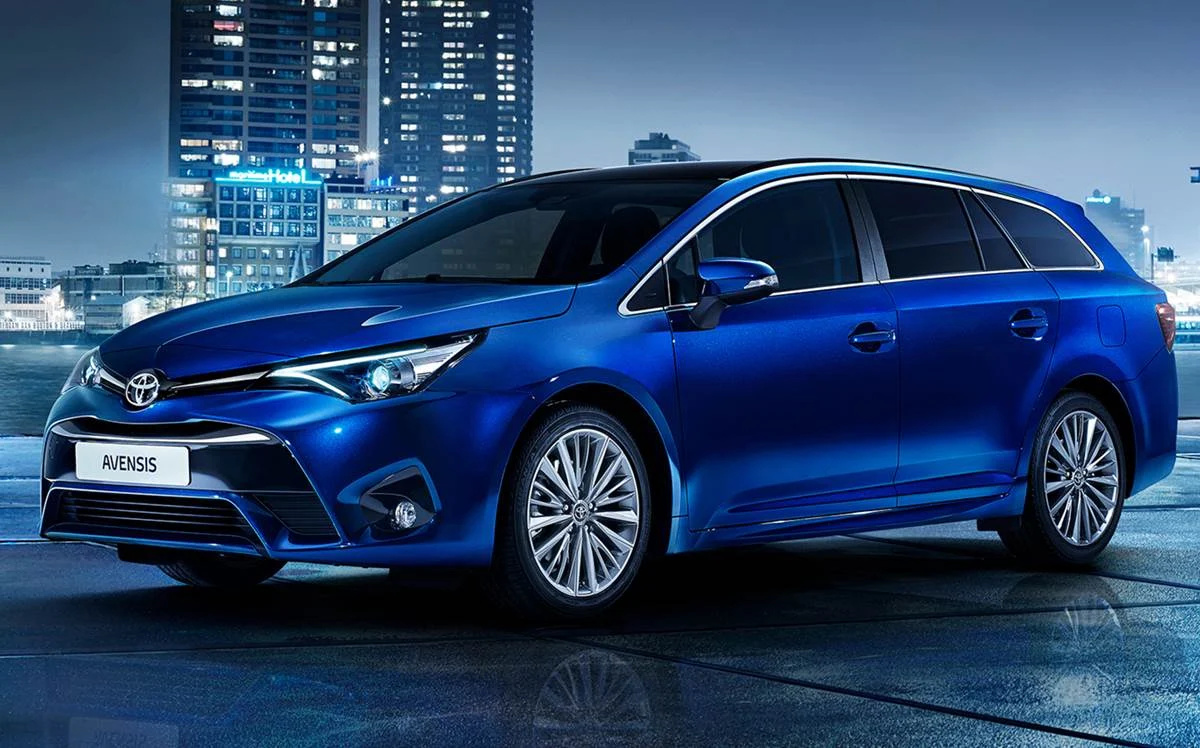


The Rare Toyota Avensis 2.0 Never Took Off in Brazil, But It Offered a Reliable Engine, 12 km/l Fuel Consumption, 720 km Range, and European Mid-Size Sedan Space.
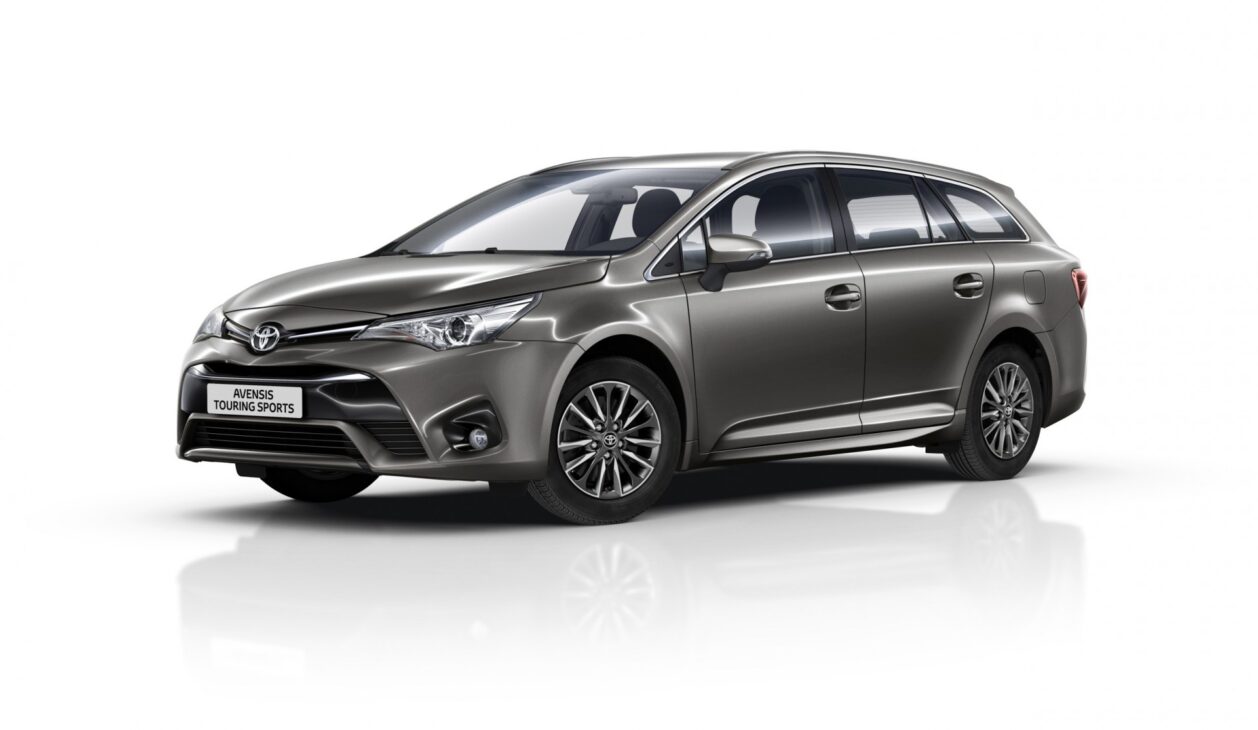
While models like Corolla and Hilux won the hearts of Brazilian consumers, the Toyota Avensis remained an almost unknown sedan here. Produced in Europe and focused on markets in the Old Continent and Asia, the car never gained much attention in Latin America, but it had characteristics that could have made it a success here: reliable 2.0 engine, balanced fuel consumption, generous range, and interior space worthy of a European mid-size sedan.
Today, it is remembered as one of the “ghost” Toyotas in the Brazilian market, appearing in few imported units but could have competed with mid-size and large sedans, like Honda Accord, Nissan Primera, and even some Volkswagen Passats.
Reliable and Durable 2.0 Engine
The Avensis’ main asset was its 2.0 16V gasoline engine, part of the renowned Toyota engine family.
-
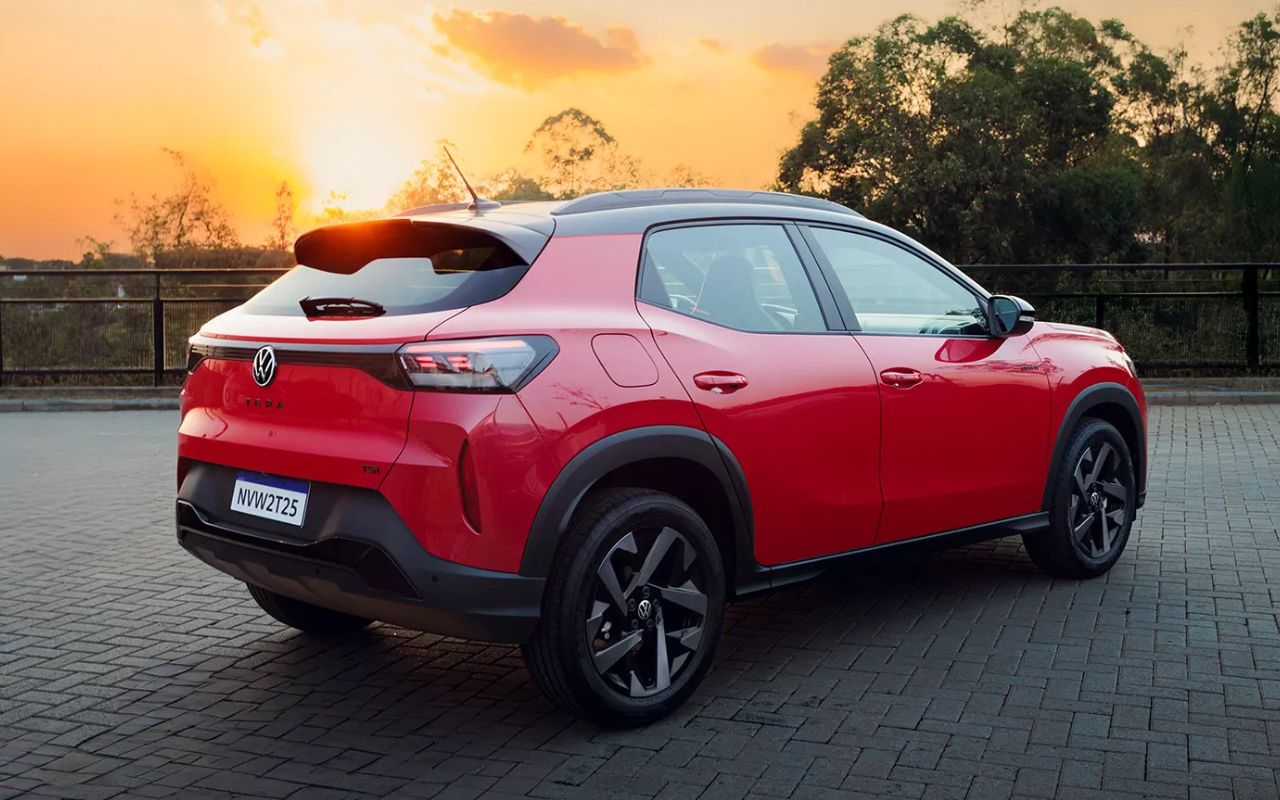
It surpassed the T-Cross, Creta, and Tracker: with nearly 8,000 units sold, the Volkswagen Tera was the best-selling SUV in March 2026.
-
Honda performs miracles in fuel consumption with a hatch that marks 13.2 km/l in the city and 15 km/l on the highway, leaving Polo, HB20, 208, and Onix behind and becoming a reference among compact cars without resorting to turbo or hybrid systems.

-
Six diseases that seem common but can prevent the renewal of the driver’s license for the elderly throughout Brazil and surprise experienced drivers — could any of them affect you without showing clear signs?

-
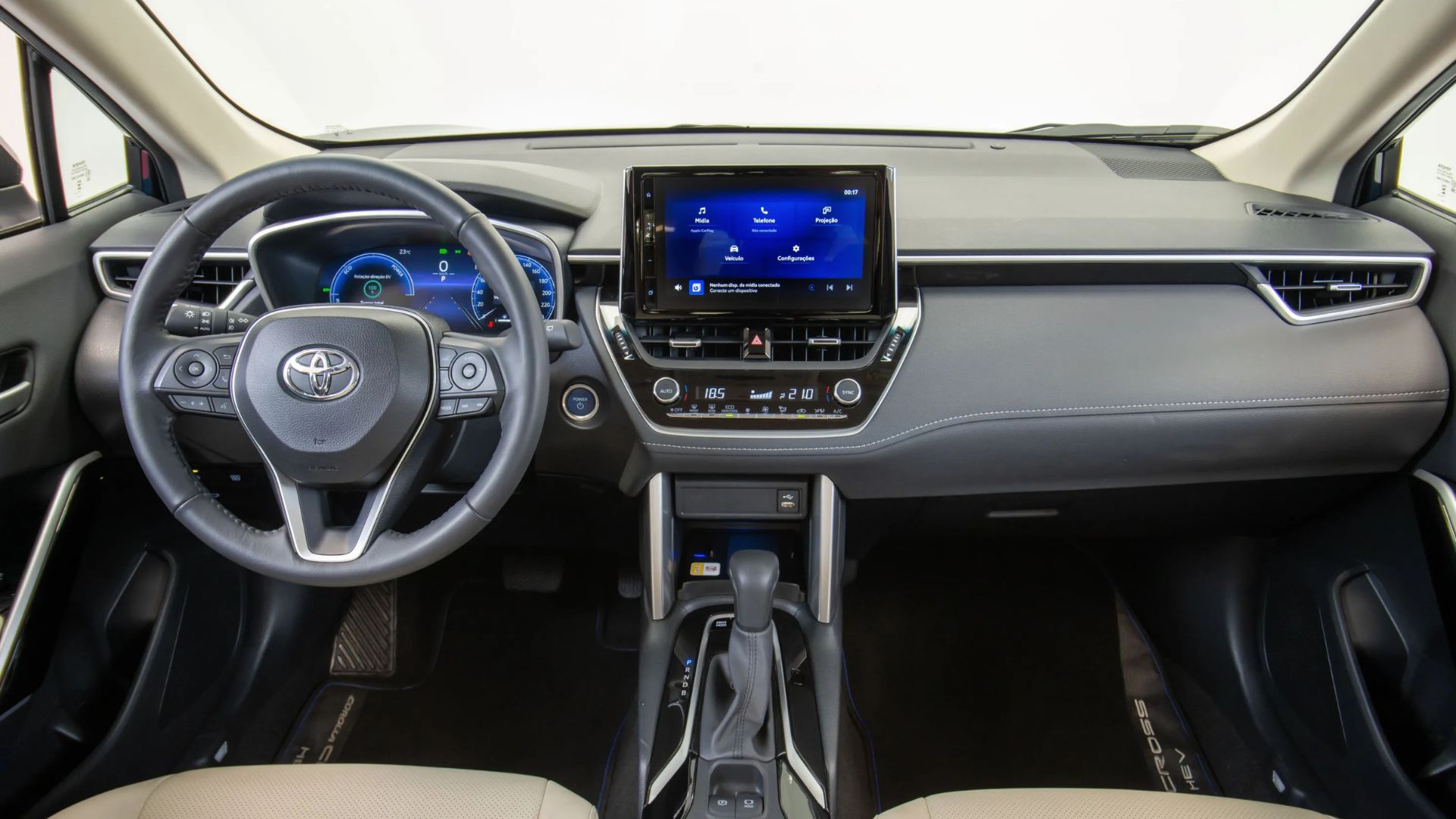
With 122 hp, fuel consumption of up to 17.7 km/l, and a trunk capacity of 440 liters, this hybrid SUV impresses even though it costs up to R$ 47,000 more than the Yaris — meet the Toyota Corolla Cross.

It delivered an average of 145 to 150 hp and torque close to 19 kgfm, with manual or four-speed automatic transmission in some older versions.
The focus was never on sportiness, but rather on mechanical durability and low maintenance cost. Owners of the model in Europe reported the ease of driving hundreds of thousands of kilometers without major issues, something that fits perfectly into Toyota’s DNA, known worldwide for building “unbreakable” cars.
Balanced Fuel Consumption and Travel Range
Another noteworthy point was its fuel consumption. For a mid-size sedan weighing over 1.4 tons, the Avensis had competitive averages: it achieved up to 12 km/l on highways and about 9 km/l in urban cycles.
With a 60-liter tank, this translated to a range of over 720 km on the highway, a number that still impresses today. This efficiency combined with a robust engine made it ideal for those seeking comfort without sacrificing economy on long trips.
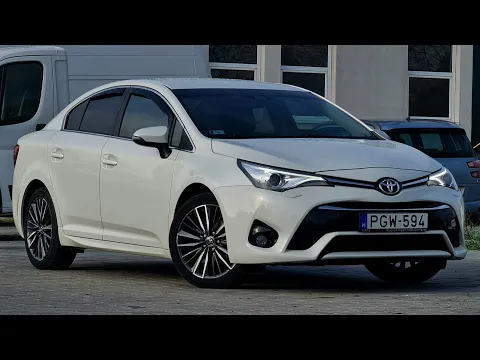

The Avensis was classified as a mid-large sedan, with generous dimensions:
- Length: about 4.60 meters
- Wheelbase: 2.70 meters
- Trunk: over 500 liters
These numbers ensured excellent interior space for five adults and a luggage capacity above average. In the European market, the Avensis was seen as a more refined and spacious alternative to the Corolla, occupying the tier just below the Camry.
In Brazil, this configuration would have pleased families and executives looking for comfort for long journeys and daily use without resorting to premium models from German brands.
Equipment and Technology of the Time
Although not a luxury sedan, the Avensis came with a quite complete list of features for its time:
- Digital dual-zone automatic air conditioning
- Leather seats in higher-end versions
- Front and side airbags
- ABS brakes with EBD
- Cruise control
- High-quality sound system with CD player and multiple speakers
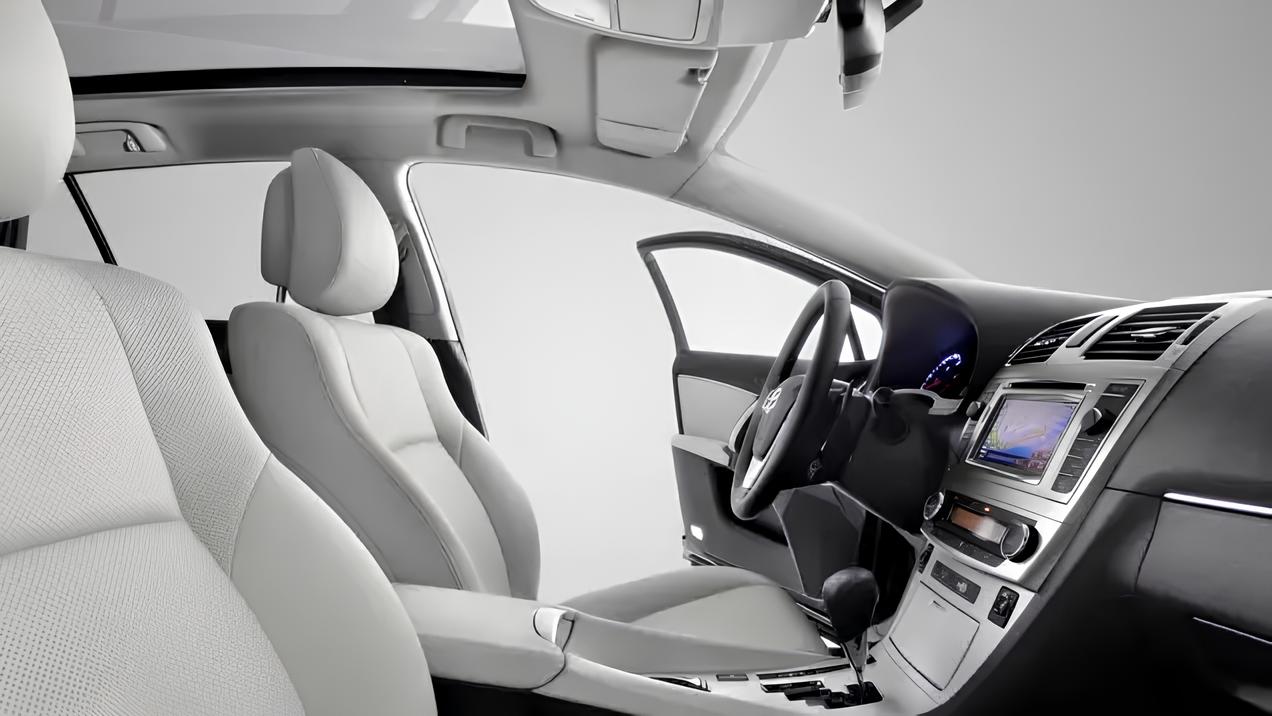
These items reinforced the proposal of being a comfortable and tech-savvy car, albeit without the price excesses of premium models.
Why the Avensis Never Took Off in Brazil?
Despite its many attributes, the Avensis did not gain significant penetration in the national market. Among the main factors are:
Confused positioning: in Brazil, the Corolla already fulfilled the role of a mid-size sedan, and the Camry represented the higher tier. The Avensis sat in a kind of limbo between the two.
Limited importation: since the car was produced in Europe, the import costs made its price less competitive against local rivals and the Corolla itself.
Lack of promotion: Toyota never invested in strong campaigns for the Avensis in Brazil, leaving it practically unknown to the general public.
Closed market: Brazilians have always had a greater appeal for SUVs and pickups, in addition to the Corolla, which was already the sales leader. The Avensis had no space to compete.
A Rare Toyota That Left a Legacy
Although it never took off here, the Avensis left its mark as one of the most reliable mid-size sedans from Toyota. In Europe, it was seen as a weighty rival to the Volkswagen Passat, Opel Vectra, and Ford Mondeo, always praised for its mechanical robustness and interior space.
In Brazil, had it received more attention, it could have positioned itself as an interesting alternative for those seeking something larger than the Corolla, but more affordable than the Camry. Today, it is remembered only by enthusiasts and collectors, becoming a rare and curious Toyota for those who enjoy discovering automotive stories that were sidelined from the mainstream market.
The Sedan That Could Have Made History
The Toyota Avensis was a complete car for its time: reliable 2.0 engine, fuel consumption of up to 12 km/l, 720 km range, mid-size European sedan interior space, and quality finish. However, due to market choices and commercial strategies, it ended up being an illustrious unknown in Brazil.
If it had received more investment, perhaps today it would be remembered alongside the Corolla as one of Toyota’s great successes here. For those who appreciate different cars and enjoy models outside the ordinary, the Avensis remains one of those examples of “missed opportunity” in the national market.









Como vinga algo que nunca foi apresentado? Não faz nenhum sentido! É como falar que nunca vingou meu relacionamento com a Paola oliveira… Embora nunca tenhamos nos visto pessoalmente…
Nunca vingou nada, nunca veio para o Brasil.