





 Portuguese
  English
  Spanish
  3 min of reading


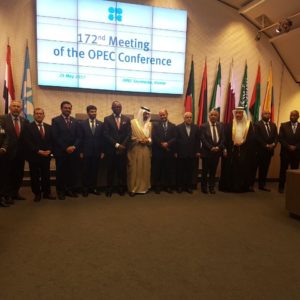
World Stocks Rise Despite U.S. Sanctions Against Iran and Venezuela, Cuts May Be Needed in Production During the Second Half of 2019, Says Saudi Arabia.
The Organization of the Petroleum Exporting Countries (OPEC) and a group of ten other producing nations, led by Russia, have deepened their production cuts but remain divided on whether this reduction should remain in effect until the end of the year. Futures contracts for crude oil remained virtually stable during Tuesday morning’s trading in Asia after the OPEC meeting left the market with little clarity on whether the OPEC-led cuts would extend beyond the second half of 2019.
The U.S. has significantly increased its own oil exports in recent months while imposing sanctions on Venezuela and Iran to reduce adversaries’ exports to global markets. Washington’s policies have introduced a new level of uncertainty for OPEC as the organization struggles to forecast the global balance between supply and demand.
-
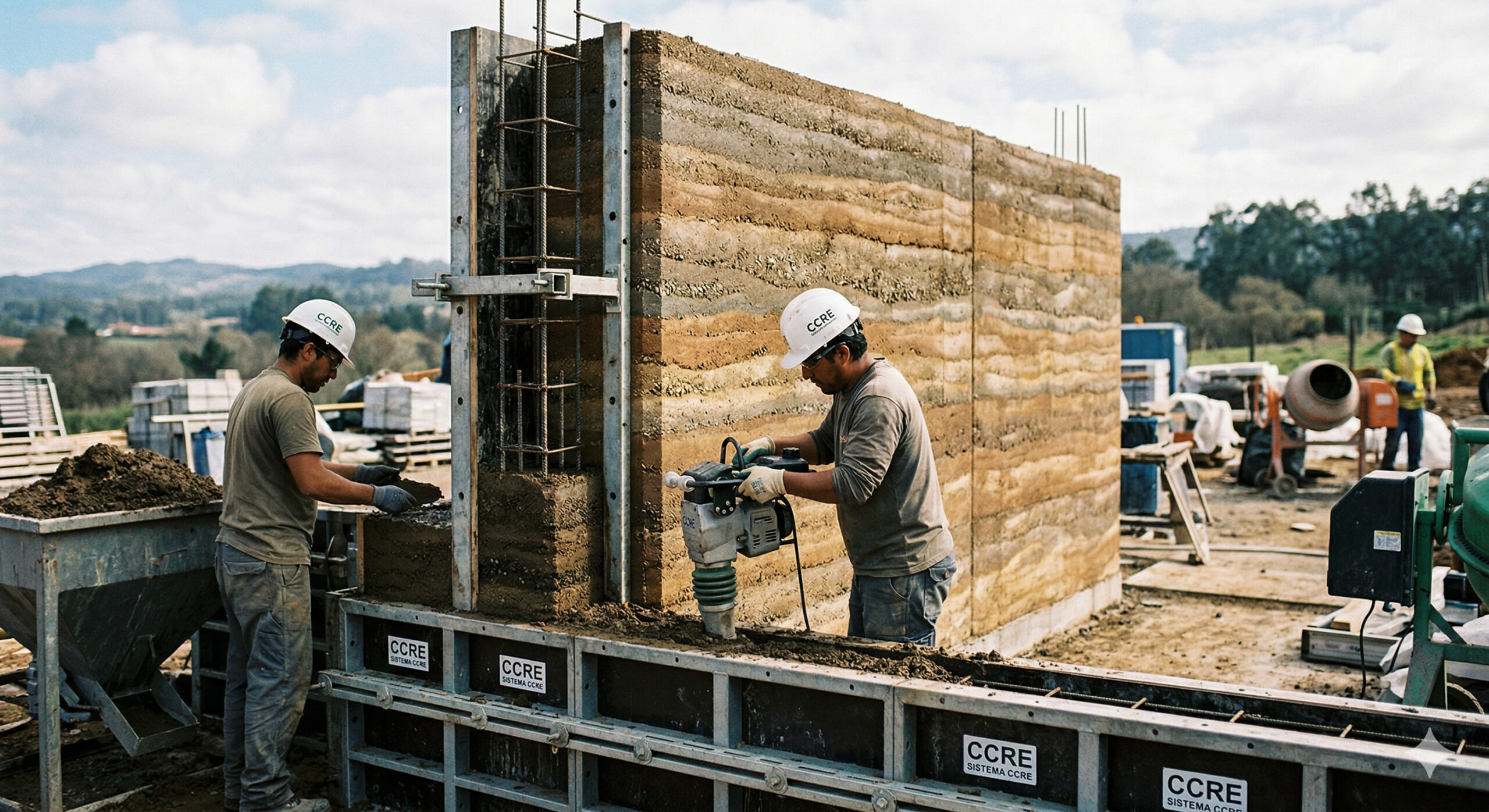
Without cement, without steel, and using only earth and recycled cardboard, engineers have created a construction system that drastically reduces carbon emissions and could change the way houses are built around the world.
-
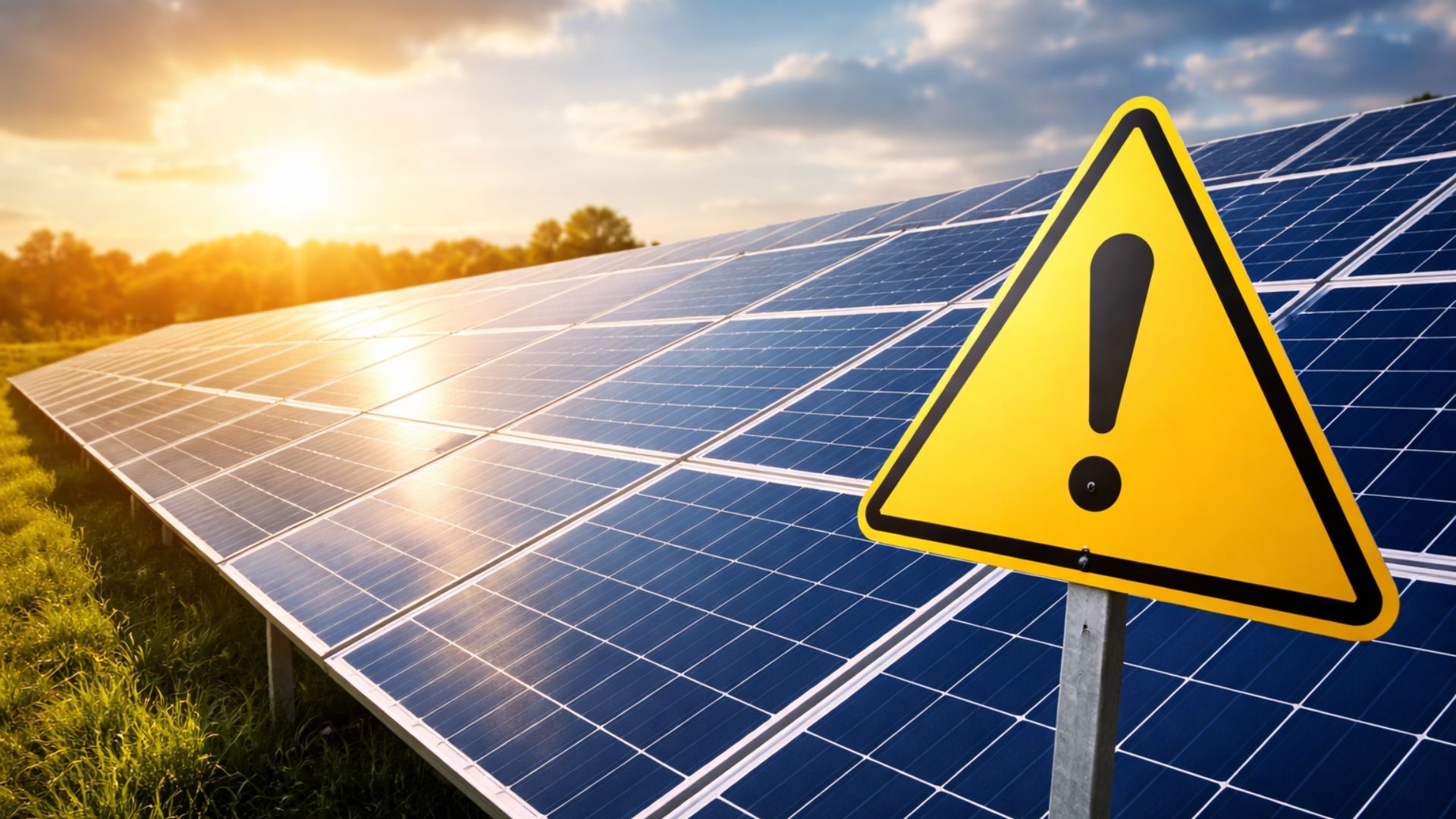
Alert in the electric sector: excess solar energy triggers overload in the Brazilian electrical system, forces the operator to shut down power plants, and exposes an unexpected risk that could affect stability and energy costs.
-
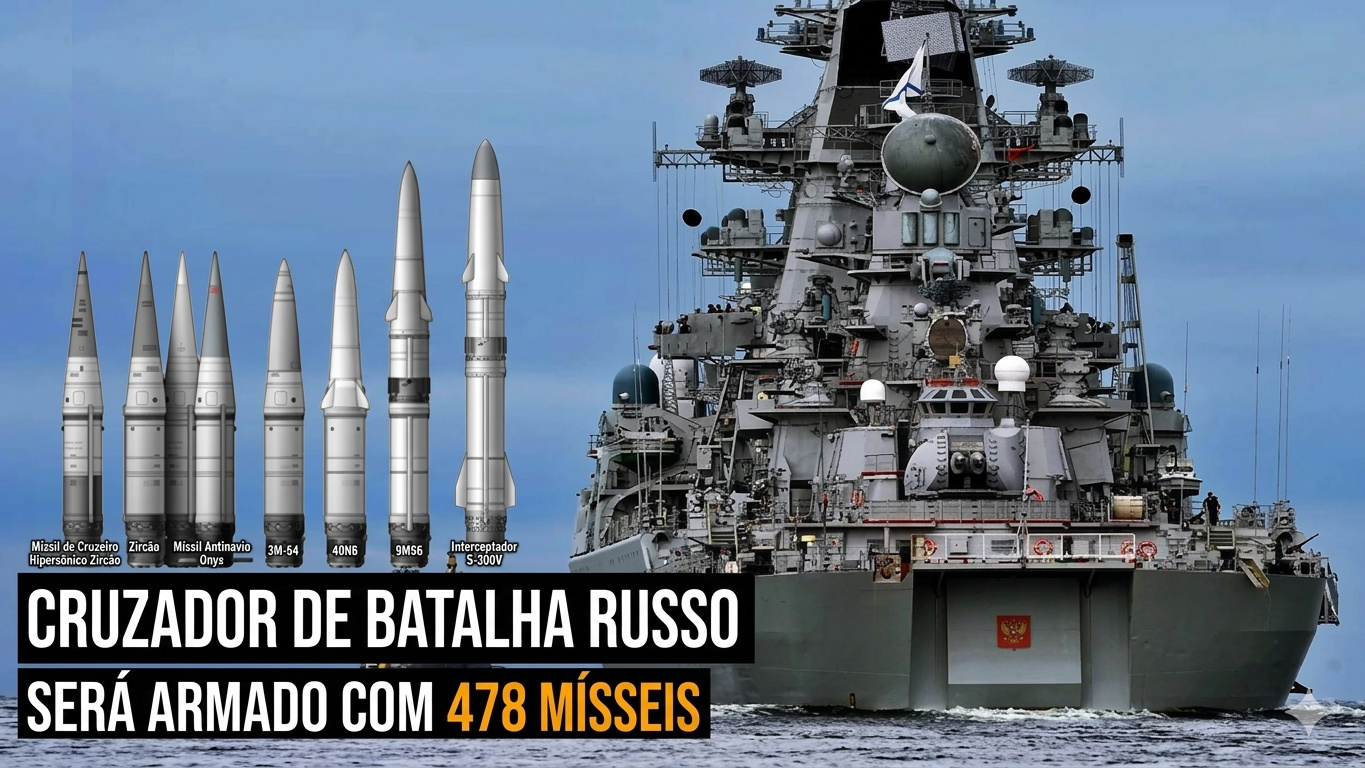
Russia spent $5 billion and 28 years modernizing a nuclear warship that had been inactive since 1997. The Admiral Nakhimov returned to the sea in August 2025 as the heaviest surface combat ship in the world, with 176 missile launchers, including hypersonic Zircon missiles.
-
James Webb finds 300 galaxies with mysterious scars, and this discovery may show that the universe was born much more violently than astronomers had imagined.


The next meeting of the Organization of the Petroleum Exporting Countries to decide production policies will be in April and June. Based on this statement, Russian Energy Minister Alexander Novak said that Russia is close to cutting production by 140,000 barrels per day, and the reduction in its production may last until June, when Washington’s plans regarding Iran and Venezuela become clear.
Novak also stated that it is difficult for Moscow and OPEC to plan due to U.S. sanctions. He mentioned that there will be little additional information until the April meeting, as Washington will not have announced its new policies on Iranian oil yet, and more negotiations will be necessary in May.
“These sanctions are creating negative trends in the market and completely distorting supply and demand. They are imposed to help sell goods from the country that is imposing them, and they create uncertainties,” he stated.
The Saudi Energy Minister, Khalid alFalih, said that Saudi exports will remain below 7 million barrels per day in April and March.
“My assessment is that the work remains ahead of us. We are still seeing increases in stocks. We need to stay on track certainly until June,” Falih said.
“We want to be ready to continue monitoring supply and demand and do what we have to do in the second half,” Al Falih said during a meeting of some OPEC ministers in the Azerbaijani capital, Baku.
OPEC and its allies have cut production by 1.2 million barrels per day—or 1.2 percent of global demand—since January to rebalance the global oil market and raise prices.
The U.S. has imposed tough sanctions on Iran, the third-largest producer in OPEC, but has granted some waivers for buyers of Iranian oil until May.
Washington is also trying to overthrow the current president of Venezuela, Nicolás Maduro, and has imposed sanctions on the South American nation’s oil.
EQUINOR AND AÇU SIGN CONTRACT, CLICK HERE TO STAY ON TOP OF EVERYTHING!








Seja o primeiro a reagir!