





 English
  Francês
  Alemão
  Italiano
  Japonês
  Norueguês
  Portuguese
  Spanish
  4 min of reading


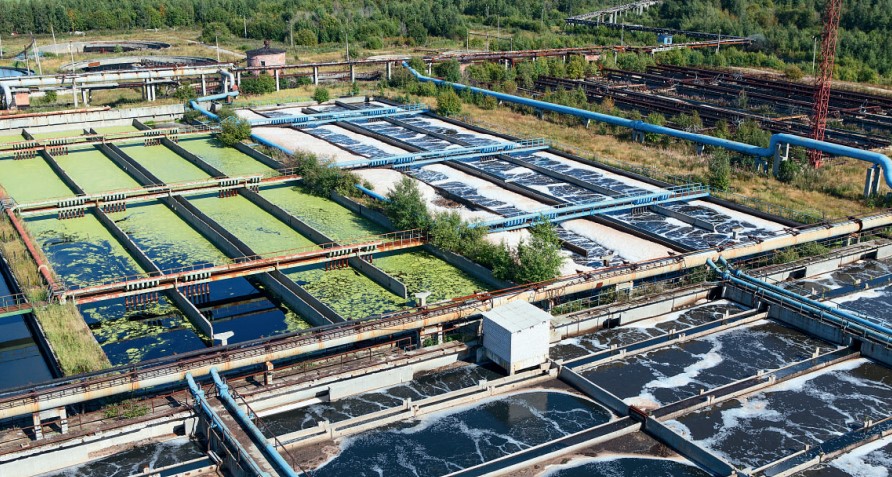
Depending on the Industrial Sector in Which Water Is Needed in the Process, There Are 8 Main Treatment Methods Today Allied to Technology
Never has society valued water as much as during this prolonged drought. But many are unaware of the techniques involved in its treatment in the industrial context, in order to make the most of every drop and return this precious resource back to the production chain.
Also Read
- Million-Dollar Project – Cosern, a Neoenergia company, opens a public call for energy efficiency projects for industrial areas, commerce and services, residential, and public buildings
- With a 118% increase, solar energy generation has 400 thousand consumers in Brazil, according to Absolar
- Brazilian oil company PetroRio sells its entire stake in the Manati natural gas field in Bahia
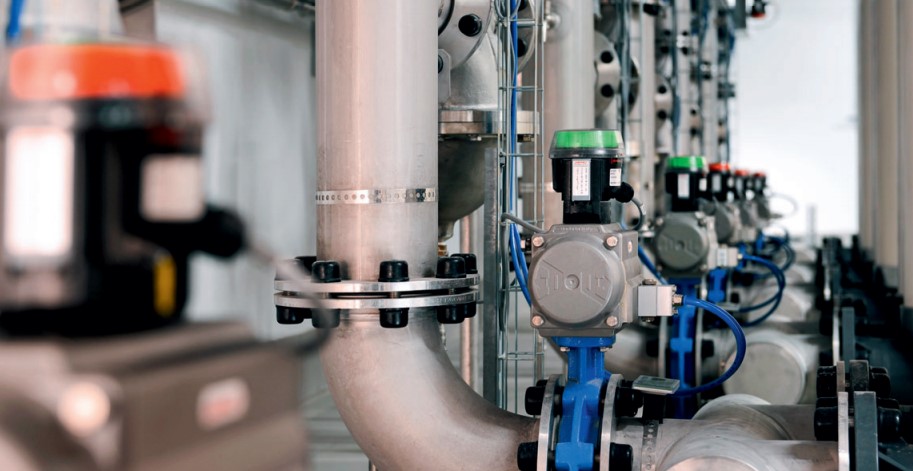
The fact is that each manufacturing unit requires different water applications, with very specific requirements, for example, regarding the equipment used for cooling or in the form of steam. These need to be well defined to provide an adequate configuration and ensure the correct choice, for example, of the system valves, with customized dimensions for the operating parameters (pressure, temperature, and fluid).
From my experience with these equipment, I would like to highlight below the main water treatment situations currently allowed by technology.
-
Historic bankruptcy of Centauro shocks the market, and the century-old company puts more than 500,000 products, machines, and complete infrastructure up for online auction.

-
Abandoned house for 15 years disappears in the woods, shocks owner with unrecognizable scenery and is reborn in an intense transformation after almost 90 hours of work in just 10 days.
-
In just three hours, a natural stone floor transforms the entrance of the house with an organic effect, immediate drainage, and a sophisticated non-slip finish that doesn’t puddle water, dries quickly, and impresses with the final result.
-
‘Interlocking brick’ made of earth arrives in the construction industry with cost reductions of up to 40% on the project.



Potable Water
Generally recovered from groundwater, it requires different actions to be effectively considered potable. The main measures include the precipitation or flocculation of suspended particles; absorption of dissolved organic substances using activated carbon; ultrafiltration; sterilization with the addition of chlorine or through UV light radiation, among others. Below, I list some of these cleaning techniques:
*Ultrafiltration
The water to be treated is conducted with reduced pressure (< 1 bar) through membranes with pores of approximately 0.01 μm. In addition to retaining tiny solid substances, opacities, pollen, and bacteria, it also partially retains viruses. Only water, soluble ingredients like hardeners or mineral substances, and smaller molecules pass through the membrane.
*Ion Exchange
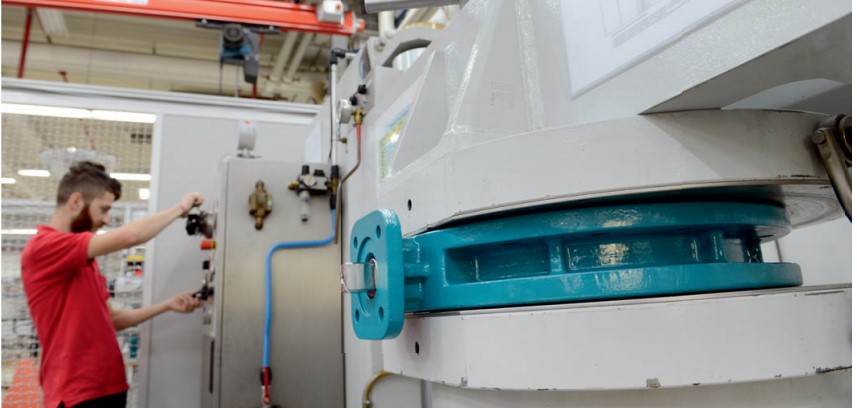
In certain regions, groundwater may contain high concentrations of alkaline-earth ions, various types of carbonic acid, and sulfates. For partial demineralization, potable water passes through the mixed bed of the ion exchange system, reducing levels of nitrate, sulfate, chloride, bicarbonate (HCO3-), and the hardness agents calcium and magnesium. The carbonic acid formed by the reaction of these products can be removed in a purified water tower downstream. In this case, butterfly valves are the most suitable.
*Ultraviolet Disinfection
Before reaching homes, water may still undergo disinfection through UVC radiation, a physical process in which microorganisms still present in the water are neutralized, preventing their proliferation.
In addition to the treatment of potable water, there are other qualities of water to be treated in the industrial context:
Industrial Wastewater
This is a very complex treatment, as each wastewater has its own characteristic, and the final product also has specific determinations. To customize the desired outcome, versatile valves and process controllers are required to provide individual service to the operating fluid and the entire process.
Recovery of Process Water
Whether to feed boilers for steam production, cool power plants, or as a basic liquid in the pharmaceutical industry, for water to be used in the industry, it needs to be distributed, blocked, and dosed. For this, complex multi-way valves or block valves are used.
Recovery of Purified and High-Purity Water
The purity of process fluids is crucial in many segments to achieve the necessary quality of the final product. In the semiconductor industry, for example, the preparation of high-purity water of the best quality is a competitive advantage. And to achieve the required quality, the system components must also meet certain requirements. Here, I recommend using durable equipment made with fluoropolymers.
Desalination of Seawater
Finally, this technique will need to meet a demand in the coming decades, not only in industrial countries, due to the increasing scarcity of water. One efficient method is the recovery of potable water through desalination of seawater.
*Mateus Souza is the General Sales Manager for the Industrial Sector at GEMÜ Valves, Measurement and Control Systems for the Energy and Industry sectors.










Seja o primeiro a reagir!