





 Portuguese
  English
  Spanish
 5 min of reading
  11 comments


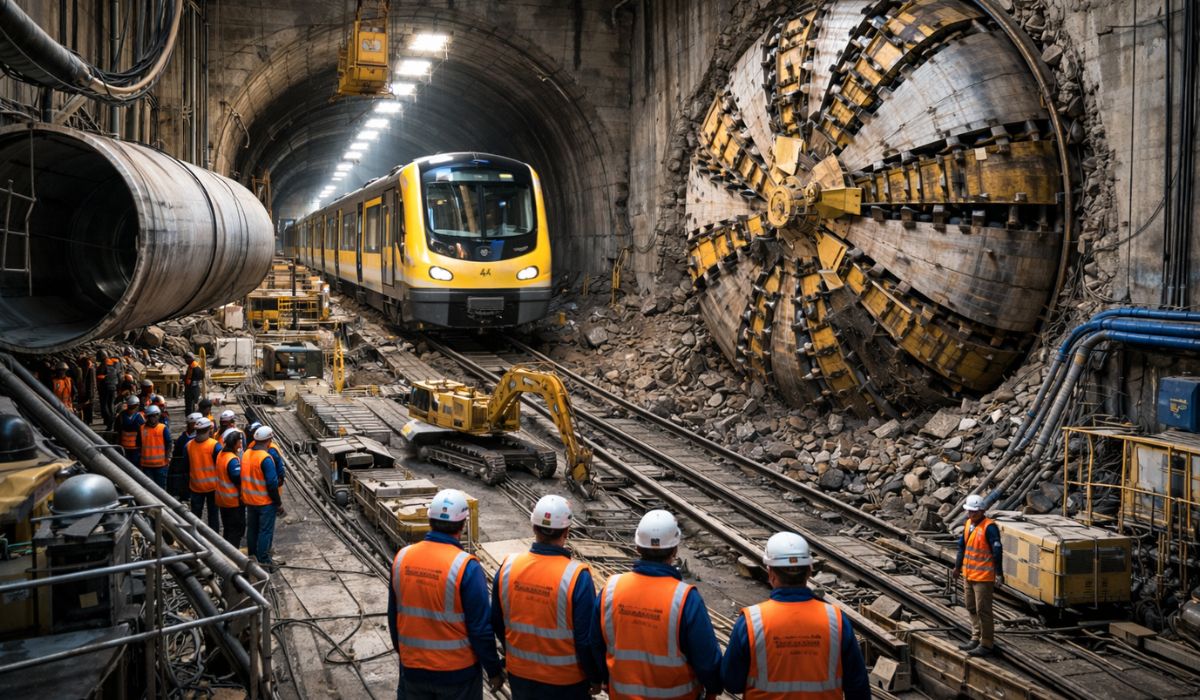


Expansion of Line 4-Yellow Is Expected to Start Excavations in 2026 and Extend the Subway to Taboão da Serra, with Two New Stations and Integration with Buses, in a Billion-Dollar Project That Still Raises Questions About Technical Details.
The expansion of the Yellow Line 4 of the subway, on the stretch between Vila Sônia station and the municipality of Taboão da Serra, is set to enter a new phase in February 2026, with the expected start of tunnel excavations.
The project is estimated to have an investment of R$ 3.2 billion and will add 3.3 kilometers to the line, which currently ends in the western zone of the capital.
The forecast was mentioned by the state secretary of Partnerships in Investments, Rafael Benini, during a public event in the São Paulo capital.
-
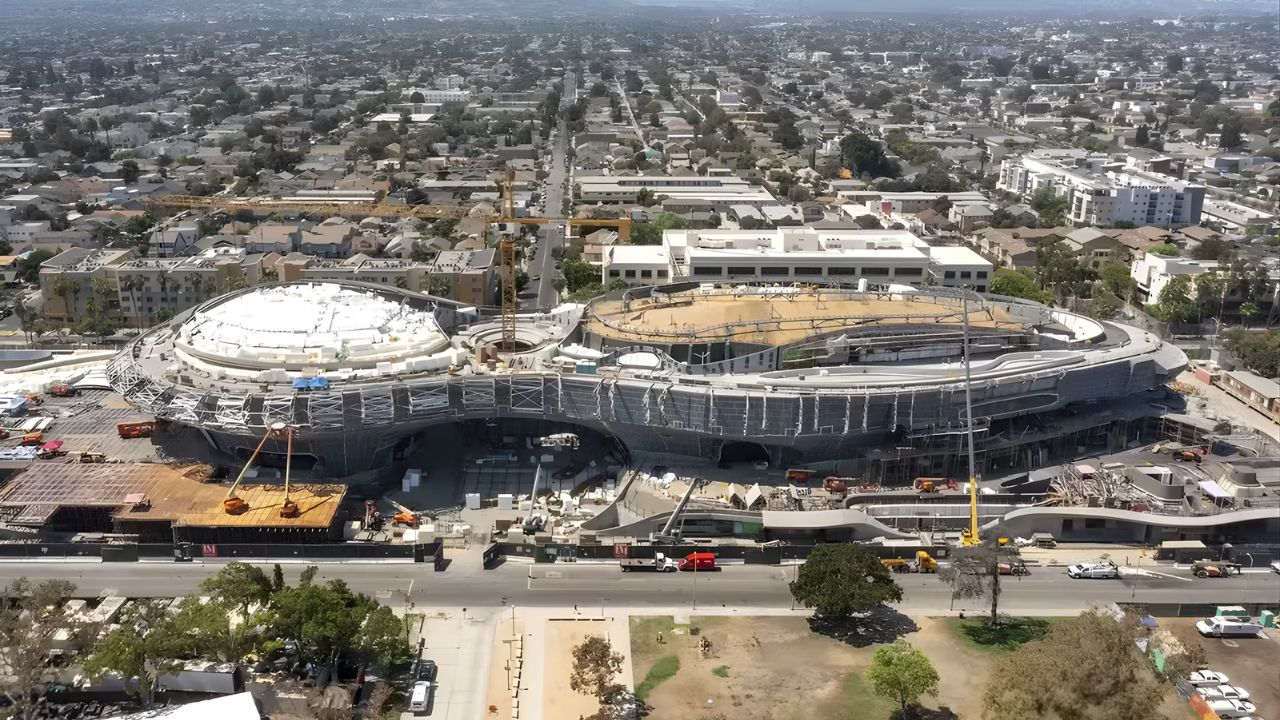
Created by George Lucas with over $1 billion, a futuristic museum in the shape of a spaceship with 1,500 curved panels is about to open in Los Angeles and will house one of the largest private collections of narrative art in the world.
-
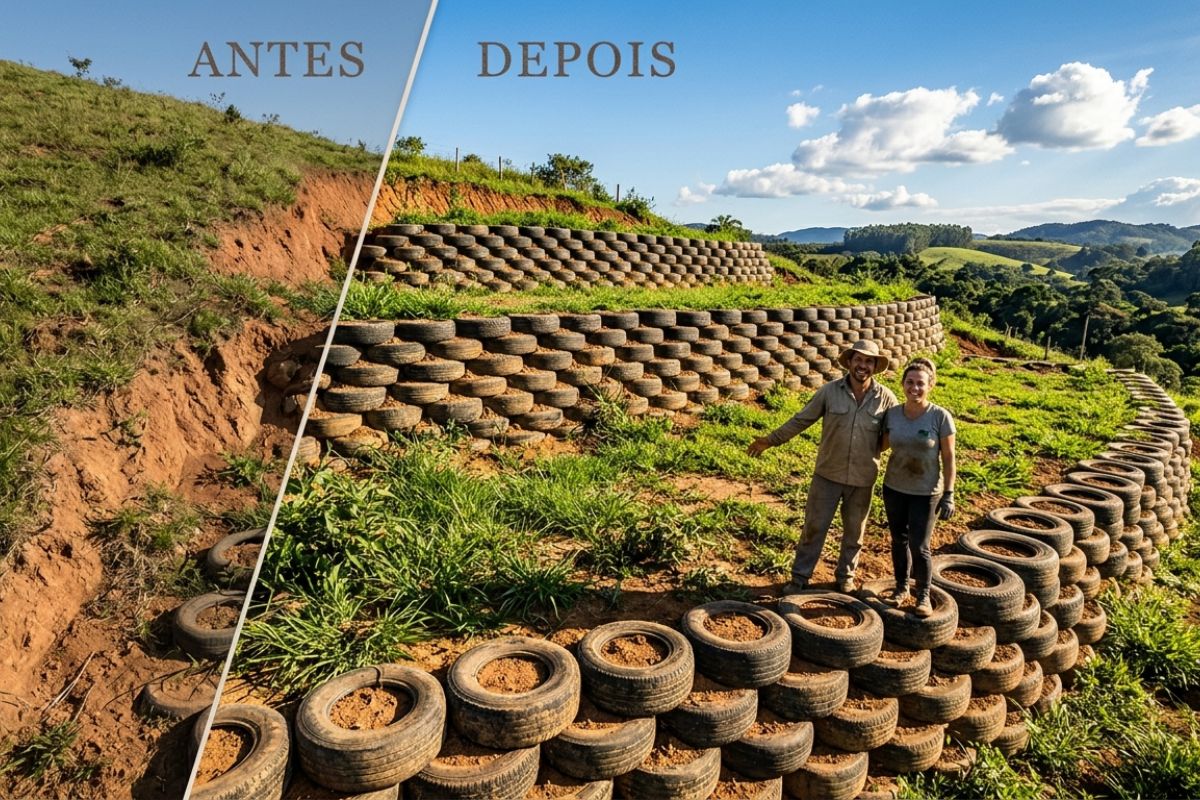
Couple shows how they built a retaining wall on their property using 400 old tires: sloped land turned into plateaus, tires are aligned, filled, and compacted with layers of soil, with grass helping in support and at almost zero cost.
-
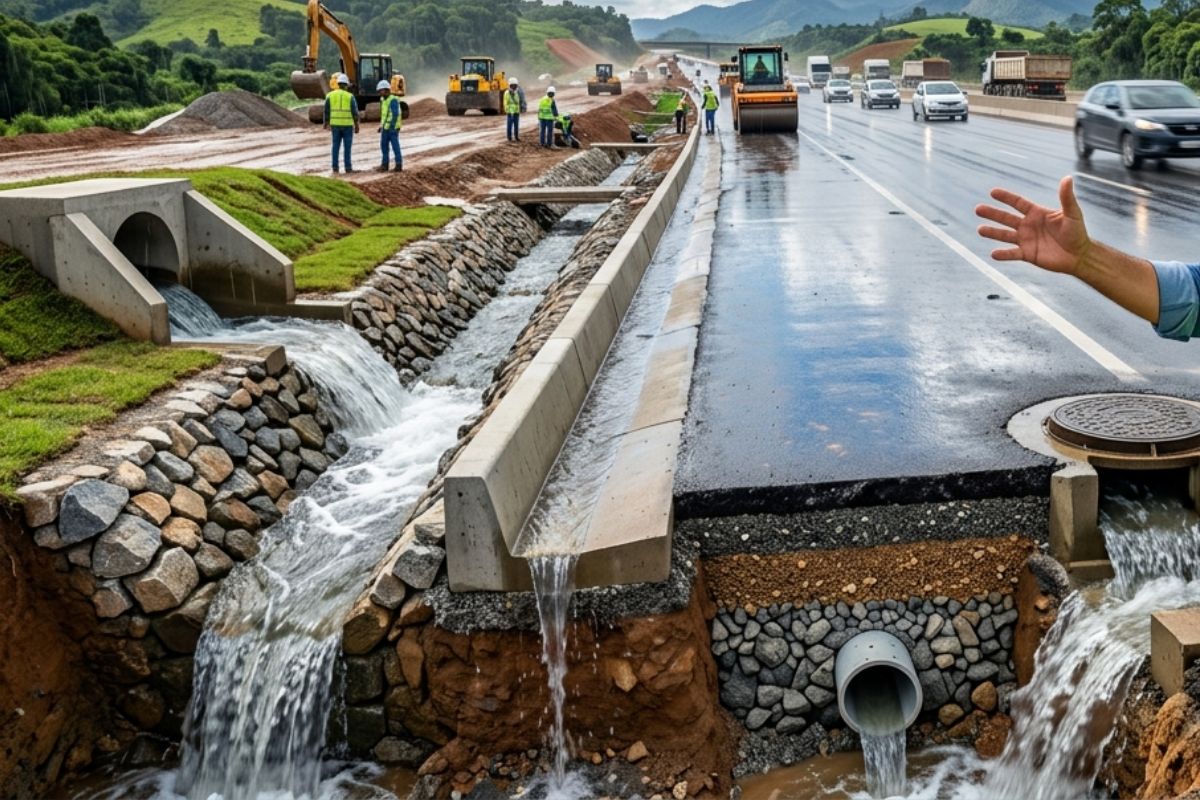
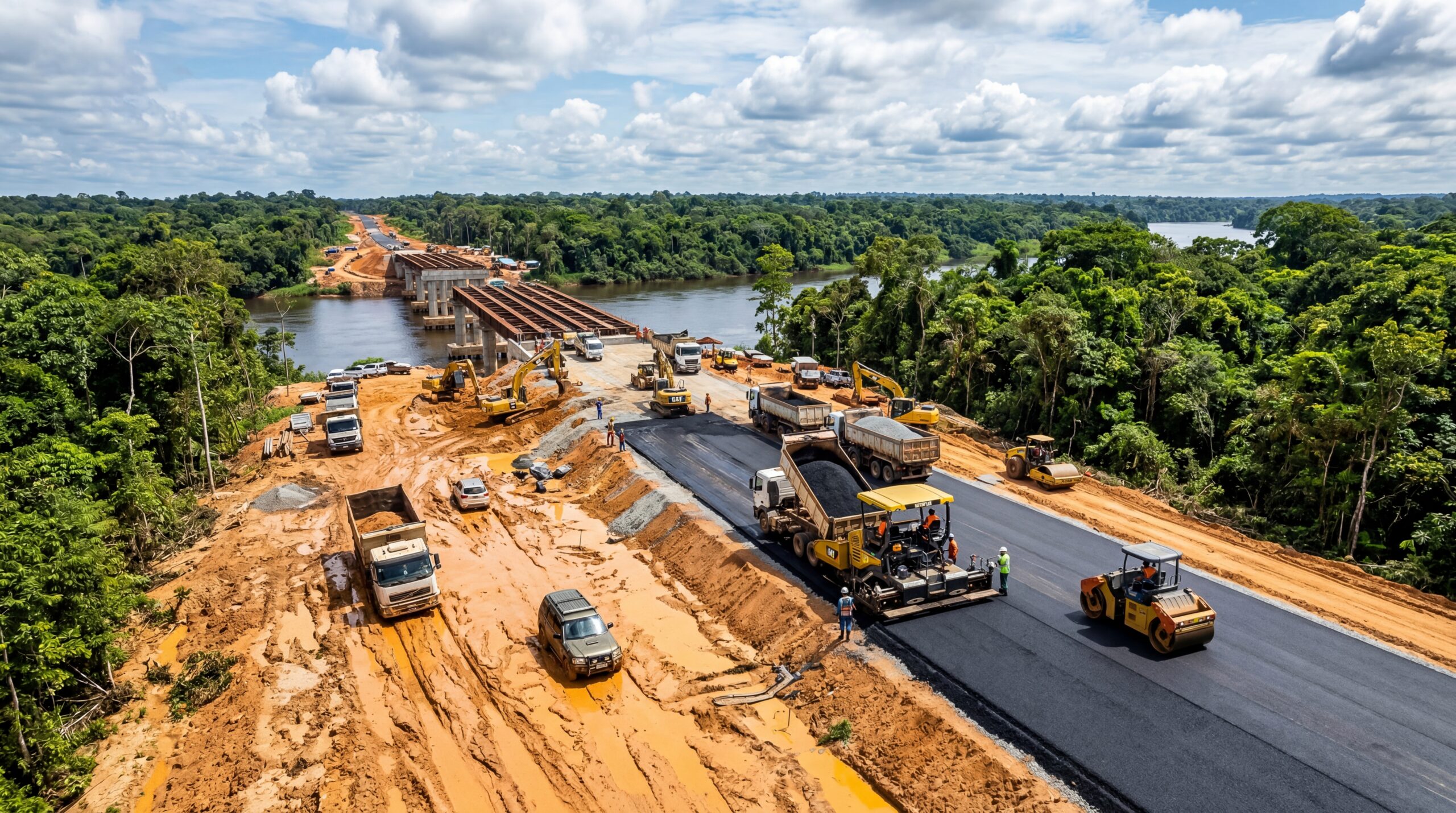
Engineer explains drainage during the rainy season: the difference between surface water and deep water, ditches, gutters, and water outlets on the road, as well as drains and drainage mattresses, to prevent erosion, aquaplaning, and flooding at the construction site today.
-
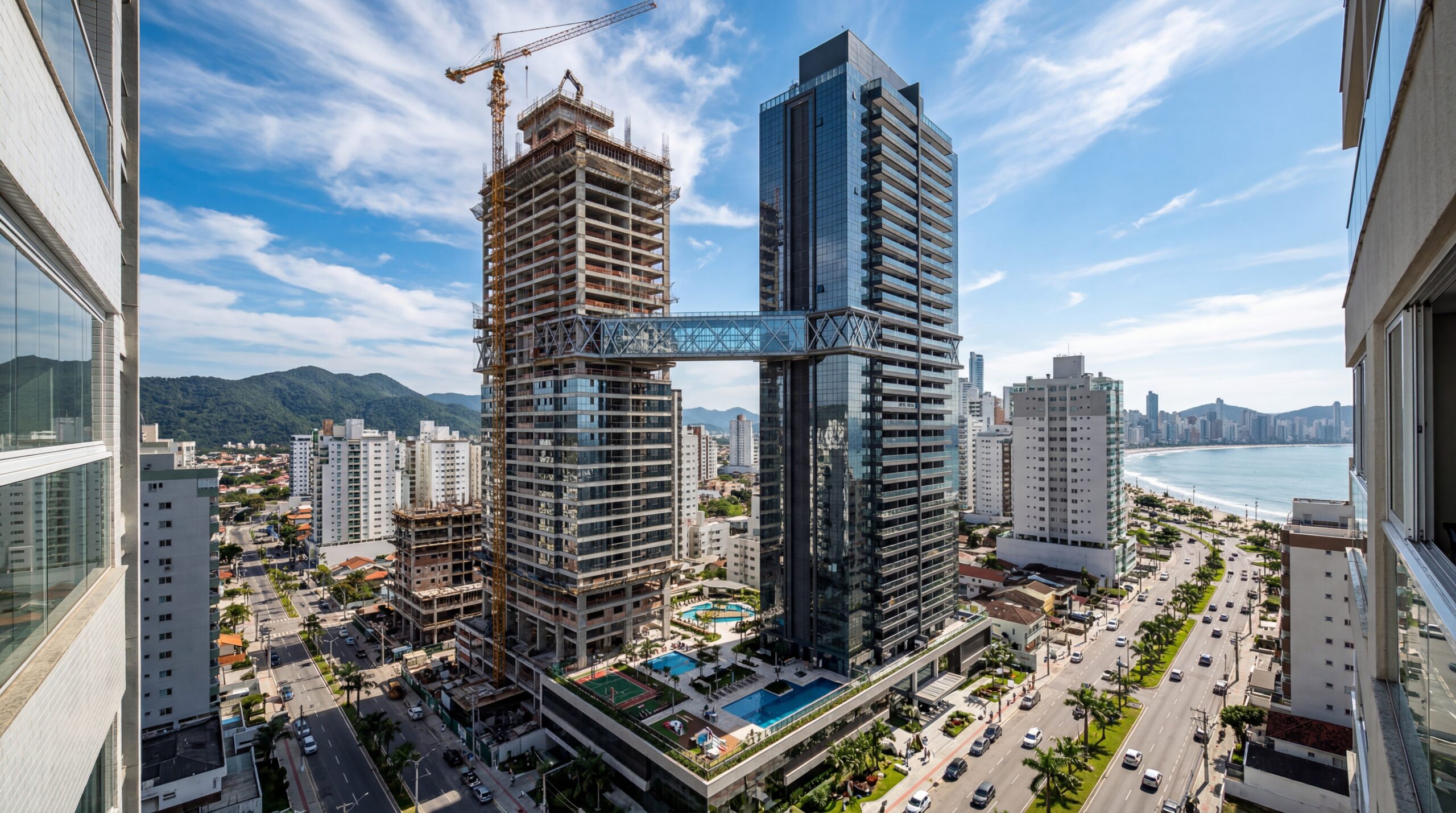
With 55 floors, 177 meters in height, a 15-meter walkway between the twin towers, ventilated facade, and 6,300 m² of leisure space, Ápice Towers already has one tower completed and another nearly at the top.

On the occasion, he stated that the tunnel excavations will begin in February, after months of site preparations.
Addendum and Role of ViaQuatro in Line 4-Yellow
The project was formalized through an addendum involving the State Government and the concessionaire ViaQuatro, responsible for the operation of Line 4-Yellow.
The expansion is treated by the government as part of the strategy to increase the supply of rail transport in the western axis of the Metropolitan Area.

The new stretch will be fully underground, according to the information released about the project.
The planned extension is 3.3 kilometers from Vila Sônia, with the implementation of infrastructure associated with the subway system operation.
New Stations Chácara do Jockey and Taboão da Serra
What Is Planned in the Expansion of Line 4-Yellow
The expansion includes two new stations along the route.
The first is the future Chácara do Jockey, still in the city of São Paulo, and the second is the Taboão da Serra station, already outside the capital’s limits.
The arrival of the subway in Taboão da Serra is associated with the implementation of an integration terminal with bus lines, as described in the project materials and public statements.
The aim is to allow connection with municipal and intermunicipal transport, without requiring users to go to more central neighborhoods to access the subway system.
In addition to the stations, the announced scope involves typical structures of an underground expansion, such as ventilation shafts, emergency exits, and electrical and operational installations.
Details about the exact location and internal configuration of the stops appear in documents and presentations related to the project.
Investment of R$ 3.2 Billion and Financing from the Government of SP
What It Costs and How the Financing Was Described
The base text circulating about the project mentions an investment of R$ 3.2 billion.
In previous official statements and reports about the contractual addendum, there is also a reference to a package estimated at around R$ 4 billion, which includes items beyond civil works, such as the acquisition of trains.
In these same publications, the state government is pointed out as being responsible for the largest share of the financial contribution.
On the other hand, ViaQuatro is linked to the obligations and investments outlined in the concession contract and adjustments made with the public authorities.

The precise division by items and stages varies depending on the scope adopted in each announcement.
Therefore, when the subject is the exact amount allocated to each component, consulted sources usually present estimates and ranges associated with works, systems, and complementary items.
Executing Consortium and Site Preparation Before Excavations
Who Is Executing and What Happened Before the Excavations
The implementation of the stretch involves a company and consortium identified in industry reports as responsible for the execution.
The ViaQuatro, which operates Line 4-Yellow, participates in the project as a concessionaire linked to the contract underlying the expansion.
So far, the announced work fronts have focused on mobilization and site preparation.
This stage includes actions such as the installation of support structures, logistics organization, and initial measures necessary before more in-depth interventions in the subsoil.
With the start of excavations, the project enters the phase where the tunnels begin to be effectively opened.
The progress of this type of service usually follows engineering and safety technical criteria, with permanent monitoring, according to usual practices in underground works in densely urbanized areas.
Deadline of 64 Months and Estimated Delivery Early Next Decade
Deadlines and the Delivery Horizon Mentioned in Publications
The contractual deadline mentioned in texts about the expansion is up to 64 months.
With this timeline, the delivery would be set for the beginning of the next decade, depending on the progress of stages and execution according to the contract.
In recent publications, the projected inauguration appears as an estimate for 2031.
Since this is a horizon of several years, the schedule may undergo revisions along the way, according to contract management and public works procedures.
Today, Line 4-Yellow has 11 stations in operation between Luz and Vila Sônia.
Texts about the expansion indicate that, with the arrival in Taboão da Serra, the line would have 13 stations and would extend the total length, maintaining connections to important integration points in the system.
Bus Terminal and Impacts Around Avenida Francisco Morato
Integration with Buses and the Surroundings of Future Stations
The integrated terminal in Taboão da Serra is presented as a key element of the project to organize passenger distribution.
The described intention is to connect the subway to bus lines that are already part of the daily commute between Taboão, neighborhoods in the western zone, and other regions of Greater São Paulo.
On the capital’s side, the future Chácara do Jockey station is associated with the roadway axis of the Avenida Professor Francisco Morato region, where there is already significant bus circulation.
During execution, interventions in urban areas may require temporary adjustments in the surroundings, as occurs in infrastructure works, although the extent and duration of these impacts depend on planning and measures adopted at each stage.
Throughout the project, announcements and documents typically detail accessibility aspects, entry and exit flows, and integration with active modes, such as bike racks and connections with bike lanes.
These items, when confirmed in official versions, often appear as part of the design of stations and terminals.








Projeto original ainda do Metrô previa a V Jussara como estação intermediária entre V Sônia e Taboão. Desapropriação de 6 mil m2. A concessionária mudou para o parque Chácara do Jóquei, excêntrica, com cerca de 12 mil m2 desapropriados e, ainda, colocando um acesso na área verde, do parque. O projeto original parece bem mais adequado. Como explicar??
O meu voto a Tarcísio de Freitas está sendo bem representado , realmente é um grande avanço e de excelência , agora falando de outro assunto , como estão as obras da despoluição do Rio Tietê? Não ouço mais nada a respeito , eu estou morando na região do alto Tietê e o Rio passa próximo da minha casa ( + ou – 1 km ) e o Rio está ainda muito poluído , aguardo resposta muito obrigado 🙏🙏🙏 .
Parabéns para população de São Paulo, retrato de governança com responsabilidade, competência e respeito ao cidadão.