





 Portuguese
  English
  Spanish
  4 min of reading
  2 comments


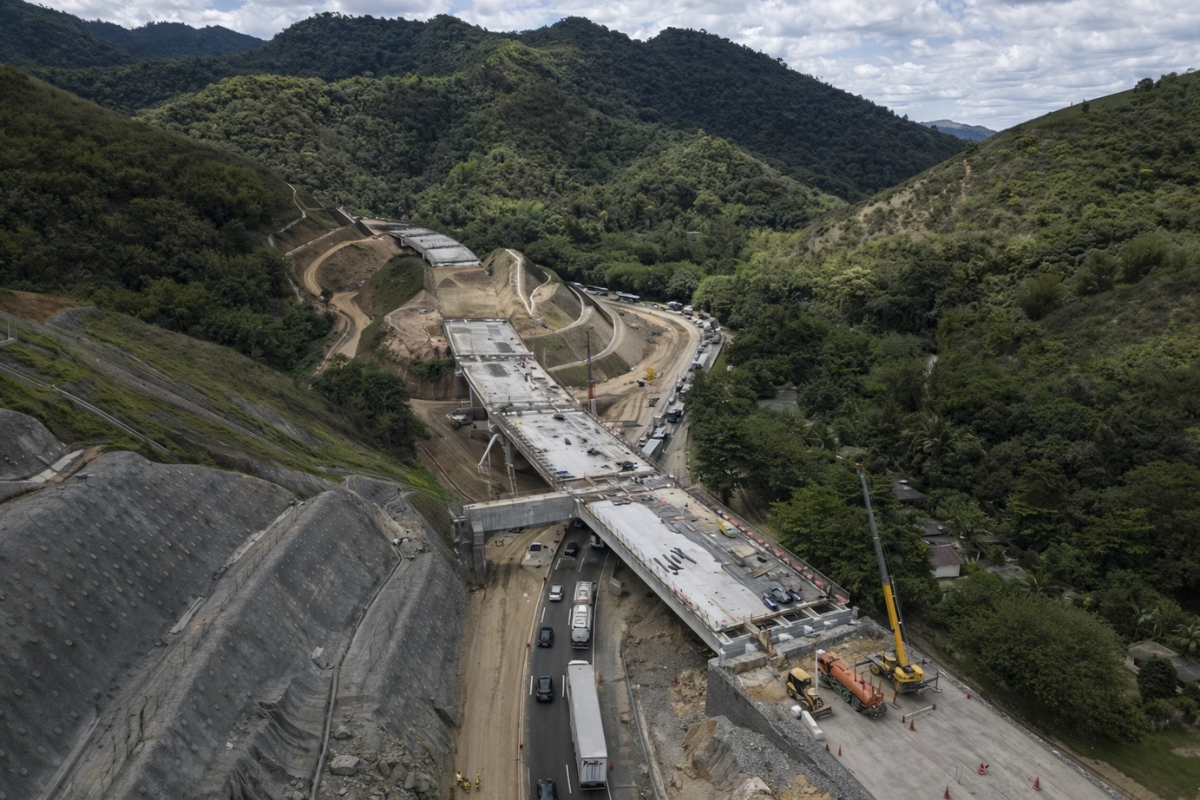


Concessionaire Overhauls Serra das Araras in Rio de Janeiro with 24 Overpasses and Four Lanes in Each Direction to Enhance Safety and Speed Up Dutra
The Serra das Araras, one of the most congested sections of the Presidente Dutra Highway, is undergoing a transformation that could change the dynamics of transport between Rio de Janeiro and São Paulo. The location, known for its sharp curves and old layout, is undergoing a comprehensive restructuring that promises to alter the routine of drivers and truckers.
With half of the works already completed, the project aims for delivery by 2027 and focuses on interventions directly affecting safety, speed, and circulation capacity. The change impacts a roadway corridor that drives a crucial part of the national economy.
Historic Section of Dutra Begins to Lose the Layout that Marked Generations
Inaugurated in 1928, this section of the mountain was designed for a Brazil very different from the current one. Over the decades, the increase in traffic of cars, buses, and trucks has turned the area into one of the main logistical bottlenecks in the country.
-
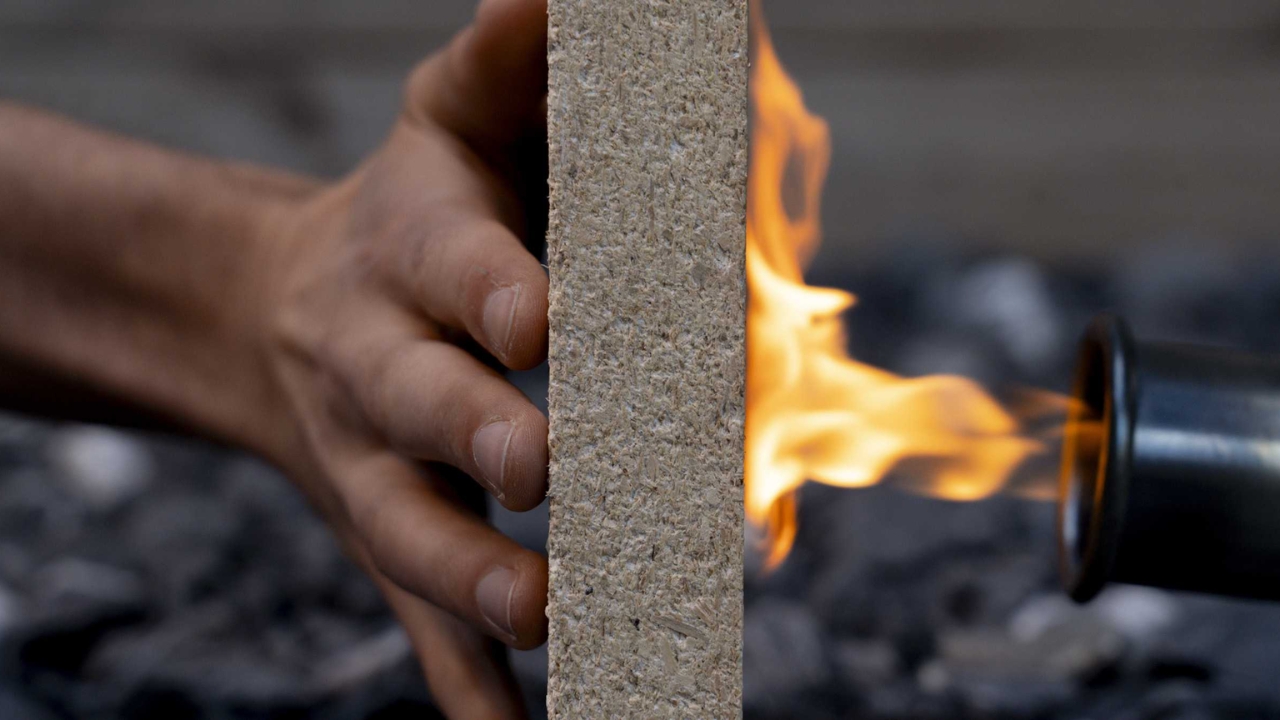
Scientists transform sawdust into fire-resistant panels, stabilize the compound with an enzyme extracted from watermelon seeds, and turn waste into promising material for construction.
-
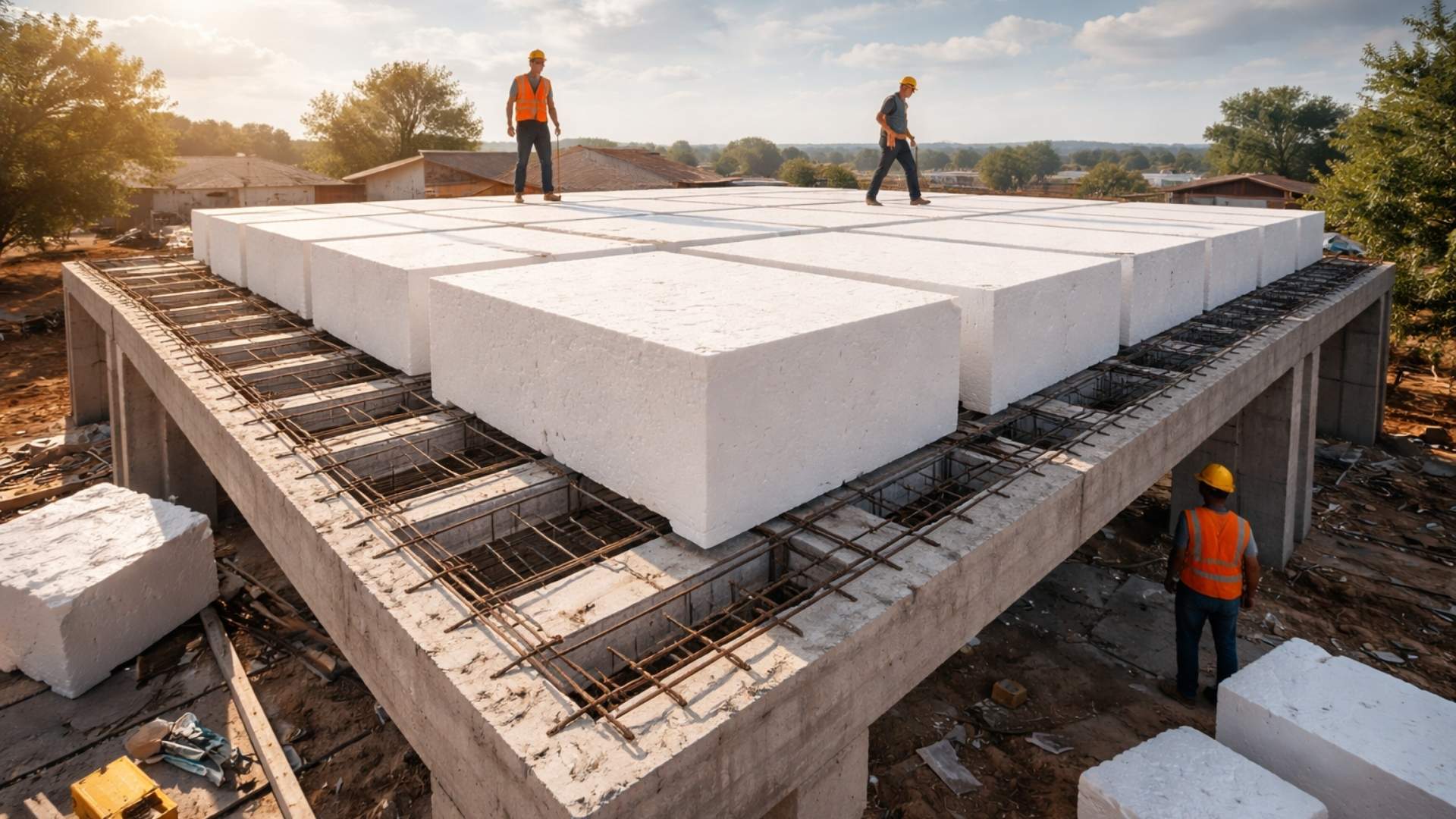
Forget concrete: architects are replacing tons of concrete with giant blocks of expanded polystyrene to build the roofs of houses and reduce structural weight by up to 50%, cut costs, improve thermal insulation, and speed up construction.
-
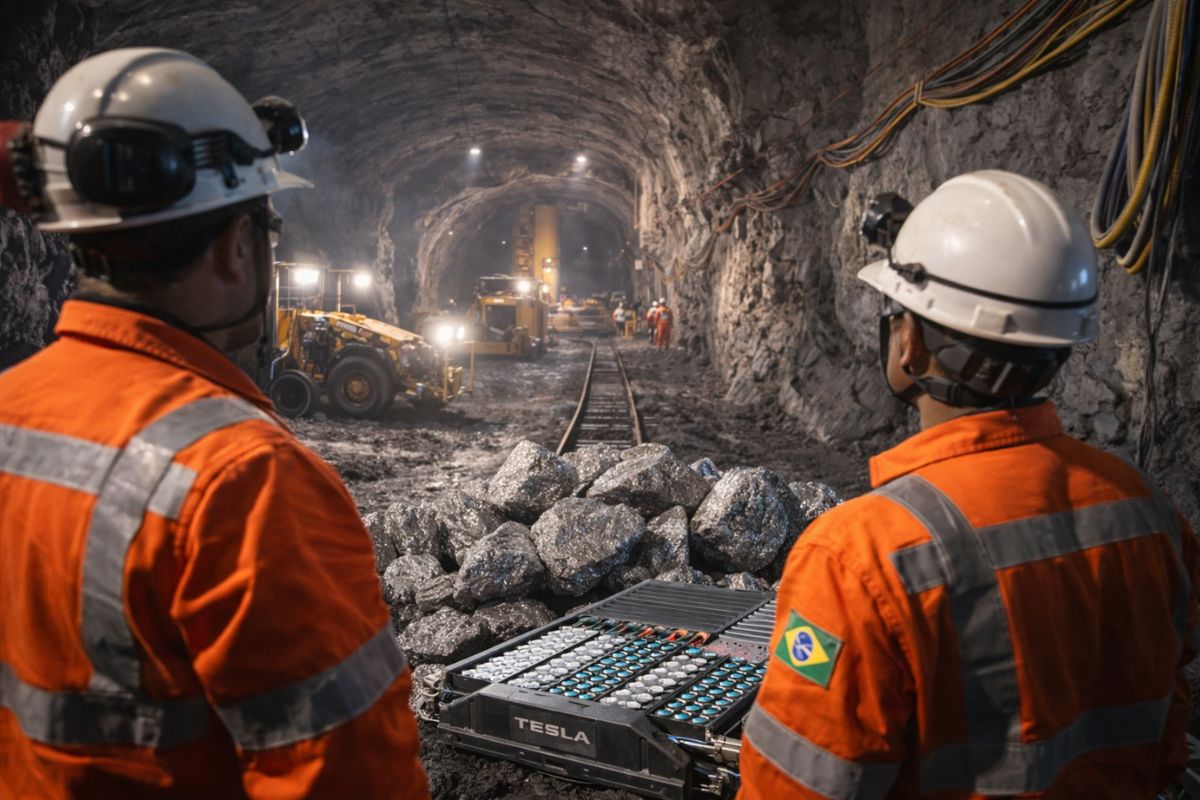
The Brazilian state enters the center of the global race for critical minerals by starting the construction of the largest underground nickel mine in Latin America, a mineral essential for electric car batteries that the entire world is competing for at this moment.
-
New CCR concrete paving technology promises roads up to 3x more durable, less maintenance, and cost reduction in Brazil.
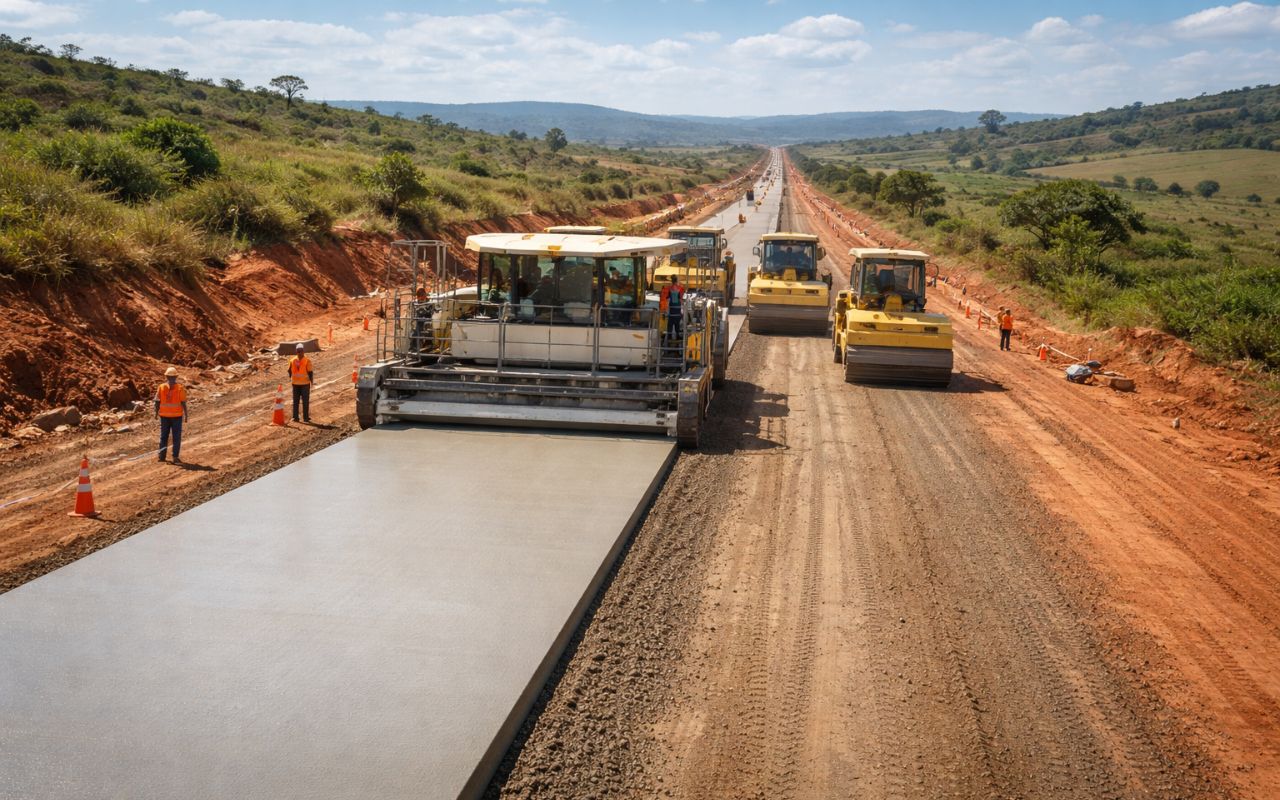
The problem has never been just the volume of vehicles. The narrow design, combined with sharp curves, maintained the maximum speed of 40 km/h at various points and solidified the image of a difficult, slow, and risky route.
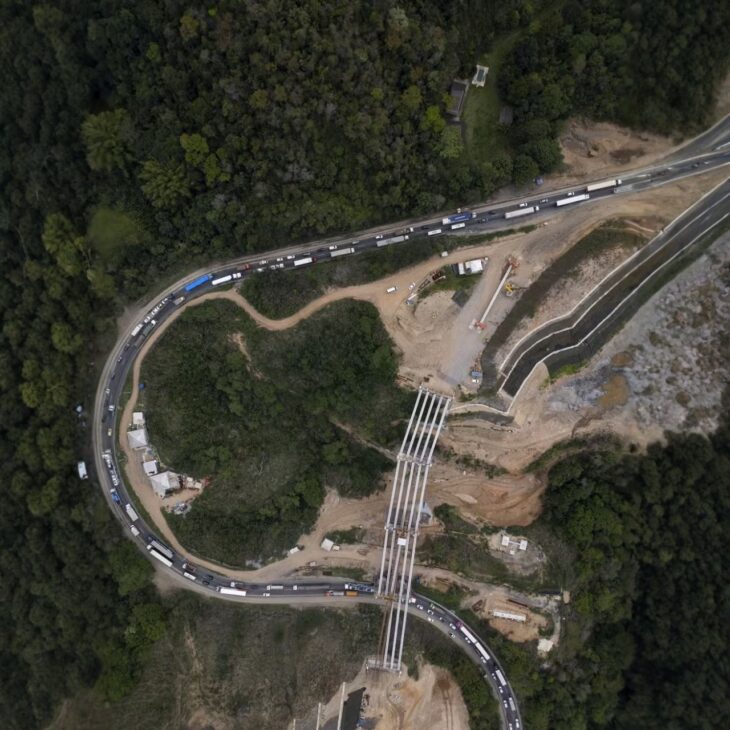
Project Worth R$ 1.5 Billion Expands the Lane and Aims to Change the Routine of Those Crossing the Mountain
The intervention was planned to replace the winding layout with a more modern structure. The project includes 24 overpasses, expansion to four lanes in each direction, new stopping areas, pedestrian walkways, escape ramps, and a drainage system.
In practice, the proposal seeks to reduce the burden of the old curves on the highway’s operation. With the new configuration, the permitted speed should rise to 80 km/h, allowing for a smoother journey along one of the country’s most important routes.
New Design Speeds Up Ascent, Shortens Descent, and Enhances Logistics Between Brazil’s Two Largest Markets
The expected impact goes beyond the feeling of safety behind the wheel. The change also aims to reduce the time spent on this section, especially for cargo transportation that connects industrial centers, consumption hubs, and supply chains in the Southeast.
According to CCR RioSP, the concessionaire responsible for the section between Rio and São Paulo, the descent time is expected to be cut in half, while the ascent will be 25% faster. This improvement reduces delays, enhances predictability, and strengthens the circulation of goods along a central route for the economy.
Engineering on Difficult Terrain Requires Continuous Shifts and Local Production of Structures
Executing a project of this scale in mountainous terrain imposes a heavy routine of excavations, retaining walls, and assembly of concrete parts in a complex environment. To maintain the schedule, crushing plants and pre-cast yards were installed in Paracambi and Seropédica.
So far, more than 200 beams have been installed out of a total of 450. The construction site operates in 24-hour shifts, with about 2,500 workers spread across several fronts to try to complete the project one year ahead of schedule.
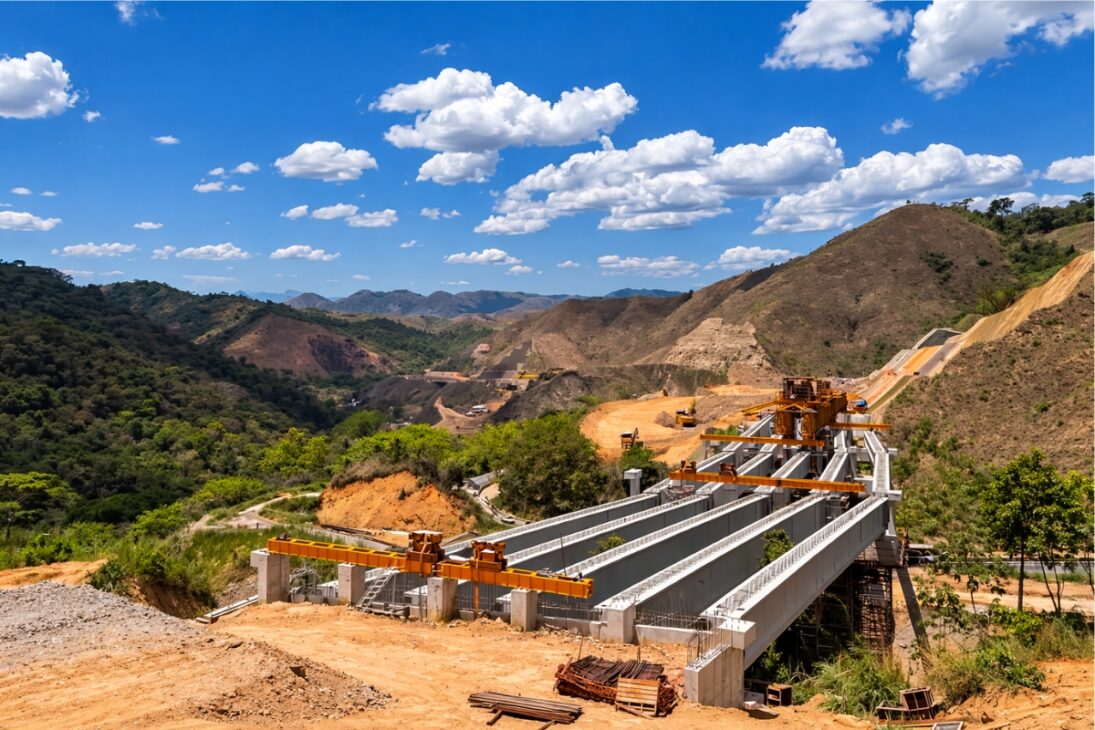
Traffic Maintained During the Work Increases the Challenge and Pressures the Operation of the Highway
The modernization progresses without completely interrupting traffic on the old lane. This forces the adoption of temporary blockages and detours, which can cause slowdowns and require extra attention from those who depend on Dutra daily.
At the same time, the project needs to address a sensitive point in the region: environmental preservation. The Serra das Araras area is part of an important stretch of Atlantic Forest, making erosion control and stormwater management a central part of the execution.
Surrounding Municipalities Are Already Feeling the Effects of a Project that Goes Beyond the Asphalt
The effects of the intervention are not limited to the roadway. The presence of large construction sites and thousands of workers has already impacted cities like Piraí and Paracambi, where services, commerce, and local infrastructure are receiving new momentum.
This economic effect adds to the expected logistical gain for carriers and companies. With fewer critical curves, less forced stops, and more fluidity, the corridor is likely to operate more regularly, reducing costs and enhancing industrial competitiveness.
When the new layout is completed, Dutra is expected to leave behind one of its most feared points. The section that for decades was associated with tension, slowness, and accidents is moving towards becoming a showcase of roadway modernization.
If the schedule is maintained until March 2027, the new Serra das Araras could establish a standard for future concessions in strategic corridors across the country. The change does not just affect the highway; it alters the logistical perception of a route that supports Brazil’s economic heart.







Ninguém fala que é uma obra do PAC, isso que é Governo que trabalha investindo no País
Interessante. São 4 pistas né? Mas quando acaba a serra passa a ter apenas 2 pistas. Não vai engarrafar no final? A estrada mais importante do país, que liga Rio a São Paulo deveria ter 4 pistas em todo seu trecho.