





 Portuguese
  English
  Spanish
 4 min of reading
  0 comments



Entrepreneurs From Different Sectors Report Difficulties Hiring Labor in Ceará, Associating the Phenomenon With the Impact of the Federal Government’s Income Transfer Programs. Data and Reports Show How the Situation Affects Large Works and Different Economic Segments.
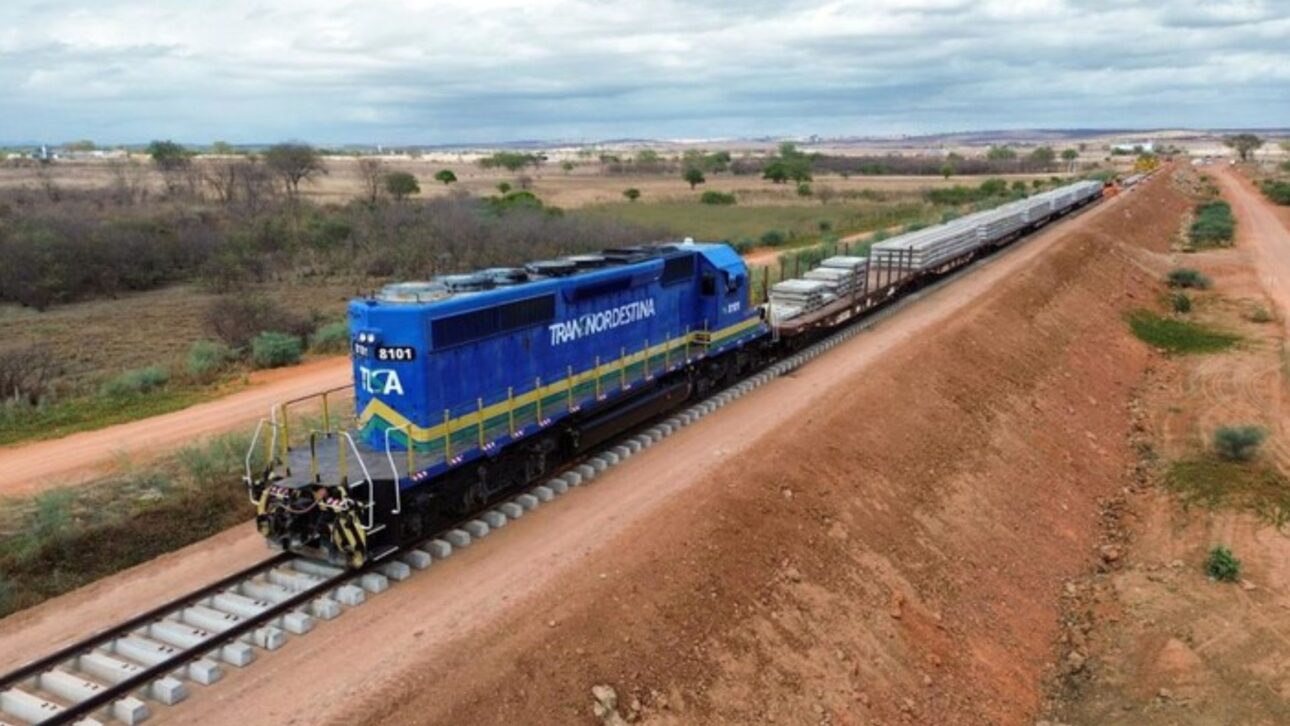
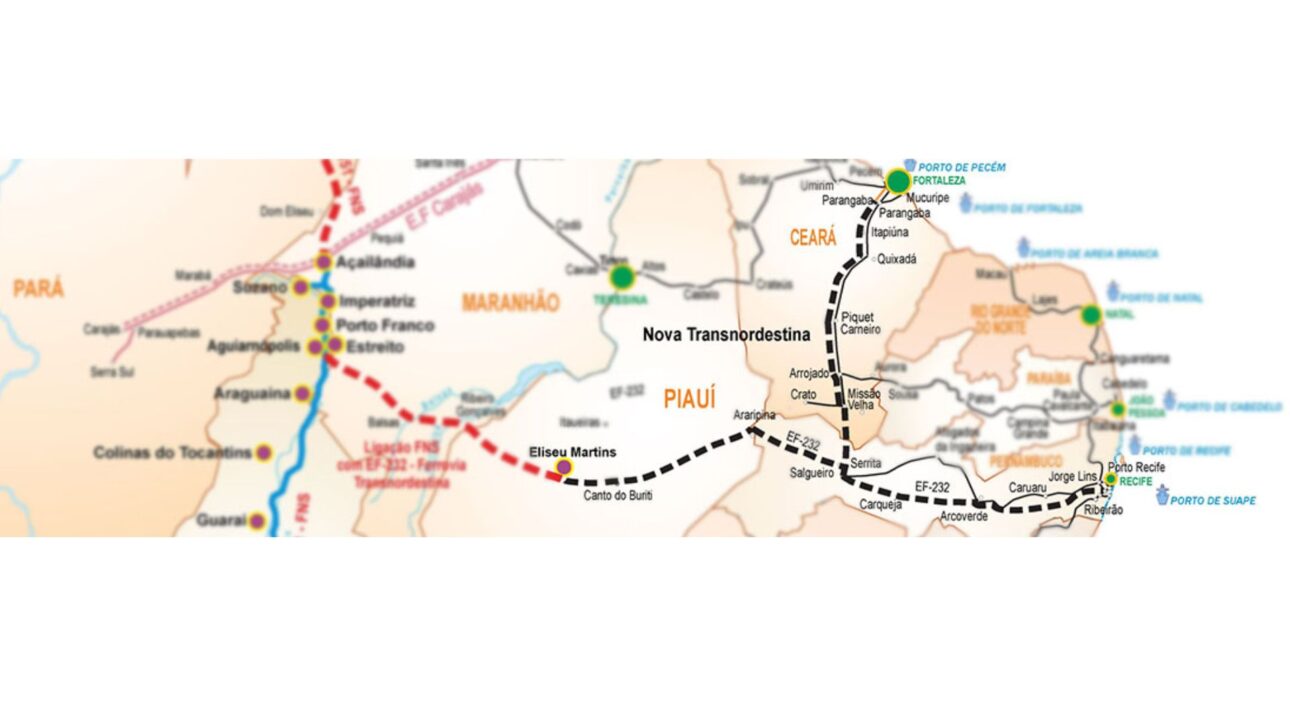
The Lack of Workers on the Transnordestina Railway and in Other Strategic Sectors of the Ceará Economy Has Drawn Attention and Concern Among Entrepreneurs in Industry, Construction, Agriculture, and Commerce.
Amid Growing Difficulty in Filling Positions, Representatives of the Productive Sector Point to the Bolsa Família Program as One of the Factors Contributing to the Reduction of Labor Supply, Especially in Regions That Previously Had a High Availability of Workers.
This Information Was Originally Published by Columnist Egídio Serpa on the Diário do Nordeste Website.
-
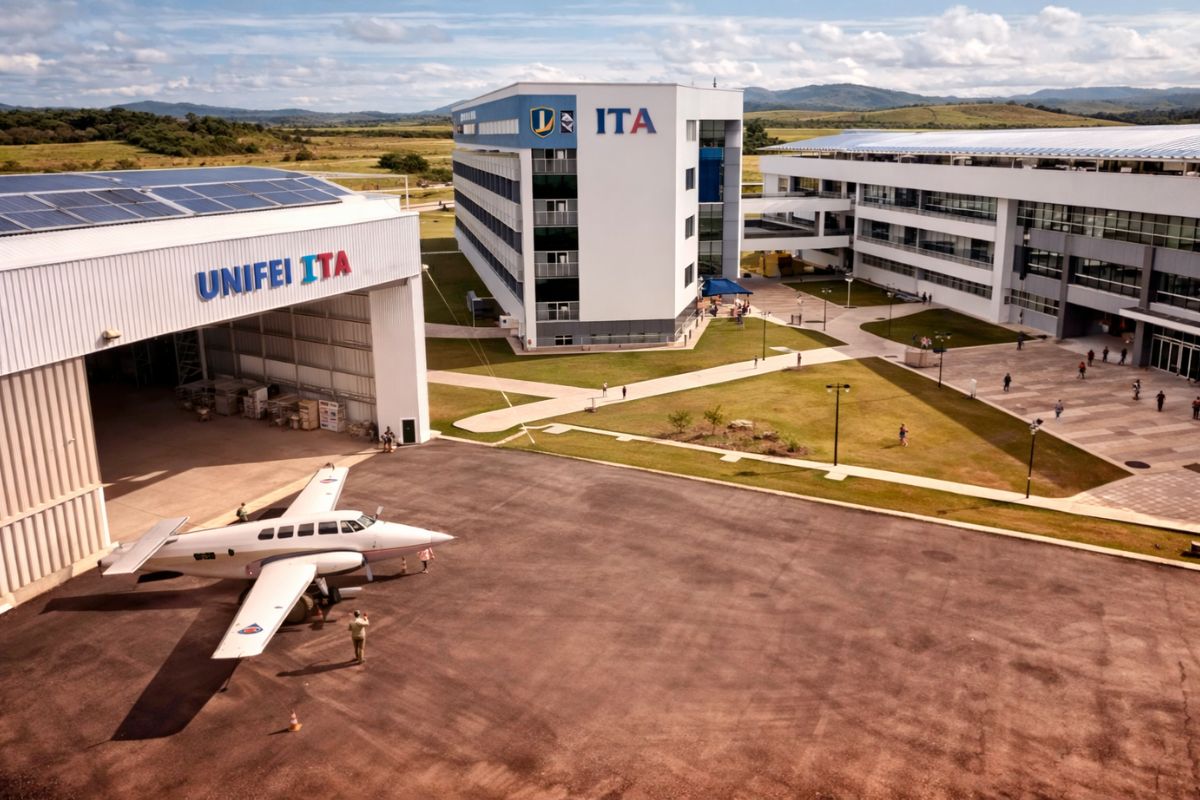
The institute that trained the greatest aerospace engineers in Brazil has just opened its first campus outside São Paulo after 75 years: ITA Ceará will have R$ 445 million, new courses in energy and systems, and classes are expected to start in 2027.
-
Luciano Hang, owner of Havan, goes to Juiz de Fora after the tragedy in February, brings R$ 1 million, hands out R$ 2,000 cards, and donates up to R$ 15,000 to victims in the region.

-
The Brazilian passport allows legal residence in dozens of countries without the need for a prior visa, and most Brazilians are unaware that they can apply for residency directly upon arriving in nations in South America, Africa, and even Europe.

-
Petrobras sends a message to Brazilian truck drivers after fuel collapse and reveals plan to have 100% domestic diesel.


Impact of Bolsa Família and Social Benefits
According to Investigations by Diário do Nordeste, the Bolsa Família Currently Benefits About 20.49 Million Families Throughout Brazil, According to Updated Information from the Secretariat of Communication of the Presidency of the Republic in June 2025.
To Join the Program, It Is Necessary That the Monthly Income Per Person in the Family Does Not Exceed R$ 218.
The Average Amount Passed on by the Government to Beneficiaries Reaches R$ 666 Monthly, Representing an Annual Investment of Approximately R$ 13.64 Billion.
Launched in 2003, During the First Term of President Luiz Inácio Lula da Silva, the Program Aims to Combat Poverty and Promote Social Inclusion, Requiring as a Counterpart School Attendance for Children and Adolescents, Prenatal Care for Pregnant Women, and Regularization of Vaccination Cards.
In Addition to Bolsa Família, the Federal Government’s Social Policy Includes Complementary Benefits Such as Auxílio Gás, Which Benefited 5.3 Million Families in June 2025, with an Additional R$ 108 for the Purchase of a 13-Kilogram Gas Cylinder.
The Annual Investment in This Initiative Reaches R$ 579 Million.
Meanwhile, the Primeira Infância Program, Also Mentioned by Diário do Nordeste, Benefitted 8.7 Million Children Aged Zero to Six Years, Offering an Additional R$ 150 per Child and Generating R$ 1.23 Billion Annually.
Entrepreneurs Report Difficulties in Hiring
According to Entrepreneurs Interviewed by Diário do Nordeste, the Massive Presence of These Social Programs Has Generated Discussions About Their Impact on the Local Labor Market Dynamics.
José Carlos Pontes, Financial President of Grupo Marquise, Reported That Companies Have Faced Unprecedented Difficulty in Formally Hiring Workers in Construction Sites and Factories.
According to His Statements, Workers Are Resistant to Accept Jobs with Official Contracts, Opting for Informality.
The Industrialist Osterno Júnior, from the Furniture Sector in Marco, in Northern Ceará, Highlighted That the Lack of Labor Is Already Forcing Companies to Seek Workers from Neighboring Cities and Negotiate Partnerships with City Halls to Facilitate Employee Transportation.
In an Interview with Diário do Nordeste, He Stated That, in the Baixo Acaraú Region, the Scarcity Even Threatens the Production of Organic Acerola, Which Is an Important Export Product.
Various Sectors Affected by the Lack of Labor
The Severity of the Scenario Is Not Limited to the Industrial Sector.
Other Areas, Such as Construction, Logistics, Services, and Agriculture, Also Report Hiring Difficulties.
Entrepreneur Otacílio Valente, CEO of Construtora Colmeia, Recently Reaffirmed in a Column the Extent of the Problem, Which Affects Various Production Chains and Raises Doubts About the Sustainability of Operations in the Medium and Long Terms in the State.
Debates on the “Exit Door” of Social Programs
Experts Consulted by Diário do Nordeste Explain That the Bolsa Família and Programs Like Auxílio Gás and Primeira Infância Play a Fundamental Role in Combating Poverty and Supporting Families in Situations of Vulnerability, but Emphasize the Importance of the So-Called “Exit Door” of the Programs.
This Consists of Effective Actions for Professional Qualification, Job Intermediation, and Encouragement of Entrepreneurship, Foreseen in Law, but Not Yet Implemented in a Structured Manner in Brazil.
The Newspaper Also Noted That the Increase in the Number of Beneficiaries Pressures Public Finances.
Data from the National Institute of Social Security Shows That Since 2014, More People Have Been Receiving Pensions and Benefits than Contributing to the Social Security System.
The Expansion of Income Transfer Programs, Like Bolsa Família, Despite Social Advancements, Requires Adjustments to Prevent It from Becoming a Disincentive to Formal Employment, According to Entrepreneurs and Experts from the Productive Sector.







Seja o primeiro a reagir!