





 Portuguese
  English
  Spanish
 4 min of reading
  0 comments


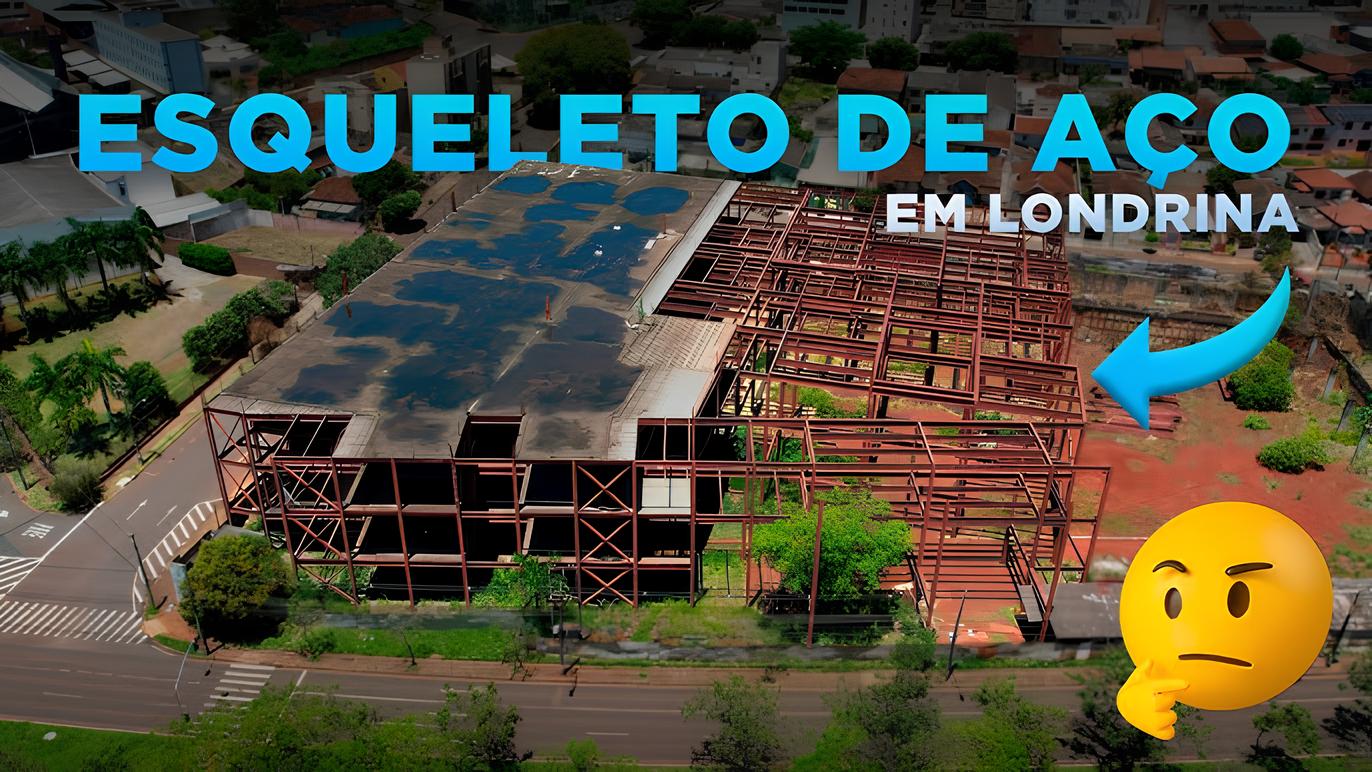
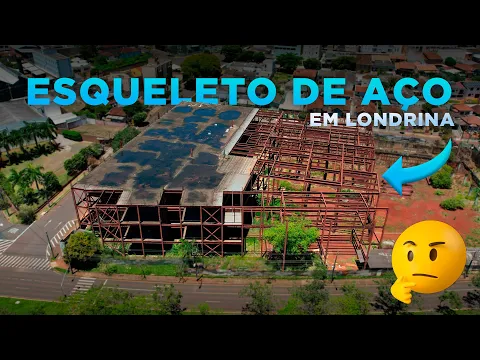
With 9,000 m² of exposed steel skeleton since 1998, the unfinished work on Avenida Leste-Oeste has become an urban reminder that dominates Londrina and symbolizes decades of abandonment.
In the heart of Londrina, in northern Paraná, a gigantic rusty metal structure defies time and urban memory. Erected in 1998 with the purpose of housing a modern commercial and automotive center, the construction of 9,000 square meters remains unfinished, exposed to the sun and rain for over two decades. What was supposed to symbolize the city’s economic advancement has instead turned into a landmark of abandonment, visible to anyone crossing the busy Avenida Leste-Oeste daily. The project was designed to be one of the largest of its kind in the region, with space for over 300 stores and offices, ample parking, and a steel and concrete structure that drew attention for its prominence.
The initial estimated investment exceeded R$ 15 million — a substantial amount for the time. The promise was to create a business center that would connect the urban axis of Leste-Oeste to the city center, boosting commerce and generating hundreds of direct and indirect jobs.
But the story took another turn. Amid bureaucratic hurdles, legal disputes, and a lack of investors, construction was halted in the early years. Since then, all that remains is the metal skeleton: tall columns, corroded beams, and hollow structures that contrast with the city’s growth around it. The enterprise became an urban ghost, reminding us daily of how poorly planned projects can compromise public space and the collective imagination.
-
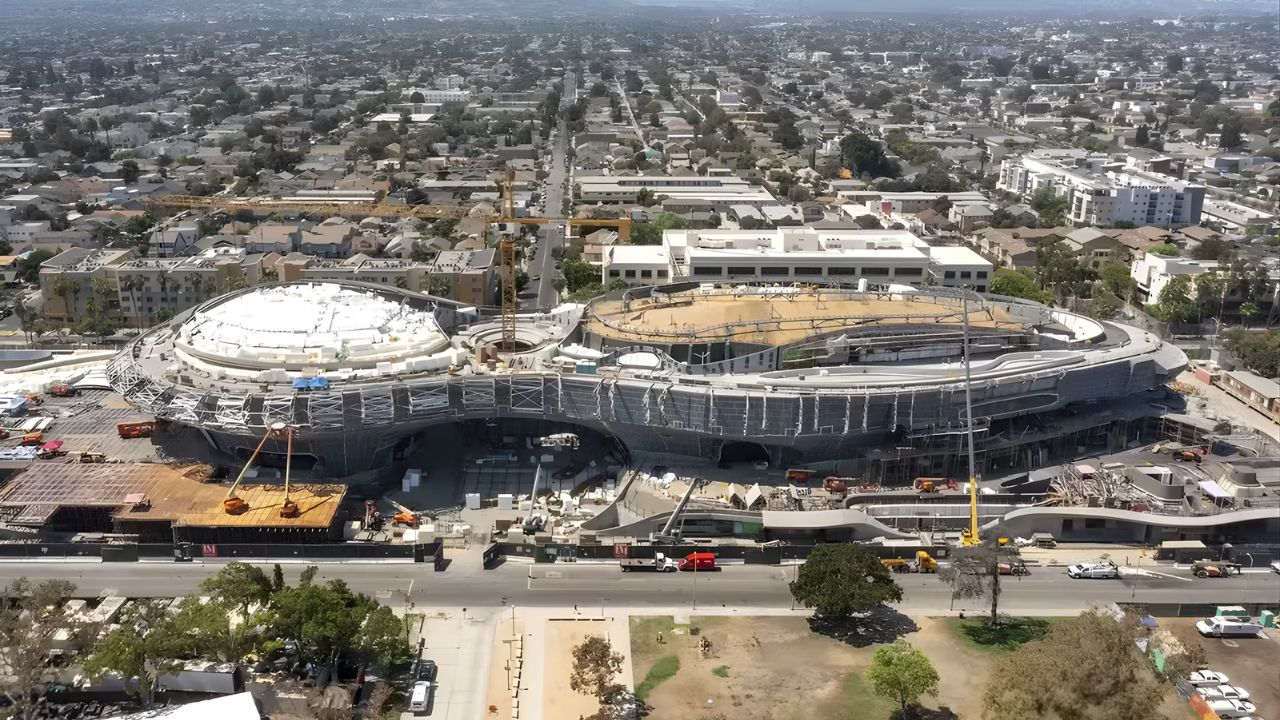
Created by George Lucas with over $1 billion, a futuristic museum in the shape of a spaceship with 1,500 curved panels is about to open in Los Angeles and will house one of the largest private collections of narrative art in the world.
-
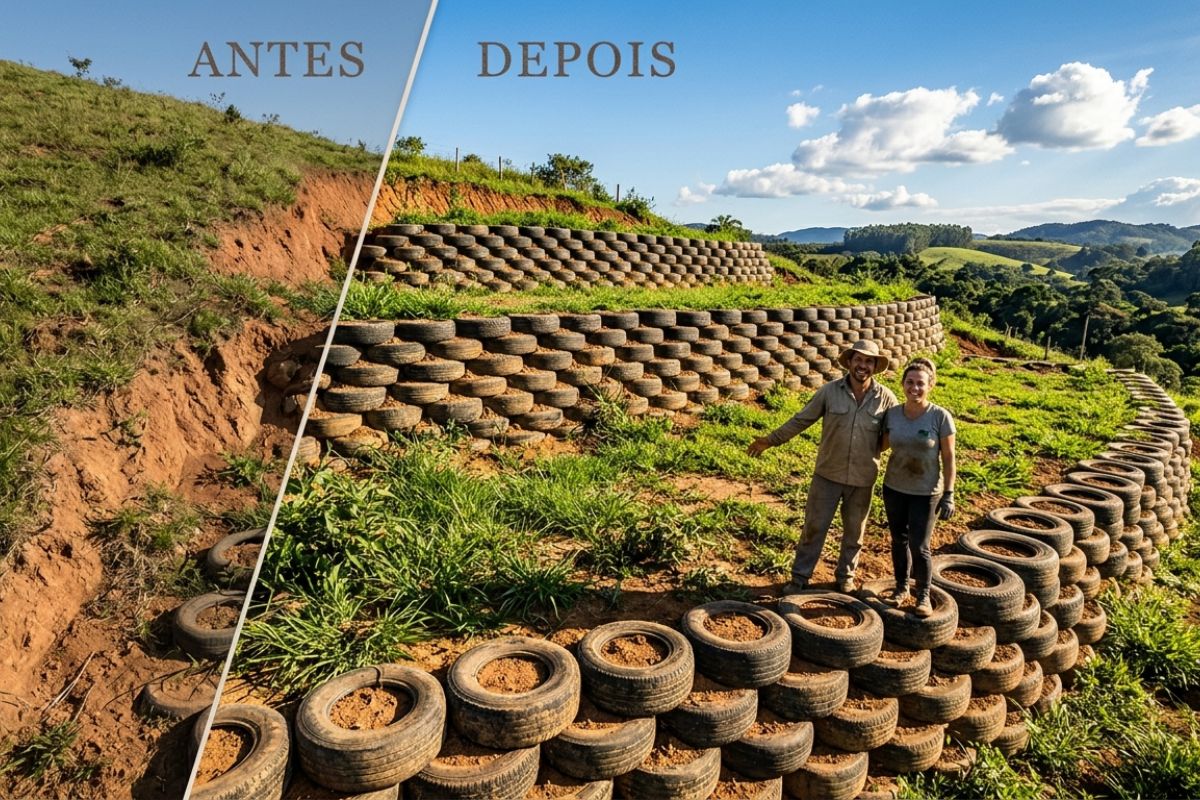
Couple shows how they built a retaining wall on their property using 400 old tires: sloped land turned into plateaus, tires are aligned, filled, and compacted with layers of soil, with grass helping in support and at almost zero cost.
-
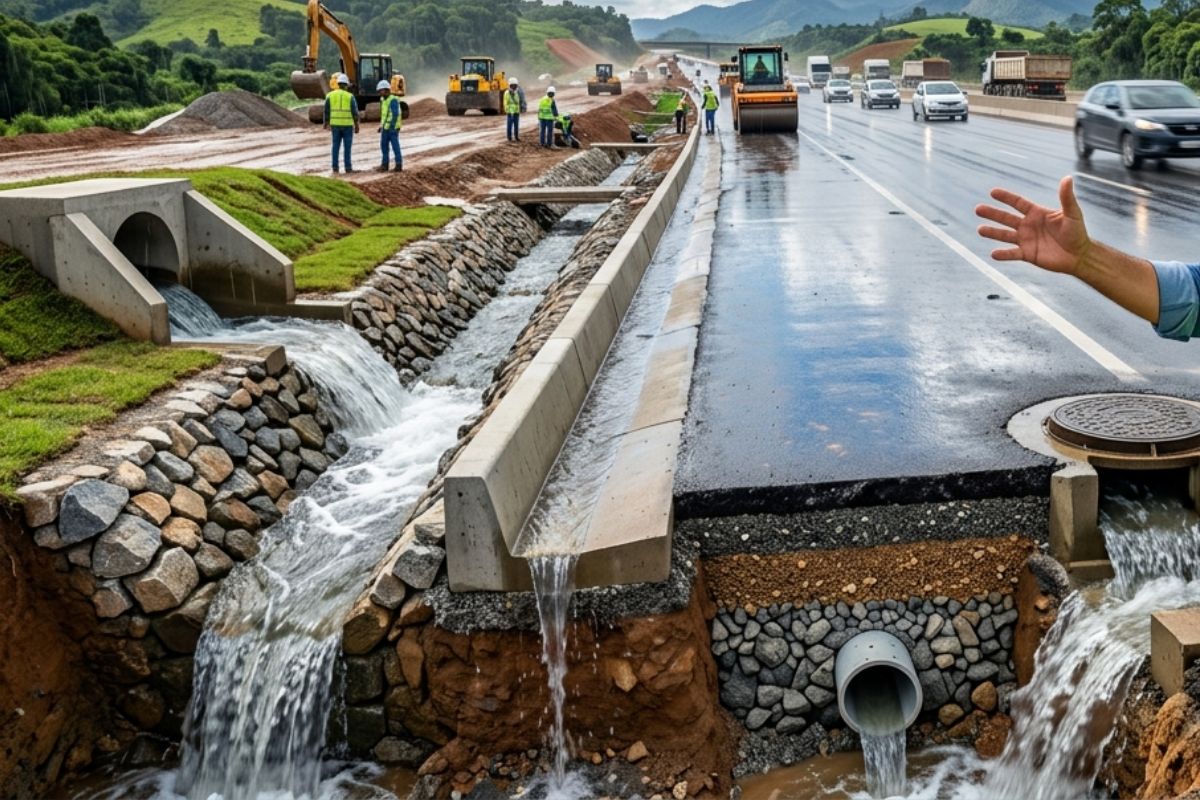
Engineer explains drainage during the rainy season: the difference between surface water and deep water, ditches, gutters, and water outlets on the road, as well as drains and drainage mattresses, to prevent erosion, aquaplaning, and flooding at the construction site today.
-
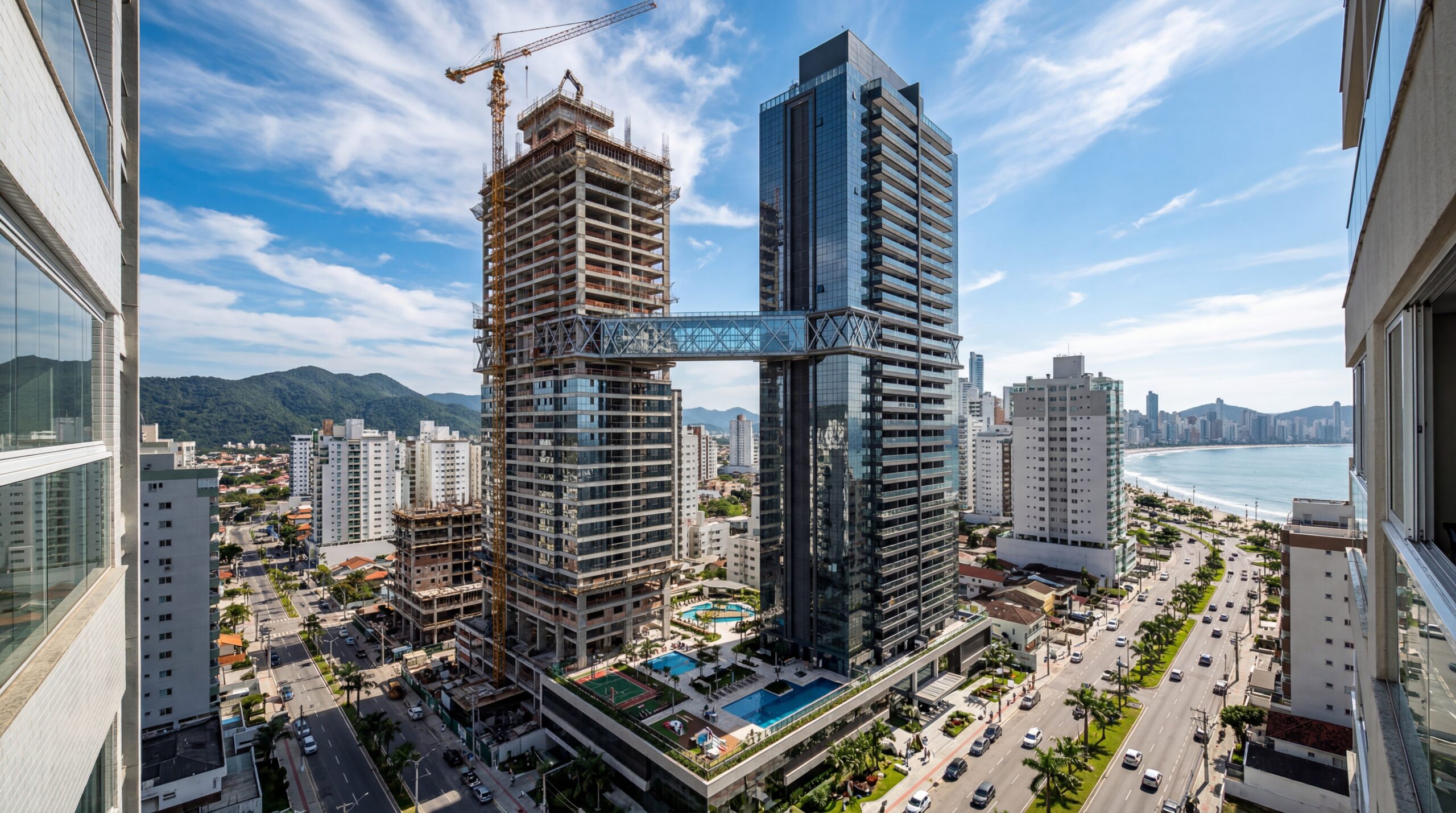
With 55 floors, 177 meters in height, a 15-meter walkway between the twin towers, ventilated facade, and 6,300 m² of leisure space, Ápice Towers already has one tower completed and another nearly at the top.

A Giant Forgotten in the Heart of the City
Anyone passing through Avenida Leste-Oeste, one of the busiest roads in Londrina, cannot ignore the rusty colossus that dominates the landscape.
The site, originally walled, gradually deteriorated and became a dumping ground, makeshift shelter, and at times, a scene of insecurity.

The public authorities evaluated the fate of the structure several times. The land, valued at over R$ 15 million, has been included in auction processes, but no sale has been finalized.
Part of the problem lies in the magnitude of the project: the costs of recovery would be as high as those of new construction. Moreover, experts point out that the deteriorated metal material and the lack of complete foundations render the use of the original structure unfeasible.
Symbol of Time and Neglect
As the years went by, the metal skeleton came to be seen as a symbol of the lack of urban planning and transparency in public and private projects. The structure became a recurring theme in local reports, academic articles, and even photo essays about the contrast between Londrina’s growth and its urban voids.
In the eyes of the residents, what once promised to be a hub of development has become a constant reminder of stagnation.
The tall grass, exposed beams, and the rusty scene now share space with the intense movement of cars and pedestrians — a clear portrait of what happens when economic ambitions exceed execution capacity.
Possible Destinations and Impasses
Over the years, various proposals have been presented for the area. Some envisioned transforming the space into a convention center, popular shopping mall, intermodal terminal, or administrative headquarters. None of them materialized.
The main obstacle is the cost of revitalization: local engineers estimate that between R$ 30 to R$ 40 million would be needed to fully recover the structure and adapt the space to current safety and accessibility standards.
Additionally, the project has been marked by legal disputes involving inheritances, bankruptcies, and documentation issues. Part of the land was even put up as collateral, blocking negotiations with new investors.
Meanwhile, the urban skeleton persists. Rusty but steadfast, it continues to stand as a visual landmark of the city — an “involuntary monument” waiting for a solution.
The Contrast Between Abandonment and Growth
The case of the Avenida Leste-Oeste project is emblematic because it contrasts with Londrina’s economic dynamism, one of the most developed cities in Brazil’s interior.
While the region houses modern malls, technology parks, and high-end vertical condominiums, an empty space of 9,000 square meters remains in the urban center that serves no social or economic function.
Local urban planners argue that the site could be transformed into a multifunctional public space, such as a cultural center or covered park, taking advantage of the strategic location and easy access. However, while projects do not advance, the structure remains abandoned, resisting the passage of time.
A Portrait of Many Other Brazilian Works
The metal skeleton of Avenida Leste-Oeste is just one among thousands of unfinished projects that punctuate the Brazilian urban landscape. According to data from the Federal Court of Accounts, the country accumulates over 7,000 halted public works, representing billions of reais invested without return.
In Londrina, the case has become a reference in studies on industrial heritage and urban landscape, often cited as an example of “the memory of the unfinished” — a reminder that each exposed beam there represents not just iron and concrete but frustrated expectations, lost investments, and the silence of a promise that was never fulfilled.









-

-

-

-

-

-

65 pessoas reagiram a isso.