





 English
  Francês
  Alemão
  Italiano
  Japonês
  Norueguês
  Portuguese
  Spanish
 2 min of reading


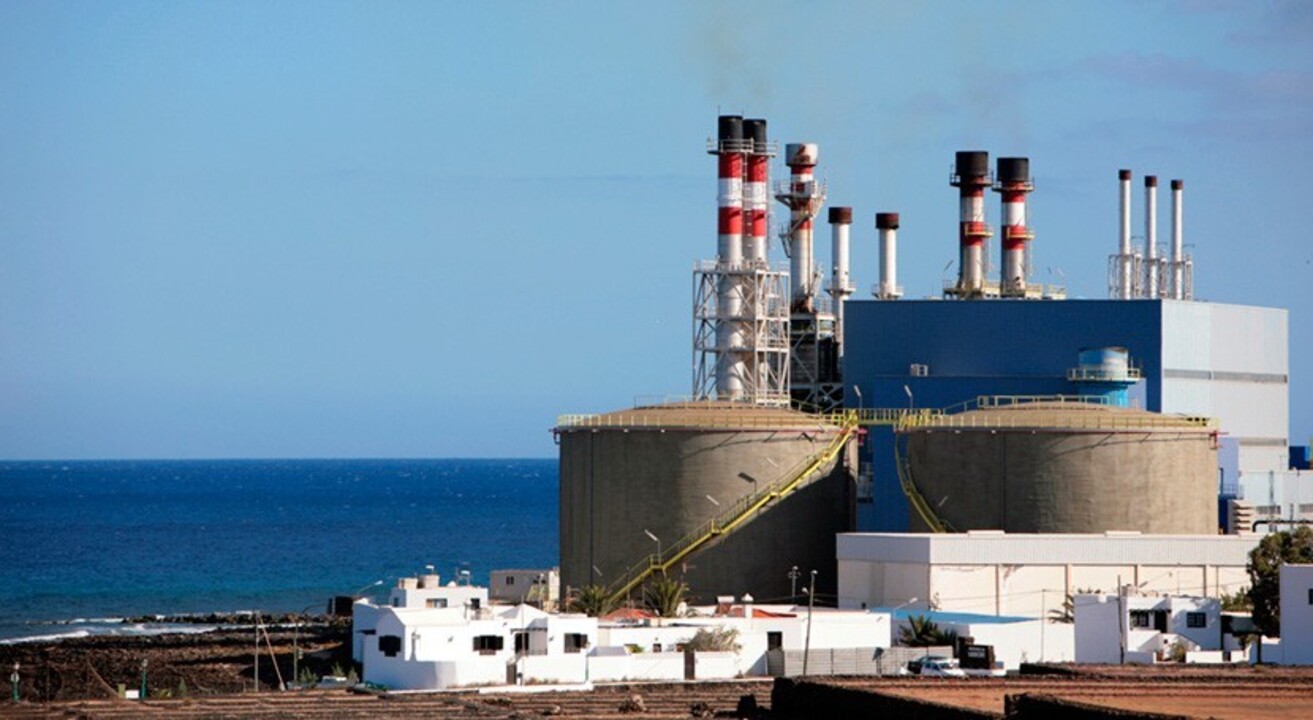
In 18 Months The Works Of The New Desalination Plant In Ceará Will Begin Strengthening The Water Matrix Of The Region Even More
The project for the implementation of a desalination plant aimed at diversifying the water matrix of Ceará is progressing steadily. Following the execution of a public consultation and hearing regarding the processes related to the plant, the bidding for the construction and operation of the plant is expected to be launched in early 2022.
Read Also
Diversification Of The Ceará Matrix
The desalination plant that will diversify the water matrix of the Ceará and Metropolitan Region (RMF) is getting closer to putting Ceará at the forefront of seawater desalination solutions for human consumption.
After a series of steps related to the project’s scope, the bidding document regarding the actual concession of the plant underwent public consultation and hearing last month.
-
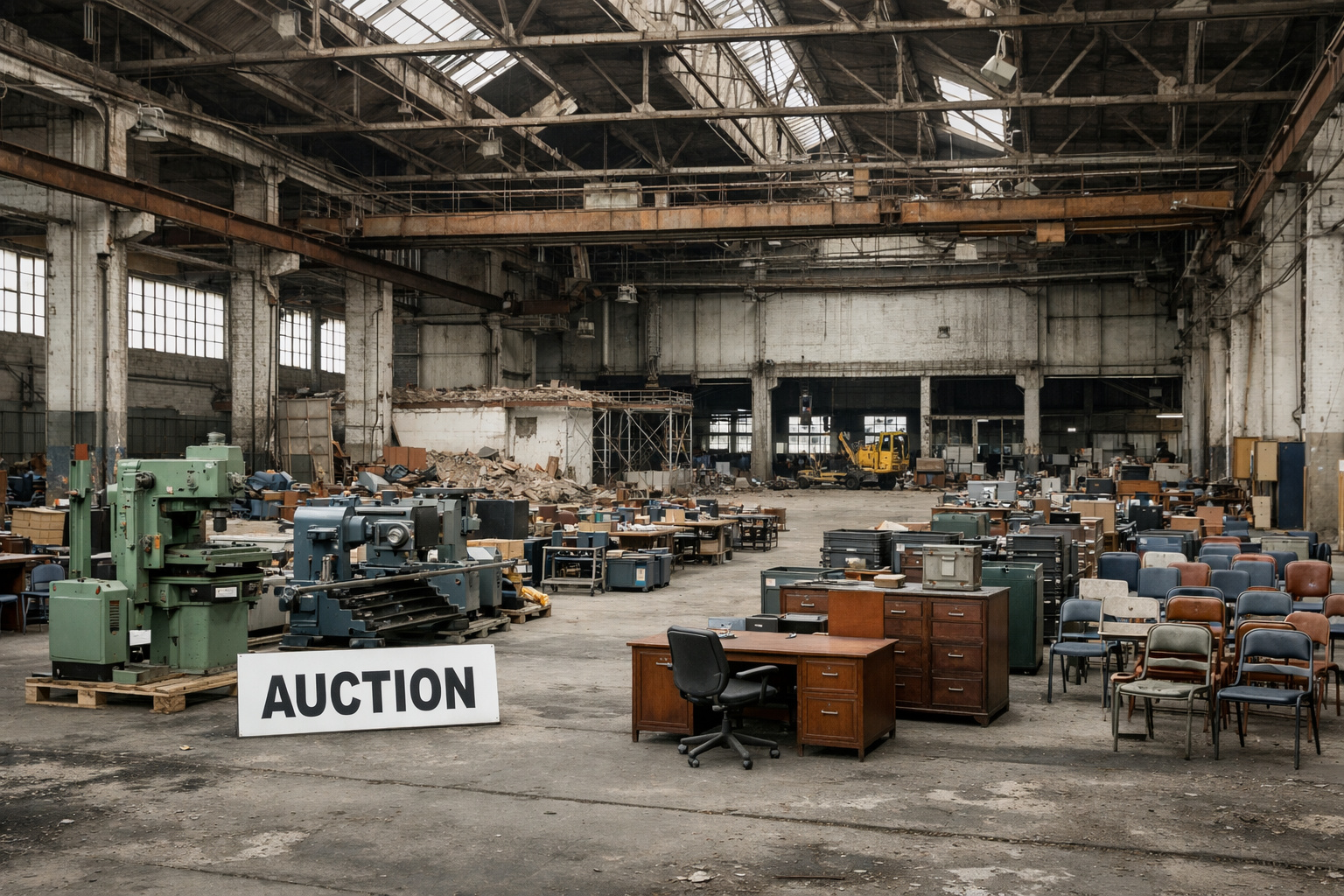
Historic bankruptcy of Centauro shocks the market, and the century-old company puts more than 500,000 products, machines, and complete infrastructure up for online auction.
-
Unemployment rises again to 5.8% at the beginning of 2026, raising alarms about the end of temporary positions and its impact on the Brazilian job market.

-
Document organization can cut invisible costs in small businesses, a simple step that prevents waste, rework, and losses in daily operations.

-
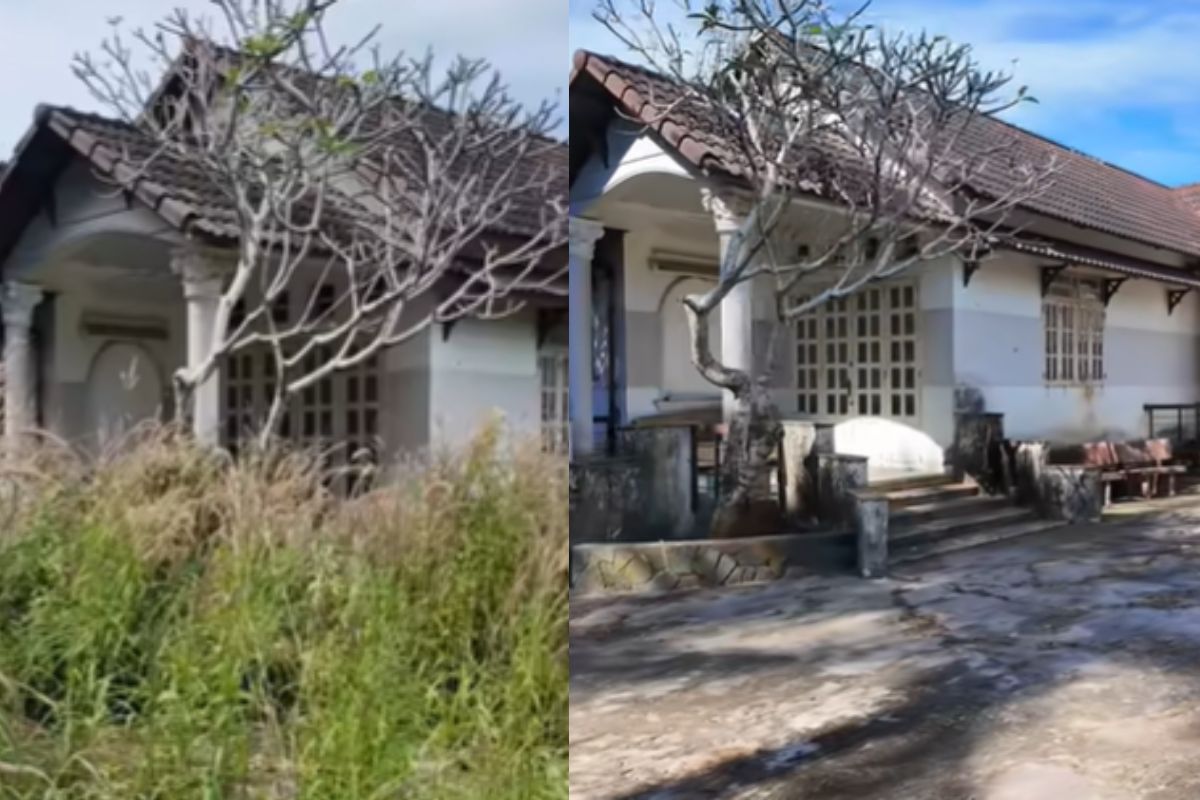
Abandoned house for 15 years disappears in the woods, shocks owner with unrecognizable scenery and is reborn in an intense transformation after almost 90 hours of work in just 10 days.

The area for the plant’s location, one of the main points of the project, has also been defined: it will be located at Praia do Futuro, one of the city’s postcards. According to the schedule, it should be launched by the end of January 2020.
Cost Of The Plant
The desalination plant will be located at Praia do Futuro, with the main access via Avenida Dioguinho and Rua Francisco F. Di Ângelo and has a production capacity of 1m³ of desalinated water per second. According to the Infrastructure Director of Marquise, the cost for this production ranges between R$ 4 and R$ 5 per m³.
One of the solutions considered for reducing this cost in the future is sustained operation with the aid of renewable wind or solar energy. According to Renan Carvalho, the operation will initially be powered by electricity, but there are plans to change the energy matrix.









Seja o primeiro a reagir!