





 Portuguese
  English
  Spanish
 4 min of reading
  0 comments


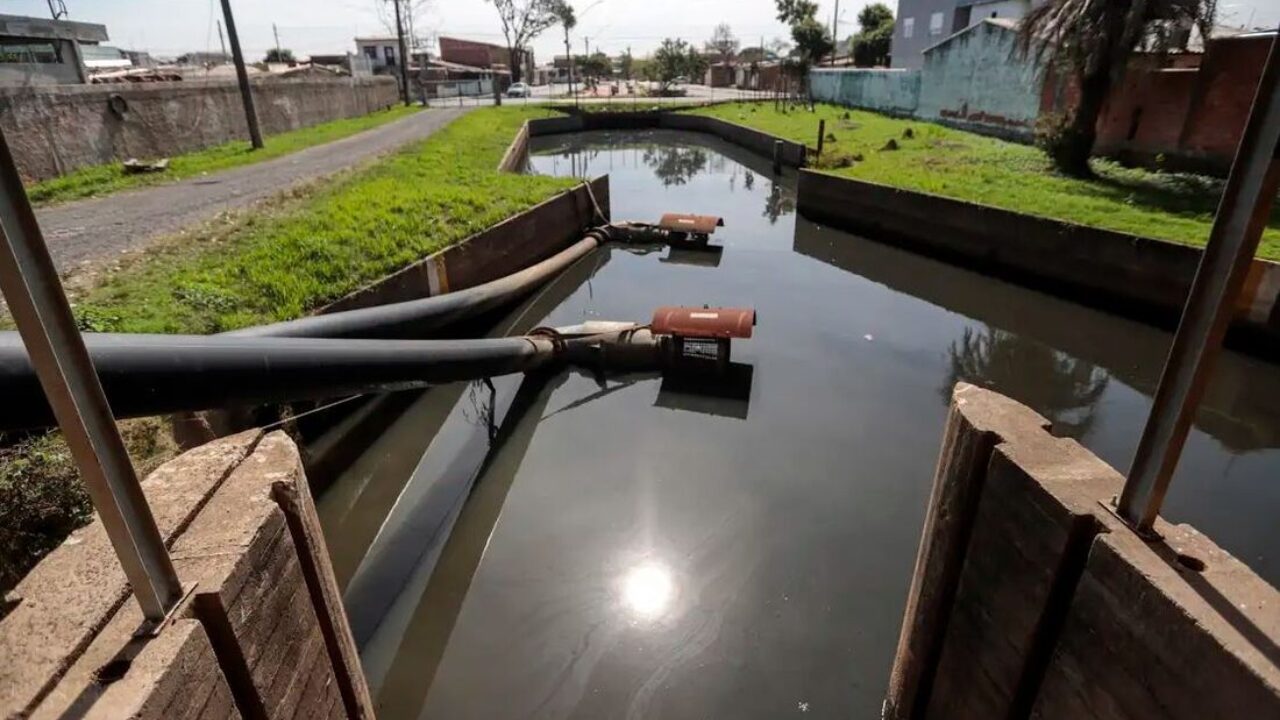
One Year After The Floods In Rio Grande Do Sul, Resources Of R$ 6.5 Billion For Prevention Works Are Stalled, And The Population Demands Urgency In Interventions To Avoid New Tragedies.
One year after the biggest climate tragedy in the recent history of Rio Grande do Sul, the reconstruction works scenario is still marked by slowness and bureaucratic hurdles. Intense rainfall and flooding have highlighted serious flaws in the infrastructure of containment, especially in the metropolitan region of Porto Alegre, where dikes and drainage systems were unable to contain the advancing waters.
Despite the warnings and lessons learned from the crisis, the necessary works to prevent similar events from repeating have not yet begun. Experts point out that the impact of the catastrophe could have been significantly lower had there been adequate maintenance of the flood defense systems—many of which were in poor condition or simply nonexistent in vulnerable areas.
Works In RS: R$ 6.5 Billion Stalled In Federal Fund Awaiting Execution
The Federal Government announced, still at the end of 2024, the creation of the Infrastructure Support Fund for Recovery and Adaptation to Extreme Climate Events (Firece).
-
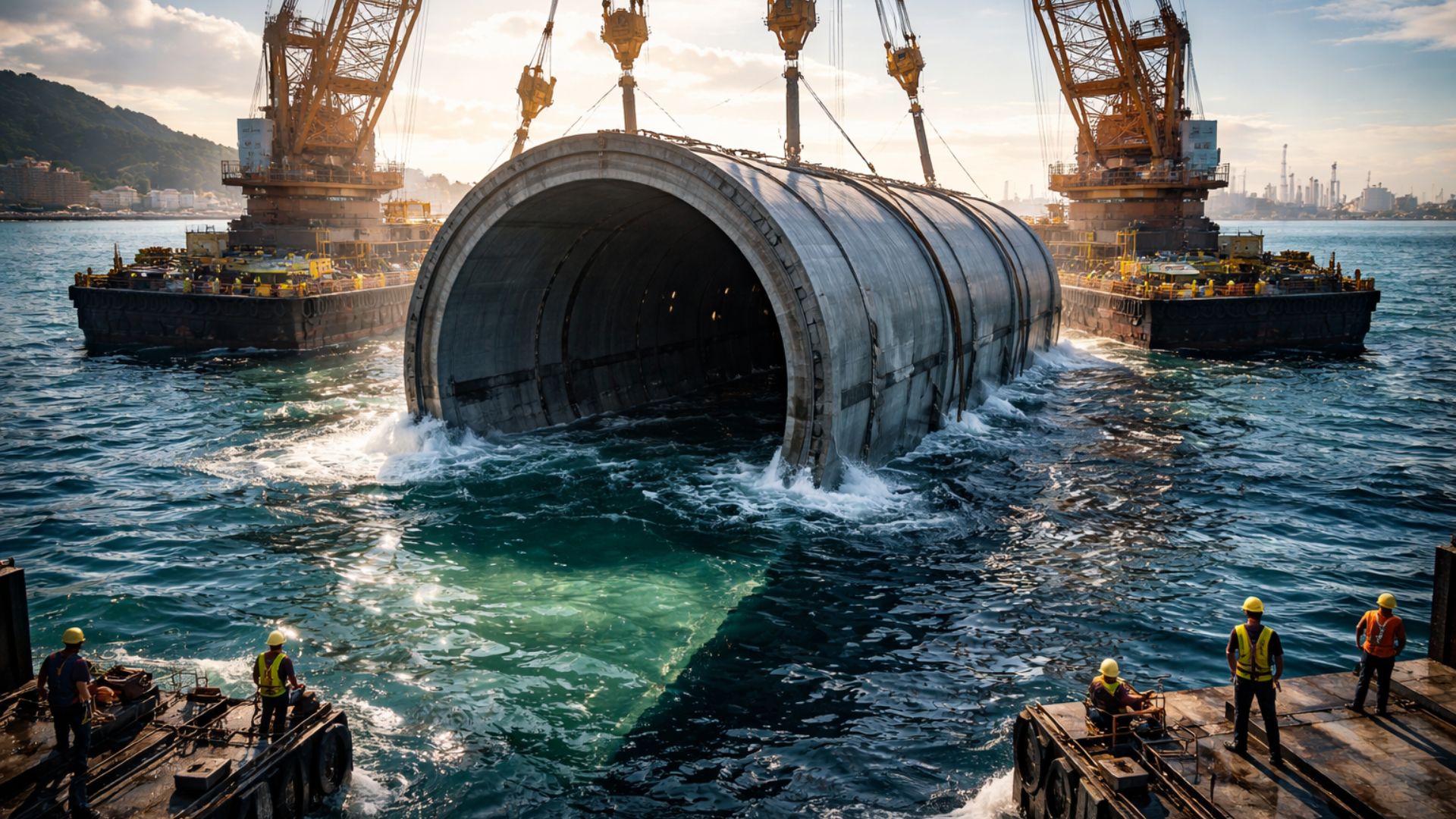
The government opens the vault and deposits R$ 2.6 billion for the construction of Brazil’s first underwater tunnel, with a length of 1.5 km, 870 m under the sea, a total project cost of R$ 6.8 billion, and a 30-year concession.
-
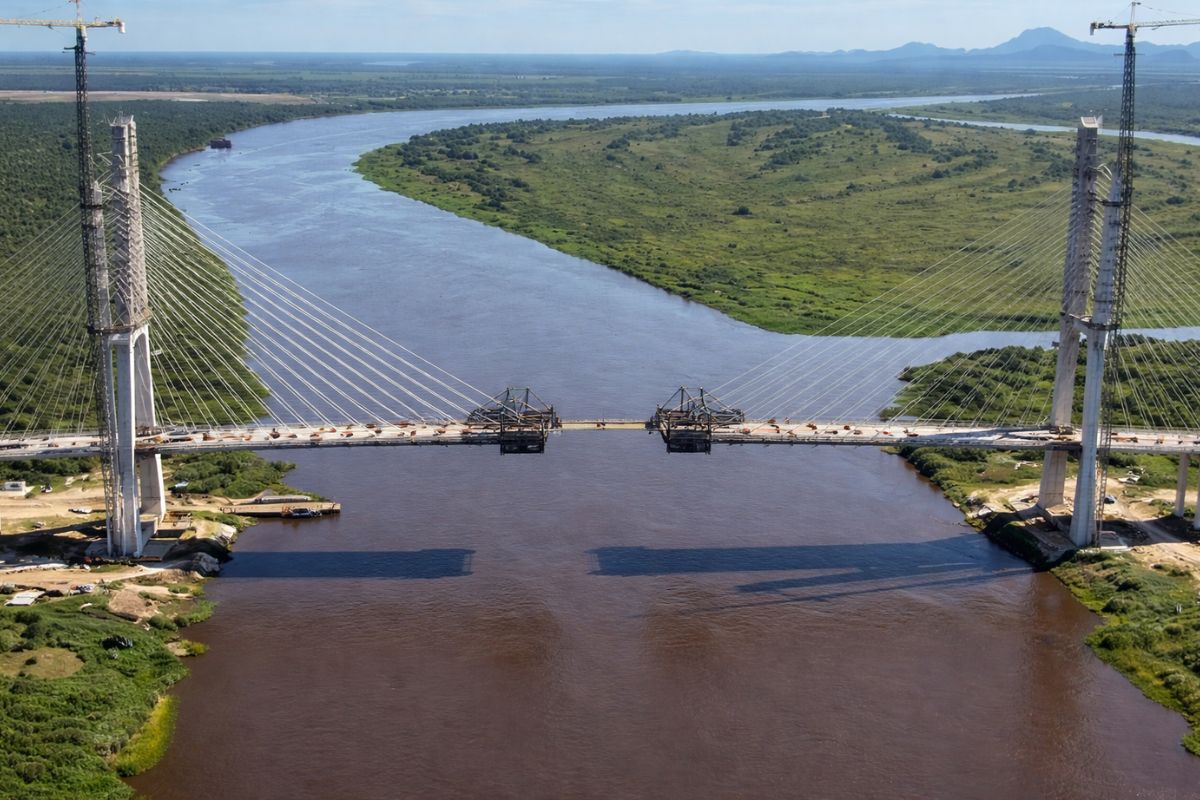
Only 46 meters remain for Brazil and Paraguay to connect via the Bioceanic Route bridge, the project that will link the Atlantic to the Pacific by land and change the logistical map of four countries in South America.
-
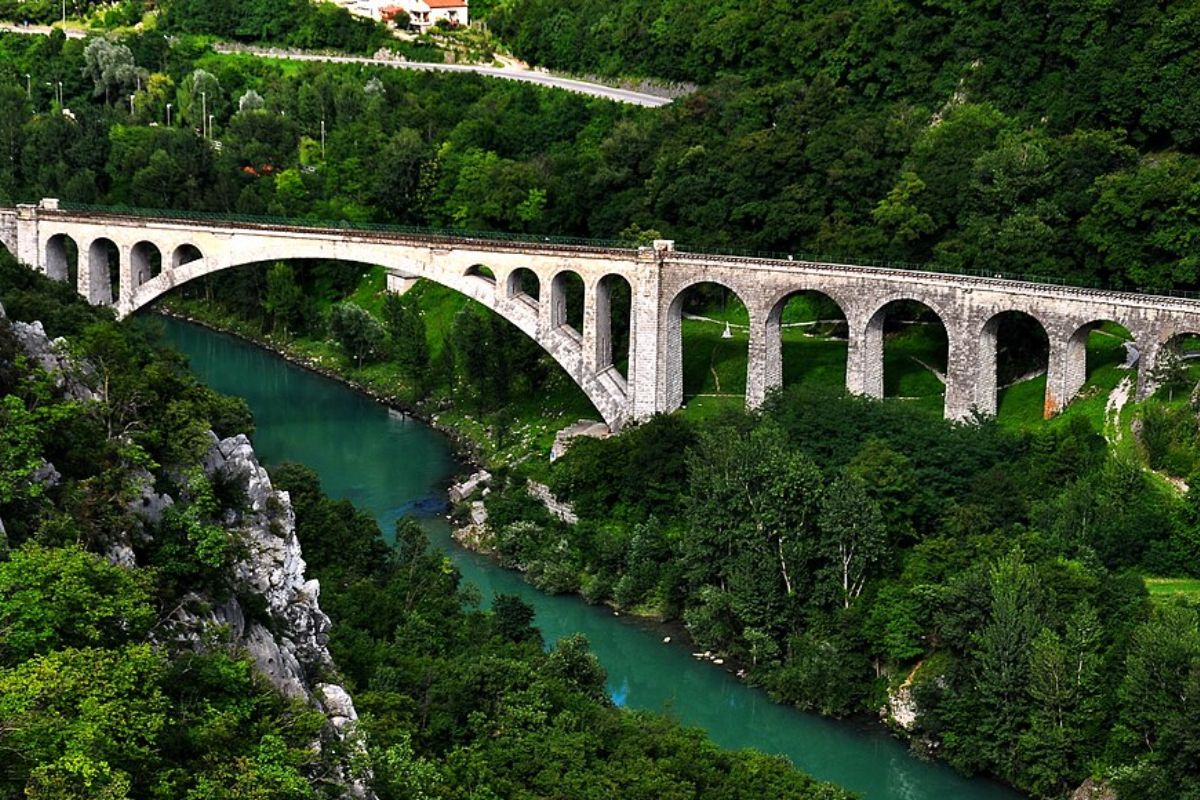
The bridge that holds the largest stone railway arch in the world: built over 100 years ago, destroyed in the war, and rebuilt to continue operating to this day, it still carries trains over the Soča River in Slovenia.
-
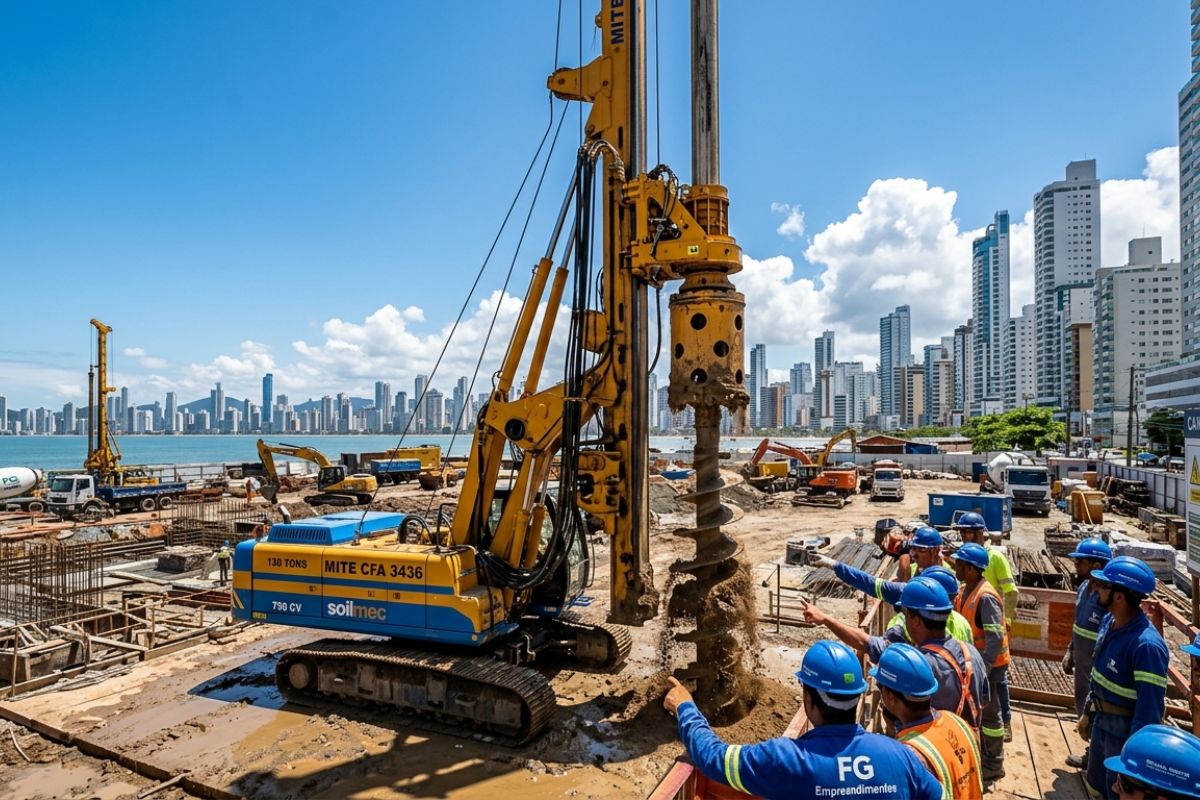
Italian giant of 130 tons arrives at the Senna Tower construction site and accelerates foundations: Mite CFA 3436 drills up to 50 m, 750 hp engine, investment of R$ 20 million, unique in Latin America.

Linked to the Caixa Econômica Federal, the fund has R$ 6.5 billion fully available to finance projects such as stream drainage, river dredging, construction and recovery of dikes and pump houses, among other structural interventions.
Even with the allocated amount, none of the planned projects have started. The sluggishness in updating technical plans and administrative disagreements between state and federal governments have been the main hurdles for the advancement of the works. Meanwhile, communities remain exposed to new extreme climate events.
Disagreement Between Federal And State Delays The Intervention Schedule
According to Maneco Hassen, Secretary of Support for Reconstruction of the state, the original idea was to decentralize the resources and allow the municipalities themselves to lead the bidding processes.
“When President Lula announced these R$ 6.5 billion, our initial intention in the federal government was to partner with the municipalities because theoretically each municipality would have the capacity to conduct its own bidding process, and therefore we would have multiple works underway simultaneously, resulting in a theoretically faster pace”, he explained.
However, Governor Eduardo Leite requested the president that the responsibility be with the state government. The proposal was accepted, centralizing the execution in the state executive. This, however, led to a new stage of adjustments in the projects, requiring adaptations to the real conditions after the floods.
Governor Claims Need To Revise Projects Given The Magnitude Of The Disaster
At a recent event in the capital, Leite justified the delay. According to him, the technical studies were underway even before the catastrophe, but the extent of the damage compelled the government to recalculate the plans.
“It is known by the federal government, by the technicians from the ministries, with whom we have interacted with our technical teams, that the state is doing its part, seeking to update the projects that will access these resources from the flood combat fund,” he stated.
The governor emphasized that the projects regarding the Eldorado do Sul dike and the Arroio Feijó basin, for instance, needed to be completely reassessed.
“If we simply followed through with the construction of the projects that were being designed, we would be undertaking works and interventions that would not withstand the flood we experienced,” he warned.
The current stage is the finalization of the terms of reference, essential documents for hiring engineering services. However, there is no official forecast for the effective beginning of the works.
Mayors Demand Urgency: “The Resource Is Stalled”
The delay in putting the projects into action generates frustration in municipalities that were severely affected. In Porto Alegre, Mayor Sebastião Melo states that there are approximately R$ 700 million in proposals submitted to the State.
“We submitted several flood protection projects. But they’re just sitting there; none have been authorized yet. We want this to be decided quickly,” he complained.
A similar situation occurs in Canoas, which had over 50% of its urban area affected by flooding after the dikes broke. Mayor Airton Souza is also pushing for speed.
“This amount has already been allocated, including earning interest for this fund. It is necessary for the government not to leave the money stalled and blocked and to make the proper allocation for us to continue these works,” he emphasized.
Priority Works Remain Without Start Date
Among the main works listed in the reconstruction plan are:
- Eldorado do Sul Dike: the city was nearly completely submerged during the flood;
- Requalification of the Arroio Feijó Basin: encompasses Alvorada and areas of Porto Alegre;
- Interventions in Drainage and Pumping Systems in various cities in the metropolitan area.
These projects are considered strategic to contain future floods and save lives, especially in light of climate change that makes extreme events more frequent and intense.
Population Demands Concrete Action
As time passes and resources remain unutilized, the fear among the population grows that a new tragedy may occur without the preventive works being ready.
Residents, experts, and municipal managers warn that Rio Grande do Sul can no longer wait. Prevention must be a priority and move from the realm of intentions to become a reality.









Seja o primeiro a reagir!