





 Portuguese
  English
  Spanish
  4 min of reading
  0 comments


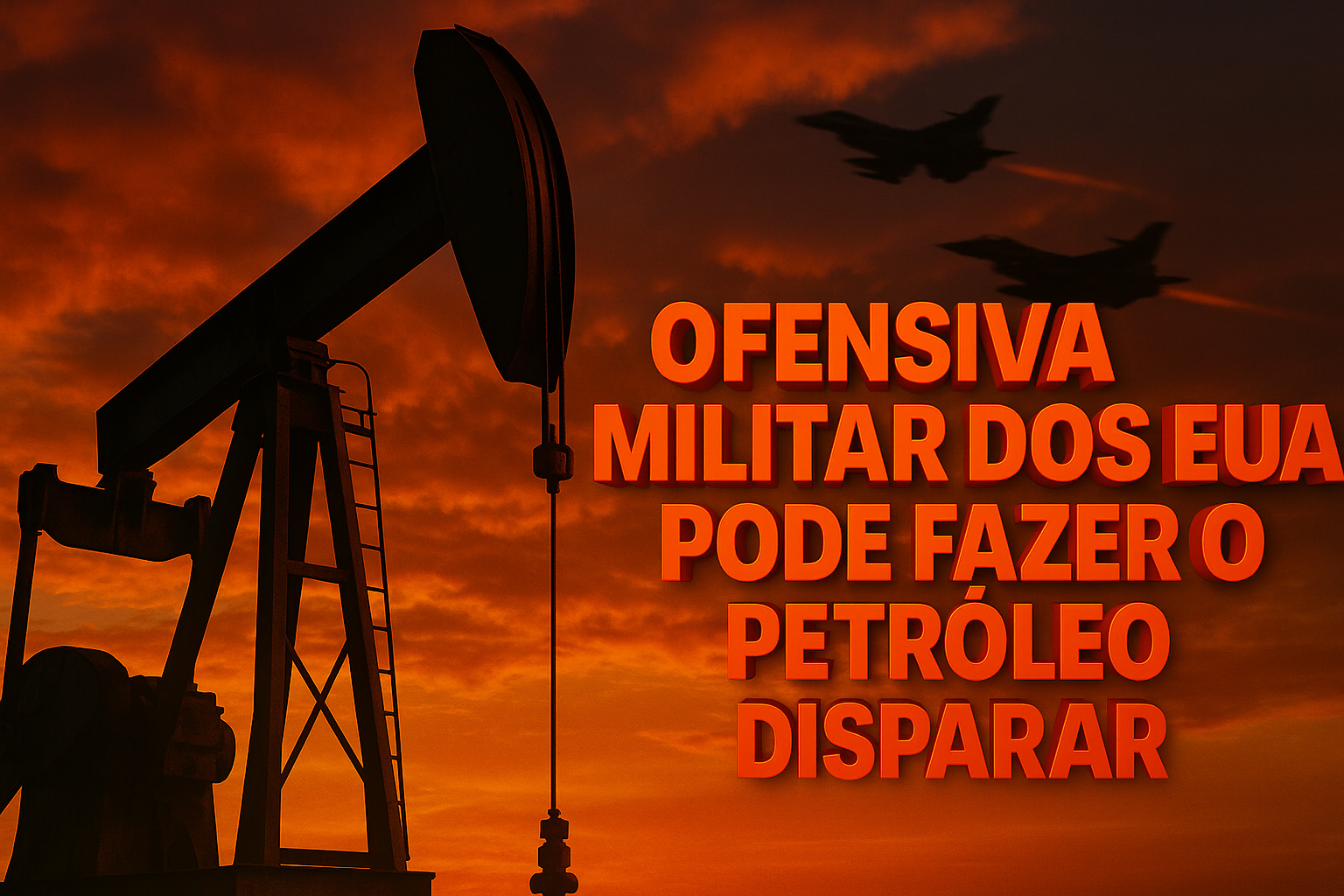
Experts Point Out Risk of New Oil Shock, Flight to Gold, and Global Impact After Attack on Nuclear Facilities in Iran
A high-impact military offensive, led by the United States, stirred the international scene in June 2025.
The airstrike hit the nuclear facilities in Fordow, Natanz, and Isfahan, in Iran, generating a strong response from global markets.
According to international analysts, the action has already raised oil prices to levels between US$ 90 and US$ 130.
-
USA and China compete for Brazil over resources that could be worth trillions — rare earths put the country at the center of a global dispute

-
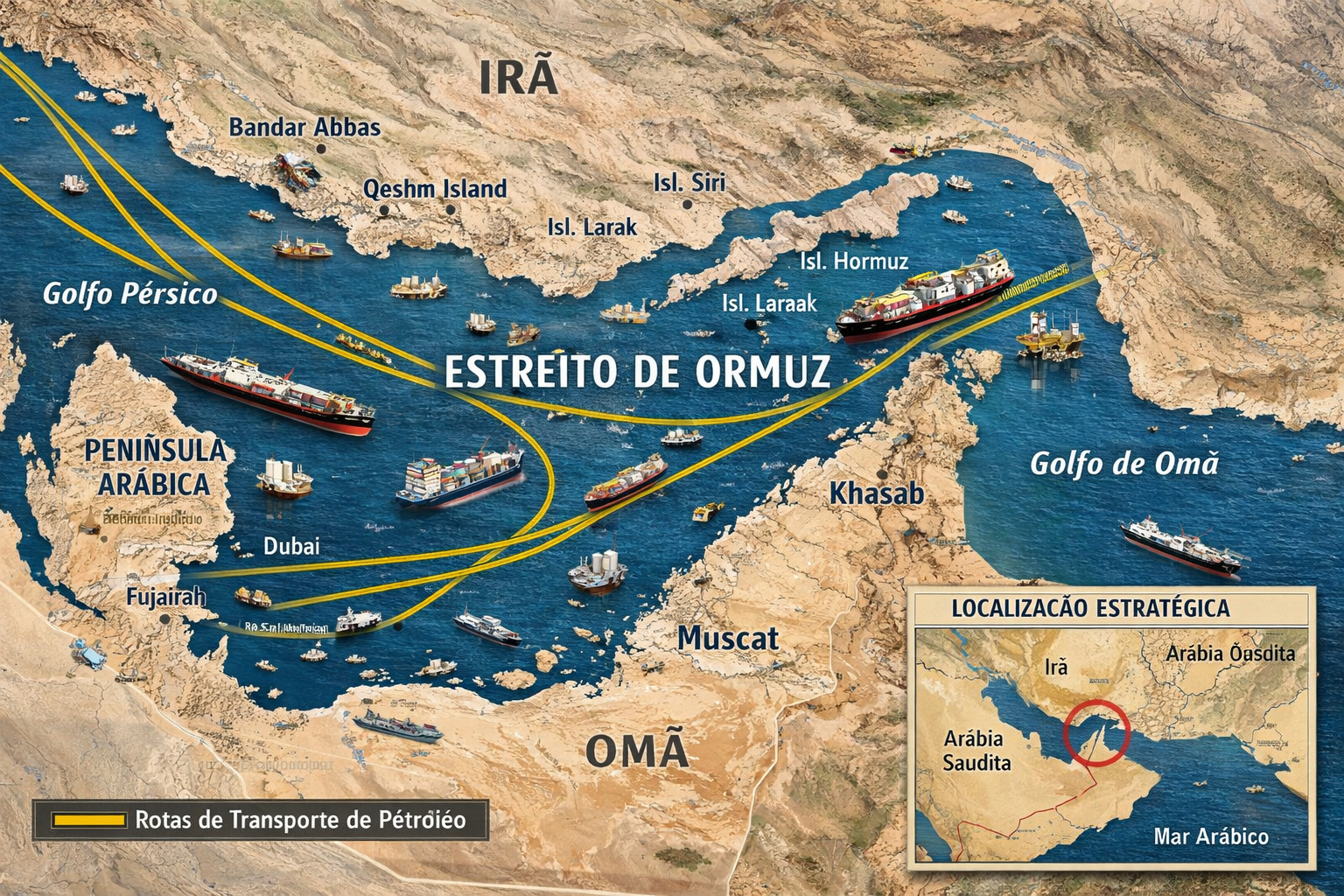
Global summit with over 40 countries pressures Iran for a blockade in the Strait of Hormuz and warns of direct impact on oil, food, and the global economy.
-
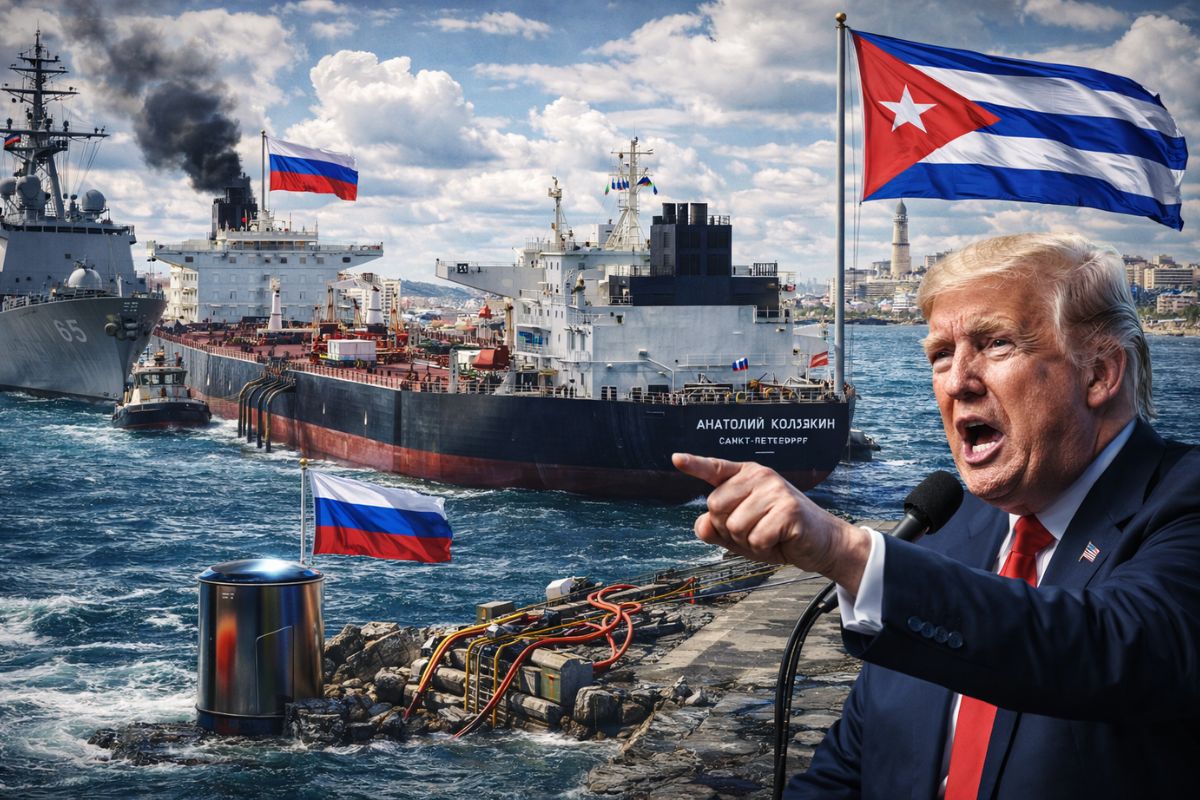
Russia has broken the U.S. maritime blockade to send oil to Cuba and is now loading a second ship while Trump says that “Cuba is next” in a possible military action against the island.
-
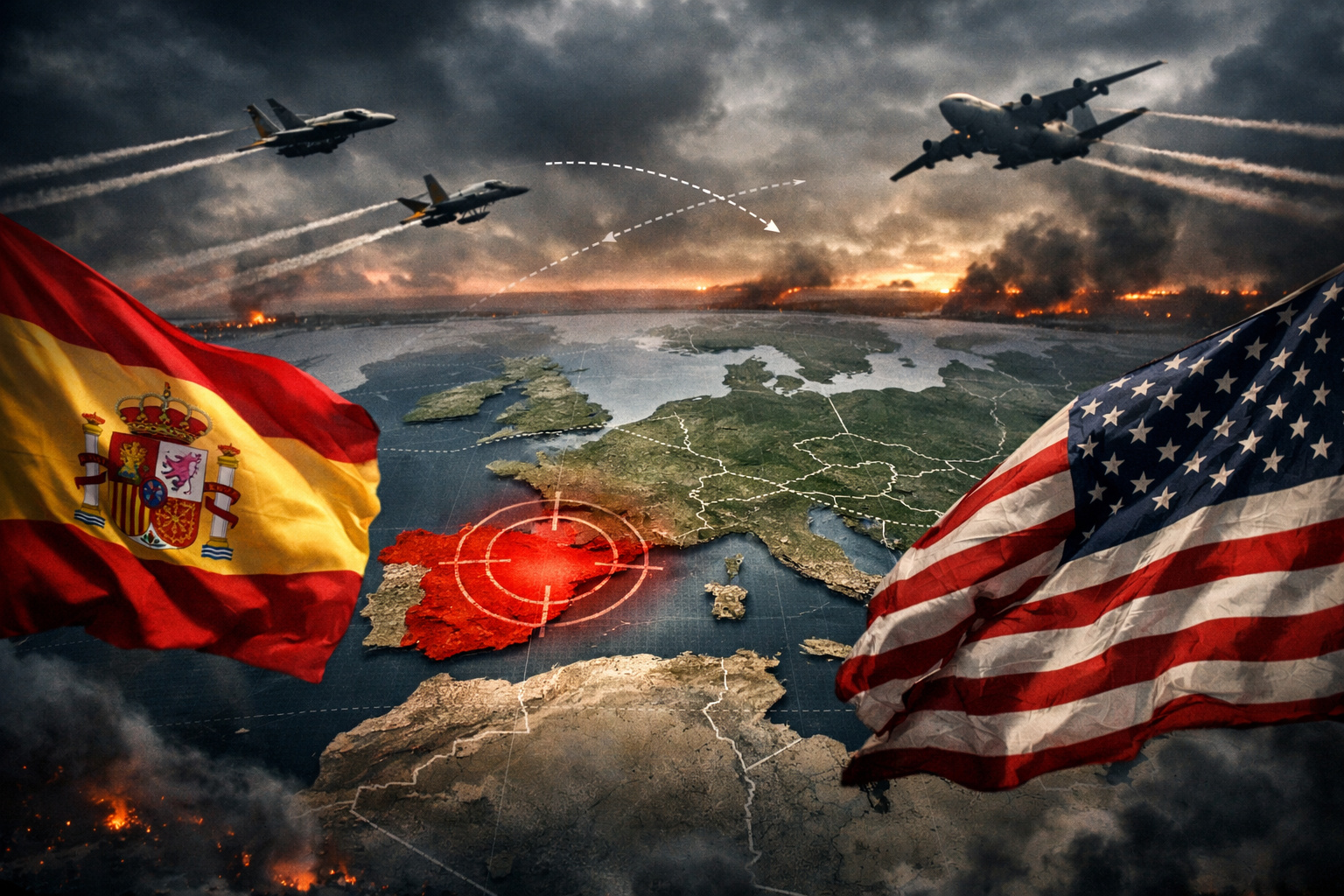
Spain challenges the USA and closes its airspace for operations against Iran, raising global tension and provoking the threat of a trade rupture.

Moreover, it triggered a rush for safe-haven assets, such as gold and U.S. Treasury bonds, in addition to increasing volatility in stock and currency markets.
This scenario creates a high-tension economic environment, with projections that directly depend on the reaction of Tehran and the risk of closing the strategic Strait of Hormuz.
Military Attack Intensifies Tensions in the Persian Gulf
The attack occurred on the night of June 21, 2025.
The then U.S. President, Donald Trump, celebrated the “successful attack” on his social media, stating: “Now is the time for peace”.
However, the Iranian government classified the offensive as a “savage military attack”.
As an initial response, the Iranian Parliament approved a motion to block the Strait of Hormuz.
The measure will still be evaluated by the Supreme National Security Council, but it already adds a factor of uncertainty to the scenario.
— Donald J. Trump (@realDonaldTrump) June 21, 2025
Markets React with Strong Surge in Oil Prices
According to Nigel Green, CEO of deVere Group, “The U.S. attack on Iran is a turning point for the markets”.
He warns that a potential Iranian retaliation could drive oil barrel prices to US$ 130.
For his part, Hugo Queiroz, partner at L4 Capital, sees the shock as “specific and localized”, projecting prices between US$ 90 and US$ 100.
Still, the movement already favors the profit margins of oil and gas companies.
Direct Impact on Emerging Market Stocks and Currencies
Risk aversion affects not only the U.S. but also Brazilian assets and those from other emerging countries.
According to Arthur Horta, partner at The Link Investimentos, there will be penalties for export sectors, such as:
- Meat Processors
- Mining Companies
- Pulp and Paper Companies
On the other hand, Brazilian oil companies are expected to benefit from selling oil at higher prices.
Search for Safe-Haven Assets Increases
The chief economist of Allianz, Mohamed El-Erian, predicts:
- Increase in oil prices
- Pressure on stocks
- Appreciation of gold
Furthermore, he highlights that the yields of Treasuries may fluctuate uncertainly, reflecting the increase in global risks.
Gold, Silver, and Copper on the Rise
Eduardo Velho, chief economist at Equator Investimentos, also points out:
- Increase in prices of gold, silver, and copper
- Potential impact on Brazil’s trade balance
However, he warns of a possible inflationary spike in the country.
Closure of Hormuz is the Major Fear
Currently, 63% of bets in the Polymarket estimate a closure of the Strait of Hormuz.
In contrast, the consultancy Eurasia assesses this chance at only 20%.
Still, analyst Pedro Galdi, from AGF, states:
“If Hormuz is closed, global inflation will feel the impact quickly”.
Jefferson Laatus, from Grupo Laatus, adds:
“A drastic increase in oil and the dollar would be immediate, further complicating interest rate cuts by the Fed”.
Technology Market Reacts Divided
In the technology scenario, reactions vary.
The mega-investor Bill Ackman stated that the offensive may benefit Ukraine and penalize Russia.
Meanwhile, Daniel Ives, analyst at Wedbush, stated that the attack was inevitable and now removes bearish pressure from the sector.
He maintained buy recommendations for stocks like Nvidia and Amazon.
Experts See Volatile Scenario, Yet No Prolonged War
According to Ian Bremmer, CEO of Eurasia, the conflict between Israel and Iran remains, for now, limited and spectacular.
He characterizes the episode as a “TikTok-style war”, which pleases Trump’s political base.
However, he warns that diplomacy remains stalled, keeping the risk landscape open.
How the Situation Affects Brazil
For Brazil, the increase in oil prices:
- May benefit the trade balance
- However, poses a risk of inflation
Additionally, travel and technology companies may face difficulties, given the current volatility.
What do you think: Will the impact be temporary, or could the crisis lead to a new prolonged cycle of high oil prices and global instability?








-

Uma pessoa reagiu a isso.