





 Portuguese
  English
  Spanish
  3 min of reading
  0 comments


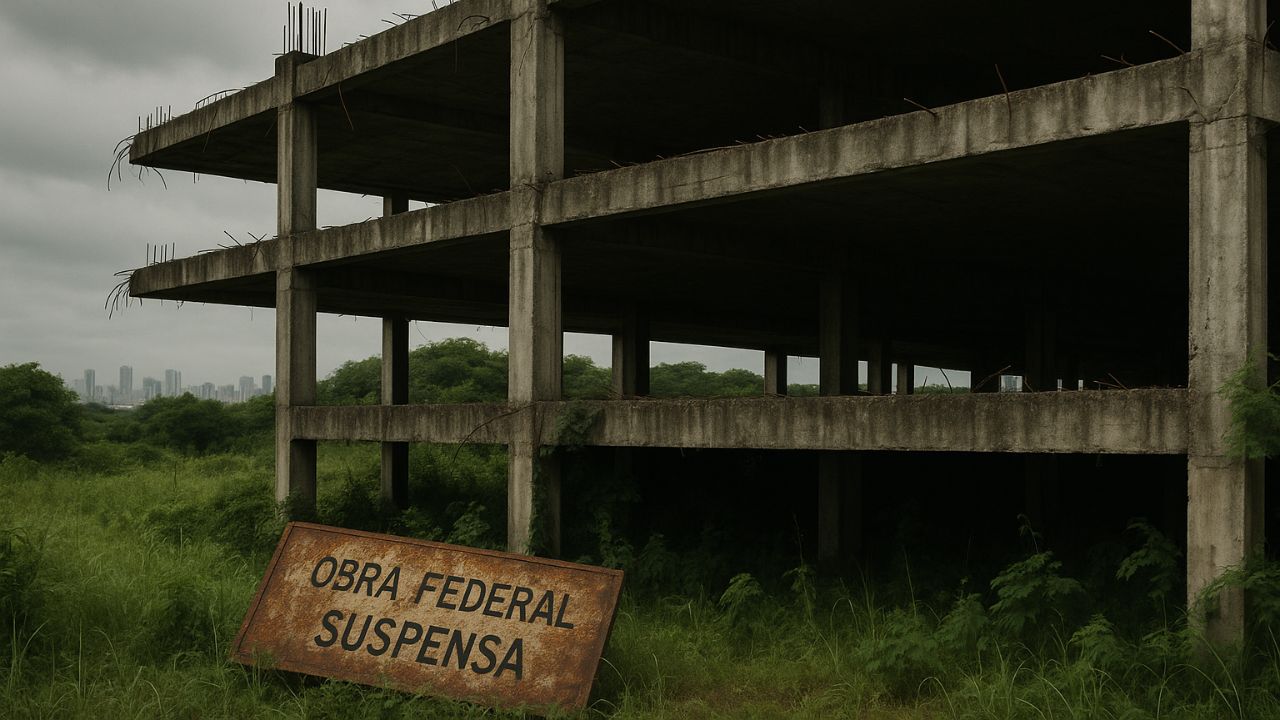
Incomplete Projects Cause Billion-Dollar Losses, Hinder Development, and Affect the Lives of Brazilians and National Construction.
Brazil faces the ghost of unfinished public works. There are concrete skeletons, unused schools, empty hospitals. A “graveyard of billions” in resources and hopes. About 14,000 abandoned construction projects total R$144 billion, with R$10 billion already lost.
The Portrait of Waste in Construction
The expression “Graveyards of Billions” means lost potential and unfulfilled promises. The impact goes beyond financial, resulting in a lack of basic services and shaking public trust. The R$10 billion already spent without return is just the tip of the iceberg. Costs of deterioration and missed economic opportunities worsen the losses from halted construction.
Alarming Numbers in Incomplete Works
The crisis is vast. In 2019, the TCU identified 14,000 stalled projects, totaling R$144 billion (37.5% of active contracts). More recently, the agency indicated 8,600 stopped federal works. The CGU, in 2024, revealed that in analyzed municipalities, 39% of parliamentary amendment works had not even started, and 5% were halted. There is a lack of a unified monitoring system for public construction.
-
Sleeping at different times each day can be a bomb for your heart and even double your risk of having a heart attack.

-
Without help and without heavy machinery, a woman builds a house from scratch with stone, wood, and cement, erects a chimney, creates a complete leisure area, and transforms an empty lot into her dream home.
-
Couple transforms abandoned house after years of being closed; residence was overgrown with weeds, had a green pool, and a deteriorated structure in the interior of Rio de Janeiro.
-
Hidden marks on the walls of the site associated with the Last Supper of Jesus for centuries have been deciphered in Jerusalem, revealing medieval inscriptions left by pilgrims, European nobles, and travelers from the Middle East.


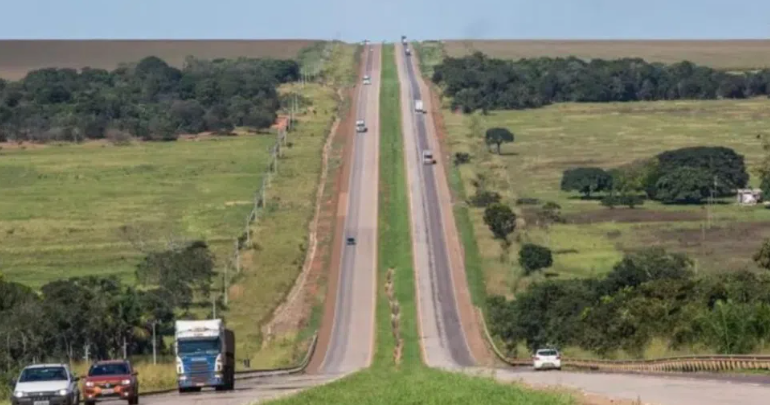
Concrete Example of the Cost of Stalled Construction: The halt of infrastructure projects, such as stretches of the highway BR-163, vital for agricultural flow, illustrates the loss well. According to a study by CBIC, incomplete stretches of this road construction caused daily estimated losses of US$400,000 due to disrupted truck traffic. Completing corridors like the BR-163 in the Northern Arc could generate annual gains of US$765 million by reducing freight costs.
Multiple failures lead to the abandonment of construction projects, such as:
Poor Planning: Poorly developed projects from the outset.
Weak Management: Low technical capacity of municipalities and states.
Financial Problems: Lack of resources, disruption of flows, politicization of funds.
Contractual Failures: Abandonment by companies, culture of add-ons.
Bureaucratic Hurdles: Outdated legislation, delays in licenses, irregularities.
Impacts of Incomplete Construction
The consequences are severe:
- Direct Financial Loss: R$10 billion lost, in addition to costs of deterioration.
- Economic Impact: CBIC (2018) estimated a loss of 0.65% of potential GDP per year.
- Social Damages: Thousands of schools and daycare centers halted (2,485 according to Transparência Brasil in 2022). Sanitation issues affect public health.
- Urban Degradation: “White elephants” generate insecurity, devalue properties, and increase disbelief in politics.
Waste in Construction: Critical Sectors and Regions
The problem is more severe in certain areas:
Sectors: Education leads the ranking of halts, with 2,485 stalled schools and daycare centers (Transparência Brasil, 2022). Health, sanitation, and transportation are also heavily affected.
Regions: More than half of the halted education works are concentrated in Maranhão, Pará, Bahia, Amazonas, and Minas Gerais. Alarmingly, 94% of these works are the responsibility of municipalities.
Can We Count on Any Hope?
Some actions aim to reverse the scenario of stalled construction:
Pact for Education: Law No. 14,719/2023, with R$4.1 billion, reduced the number of halted or unfinished education works from 5,642 to 2,902 in a year.
Oversight: CNJ, TCU, and CGU are involved in diagnosis and oversight.
Challenges: The scope of the problem requires ongoing and comprehensive efforts.
The “Graveyards of Billions” are an open wound that demands urgent action. It is necessary to change the culture, focusing on efficiently completing construction works and addressing the causes of abandonment. Strengthening management, depoliticizing investments, and simplifying processes are crucial steps. Brazil needs to transform public resources into real benefits for the population.








Seja o primeiro a reagir!