





 Portuguese
  English
  Spanish
  4 min of reading
  0 comments


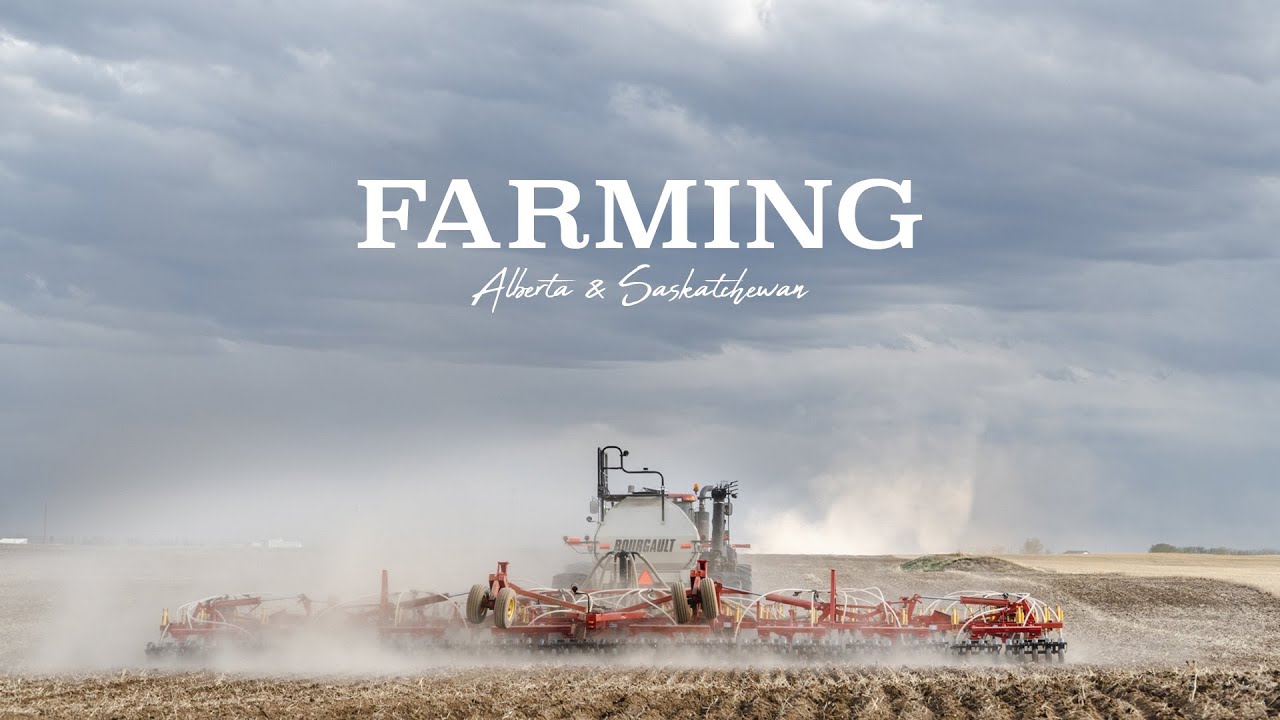
Even With −40 °C In Winter And Only 100 Days Of Planting, The Prairies Of Canada Produce Over 75 Million Tons Of Grain And Sustain Part Of The World.
For much of the year, the soil remains frozen, rivers become ice roads, and the landscape is dominated by snow and biting winds. Still, one of the most productive agricultural regions on the planet operates under these extreme conditions. We are talking about the Prairies of Canada, which mainly encompass Saskatchewan, Alberta, and Manitoba, responsible for a decisive share of global grain, oilseed, and legume production. What at first glance seems incompatible with large-scale agriculture has transformed, over decades, into one of the most efficient and technologically advanced agribusiness systems in the world.
Where Is The Region That Defies Extreme Cold And Sustains Canadian Agribusiness
The Canadian Prairies cover millions of hectares in the center of the country and concentrate some of the largest continuous farms on the planet.
The climate is severely continental, with winter temperatures frequently reaching −30 °C to −40 °C, while the summer is short, intense, and decisive. Agriculture relies on a productive window of about 90 to 110 days, during which nearly the entire crop cycle must occur without flaws.
-
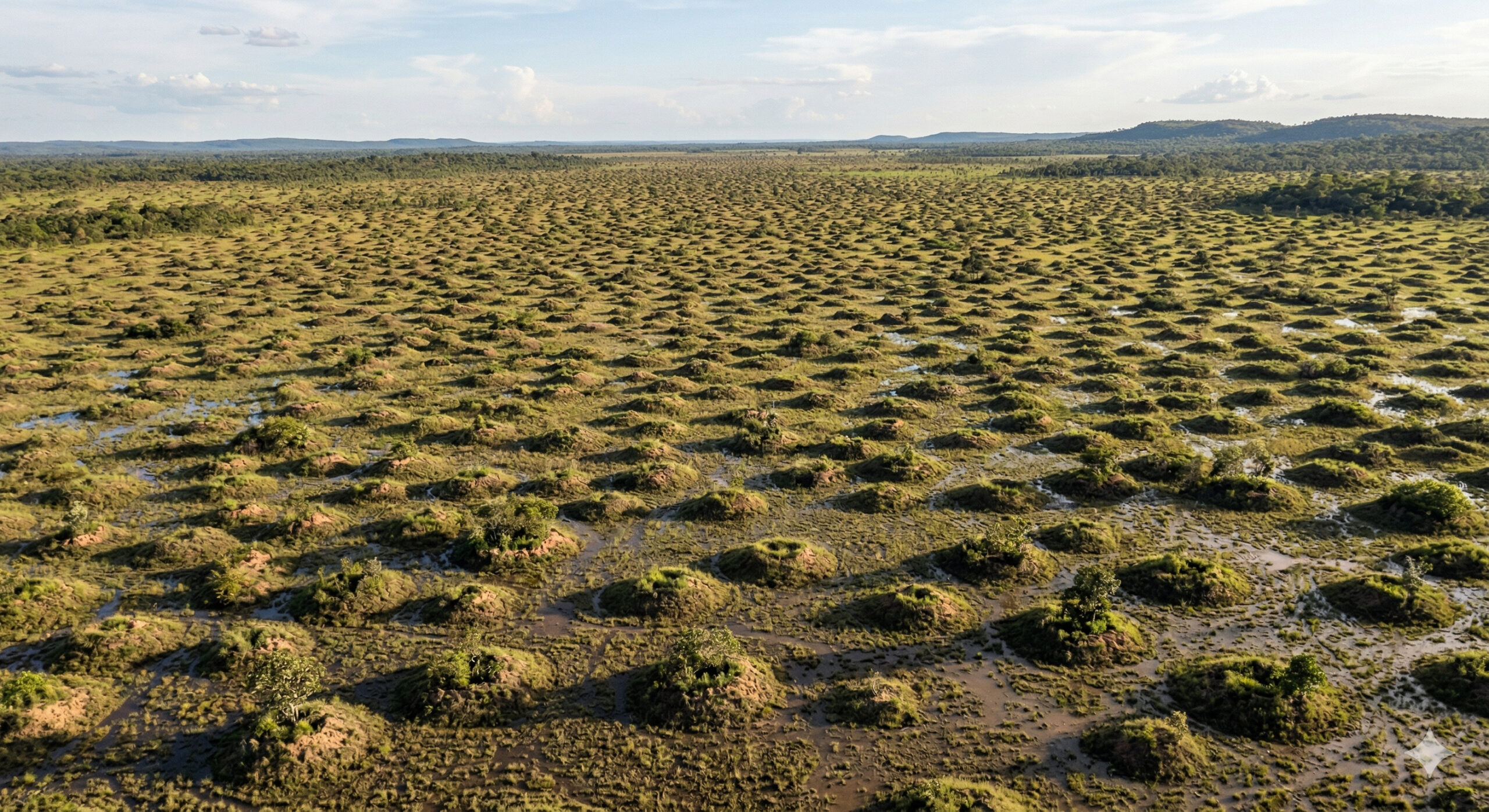
In the Brazilian Cerrado, the fields of murundus spread thousands of mounds up to 20 meters in diameter and over 1.5 meters in height in almost regular patterns over waterlogged soils, and the most accepted explanation points to termites reshaping the land for centuries until creating a landscape that looks drawn from above.
-
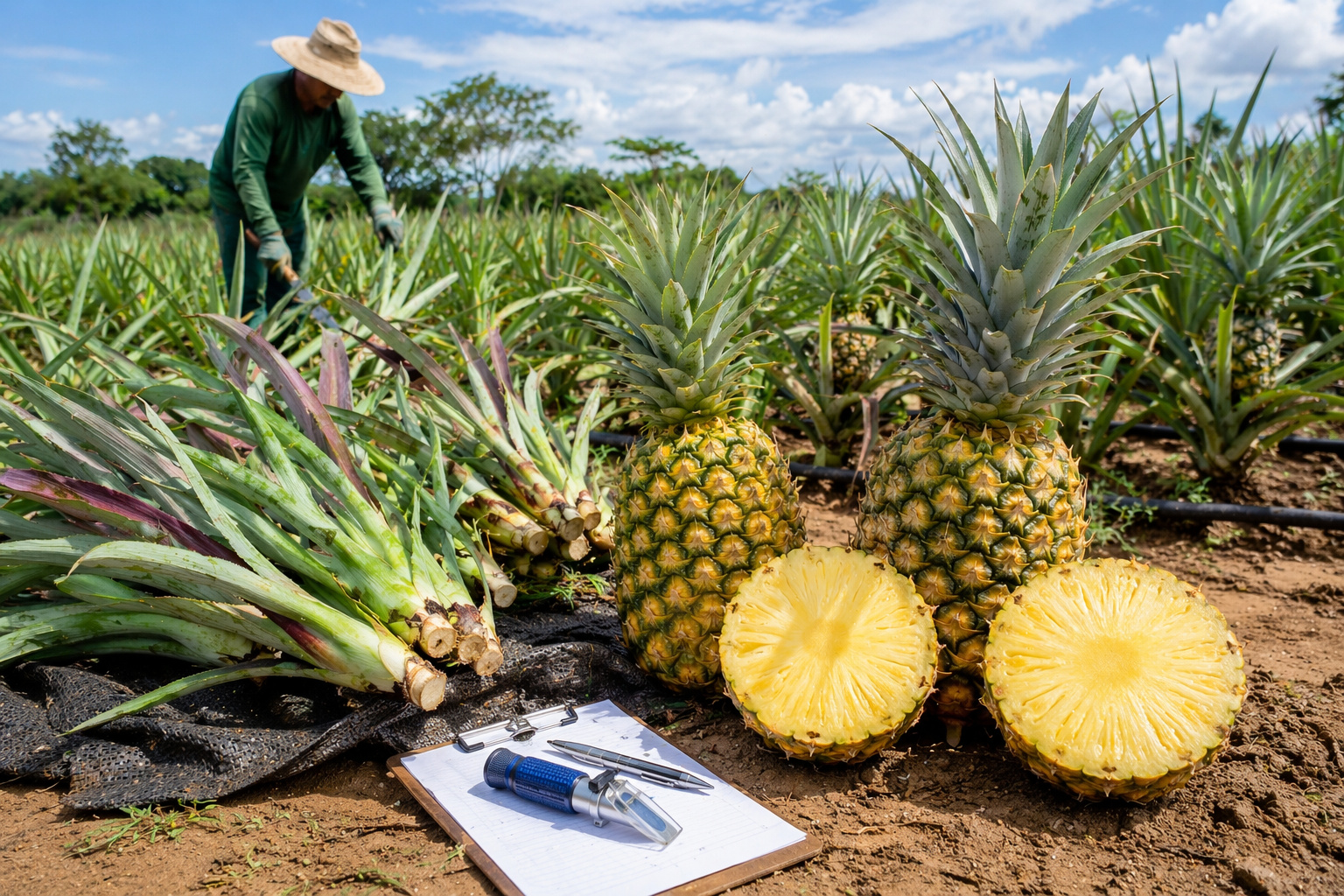
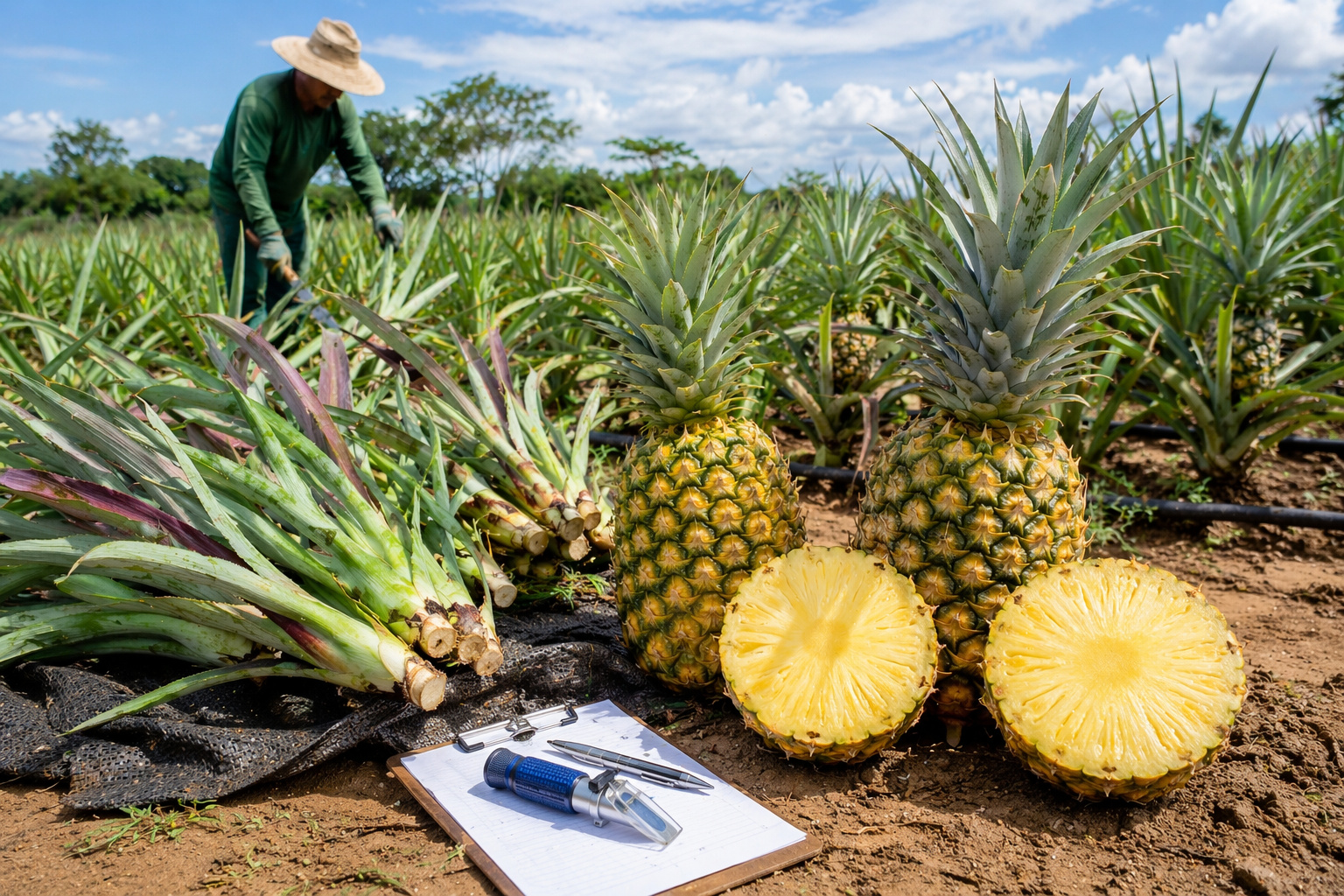
Spiny-free pineapple, sweeter and more resilient: Mato Grosso develops new cultivars that promise to reduce losses from fusariosis and increase productivity in the field.
-
Agro Machinery: discover the new technology aimed at impacting agriculture by professionalizing the buying and selling of agricultural machinery with precise data, more security, and fairer negotiations among producers.

-
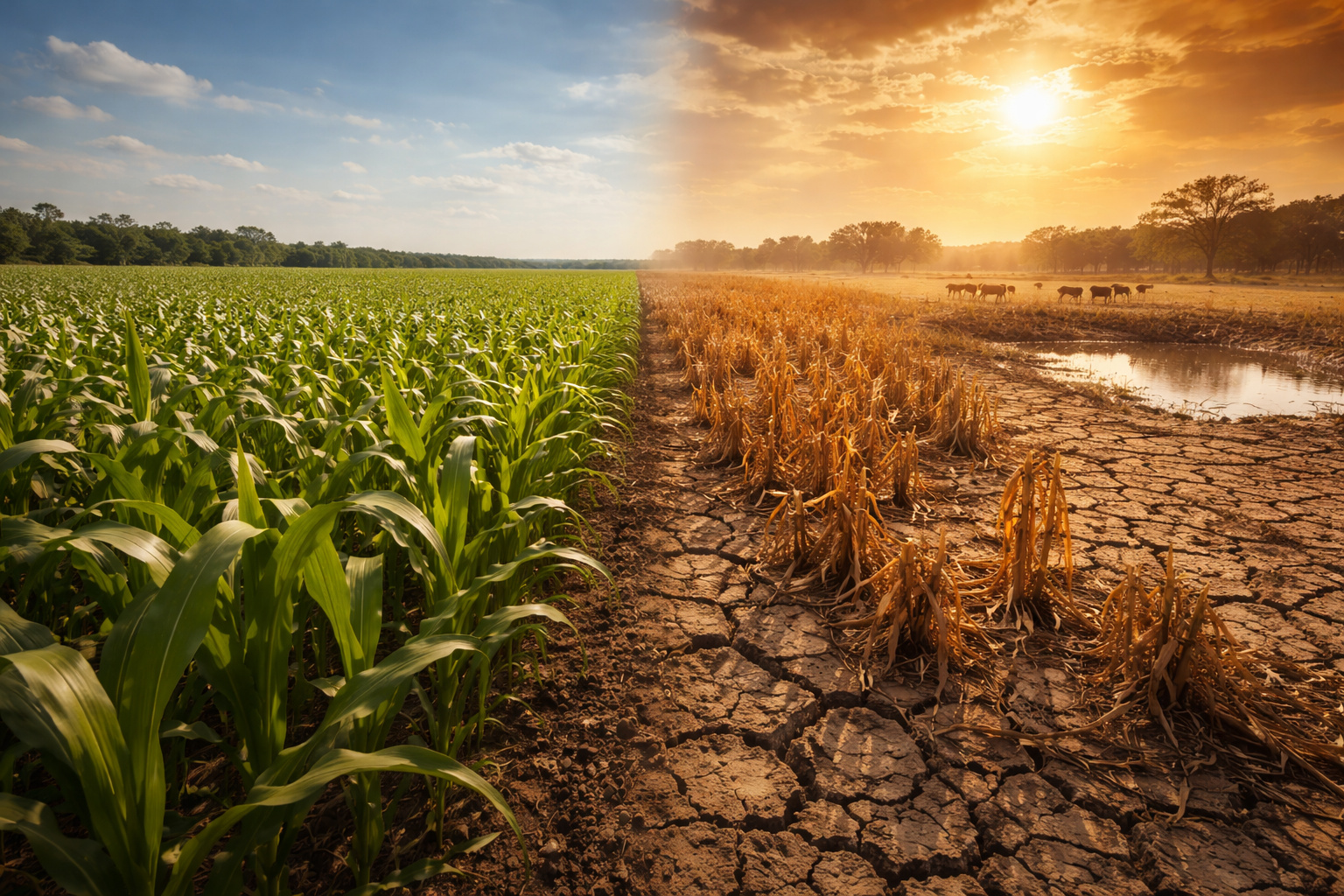
Extreme heat is already invading crops, reducing productivity and putting pressure on livestock, fishing, and forests worldwide, and data from the FAO shows that the increase in temperatures has shifted from being a climate risk to a direct threat to global food production.


Despite these limitations, Canada consistently ranks among the largest global exporters of wheat, canola, barley, lentils, and peas, with the Prairies accounting for the majority of this production. The annual grain harvest alone exceeds 75 million tons, a figure that places the region at a level comparable to major agricultural belts in tropical countries.
How A Short 100-Day Summer Supports Giant Harvests
The secret lies not in favorable weather, but in genetic adaptation, extreme planning, and cutting-edge agricultural technology. The varieties cultivated in the Prairies have been selected over decades for ultra-quick cycles, cold tolerance, and high photosynthetic efficiency.
In many cases, wheat and canola seeds complete the entire cycle from planting to harvest in less than three months.
Summer, despite being short, offers long days, with up to 16 or 17 hours of sunlight at certain times. This abundance of radiation partially compensates for the short season and accelerates plant development. Every day counts, and any delay in planting can jeopardize the entire harvest, which explains the almost military level of organization in the regional agricultural calendar.
The Role Of Soil And Continental-Scale Mechanization
Another pillar of productivity is the soil of the Prairies, formed by extensive areas of chernozem and soils rich in organic matter, accumulated over thousands of years under natural vegetation. These soils exhibit excellent retention of nutrients and water, which is crucial in a region where thawing and rain are concentrated in a few months.
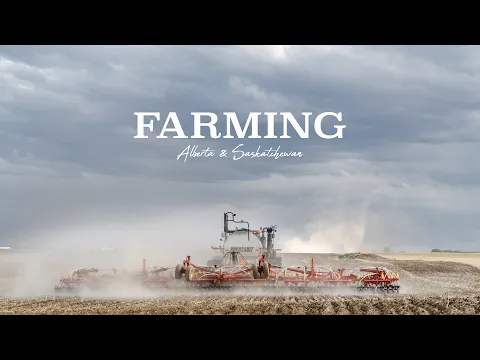
Mechanization operates on a massive scale. High-power machines, planters with dozens of meters in width, and harvesters capable of working 24 hours a day during the ideal window are common.
The logic is simple: when the weather allows, there is no time to waste. Every hour of operation can represent thousands of additional tons in the final harvest.
Canola, Wheat, And Legumes: The Pillars Of Production
Canola, developed from rapeseed by Canadian scientists, is one of the biggest symbols of agricultural success in the region. Canada is the world’s largest producer and exporter of the oilseed, used for both cooking oil and biodiesel. The spring wheat from the Prairies is an international reference for quality and protein content, supplying markets in Asia, Africa, and the Middle East.
Moreover, the region dominates the global production of dried lentils and peas, crops that have adapted well to the cold climate and short cycle. In some years, Canada accounts for over 30% of the global trade of these legumes, essential for food security in various countries.
Precision Agriculture And Extreme Climate Management
Unlike tropical regions, where the main risk is excess rain or pests, in the Prairies the greatest enemy is the weather. Late frosts, rapid droughts, or out-of-season rains can compromise entire harvests.

To mitigate these risks, Canadian agribusiness has heavily invested in precision agriculture, soil sensors, advanced weather forecasts, and satellite monitoring.
The use of direct planting, crop rotation, and conservation tillage is also essential. These practices help retain moisture, reduce erosion, and preserve fertility in a naturally hostile environment. The result is a highly resilient agricultural system, capable of maintaining productivity even under intense climatic variations.
Logistics, Export, And Global Impact
Producing a lot in an extreme environment would not be enough without efficient logistics. The Prairies are connected to strategic rail corridors that transport grains to the ports of Vancouver, Prince Rupert, and Thunder Bay. From there, the production goes to dozens of countries, making Canada one of the pillars of global agricultural trade.
This constant flow transforms an apparently isolated region into a key piece of global food security. In years of crop failure in other parts of the planet, Canadian grains help stabilize prices and supply, reinforcing the geopolitical weight of the country’s agribusiness.
Why This Extreme Region Became A Global Reference
The success of the Canadian Prairies did not come from ideal natural conditions, but from the combination of science, agricultural engineering, plant genetics, and operational discipline.
Instead of fighting the climate, the region learned to work within its limits, exploiting every possible advantage.
Today, this frozen area, with brutal winters and lightning-fast summers, proves that agricultural productivity does not depend solely on warmth and abundant rainfall. With technology, planning, and scale, even one of the harshest climates on the planet can be transformed into one of the largest food factories in the world.








Seja o primeiro a reagir!