





 Portuguese
  English
  Spanish
 4 min of reading
  0 comments


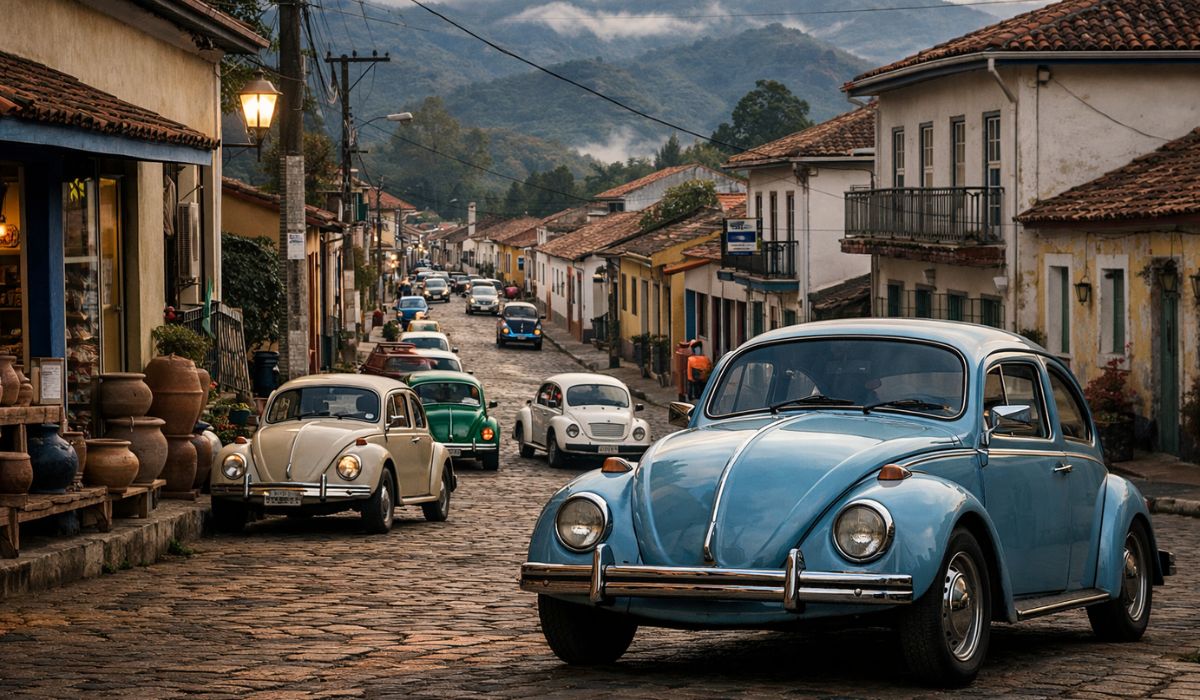
Among classic cars, artisanal tradition, and mountain landscapes, a paulista municipality maintains habits and references that continue to attract the attention of tourists, residents, and admirers of cultural elements that resist the changes of time.
Cunha, in the interior of São Paulo, has consolidated an uncommon characteristic amid the constant renewal of the Brazilian fleet.
In the mountain city, the Volkswagen Beetle remains visible on the streets and is part of local daily life, which has led the municipality to be referred to, in reports and by event organizers, as the “National Capital of the Beetle”.
The municipality had 22,110 residents in the 2022 Census and 22,460 in the 2025 estimate, according to IBGE.
-
Goodbye dish rack: a new model of dish rack is gaining popularity in Brazilian kitchens for being more hygienic, compact, easy to store, and also reducing mold on countertops.

-
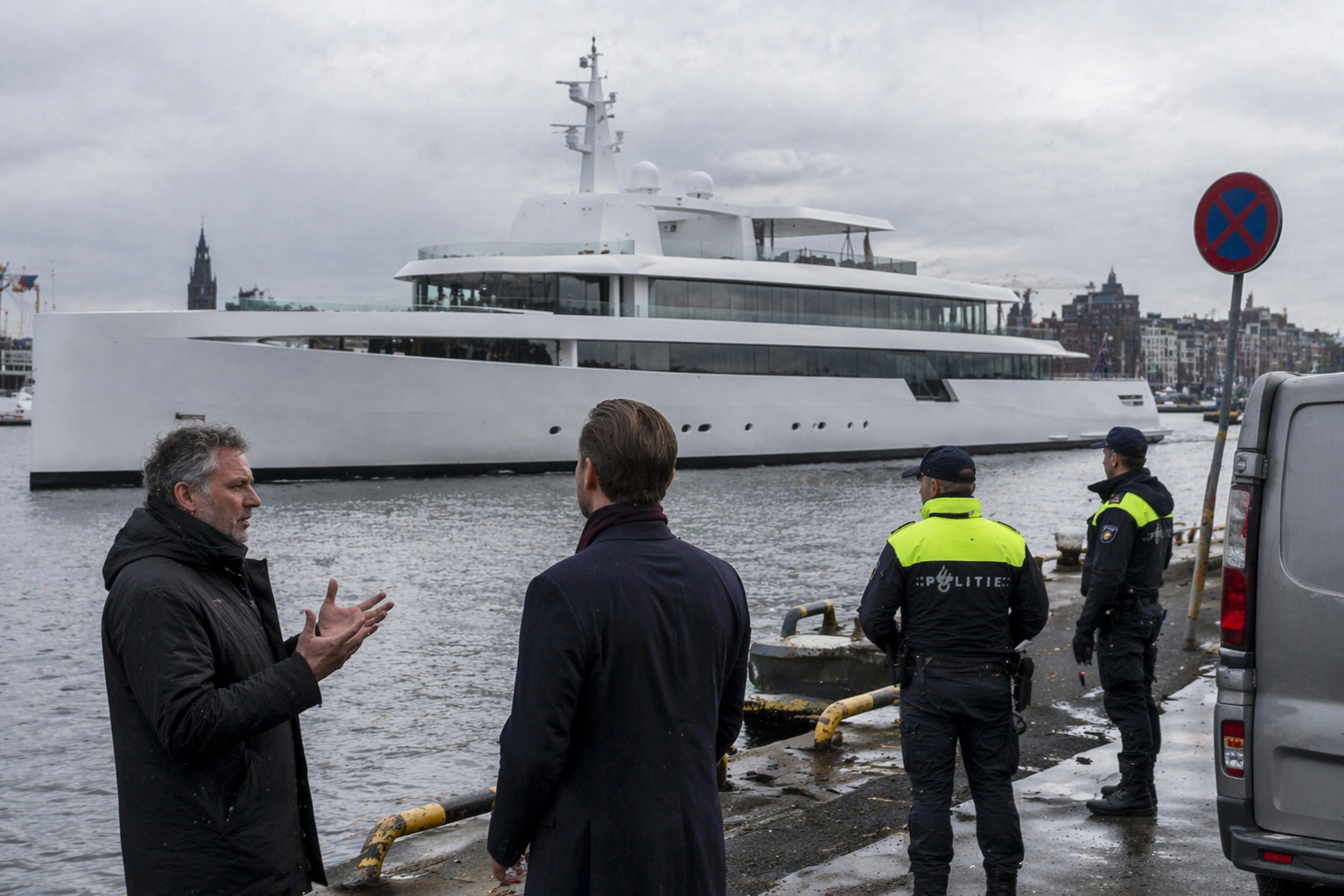
The secret superhero of Steve Jobs that took five years to come to life was blocked before its premiere due to an unexpected debt of millions — and the reason behind the blockage in Amsterdam still surprises today.
-
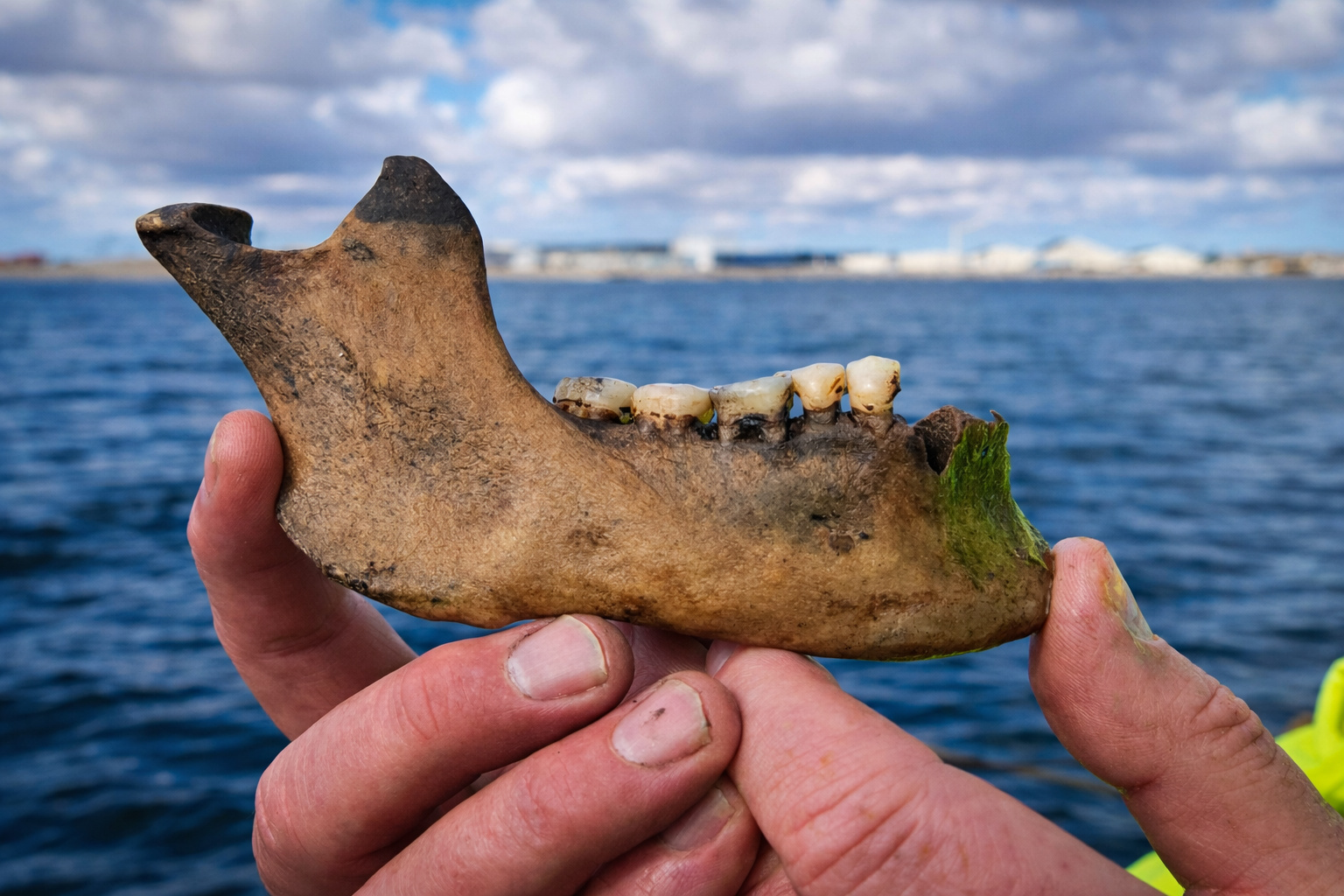
After 225 years, a Danish warship is found, bringing details of a historic battle, preserving objects, and clarifying an explosion at sea.
-
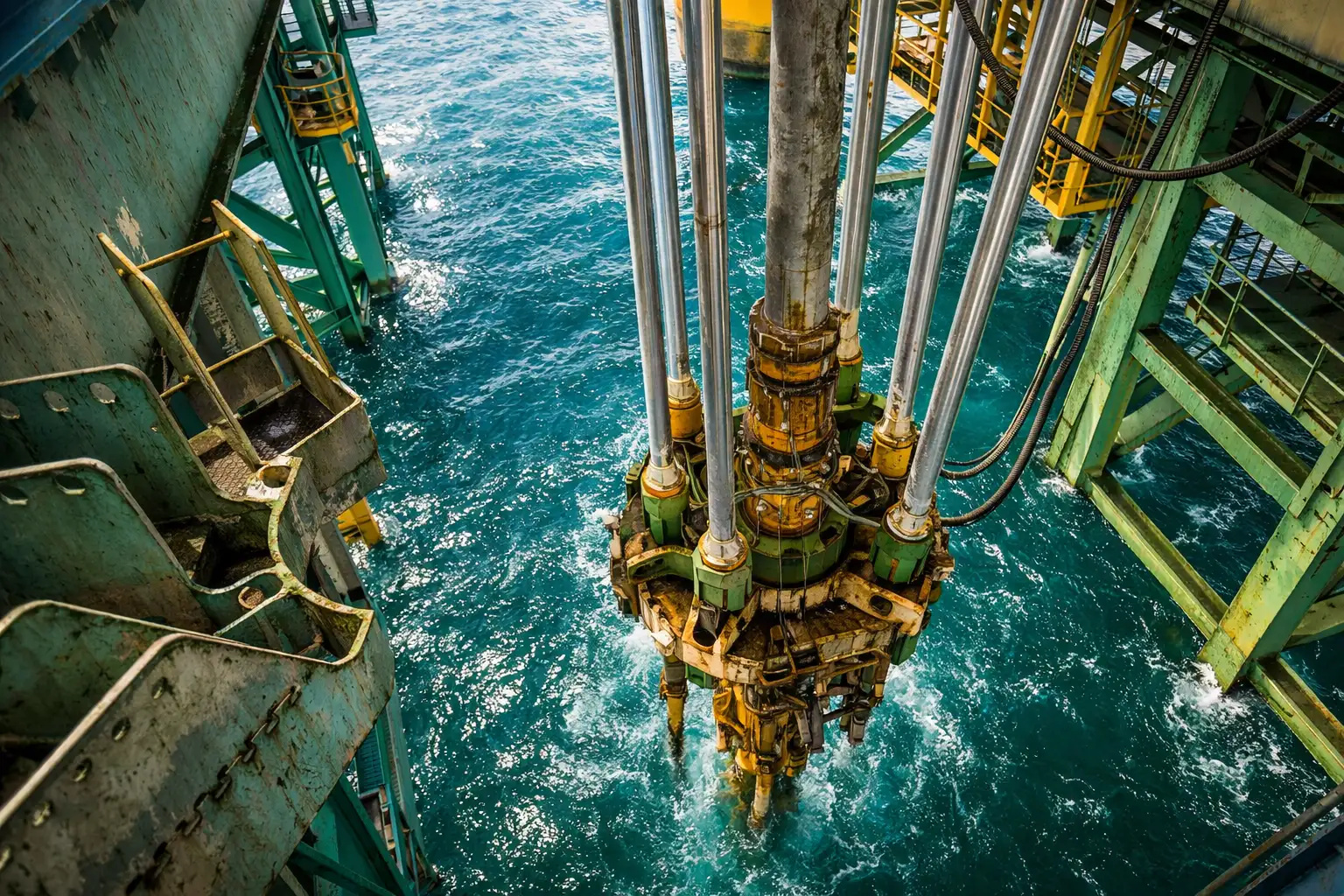
At 2,300 meters below sea level and with a length of 316 meters, the platform in the pre-salt separates gas and water, stores 234 million liters of oil, and operates like a maritime city, housing more than 150 people in 14-day shifts.
Surveys cited in reports and by channels related to the local gathering indicate the existence of about 2,000 registered units of the model in the city.
In the most current proportion, this represents approximately one Beetle for every 10 inhabitants.
Beetle in Cunha is part of the city’s routine
In Cunha, the Beetle does not appear only as a collectible item or vehicle reserved for themed gatherings.
The model remains integrated into urban routine and is used for common commutes, according to records in recent reports about the municipality.
The frequent circulation of the car in different parts of the city helps explain the association between Cunha and the model.
The vehicle can be seen parked in commercial areas or circulating through local streets, indicating a use that goes beyond its historical character.

This bond is also manifested in events.
The municipality hosts the Fuscunha, a gathering dedicated to the model, which brings together owners and admirers.
The most recent edition announced by the organizers indicates the continuation of the event in the coming years, reinforcing its role in the local calendar and in the flow of visitors.
Location of Cunha and relationship with the Royal Road
Located in the Serra do Mar, in an area close to the border with the state of Rio de Janeiro, Cunha maintains a historical connection with routes used during the colonial period.
According to information from the city hall, the municipality was a passage point for drovers heading to the port of Paraty via the old Royal Road.
The city is about 45 kilometers from Paraty and a similar distance from Guaratinguetá.
The estimate of approximately 220 kilometers from the São Paulo capital appears in reports about the destination.
This location contributes to the tourist flow coming from both the Paraíba Valley and the Fluminense coast.
In addition to its geographical position, Cunha presents typical characteristics of mountain municipalities, with rugged terrain and areas of environmental preservation.
This context influences both urban dynamics and economic activities related to tourism.
Artistic ceramics strengthen tourism in Cunha
Another relevant element in the local identity is the production of artistic ceramics.
According to the city hall, Cunha has become one of the main hubs of the activity in South America since the introduction of high-temperature wood-firing techniques by ceramicists trained in Japan.
Among these techniques is the use of Noborigama type kilns, which have been adopted by studios in the region.
Official data indicate the existence of more than 20 artistic ceramic studios and five Noborigama structures in permanent operation in the municipality.

The local production attracts visitors interested in the artisanal process and in acquiring original pieces.
The activity also contributes to the city’s economy and to the diversification of tourism, which is not limited to natural attractions.
Although the original text mentions indigenous practices prior to colonization, there is no secure confirmation in the consulted sources that allows detailing the direct continuity of these techniques to contemporary ceramics.
It was also not possible to confirm with documentary precision the exact year of the introduction of the Noborigama model in the city.
Cultural tourism and mountain landscape boost the destination
Cunha receives visitors throughout the year, especially during cooler periods, when there is an increase in demand for mountain destinations.
The proximity to the coast also favors the movement of tourists traveling between regions.
The city combines natural attractions, artisanal production, and themed events.
In this context, both the presence of the Beetle and the artistic ceramics serve as elements that differentiate the municipality within the paulista tourist circuit.


Official records and reports indicate that these characteristics contribute to the consolidation of Cunha as a destination focused on cultural tourism and contemplation.
The persistence of local practices, associated with the landscape and history of the region, is frequently highlighted as part of the experience offered to visitors.
The combination of the circulation of vintage vehicles, artisanal production, and strategic location helps explain the recent visibility of the city in journalistic and tourist content.






Seja o primeiro a reagir!