





 Portuguese
  English
  Spanish
  6 min of reading
  0 comments


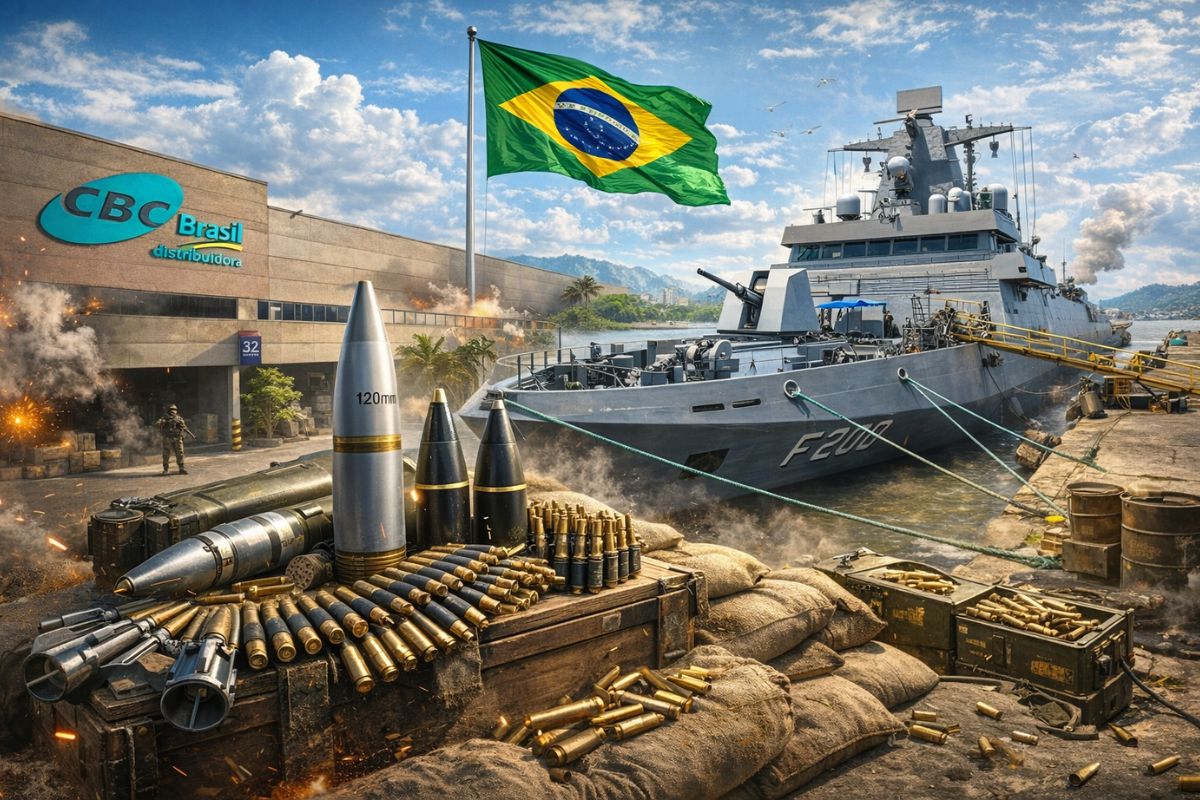
CBC, one of the largest manufacturers of military ammunition in the world, has signed an agreement with the Brazilian Navy to evaluate and develop national ammunition compatible with the weapon systems of the Tamandaré frigates, including the F200 built in Itajaí, in an initiative aimed at reducing dependence on foreign suppliers and strengthening the protection of the Blue Amazon.
One of the largest manufacturers of military ammunition on the planet is Brazilian and has just taken a strategic step for national defense. The Brazilian Company of Cartridges (CBC) has signed a memorandum of understanding with the Brazilian Navy to assess the compatibility of national ammunition with the weapon systems of the Tamandaré frigates, the new generation of warships that will patrol the Blue Amazon. The goal is clear: to reduce dependence on external suppliers and ensure that Brazil can produce domestically the ammunition its warships need.
The agreement comes at a time when the first frigate of the class, the Tamandaré (F200), is preparing to be officially incorporated into the Brazilian fleet. Built at the TKMS Estaleiro Brasil Sul shipyard in Itajaí, Santa Catarina, the F200 has already traveled 765 kilometers to Rio de Janeiro and is awaiting the Armament Showcase Ceremony scheduled for April. The partnership between CBC and the Navy connects two ends of national sovereignty: ships built in Brazil equipped with military ammunition developed and manufactured in Brazil.
Why CBC is considered a global giant in military ammunition

The Brazilian Company of Cartridges has nearly a century of operation and has established itself as one of the largest manufacturers of military ammunition in the world.
-
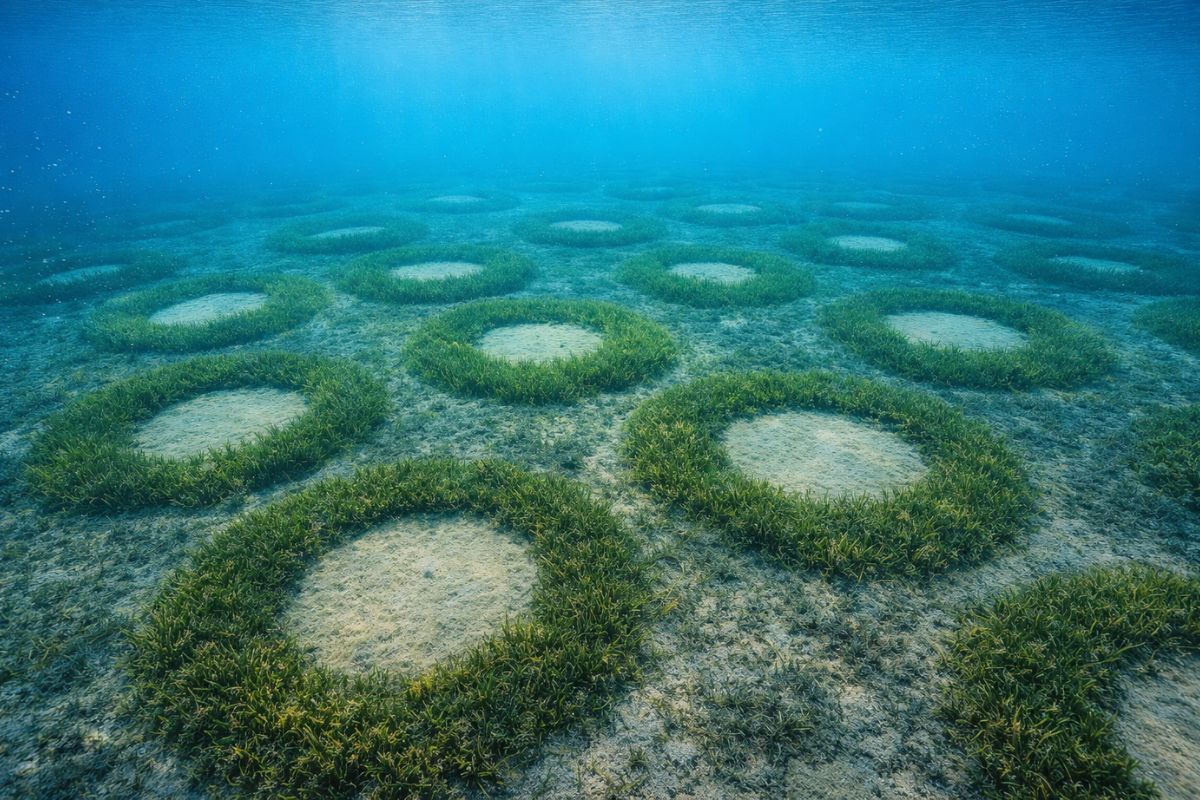
Scientists are baffled by hundreds of perfect circles that have emerged on the seabed in Scotland, formed by living seagrass meadows, and no one can explain whether it is nature self-organizing or something completely unknown to science.
-
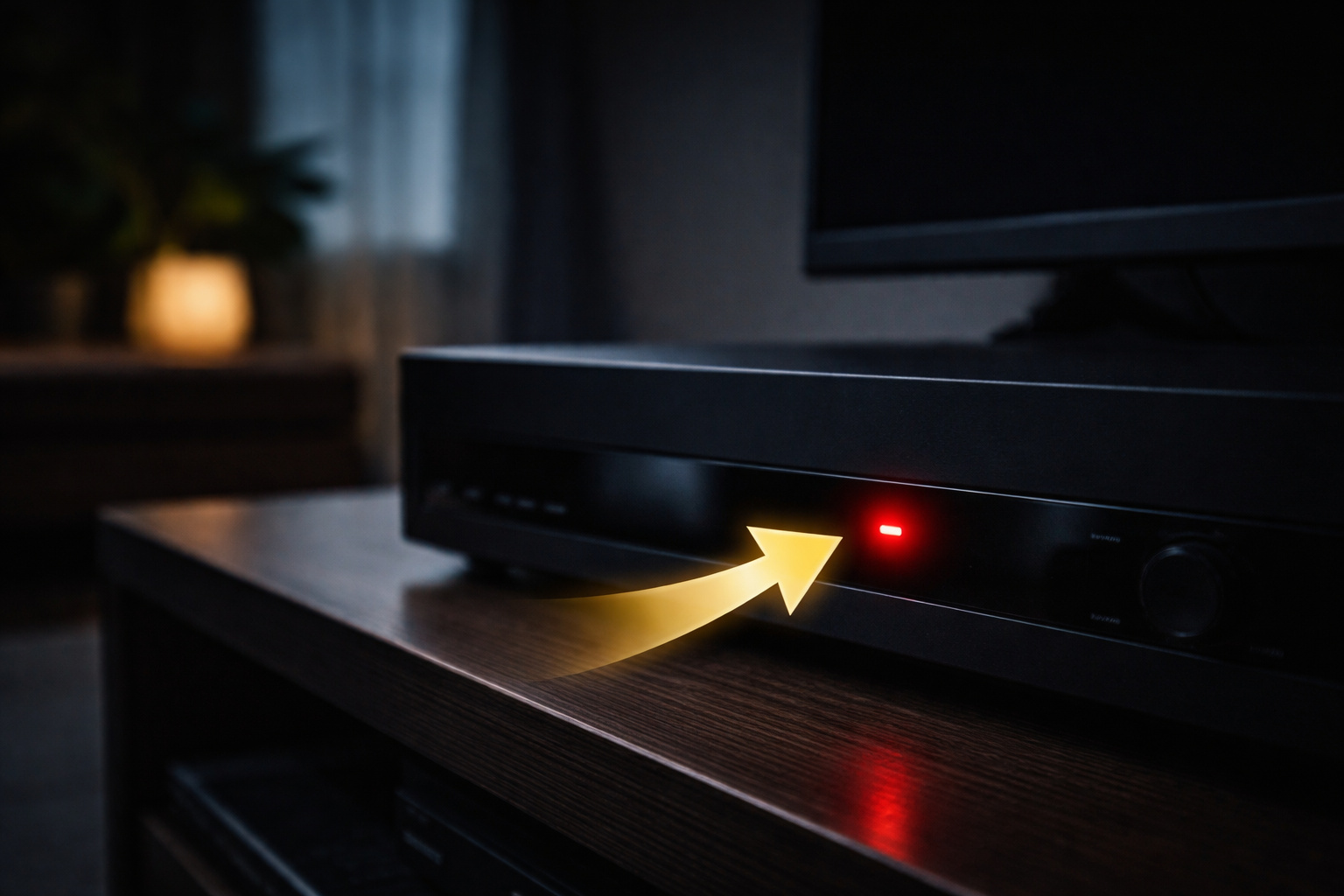
The energy consumption that goes unnoticed in millions of Brazilian homes does not come from the refrigerator or the air conditioner; it occurs even when everything seems to be turned off and can represent up to 12% of the electricity bill according to the International Energy Agency.
-
China has completed the world’s first terrestrial network capable of monitoring the entire space between the Sun and the Earth, an infrastructure with over 30 stations created to track solar storms in 3D and anticipate failures in satellites, communications, and power grids.

-
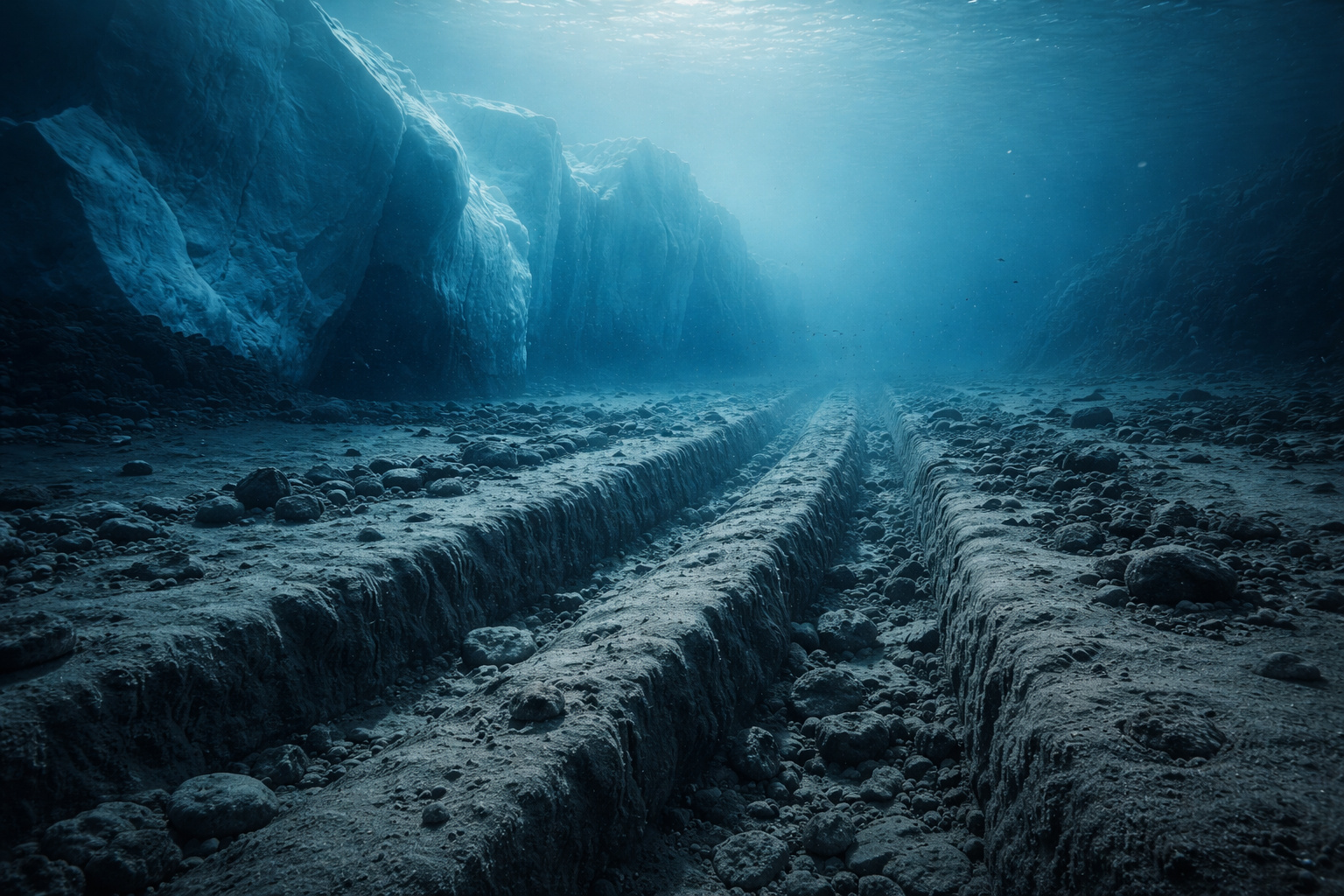
Hidden giants at the bottom of the North Sea reveal how 18,000-year-old icebergs help predict glacier collapse and rising oceans.

Classified as a Strategic Defense Company by the Brazilian government, CBC dominates the entire production chain from conception to final product, ensuring continuous production and mobilization capacity in any scenario.
The company’s portfolio includes a wide range of military ammunition for different operational applications, all developed with proprietary technology.
CBC supplies the Brazilian Armed Forces and is one of the main suppliers to NATO member countries. Its reliability is recognized in over 130 countries across five continents—a reach that few ammunition manufacturers in the world can match.
For the Navy, signing an agreement with a company of this size is not just a matter of convenience. It is a strategic decision.
In a scenario of conflict or international crisis, relying on imported ammunition means becoming vulnerable to embargoes, logistical delays, and political decisions from other countries. With CBC developing national ammunition compatible with the Tamandaré frigates, Brazil gains autonomy in a critical link of the defense chain.
What are the Tamandaré frigates and why do they need national ammunition

The Tamandaré class frigates represent the new generation of warships of the Brazilian Navy. Designed to operate in air defense, anti-submarine, and surface missions, they are equipped with modern sensors and integrated combat systems capable of identifying and tracking threats at long distances, including aircraft and drones.
The F200, the first of the class, was built at the TKMS Estaleiro Brasil Sul shipyard in Itajaí, using national labor and technology transfer. In addition to it, the program plans to build three more frigates: Jerônimo de Albuquerque (F201), Cunha Moreira (F202), and Mariz e Barros (F203), with staggered deliveries until 2029.
These are four warships that will need compatible military ammunition over decades of operation, and having this production guaranteed in Brazil is what the agreement with CBC seeks to ensure.
The technical cooperation between the Navy and CBC provides for the assessment of the compatibility of national ammunition with the weapon systems installed on the Tamandaré frigates. If the tests confirm the adequacy, Brazil will have the capacity to produce internally what its most advanced ships need to combat—a level of autonomy that few countries in Latin America have achieved.
The Blue Amazon: what the Tamandaré frigates will protect
The Blue Amazon is the maritime area under Brazilian jurisdiction that exceeds 5.7 million square kilometers—an area larger than the terrestrial Amazon itself.
This region is home to fundamental resources for the country: the pre-salt reserves, responsible for about 85% of the oil and 75% of the natural gas produced in Brazil, as well as approximately 45% of the national fish catch.
It is also through these maritime routes that over 95% of Brazilian foreign trade passes. Cargo ships transporting soy, iron ore, coffee, and manufactured goods cross the Blue Amazon daily.
Protecting this area is not optional: any interruption in maritime traffic or threat to oil platforms would have a direct impact on the country’s economy.
The Tamandaré frigates have been designed specifically for this mission. With air defense, anti-submarine, and surface capabilities, they can patrol extensive areas and respond to threats in real-time.
But a warship without reliable military ammunition is just a floating hull. The agreement between CBC and the Navy ensures that the frigates that will protect the Blue Amazon have what they need to fulfill their mission produced on Brazilian soil.
What the agreement between CBC and the Navy means for the Brazilian defense industry
The partnership goes beyond supplying ammunition for a specific type of ship. It is part of a broader strategy to strengthen the Brazilian Defense Industrial Base—the set of national companies that develop and produce military equipment. The more the Navy purchases from the national industry, the stronger this industry becomes, and the more capacity the country accumulates for future demands.
CBC already supplies military ammunition to the Brazilian Armed Forces and to dozens of countries, but the development of naval ammunition for the Tamandaré frigates represents a new level.
Ammunition for naval combat systems is more complex than conventional land armament and requires precise compatibility with sensors, firing systems, and integrated weapon platforms. Mastering this technology places CBC and Brazil at a level of capability that has strategic and commercial value.
For the Navy, reducing external dependence is the most tangible gain. According to the force itself, the action seeks to strengthen the logistical chain necessary to ensure naval readiness.
In practical terms, this means that if Brazil needs the Tamandaré frigates in real operation, the military ammunition will be available, manufactured in Brazil, by CBC, without relying on authorization or logistics from any other country.
The next frigates and the schedule until 2029
The F200 Tamandaré is just the beginning. The program calls for a total of four frigates, with staggered deliveries over the next few years.
The Jerônimo de Albuquerque (F201), the Cunha Moreira (F202), and the Mariz e Barros (F203) will complete the class, significantly increasing the Navy’s capacity to patrol and defend the Blue Amazon.
Each new frigate incorporated into the fleet increases the demand for compatible military ammunition, and that is exactly why the agreement with CBC was signed now, before the formal incorporation of the first vessel.
The Navy is planning logistical autonomy in advance, ensuring that national ammunition production is ready when the four ships are operational.
The incorporation ceremony of the F200 is scheduled for April, after the Armament Showcase. It will be the moment when Brazil officially has a new generation warship built in Santa Catarina, equipped to defend the country’s greatest maritime heritage.
And with the agreement between CBC and the Navy, the military ammunition that this ship will carry is likely to be as Brazilian as the frigate itself.
With information from the portal NDMAIS.
What do you think: should Brazil invest more in the national production of military ammunition and defense equipment, or is importation sufficient? Leave your opinion in the comments—the debate on military sovereignty and national industry is fundamental for the future of the country.






Seja o primeiro a reagir!