





 English
  Francês
  Alemão
  Italiano
  Japonês
  Norueguês
  Portuguese
  Spanish
 2 min of reading


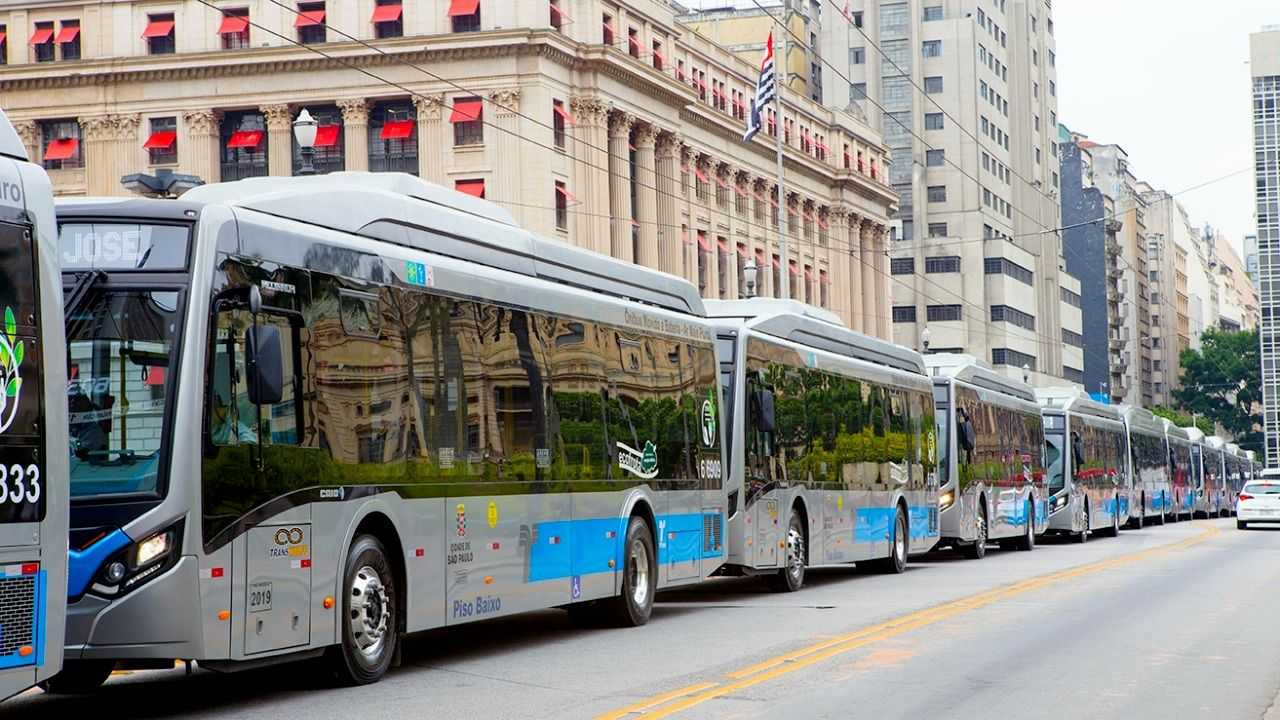
The City of São Paulo (SP) Prepares to Accelerate the Energy Transition in Public Transport. The Transport Companies Operating in the Capital Have Already Ordered 1,109 Electric Buses, Which Will Arrive on the Streets Between 2023 and 2024.
According to a report from the Diário do Transporte portal, which confirmed the information with SPTrans, most of the battery electric buses will be delivered this year, while the remaining (457) will be for next year.
Electric Bus Fleet Should Be Altered by 2024
The demands reflect the commitment of Mayor Ricardo Nunes to electrify at least 20% of the city’s bus fleet by 2024, which corresponds to about 2,600 electric buses operating in the largest city in the country. This commitment aligns with the goals of Law 16,802 for transitioning the diesel bus fleet to low-emission buses, as well as with the current bidding process for renewing contracts with municipalities and public transport companies.
Recently, the ABVE (Brazilian Electric Vehicle Association) published a letter reaffirming the national industry’s capability to produce electric buses to meet this demand.
-
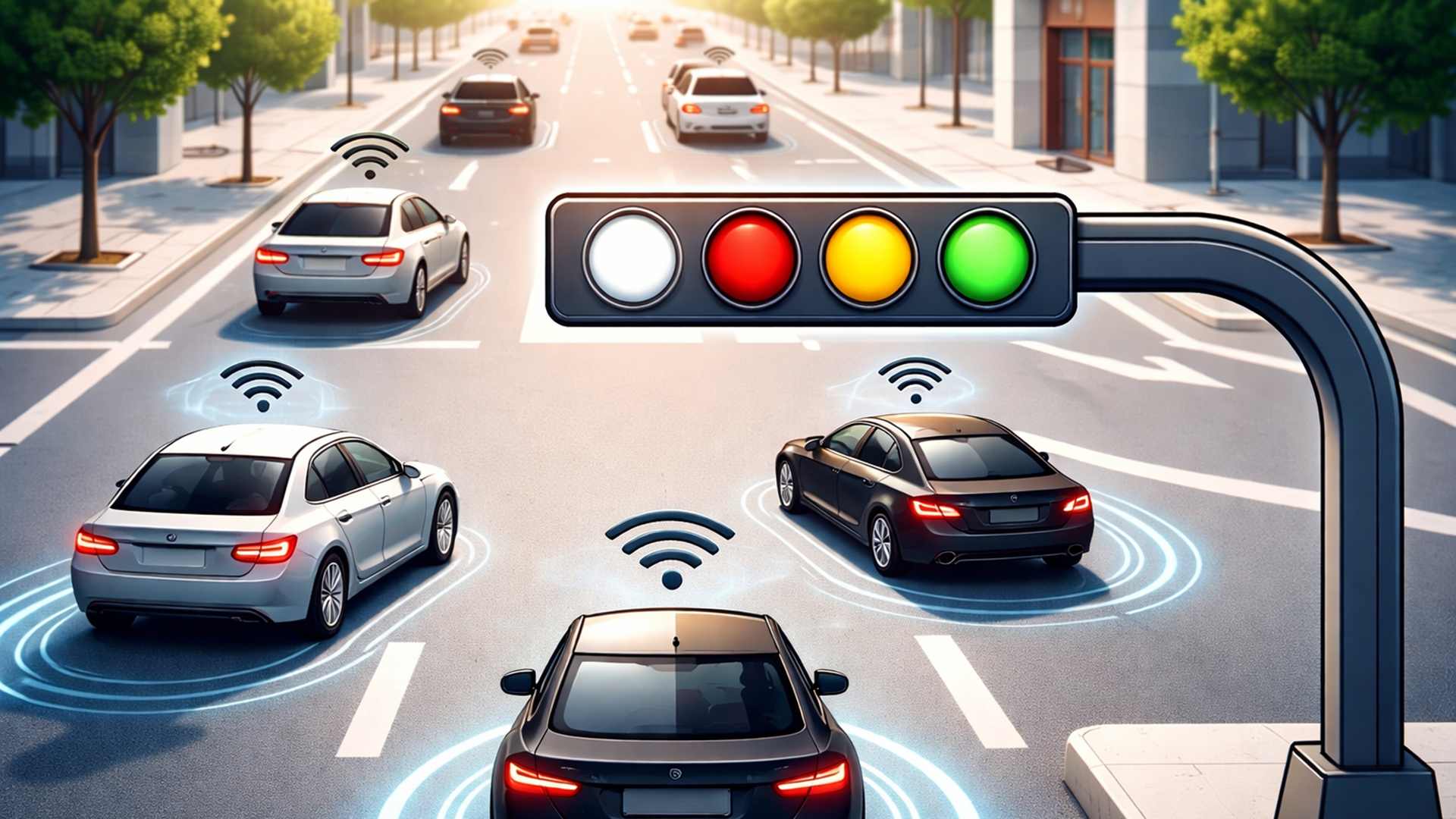
Engineers propose a fourth traffic light for intersections – the change promises to affect crossings, queues, and waiting times.
-
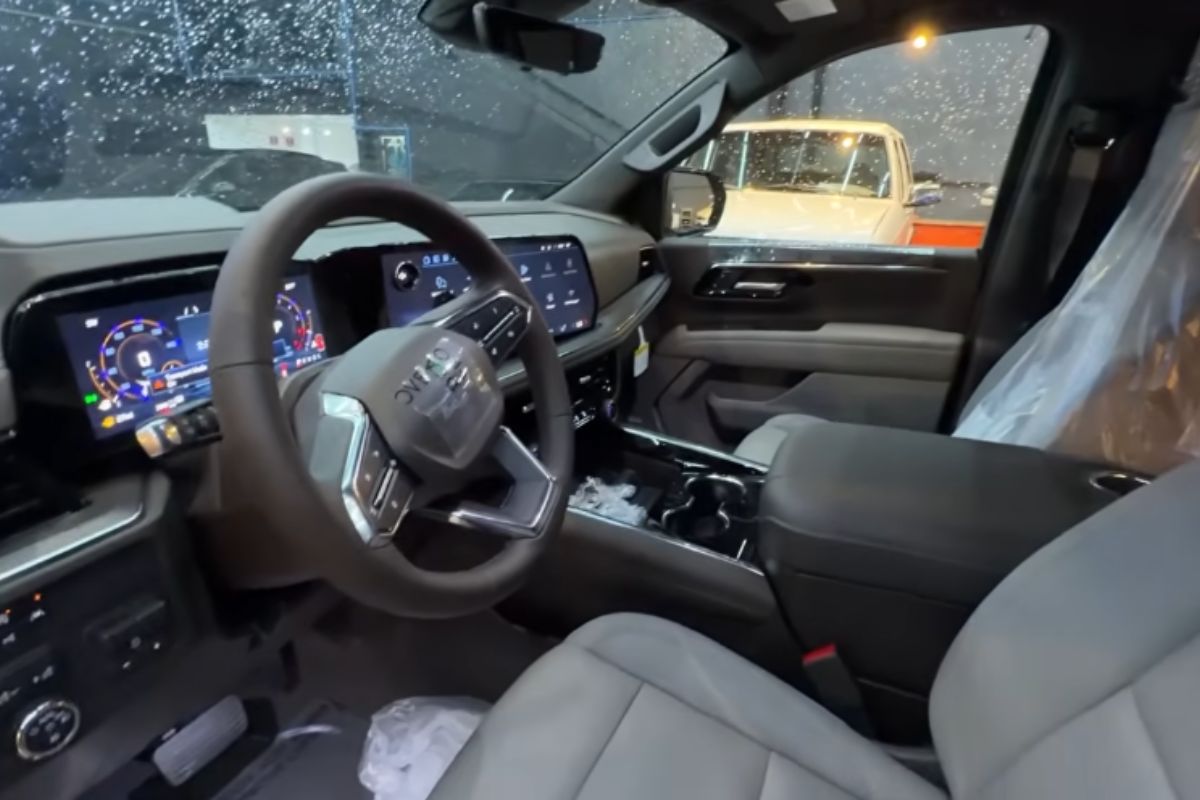
Chevrolet Suburban Z71 lands in Brazil with a V8 engine, off-road design, air suspension, seven seats, and colossal size, a rare version imported for around R$ 1.3 million with luxury and exclusivity.
-
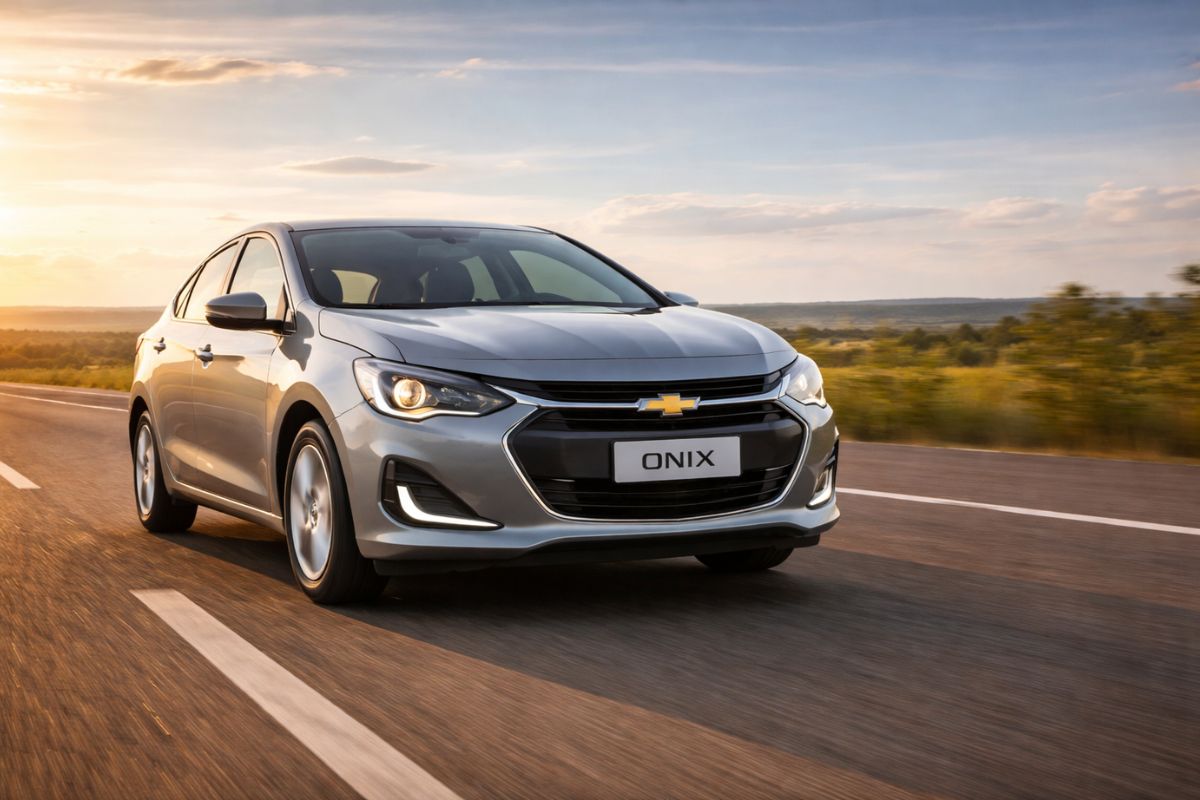
The Chevrolet Onix 1.0 turbo achieves 17.7 km per liter on the highway and ranks among the three most economical cars in Brazil in 2026, alongside two more expensive Toyota hybrids available at dealerships.
-
Little sister of the Hilux: Toyota launches Land Cruiser FJ with 4 radical versions, 2.7 engine with 166 hp and 4×4 traction with locking.

Not only São Paulo, but other important cities in the country are also electrifying their public transport fleets. In fact, the entity recalled that the commitment of the national production chain to produce up to 2,000 electric buses per year was already documented in a letter sent to the Public Prosecutor’s Office of the State of São Paulo in 2017, before the approval by the Government of the State of São Paulo a year ago.
SPTrans issued a statement reaffirming that since November 17, 2022, transport companies operating in the capital are not allowed to acquire buses that are not propelled by clean energy. Furthermore, the number of orders is expected to increase, as many concessionaires have not yet placed their orders.
Currently, the fleet of the largest city in the country has 219 electric buses, comprising 201 trolleybuses and 18 battery-powered models.
What Are Electric Buses?
Like electric cars, electric buses use electric motors for propulsion. They can be powered by batteries or external sources, such as overhead cables.
Battery Electric Bus (BEV): it is a 100% electric bus that uses the electricity stored in batteries to power the motor. Charging is done through a socket or plug.
Plug-in Electric Vehicle (PHEV): Combines an internal combustion engine with an electric motor and battery. It can be charged through regenerative brakes (KERS), which capture kinetic energy and convert it into electricity, or through cables powered by an external energy source.
Fuel Cell Bus (FCEV): uses hydrogen as an energy source to generate electricity and power electric motors.







Seja o primeiro a reagir!