Portuguese
  Spanish


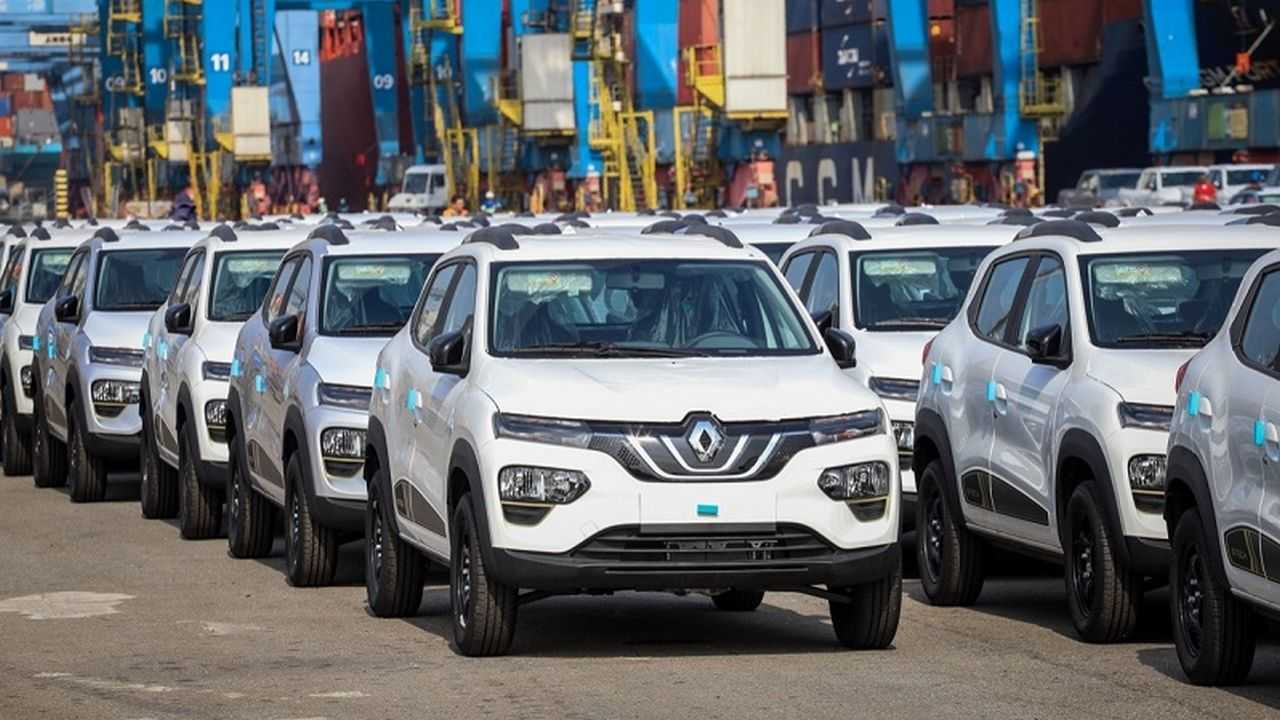

Electric And Hybrid Car Sales In Brazil Will Reach A New Record By The End Of 2022.
According to data from the ABVE (Brazilian Electric Vehicle Association), 49,245 electric and hybrid cars were licensed, a 41% increase compared to the previous year (34,990). The last month of the year was the second best in ABVE’s historical series (since 2012), with 5,587 registrations, surpassed only by September 2022 (6,391).
As a result of these outcomes, the current fleet of electric and hybrid cars in the country stands at 126,504, including hybrid and light commercial vehicles (HEV), plug-in hybrid electric vehicles (PHEV), and battery electric vehicles (BEV).
Sales Of Electrified Vehicles (Cumulative For 2022)
See below the number of electric and hybrid cars sold in 2022:
-
End of an era in Brazil: beloved sedan by Brazilians is discontinued despite having a 2.0 engine with 151 hp, CVT transmission, 466-liter trunk, and up to 650 km of range.

-
New Law Proposal in Brazil Could Heavily Penalize Drivers: Dangerous Overtaking May Become a Serious Offense with Fines Increased Tenfold and a 12-Month License Suspension; Update on 2026 Progress

-
Electric Revolution: Watts W125 Motorcycle Offers 160 km Range, 90 km/h Speed, and Affordable Price Starting at $3,000
-
General Motors Replaces Over a Thousand Workers with 50 Cobots at Electric Vehicle Plant, UAW Union Criticizes Move Amid Industry’s Automation Push


· Electric: 8,460 (17% market share)
· Hybrids: 30,439 (62% market share)
· Plug-in Hybrids: 10,348 (21% market share)
100% Electric Vehicles Are Still A Minority Among Electric And Hybrid Cars
The electric vehicles (BEVs) were highlighted in the electrification segment, with 8,460 registrations by the end of 2018, representing 17% of EVs, with 898 BEVs sold in December alone.
The ABVE emphasized the need for new industrial parks for electric and hybrid vehicles in Brazil, which would be beneficial for both job generation and technological integration. In conclusion, the entity highlighted confidence through the first speech of the new government and its commitment to promoting a green economy.
Moreover, we have made significant announcements in 2023 regarding electric vehicle production, such as the automakers Great Wall Motor and Chery Automobile, not to mention BYD, which is negotiating the construction of a complex to produce cars, buses, and batteries in the country.
Another highlight was the expansion of the offering of electric and hybrid vehicles in various segments in the country, increasing from 70 models in May to 128 models by the end of December.
What Are Electric And Hybrid Cars
An electric car is an automotive vehicle designed for the transport of goods and people with electric propulsion. The term generally describes passenger cars but may also be understood to encompass a wide range of vehicles across various segments. The usual international abbreviation is EV, which stands for Electric Vehicle.
A hybrid car, on the other hand, is a vehicle that has an internal combustion engine, usually gasoline, and an electric motor that allows the combustion engine to operate at low speeds or, at certain moments, not operate at all, thereby reducing fuel consumption and pollutant emissions.
Therefore, it is up to the consumer to choose which options for electric and hybrid cars best fit their daily needs, always remembering that some Brazilian cities are still not ready to accommodate this type of technology, necessitating charging and refueling through other means.