Portuguese
  Spanish


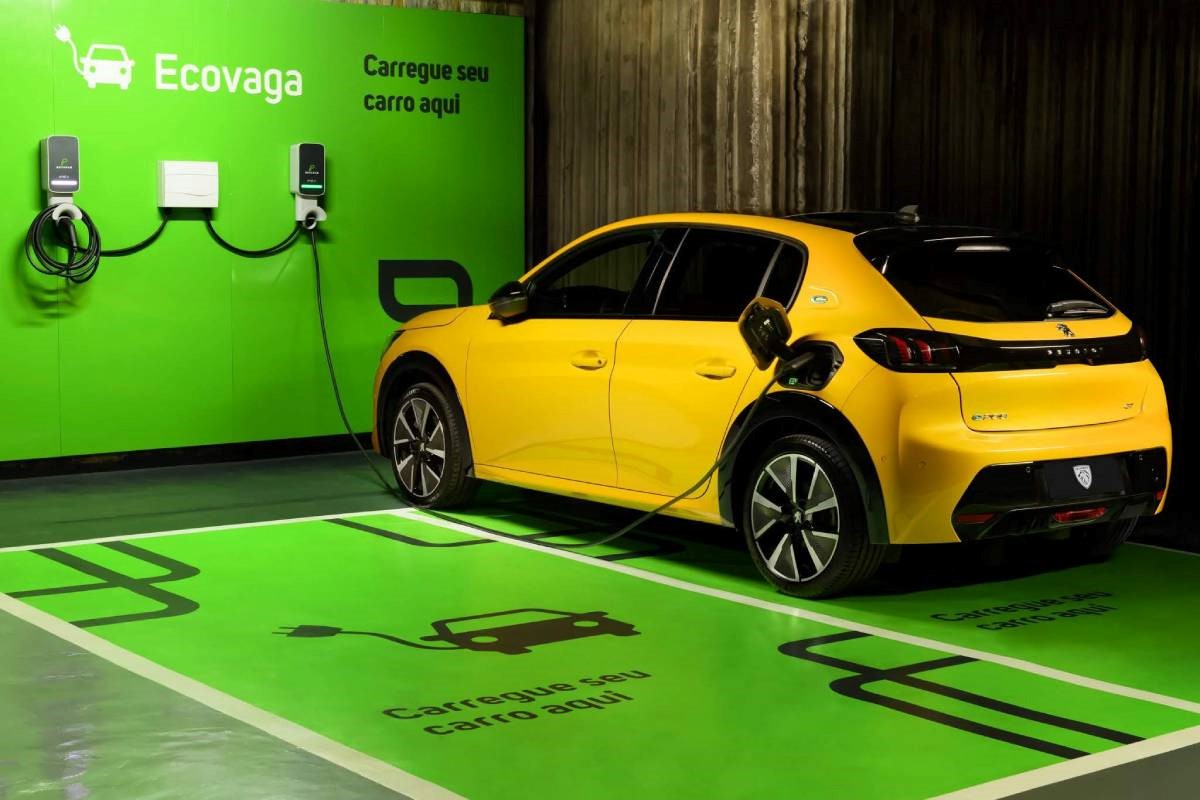

The Brazilian Decarbonization Scenario Is Growing More and More and the Sales of Electric Vehicles, Including Hybrids and Battery, Were Strongly Boosted, Resulting in the Mark of 100 Vehicles in the National Fleet, According to ABVE.
The Brazilian Electric Vehicle Association (ABVE) announced that, on Tuesday (07/26), the fleet of electrified vehicles in the national territory reached the mark of 100 thousand, with a strong growth in sales of these automobiles during the year 2022. The international decarbonization scenario is getting bigger, and hybrid and battery vehicles are heating up, resulting in an increase in the number of the Brazilian fleet.
Brazilian Fleet Reaches 100 Thousand, According to ABVE, Driven by High Demand for Battery and Hybrid Vehicles in the Country
The data from the recent report on the last week of July, released by the ABVE association, shows that the Brazilian fleet of electrified vehicles reached the mark of 100 thousand, including cars, trucks, and light commercial vehicles, such as vans and minibuses. This record was achieved on July 26, when the numbers reached 100,292 light vehicles, according to the daily tracking of registrations conducted by the association.
The mark was driven by the increase in sales of hybrid and battery vehicles, which are increasingly popular in the international market due to the decarbonization of the transport sector. Thus, ABVE’s data shows that sales of electrified vehicles so far this year 2022 total 23,033 light vehicles, representing a total of 31% more than the 17,524 sold during the same period in 2021.
-
End of an era in Brazil: beloved sedan by Brazilians is discontinued despite having a 2.0 engine with 151 hp, CVT transmission, 466-liter trunk, and up to 650 km of range.

-
New Law Proposal in Brazil Could Heavily Penalize Drivers: Dangerous Overtaking May Become a Serious Offense with Fines Increased Tenfold and a 12-Month License Suspension; Update on 2026 Progress

-
Electric Revolution: Watts W125 Motorcycle Offers 160 km Range, 90 km/h Speed, and Affordable Price Starting at $3,000
-
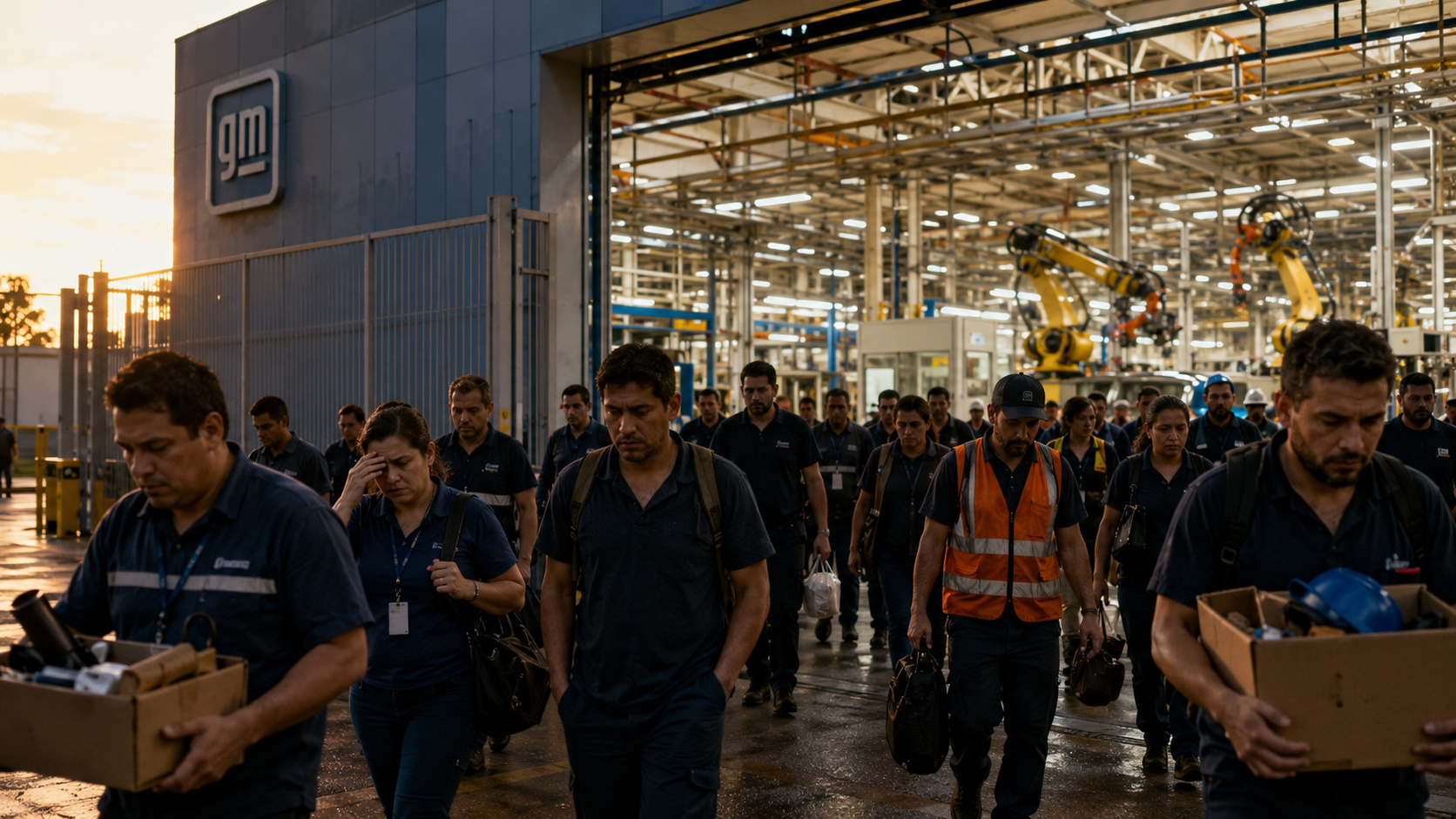
General Motors Replaces Over a Thousand Workers with 50 Cobots at Electric Vehicle Plant, UAW Union Criticizes Move Amid Industry’s Automation Push


Among the sales of electrified vehicles during the year 2022, including battery and hybrids, most of them, a total of 6.5 thousand, were registered in the state of São Paulo, followed by Minas Gerais, with 1.9 thousand registrations. Thus, Adalberto Maluf, president of ABVE, commented on the challenges of the electrified vehicle segment and stated that “We need a national electromobility policy, that is, aligned and coordinated public policies between the federal government and state and municipal governments to encourage the transition from combustion vehicles to electric vehicles.”
Although ABVE Data on the Fleet of Electrified Vehicles in Brazil Is Positive, Legal Incentives Are Still Needed for Increased Sales of Products
The current scenario of decarbonization and high demand for hybrid and battery electrified vehicles is highly favorable, according to ABVE data, but legal and regulatory incentives are still needed for the sector to grow even more in the coming years. A legal framework for the purchase of electrified vehicles as part of a policy for reducing pollutant emissions remains the main problem in the Brazilian market.
Currently, only programs such as Renovabio, Proconve, and Rota 2030 establish different methodologies and applications to measure carbon footprint and other polluting gases and seek to harmonize a policy to incentivize the increase of the hybrid and battery fleet in the country. Thus, a working group from the government coordinated by the Ministries of Economy (ME) and Mines and Energy (MME) is currently discussing the development of a regulatory framework for energy efficiency based on reducing pollutant emissions.
However, there is still a need for governmental support so that the market for electrified vehicles can reach its maximum potential over the next few years, and organizations such as ABVE are awaiting this incentive for the increase of the national fleet of hybrids and battery vehicles.