





 Portuguese
  English
  Spanish
  3 min of reading


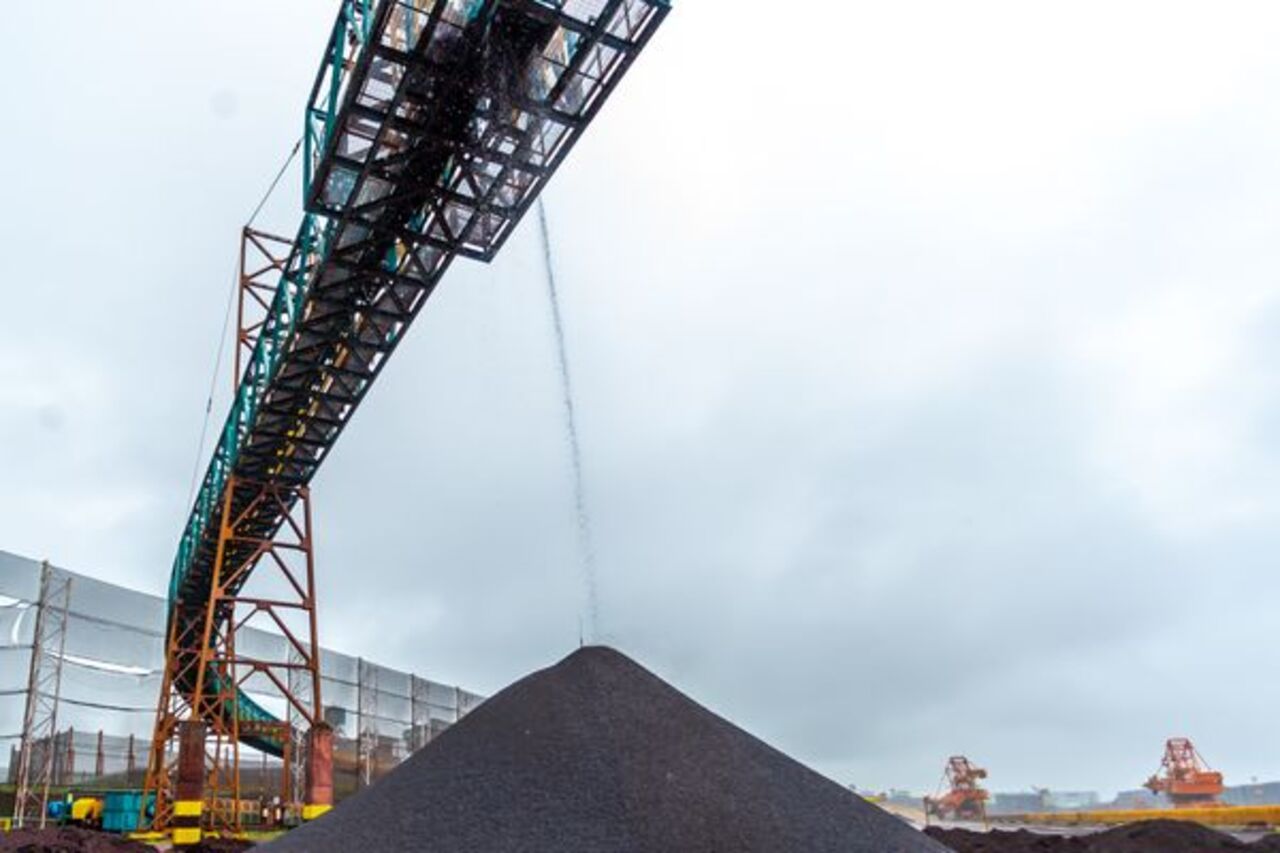
BHP and Vale Confirmed That Their Joint Venture Samarco Negotiated the Restart of Iron Ore Mining Operations in Brazil, More Than Five Years After the Collapse of the Fundão Dam Led to Its Suspension.
The gradual resumption of Samarco’s operations incorporates Concentrator 3 at the Germano complex in Minas Gerais and Pelletizing Plant 4 in Ubu, Espírito Santo, as well as a new tailings disposal system combining a confined pit and a tailings filtration system for dry stacking.
Read Also
Mining Company Samarco Will Not Use Water in Its Process
With the new filtration process, Samarco expects to be able to substantially dewater the sand tails, which represent 80% of the total tailings by volume, and safely stack these filtered sand tails in piles, says Vale. The remaining 20% of the tailings will be deposited in the Alegria Sul mine, a rock-based autonomous structure. In addition, Samarco is advancing the decommissioning of the Germano tailings dam to improve safety standards.
“Independent tests have been conducted on Samarco’s preparations for the safe restart of operations,” BHP added.
-
With 74% of companies facing difficulties in hiring, technicians and engineers in renewable energy are becoming scarce in Brazil and are essential to support the expansion of solar, wind, and green hydrogen projects.

-
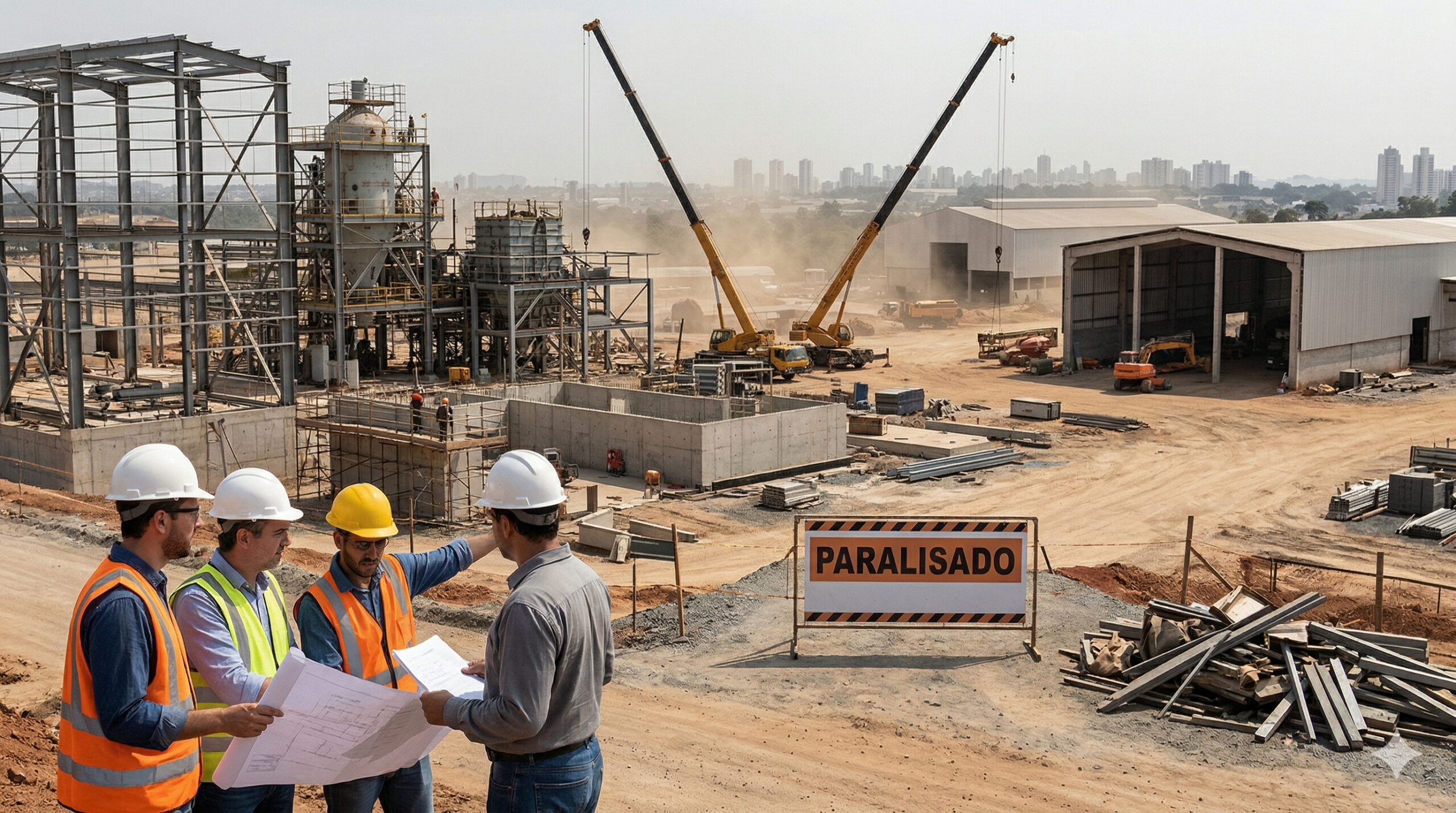
The lack of welders, electricians, and operators becomes a structural threat in 2025, with the construction industry and manufacturing already suffering from delays, cost pressures, and labor shortages in Brazil.
-
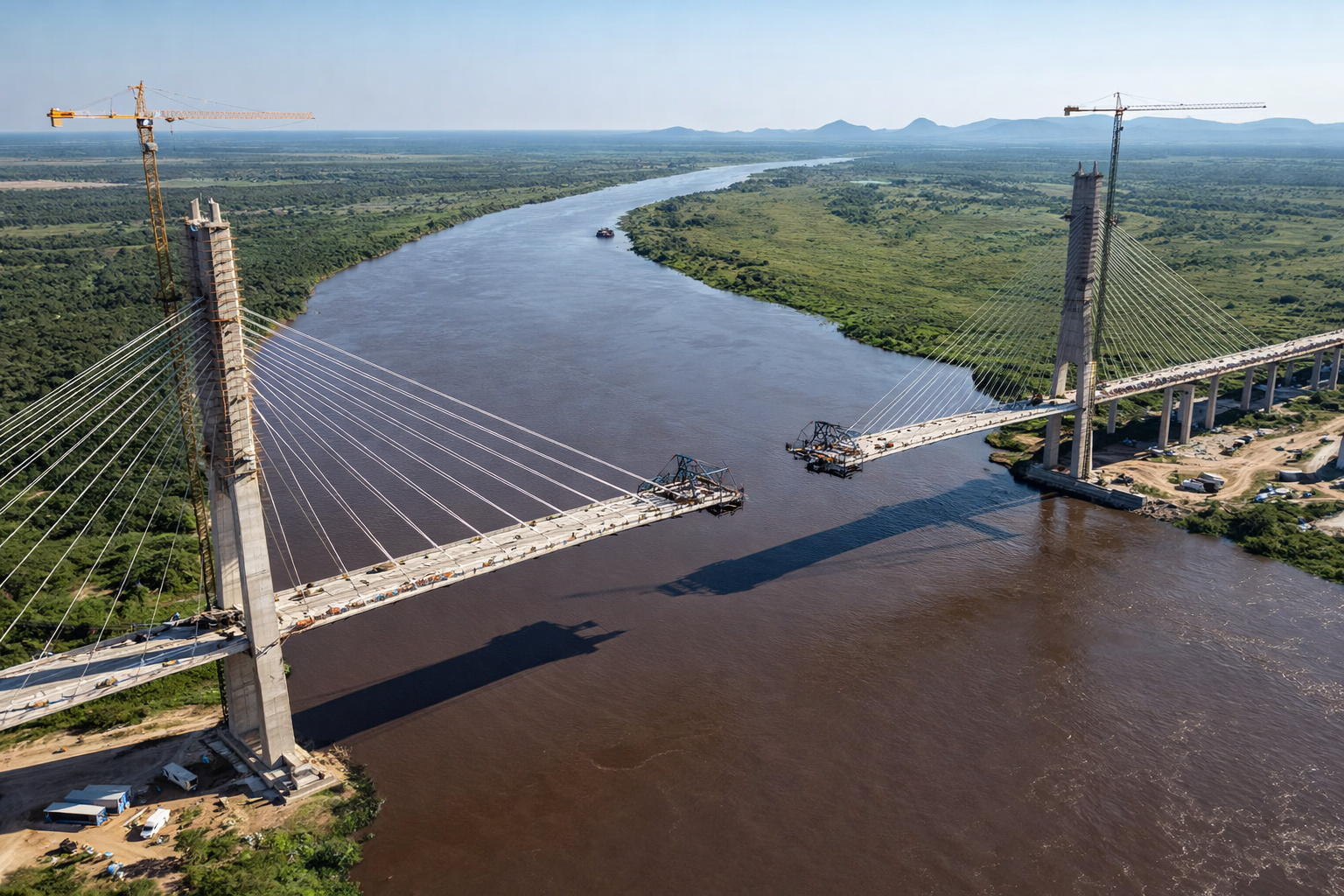
Brazil and Paraguay are just 46 meters away from a historic union on the bioceanic bridge that promises to revolutionize trade between the Atlantic and the Pacific.
-
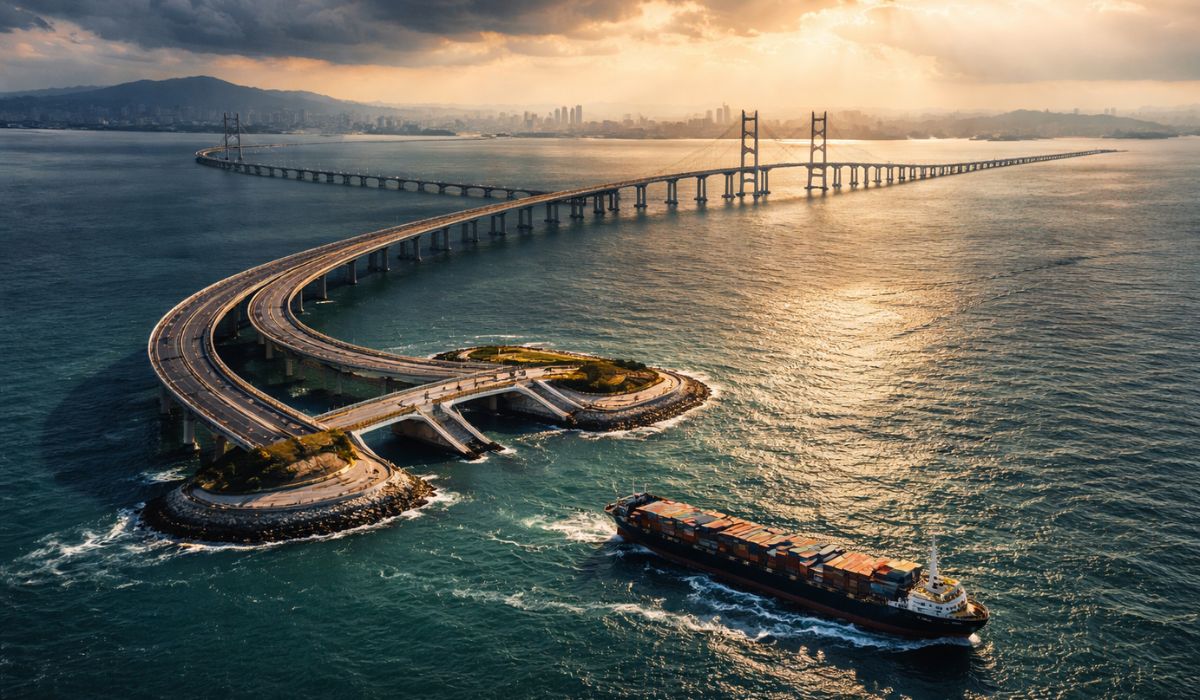
With 55 km over the sea, a cost of US$ 20 billion, and enough steel to build 60 Eiffel Towers, China’s largest project has connected Hong Kong, Zhuhai, and Macau in a colossal bridge that defies the logic of engineering.

7 to 8 Thousand Tons of Iron Ore
Samarco expects to initially produce around 7 to 8 million tons/year of iron ore pellets using one of the three concentrators to process the iron ore from the Germano complex and one of the four pelletizing plants in the Ubu complex, accounting for 26% of Samarco’s production capacity. Vale explained: “The integrated restart of operations comes after extensive commissioning testing, ensuring a safe resumption after five years.”
After the Corrective Operating License received in October 2019, Samarco expects to restart a second concentrator in about five years to achieve a production range of about 14-16 million tons/year. The restart of the third concentrator may occur in about nine years, Vale said, when Samarco expects to reach a production volume of around 22-24 million tons/year.
The extensive work done by the Renova Foundation, a collaboration between Vale, BHP Billiton Brasil Ltda, and Samarco, to remedy and compensate for the damage from the collapse of the Fundão dam in November 2015, continues, BHP said. The foundation is responsible for implementing programs for repairing socio-environmental impacts.
In November 2020, Renova had spent approximately $2.1 billion on its remediation and compensation programs. In November 2020, approximately $620 million was paid in compensation and emergency financial assistance to around 325,000 people.








Seja o primeiro a reagir!