





 Portuguese
  English
  Spanish
  3 min of reading


The Contract Between The Aviation Services Company And Equinor Will Support Operations On The Offshore Platform In Norway
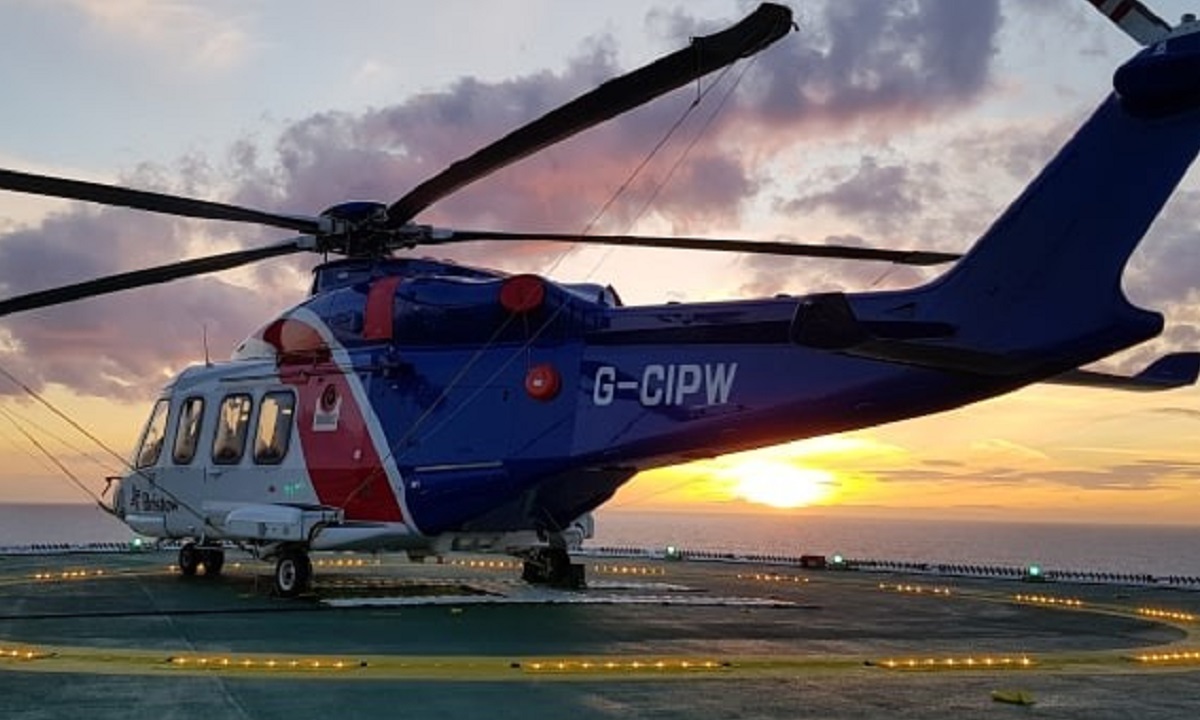
The offshore aviation service provider Bristow Group has signed a 4-year contract with the state-owned energy company Equinor for search and rescue (SAR) services in support of operations on the southern continental shelf of Norway (NCS).
Bristow announced an award from Equinor on Wednesday, 07, for the contract to provide offshore search and rescue services at the Johan Sverdrup and Statfjord B platforms, both located in the North Sea off the west coast of Norway. The contract between the two companies is scheduled to start on September 1, 2023.
The Johan Sverdrup field is located on the Utsira hill in the North Sea, about 160 kilometers west of Stavanger, while the Statfjord B platform is in the Statfjord field, in the Tampen area in the northern North Sea, on the border between Norway and the UK sectors.
-
American Airlines starts selling trips as if they were flights, with check-in and baggage check at the airport, but on short routes, passengers board luxury buses connecting cities to major hubs in the U.S.

-
São Paulo surprises the world with a colossal railway network project that promises over 1,000 km of tracks, R$ 194 billion in investments, and 40 projects connecting the capital to the interior with fast and sustainable trains.

-
The world’s largest escalator, measuring 905 meters in China, reduces urban travel time from 1 hour to about 20 minutes and transforms mobility in mountainous regions with an engineering solution adapted to the terrain.

-
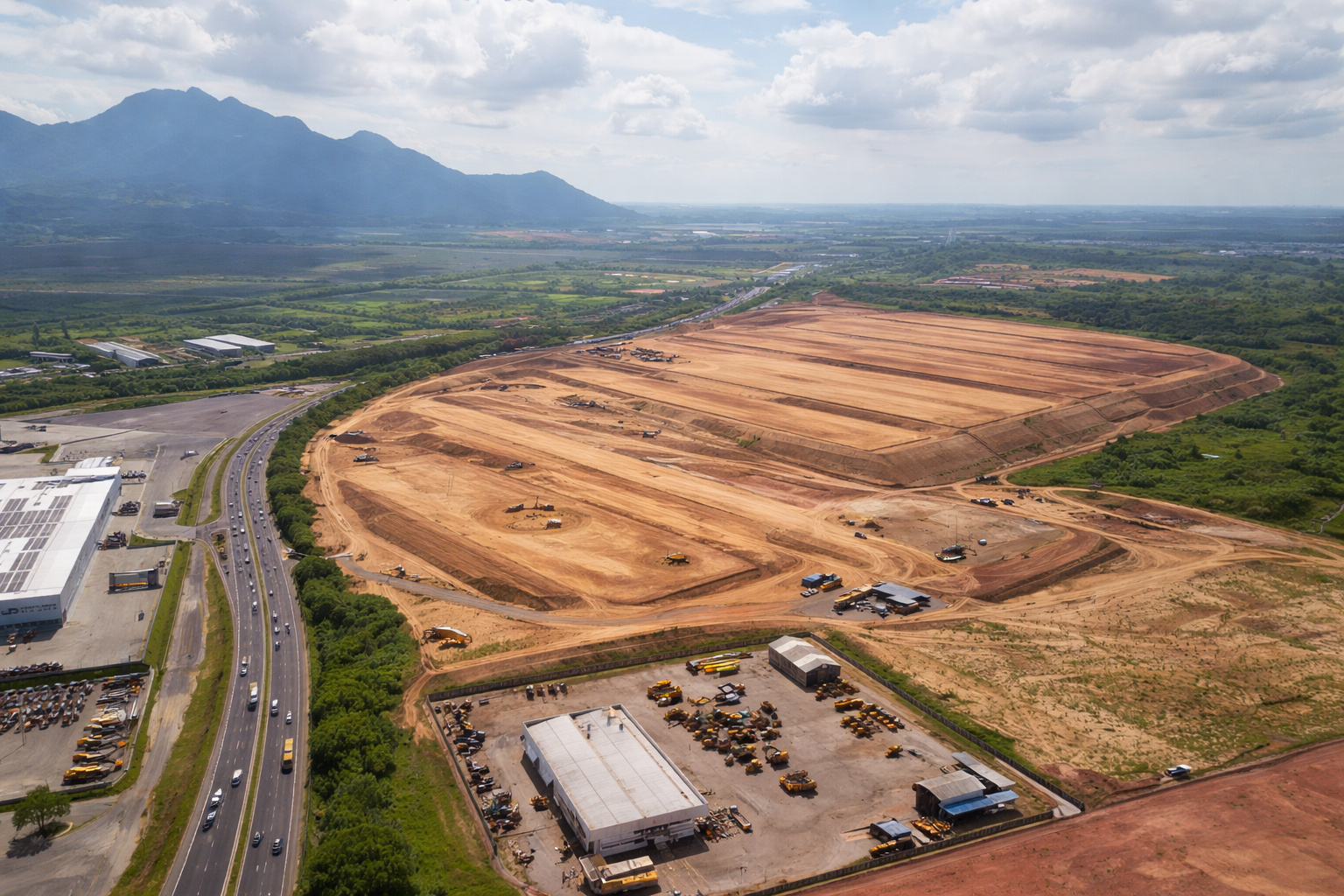
A R$ 300 million logistics giant is taking shape in Serra with over 100,000 m² and raises a question: how can this transform e-commerce and distribution in the state?

According to Heidi Wulff Heimark, managing director of Bristow in Norway: “Search and rescue is a strategically important service for Bristow, and we are all extremely proud to be chosen for the preferred operator contract for SAR services for Equinor’s emergency preparedness with offshore SAR helicopters located at Statfjord B and Johan Sverdrup facilities and backup SAR.”
The offshore aviation service provider further explained that the contract with Equinor, “a critical part of emergency preparedness on the southern continental shelf of Norway,” will have a duration of four years and includes three options for one-year extensions for a total potential of seven years.
Contract Between Equinor And Bristow Group Offshore Provides For The Operation Of Three Helicopters For Search And Rescue
Under the terms of the contract, three advanced S-92 helicopters configured for search and rescue will provide the service. The company highlighted that two of the helicopters will be based at Equinor’s platforms with one backup S-92 based on land.
The contract is based on Bristow’s offshore history as a partner of Equinor’s aviation for more than 25 years, supporting the NCS both for crew change services and for search and rescue services. In July 2021, the helicopter provider secured an extension with Equinor and two other oil and gas companies for air transportation crew change services in the NCS.
Regarding Bristow’s recent activities, it is worth noting that the company completed a flight to BP’s offshore assets in December 2021 using sustainable aviation fuel. At the time, the company stated that it was putting wheels in motion to offer SAF to all future clients as part of its strategy to reduce its carbon footprint.
Equinor, Subsea 7, And Repsol Sinopec Brazil Develop Solution For Cost Reduction And Increased Safety Of Pre-Salt Operations
Subsea 7, Equinor, and Repsol Sinopec Brazil are developing the Gimbal Joint Riser (GJR) Project with funding from the R&D investment obligation clause, regulated and supervised by the National Agency of Petroleum, Natural Gas and Biofuels (ANP). The project has clear and essential goals for the market, which are to improve costs, enhance the safety of underwater operations in the energy industry, and mitigate carbon emissions in the pre-salt by eliminating components necessary for Steel Lazy Wave Risers (SLWRs).
In this new phase, the pre-salt-focused project advances to carry out tests at the Waves and Currents Laboratory (LOC) and the Ocean Technology Laboratory (LabOceano), both at UFRJ. The latter features one of the largest ocean tanks in the world, with 23 million liters of water and a height comparable to an eight-story building.
The laboratories operate to simulate the marine environment and the phenomena occurring more than 2,000 meters in the pre-salt. The Equinor, Subsea 7, and Repsol Sinopec project is based on the incorporation of a multi-jointed joint in a suspended catenary. In other words, the goal is to insert an articulated element into a rigid riser so that the dynamic movements generated by the platform are absorbed.









Seja o primeiro a reagir!