





 Portuguese
  English
  Spanish
  5 min of reading
  73 comments


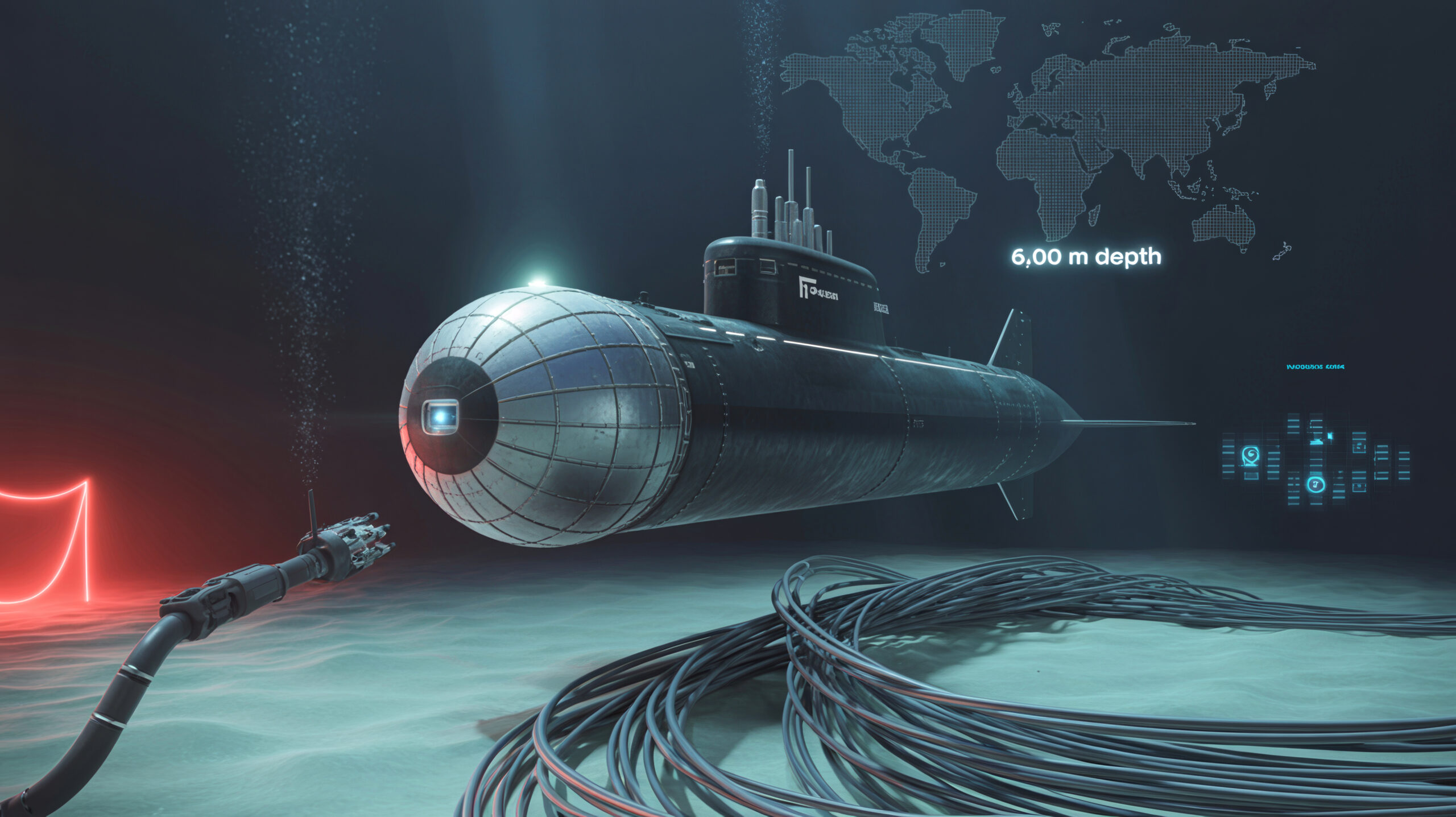


Russian Unit GUGI Operates Submarines Up to 6,000 M Deep to Access Strategic Submarine Cables and Expand the Silent War on the Ocean Floor.
Amid rising geopolitical tension in the North Atlantic and Arctic, defense reports published between 2015 and 2024 by Western strategic centers and the U.S. Department of Defense began highlighting a not-so-well-known name outside military circles: GUGI, the abbreviation for the Main Directorate for Deep Sea Research of Russia. Directly subordinate to the Russian Ministry of Defense, this unit does not integrate the conventional naval fleet. It operates on the ocean floor, with platforms capable of reaching depths of up to 6,000 meters, according to expert analyses and technical data from vessels associated with the program.
GUGI’s focus is not on visible warships or strategic submarines armed with ballistic missiles. Its operations occur below commercial shipping routes, on the seabed where submarine cables responsible for transporting about 95% of global data traffic, including financial, military, and government communications, pass. The critical infrastructure of the global internet, concentrated in thousands of kilometers of submarine fiber optics, has become a target of increasing strategic attention.
GUGI is highlighted by reports from institutes like the Royal United Services Institute (RUSI) as a unit capable of mapping, monitoring, and potentially manipulating strategic underwater infrastructure. This is silent warfare, invisible and of extremely high technical complexity.
-
The German “steel monster” weighing 55 tons fires up to 10 projectiles per minute at over 40 km and avoids counterattacks on the battlefield by moving quickly to escape enemy attacks; meet the Panzerhaubitze 2000.

-
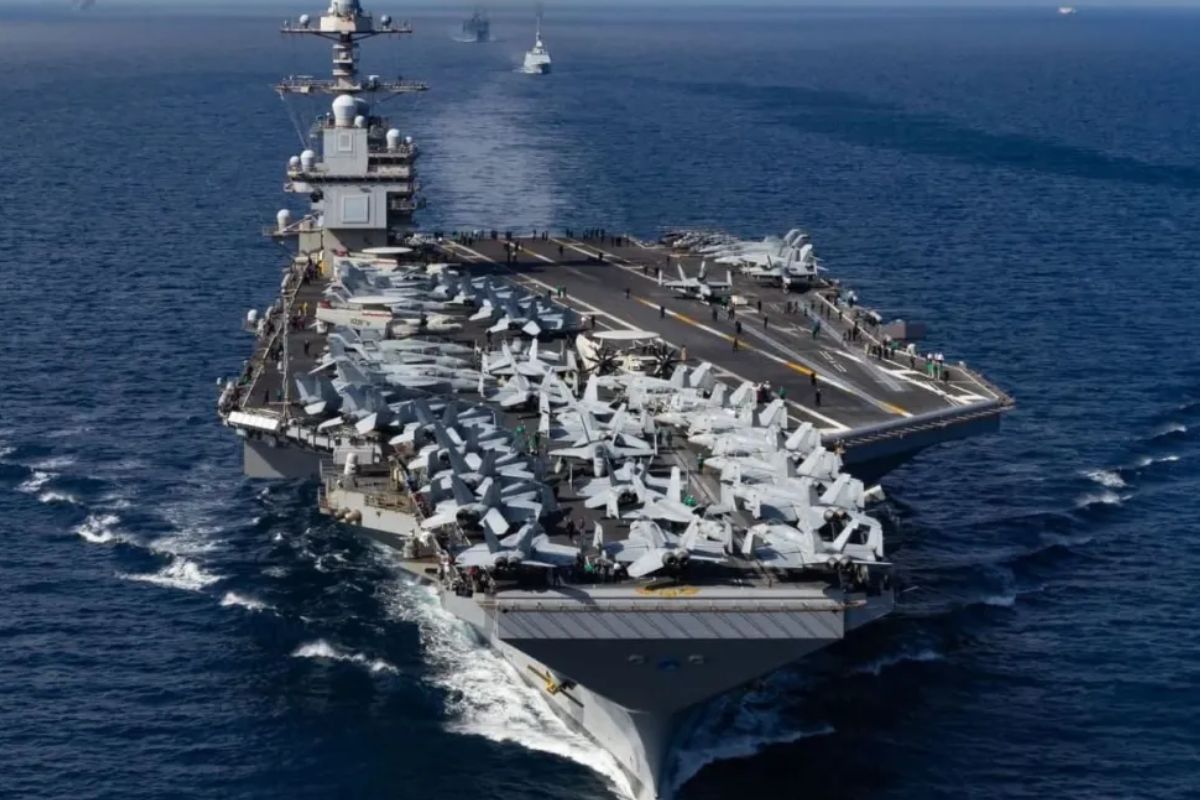
USS Gerald R. Ford, the largest aircraft carrier in the world, returns to sea after a fire in the laundry in the Red Sea; repaired in Crete, it resumes missions of Operation Epic Fury against Iran.
-
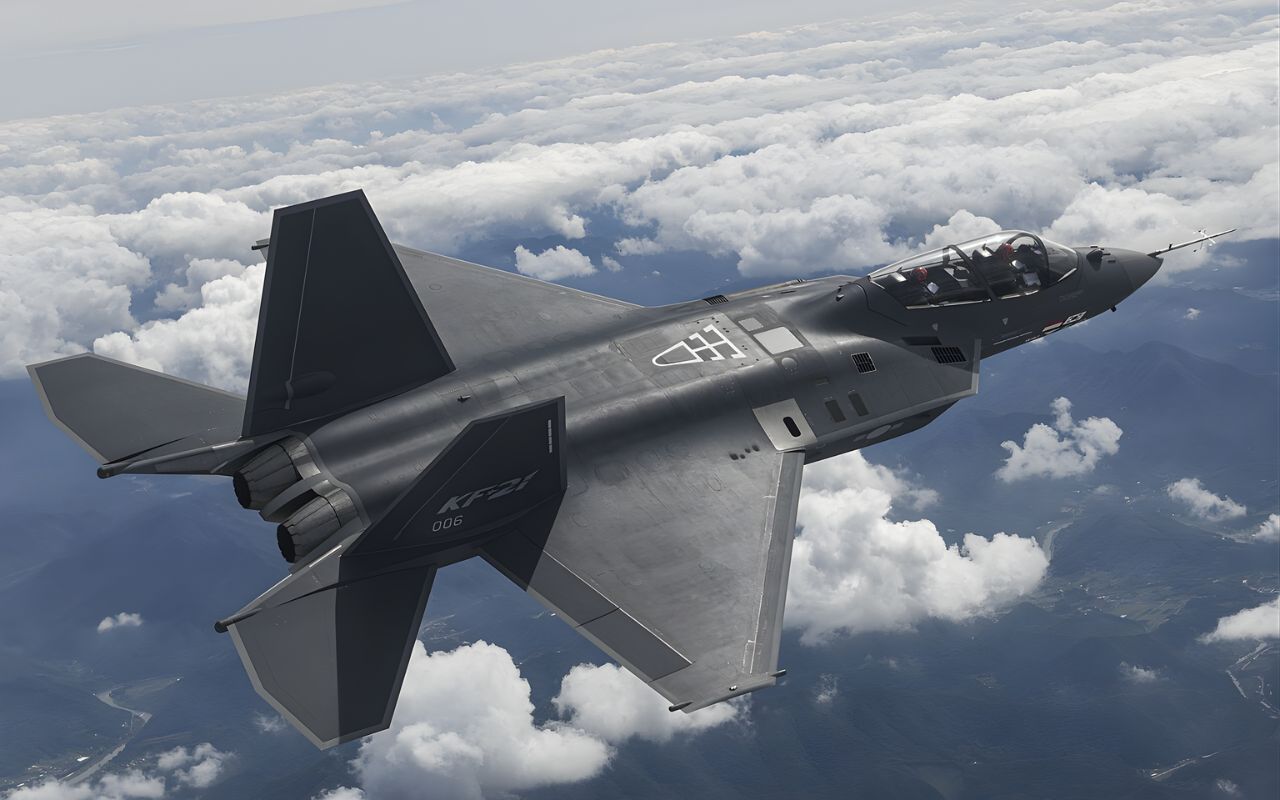
Military power: South Korea’s new KF-21 fighter jet will be a key component in replacing the aging aircraft of the air force, placing the country on the map of air military powers.
-
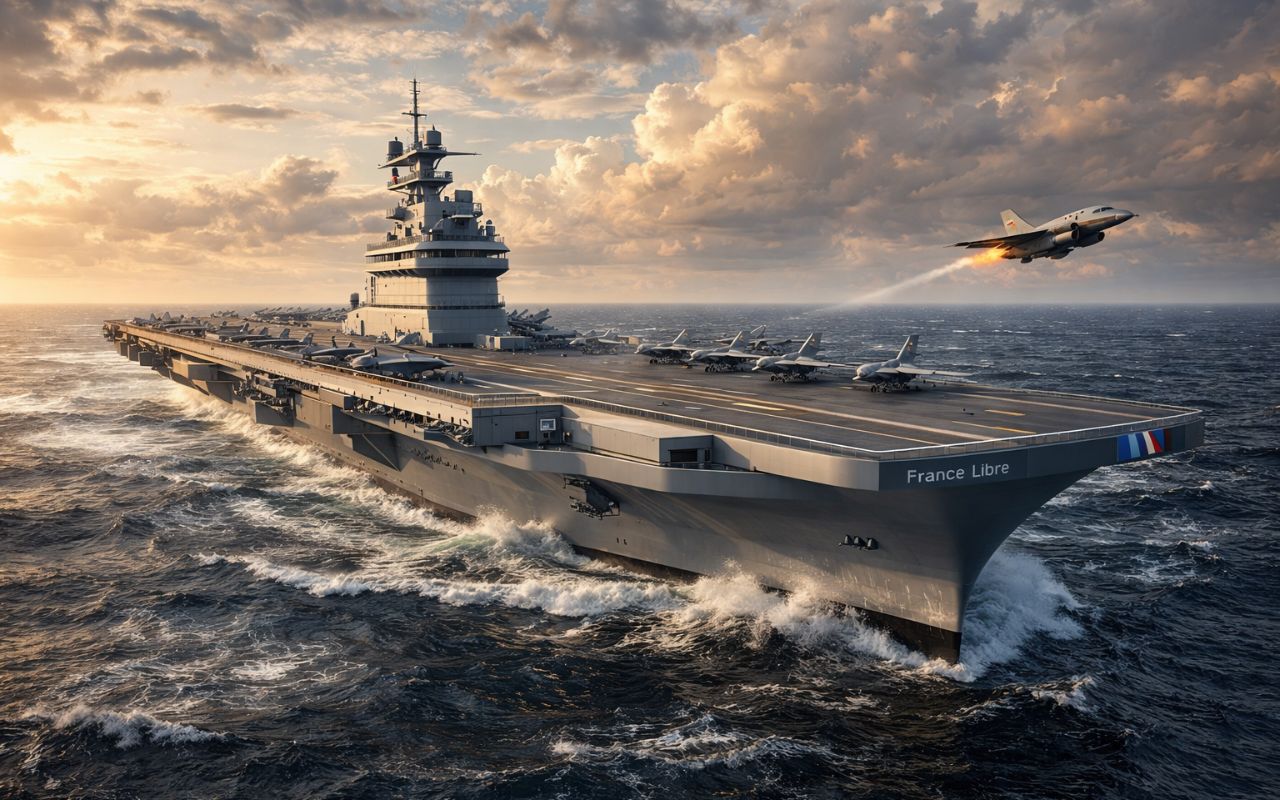
With 310 meters, 80 thousand tons, and capable of operating for 45 years, the new nuclear aircraft carrier France Libre will be the largest in France and will enter service in 2038.

The Structure of GUGI and the Origin of the Deep Water Program
The Main Directorate for Deep Sea Research was created during the Cold War when the Soviet Union invested heavily in deep underwater operation technology. Unlike the traditional navy, GUGI reports directly to the Russian military high command.
Its official objective involves ocean research and technological development. However, strategic analyses indicate that the unit has dual capabilities, combining scientific exploration with potential military application.
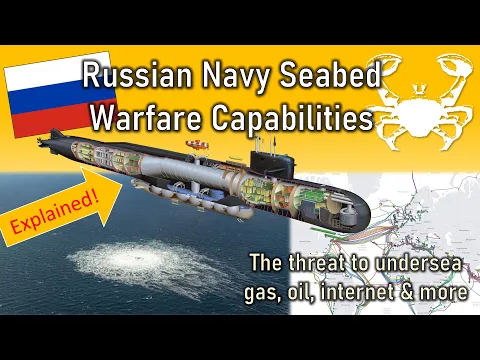

Russia maintains a tradition of advanced submarine engineering. During the Cold War, it developed special platforms capable of operating below the average depth of conventional nuclear submarines. This technological legacy has been inherited by GUGI.
Losharik: Extreme Engineering at Abyssal Depths
The most emblematic example of this capability is the deep submarine AS-12, known as Losharik. Unlike traditional submarines with a single cylindrical hull, the Losharik uses an internal structure composed of multiple interconnected titanium spheres. This configuration allows it to withstand the extreme pressure of ocean depths.
Analysts estimate that the vehicle can operate thousands of meters below the surface, in regions where pressure exceeds hundreds of atmospheres. Titanium offers high structural strength with relatively low weight, being a common material in aerospace and nuclear applications.

The Losharik does not operate alone. It can be transported by mother submarines like the BS-136 Orenburg or Belgorod, the latter being one of the largest submarine platforms ever built by Russia. This architecture allows for discreet strategic movement to areas of interest.
The ability to couple and decouple deep vehicles expands GUGI’s operational range.
Submarine Cables: The Invisible Infrastructure That Supports the World
Most global communications rely on fiber optic cables laid on the ocean floor. These cables connect continents, interlink stock exchanges, data centers, military networks, and banking systems.
Although often described as vulnerable, submarine cables are protected by coatings and buried in shallow sections. However, in deep areas, they remain exposed on the ocean floor.
It is in this environment that vehicles like the Losharik and submersibles associated with GUGI could operate. Strategic reports indicate that the unit has the technical capacity to map routes, inspect cables, and potentially manipulate critical infrastructure.
This is not just about cutting cables. Manipulation may include the installation of sensors, listening devices, or interference. In an extreme scenario, physical sabotage could cause significant disruptions in regional networks.
Hybrid Warfare and Operations Below the Conventional Threshold
GUGI’s operations are often associated with the concept of hybrid warfare. Instead of direct confrontation between armed forces, the focus would be on critical infrastructure that supports modern economies.
A coordinated disruption of strategic cables could affect international financial transactions, military communications, and logistical operations. Even without a formal declaration of war, such actions could create instability.
Reports from NATO and European naval authorities indicate an increase in surveillance over critical submarine routes in recent years. Movements of specialized Russian ships near strategic cables have begun to be monitored more closely.
The technical capability to operate at 6,000 meters places GUGI in a unique position. Few nations have manned or autonomous vehicles capable of operating in this depth regime.
Strategic Scale and Global Implications
Russia does not publicly confirm sabotage operations. Officially, GUGI performs research and technological development functions.
However, the mere existence of deep operational capability alters the strategic balance. Global digital infrastructure is highly concentrated in specific routes. Bottleneck points, where multiple cables pass close together, are known and studied by analysts.
The ability to reach these points expands the spectrum of unconventional deterrence. Just as strategic missiles operate on the logic of second nuclear response, deep underwater operations introduce a new layer of systemic vulnerability.
It is not a conventional weapon. It does not involve missile launches or open confrontation. It involves invisible control of the underwater environment.
Underwater Engineering as a Tool of Power
The engineering behind GUGI combines nuclear technology, advanced materials, and precision navigation systems. Operating in deep waters requires control of pressure, structural stability, and robust communication.
The technical difficulty is extreme. Each descent to thousands of meters implies a high risk and requires absolute precision. The presence of a spherical titanium hull in the Losharik demonstrates a heavy investment in rare structural solutions.
While satellites monitor the skies and radars guard borders, the ocean floor remains a less visible yet equally strategic space.
The ability to operate in this environment expands the concept of military dominance. Control is not only in the air, in space, or on land. It is also on the seabed.
GUGI represents this new dimension of strategic competition. By operating at abyssal depths and accessing critical submarine cables, the Russian unit introduces a silent yet structural element in the competition for global influence.
In the 21st century, war may not start with visible explosions. It may begin with invisible disruptions on the ocean floor.









É muito interessante, pois o que pôde levar perigo a população é tomadas as decisões enquanto o mundo dormem, governos mudam as opiniões e a população acorda com a corda no pescoço.
Infelizmente, para os russos, a STARLINK já está operacional, acessível e ajudando na defesa da Ucrânia contra os próprios
Starlink não rastreia o fundo do mar
Onde vc moraria? Onde tem mais liberdade?
Você aí dos comentários que odeia os States e ama a Rússia, mas se fosse para morar num deles, iria para onde?
Como bom e velho **** hipócrit4 eu sei a sua resposta…
Na Rússia vc não tem liberdade nem para ter um whatsapp, facebook ou Instagram, quem dirá essa sua vontadezinha de ser revolucionári0 kkkkk
*Como bom e velho esquerd1st4 hipócrit4 eu sei a sua resposta…*
Eu iria para o EUA, assim me beneficiária com escravos colonos como você. Teria uma. Vida boa encima. Da tua miseria
Nenhum dos dois , Russia e EUA são dois dos piores países pra se viver atualmente. Amo Brasil