





 Portuguese
  English
  Spanish
  5 min of reading
  0 comments


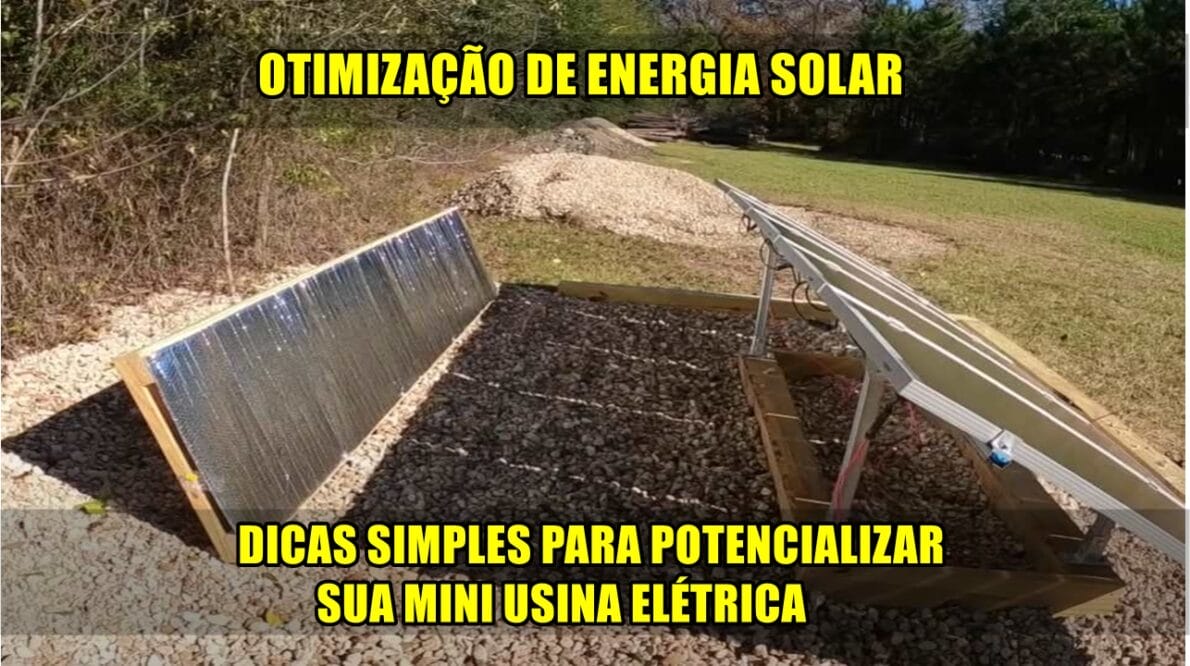
Optimize Your Solar Panels With Cheap Materials. Learn To Use White Stones, Reflective Leaves, And Other Tips To Get More Solar Energy
In an increasingly aware world of the need for renewable energy, small adjustments in our domestic solar energy solutions can make a big difference.
A enthusiast demonstrated how it’s possible to significantly increase the efficiency of a solar panel system on a balcony using bifacial technology and some clever tricks.
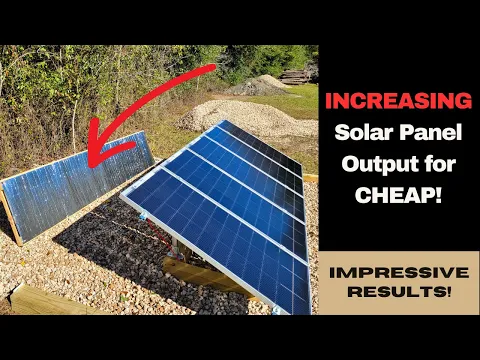

Bifacial Technology: Dual Light Capture
Bifacial solar panels differ from traditional ones due to their ability to capture sunlight from both sides of the panel. This technology allows them to take advantage of not only the light that directly hits the front side of the panel but also the light that reflects on its back side. Inserted between two layers of transparent material, usually glass, these solar cells maximize the available light environment.
-
China bets on the Fishery-PV model and transforms fish farms into giant solar plants, covering ponds with panels that generate energy while utilizing the same space for large-scale aquaculture production.

-
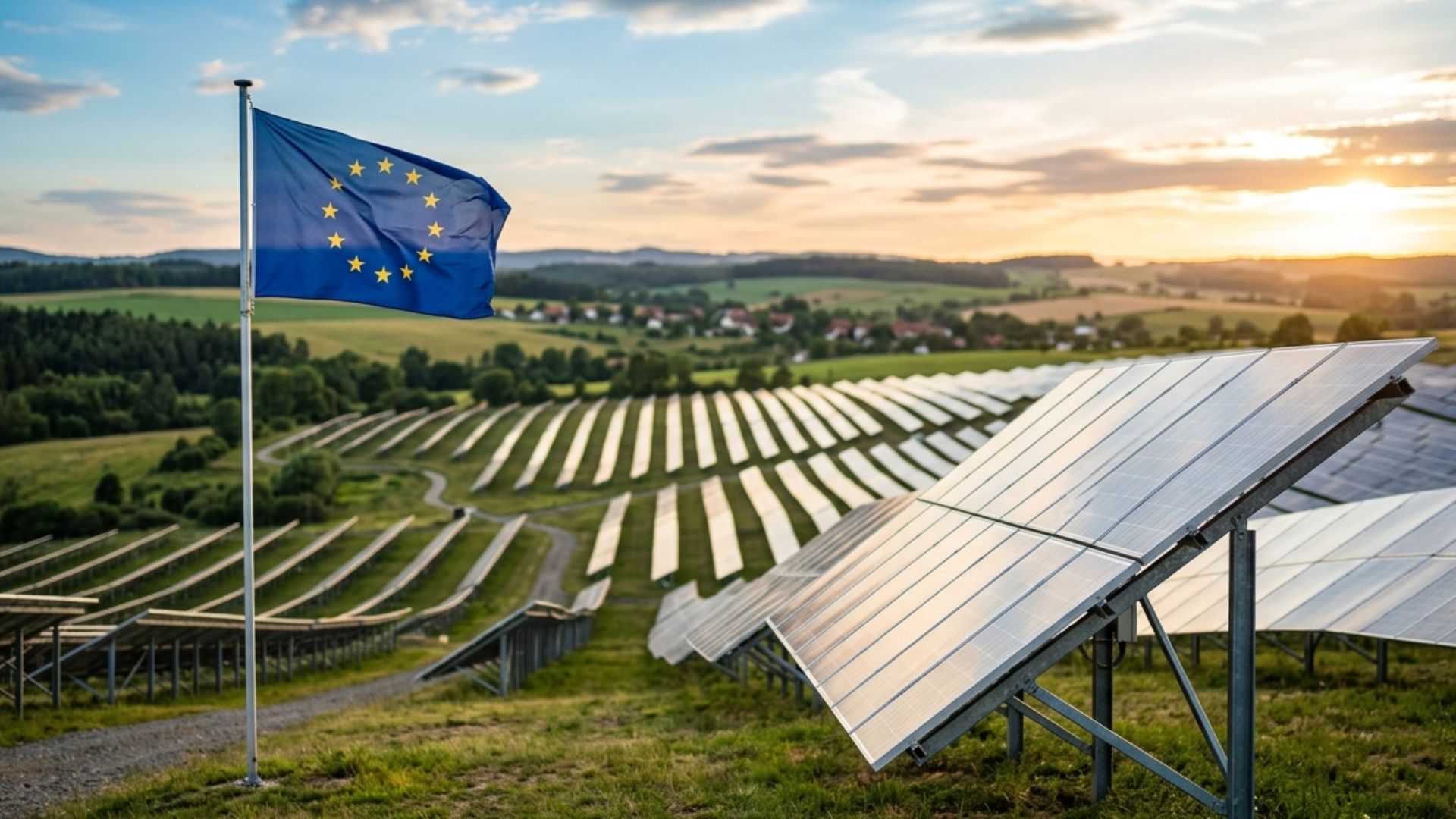
Europe records strong euro economy with solar energy in March and sparks curiosity about which country leads growth that redefines the energy market and reduces costs.
-
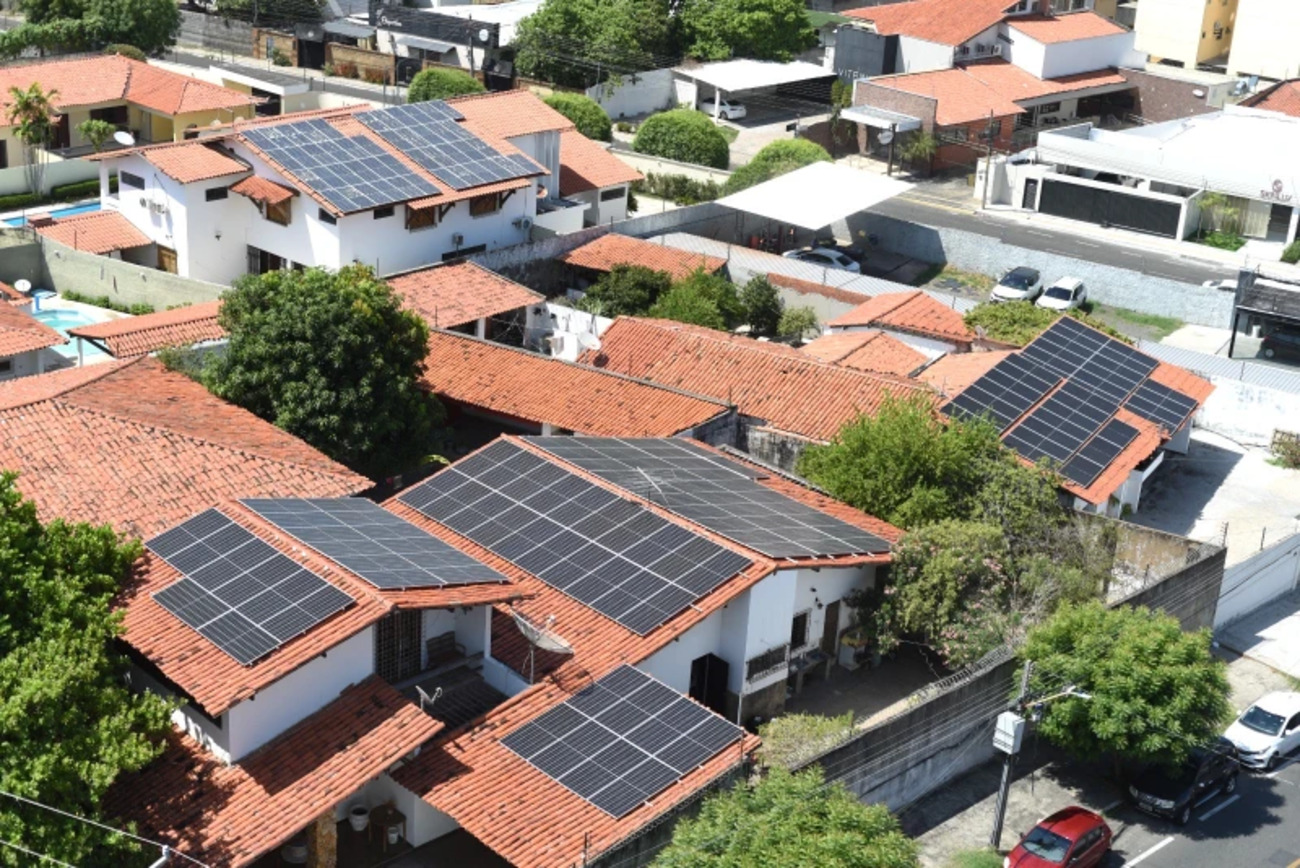
Piauí reaches a historic milestone in energy transition: State records nearly 160,000 households powered by solar energy and leads growth in the Northeast.
-
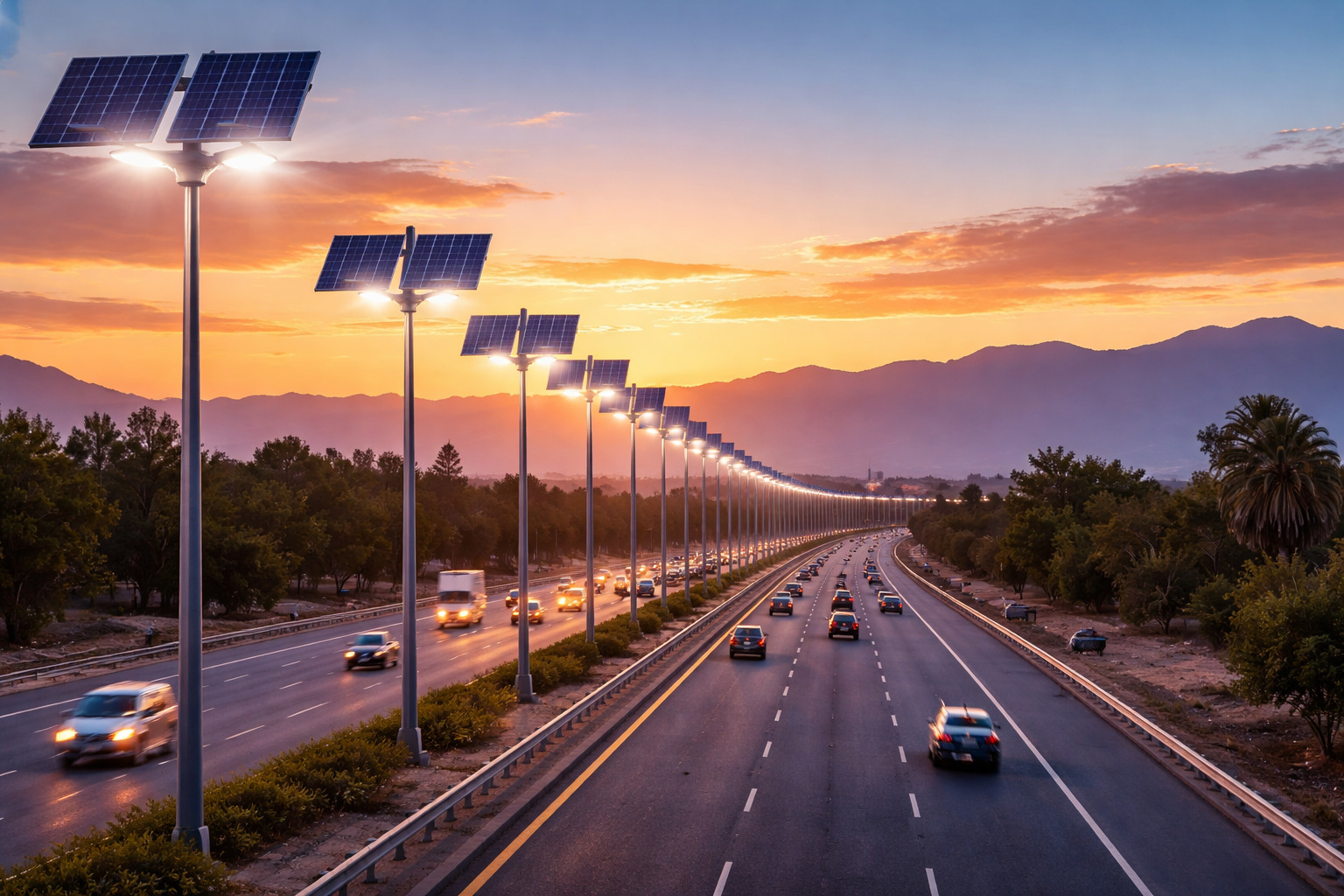
Argentina debuts its first 100% solar-powered highway and transforms an entire road into a showcase of clean energy.

Optimization Methods: Increase Your Solar Energy Production
Clear Ground Method
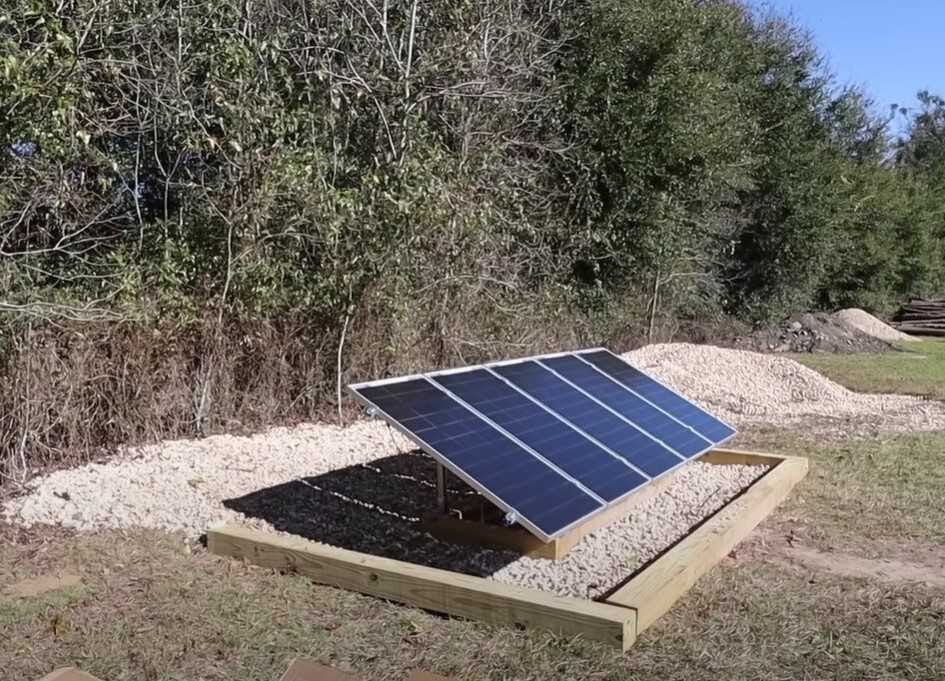
A simple change like spreading light-colored stones under the panels can increase ground reflectivity, improving panel efficiency by 3%. By doing this, the content creator was able to increase the energy output of their panels from 650 to 670 W.
Clear Wall Method
Simulating a clear exterior wall using large cardboard sheets placed behind the panels managed to reflect more light to the back of the panels. This adjustment provided an additional 15 W increase, bringing total efficiency up by approximately 5%.
Reflective Leaves Method
Finally, the implementation of a reflective sheet mounted on a wooden structure further improved light capture. This setup reflected sunlight falling behind the panels directly to their back, elevating energy production to an impressive total of 773 W.
Solar Energy: Small Changes, Big Results
These home experiments prove that with a little ingenuity and minimal effort, it is possible to significantly optimize the efficiency of bifacial solar panels. While the efficiency increases promised by some sellers may be exaggerated, achieving an improvement of 10 to 15% is realistic and certainly beneficial.
Summary:
Optimization of Solar Panels: This video focuses on how to optimize bifacial solar panels to increase their output using cheap reflective materials.
Use of Bifacial Panels: It is explained that bifacial panels capture light from both sides, unlike traditional panels which only capture light from one side. This makes them ideal for settings where reflectivity can be maximized behind the panels.
Cost-effective Solutions to Increase Output: Tests the use of different cheap reflective materials, such as white stones and reflective bubble wrap, to see how they affect the panel’s energy production.
Test Results: The tests show modest increases in energy production due to improved reflectivity. Improvement with white stones provides a small increase, while reflective bubble wrap offers better results.
Practical Installation Tips: Tips are provided on how to properly install these panels and how to adjust the setup to maximize performance according to sun position and environmental characteristics.
Numbers-Based Ideas:
Increased Yield with White Stones: An increase of about 3% in energy production is observed when using white stones to enhance reflectivity behind the panels.
Use of Reflective Bubble Wrap: Using bubble wrap as reflective material behind the panels results in a more significant production increase, suggesting a cost-effective strategy for solar system owners.
Specific Benefits of Bifacial Solar Panels Compared to Traditional Ones
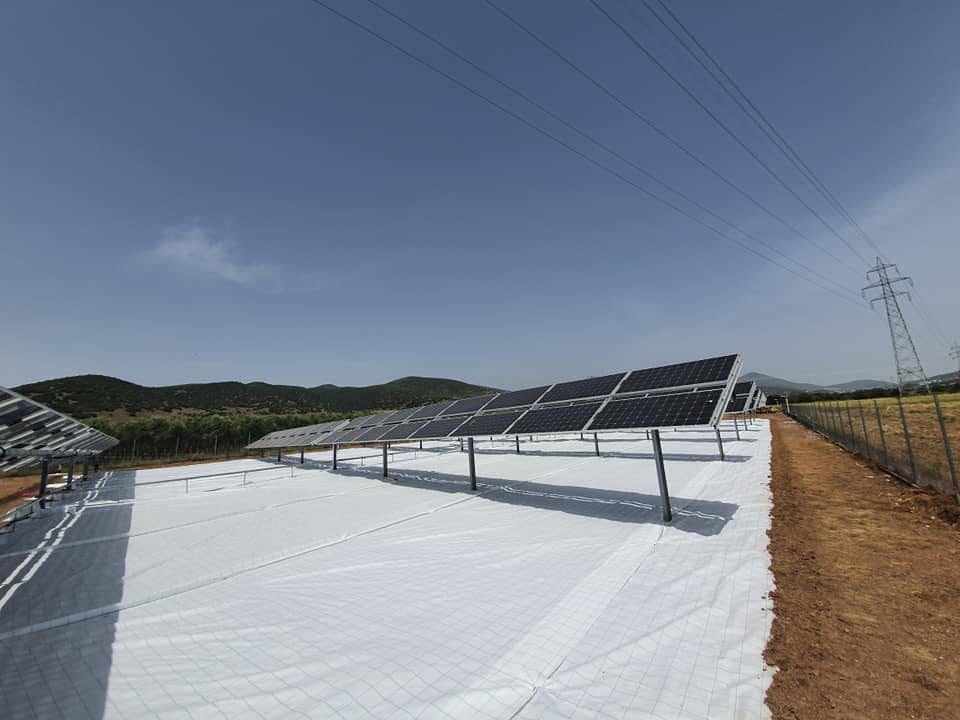
Bifacial solar panels have the ability to capture sunlight from both sides of the panel, unlike traditional solar panels that only capture light from one side. This allows them to take advantage of reflected light from the environment, such as nearby surfaces or the ground, to generate additional energy.
The video mentions that this feature is particularly useful in installations where reflectivity behind the panels can be enhanced, potentially increasing energy output without the need for additional solar panels. This makes bifacial panels a more space- and energy-efficient option in suitable locations. Additionally, the use of economical reflective materials, such as white stones or reflective bubble wrap, can significantly improve their performance, offering a cost-effective way to increase solar energy production.
How Does The Immediate Environment Affect The Effectiveness Of Bifacial Solar Panels?
The video explains that the immediate environment plays a crucial role in the effectiveness of bifacial solar panels. Since these panels can capture light from both the front and the back, the presence of reflective surfaces behind them can significantly increase their energy production. It mentions that surfaces like concrete, light-colored painted house walls, or even white stones can help reflect more sunlight to the back of the panels, which is harnessed by their bifacial capability.
It also highlights the importance of considering the type of surface and its color, as dark surfaces or those that do not reflect light well will not significantly contribute to panel yield. Furthermore, it tests the theory that even cheap and simple materials, such as reflective bubble wrap, can effectively increase panel output when placed behind them, demonstrating that even small changes in the environment can have a notable impact on the energy efficiency of a solar system.
What Reflective Materials Not Tested In The Video Could Be Effective In Increasing The Output Of Solar Panels?
The video mainly focuses on the use of white stones and reflective bubble wrap as means to increase reflectivity behind bifacial solar panels. However, there are other materials that are not mentioned in the video that could be equally effective or even more so for this purpose:
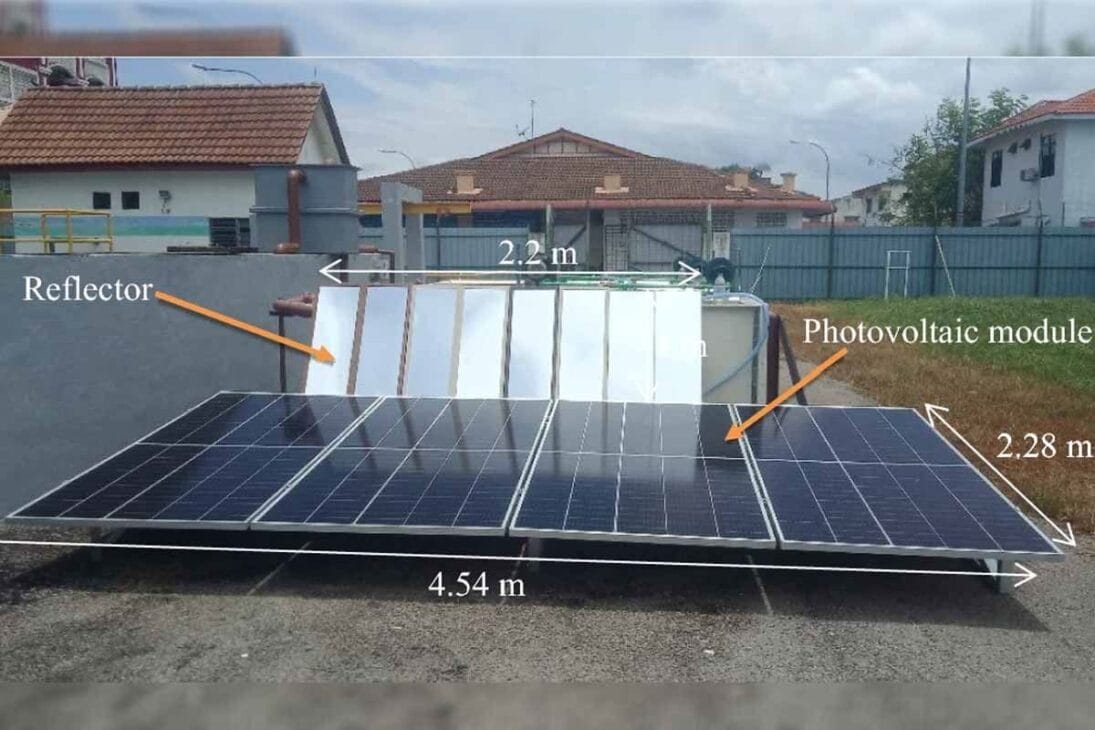
Mirrors: While briefly mentioned, no tests with mirrors are conducted in the video. Mirrors could offer high reflectivity, efficiently directing sunlight to the panels and potentially greatly increasing energy production.
Polished Metal Sheets: Similar to mirrors, metal sheets like polished aluminum could reflect a large amount of light to the panels.
Specialized Reflective Paint: There are paints designed to reflect sunlight that could be applied to surfaces near the panels to enhance the effectiveness of bifacial panels.
Ceramic or Glazed Surfaces: Some ceramics or glazed tiles have reflective properties that could be explored for this use.
These materials could offer varying degrees of improvement in energy production depending on their ability to effectively reflect sunlight to the back of solar panels. Experimenting with a variety of materials could provide innovative and effective solutions for optimizing bifacial solar panel systems.







Seja o primeiro a reagir!