





 Portuguese
  English
  Spanish
  2 min of reading
  0 comments


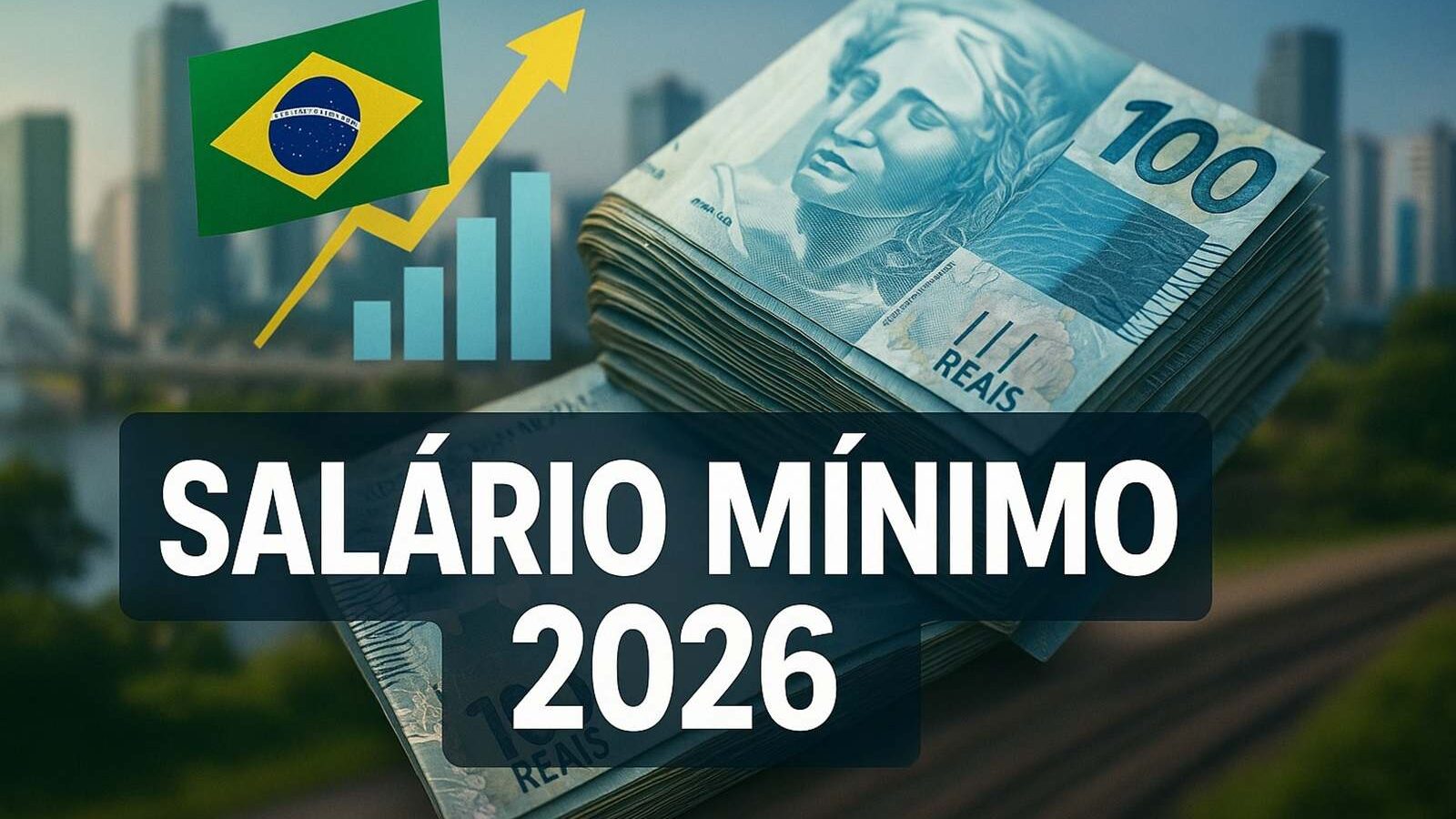
Government Announces That The Minimum Wage Is Expected To Rise To R$ 1,631 In 2026, Representing A Re-adjustment Of R$ 113 And Putting Pressure On Public Accounts With Higher Mandatory Expenses
The government presented on Friday (29) the Annual Budget Law Project (PLOA) for 2025 with a forecast for the minimum wage at R$ 1,631. The amount represents an increase of R$ 113 compared to the current floor of R$ 1,518.
The adjustment of 7.44% will take effect in January and will be paid in February’s salary.
The new estimate is slightly below the projection announced in April, when R$ 1,630 was expected.
-
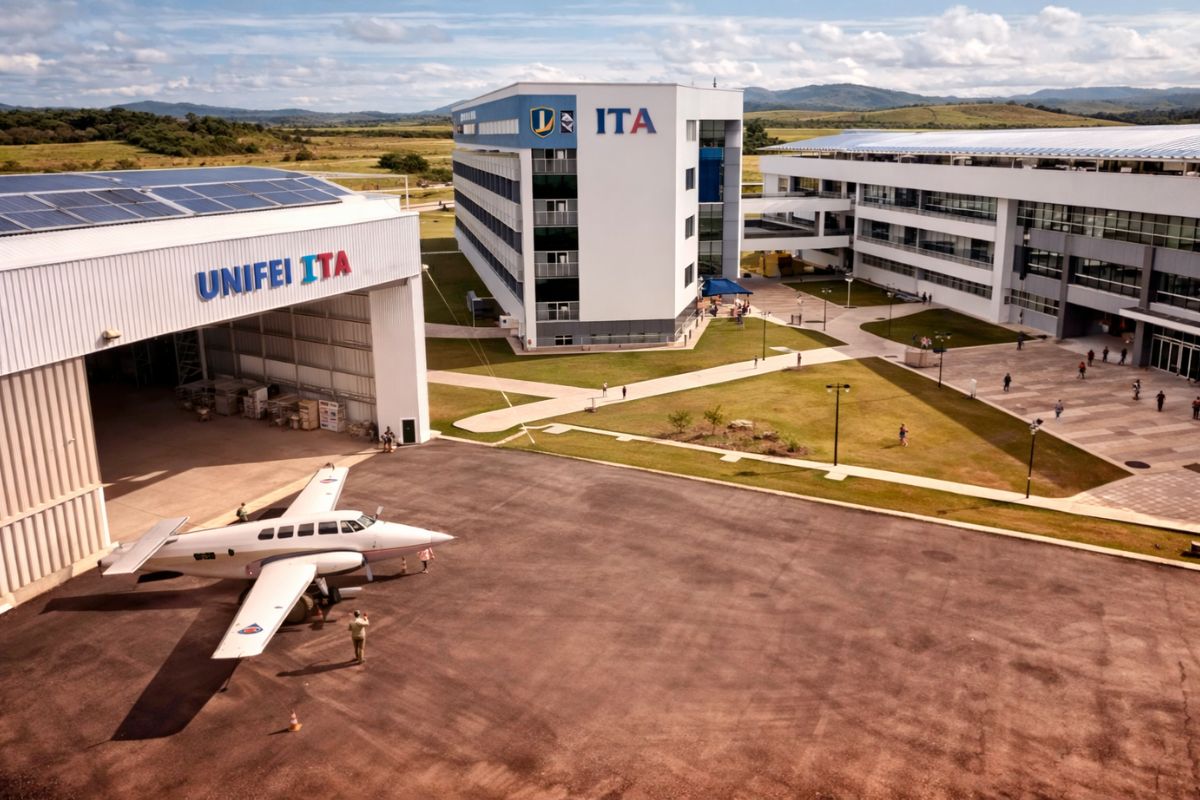
The institute that trained the greatest aerospace engineers in Brazil has just opened its first campus outside São Paulo after 75 years: ITA Ceará will have R$ 445 million, new courses in energy and systems, and classes are expected to start in 2027.
-
Luciano Hang, owner of Havan, goes to Juiz de Fora after the tragedy in February, brings R$ 1 million, hands out R$ 2,000 cards, and donates up to R$ 15,000 to victims in the region.

-
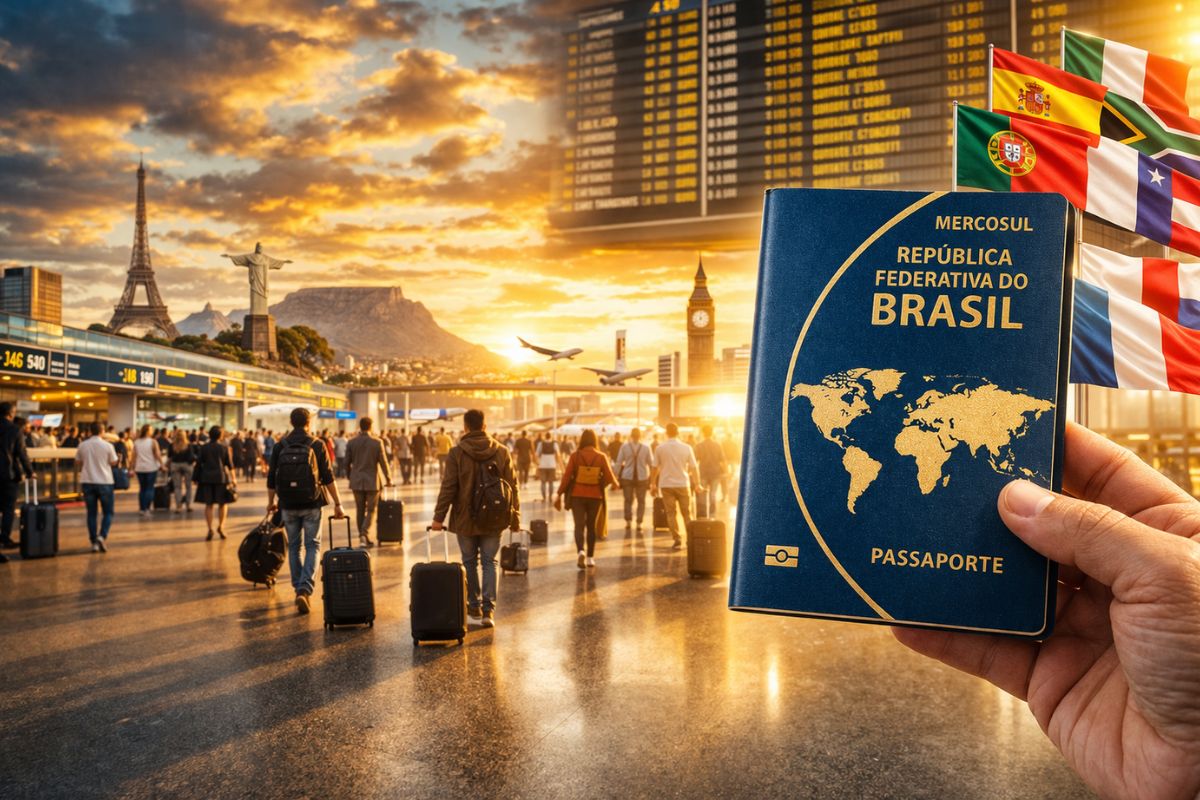
The Brazilian passport allows legal residence in dozens of countries without the need for a prior visa, and most Brazilians are unaware that they can apply for residency directly upon arriving in nations in South America, Africa, and even Europe.
-
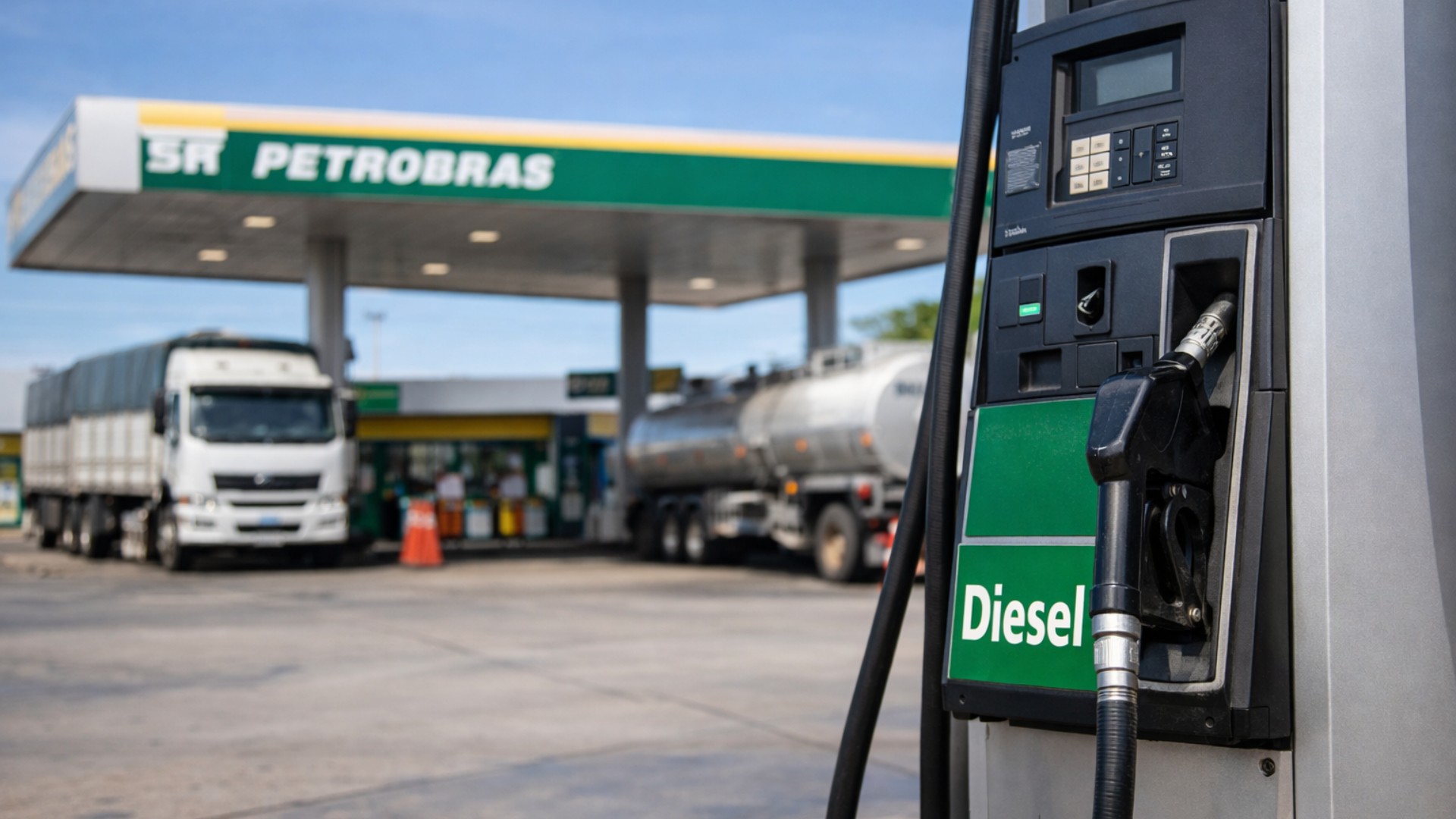
Petrobras sends a message to Brazilian truck drivers after fuel collapse and reveals plan to have 100% domestic diesel.

Despite this, the amount may still change until December, when the National Consumer Price Index (INPC) for November will be officially announced.
Valuation Formula
The definition of the new minimum follows the law sanctioned by President Luiz Inácio Lula da Silva, which established a permanent valuation formula.
The calculation considers two factors: inflation measured by the INPC accumulated over 12 months until November and the real growth of Gross Domestic Product (GDP) for the two previous years. For 2026, for example, the GDP of 2024, which grew by 3.4%, will be taken into account.
This mechanism ensures that the minimum wage has a real increase, that is, above inflation. Therefore, the goal is to preserve the purchasing power of the worker while also promoting additional gains linked to economic performance.
Reach Of The Re-adjustment
According to a technical note from the Inter-Union Department of Statistics and Socioeconomic Studies (Dieese), released in January, the minimum wage serves as a reference for 59.9 million people in Brazil.
This group includes workers with wages linked to the minimum, retirees, and beneficiaries of programs such as the Continuous Cash Benefit (BPC).
In addition to the direct impact on income, the adjustment also influences the average salary in the country and the purchasing capacity of families. This is because it raises the calculation base for benefits and expands purchasing power.
Impact On Public Accounts
The increase in the minimum wage also has a significant effect on public accounts.
All social security benefits, as well as the wage allowance and unemployment insurance, must be paid at or above the minimum wage. Therefore, a larger adjustment leads to an increase in mandatory expenses.
According to government calculations, each R$ 1 increase in the floor results in approximately R$ 400 million more in expenses in the following year.
Therefore, the estimated increase of R$ 113 for 2025 will represent several billion reais in additional public expenditures. This reduces the margin for investments and discretionary policies, as a larger share of the budget will be committed to mandatory expenses.








-

Uma pessoa reagiu a isso.