





 Portuguese
  English
  Spanish
  4 min of reading
  0 comments


The Tie Appeared In The Seventeenth Century Among Croatian Soldiers Who Wore Scarves Around Their Necks As Part Of Their Uniform; The Accessory Was Adopted By The French Court And Became A Symbol Of Elegance Still Used Today.
The tie is now one of the most associated pieces with elegance and formality in men’s clothing. Worn in corporate environments, ceremonies, and formal events, it has become a symbol of sophistication and professionalism in different cultures around the world. However, the origin of this accessory is far from modern offices and fashion runways.
The history of the tie dates back to the seventeenth century, amidst European wars and the presence of foreign soldiers in the armies of France. It was in this context that a simple scarf worn around the neck by Croatian soldiers caught the attention of French society and eventually gave rise to one of the most well-known pieces of formal clothing.
The Military Origins Of The Tie In The Seventeenth Century
During the Thirty Years’ War (1618–1648), Croatian soldiers served as mercenaries in various European armies, including the French army. These soldiers wore a scarf tied around the neck as part of their uniform. The fabric could come in different shapes and materials, varying according to the soldier’s rank. In many cases, officers used silk scarves or more refined fabrics, while common soldiers used simpler materials.
-
The narrowest house in the world is only 63 centimeters wide, but inside it can accommodate a bathroom, kitchen, bedroom, office, and even two staircases.

-
In the middle of the sea, these enormous concrete and steel structures, built by the British Navy to protect strategic maritime routes, look like they came straight out of a Star Wars movie.

-
For years, no one could cross a neighborhood in Tokyo because of the tracks, but an impressive solution changed mobility and completely transformed the local routine.

-
With 15 floors, an unusual building in Curitiba uses concrete, pilasters, and exposed roofs to create the effect of stacked houses.


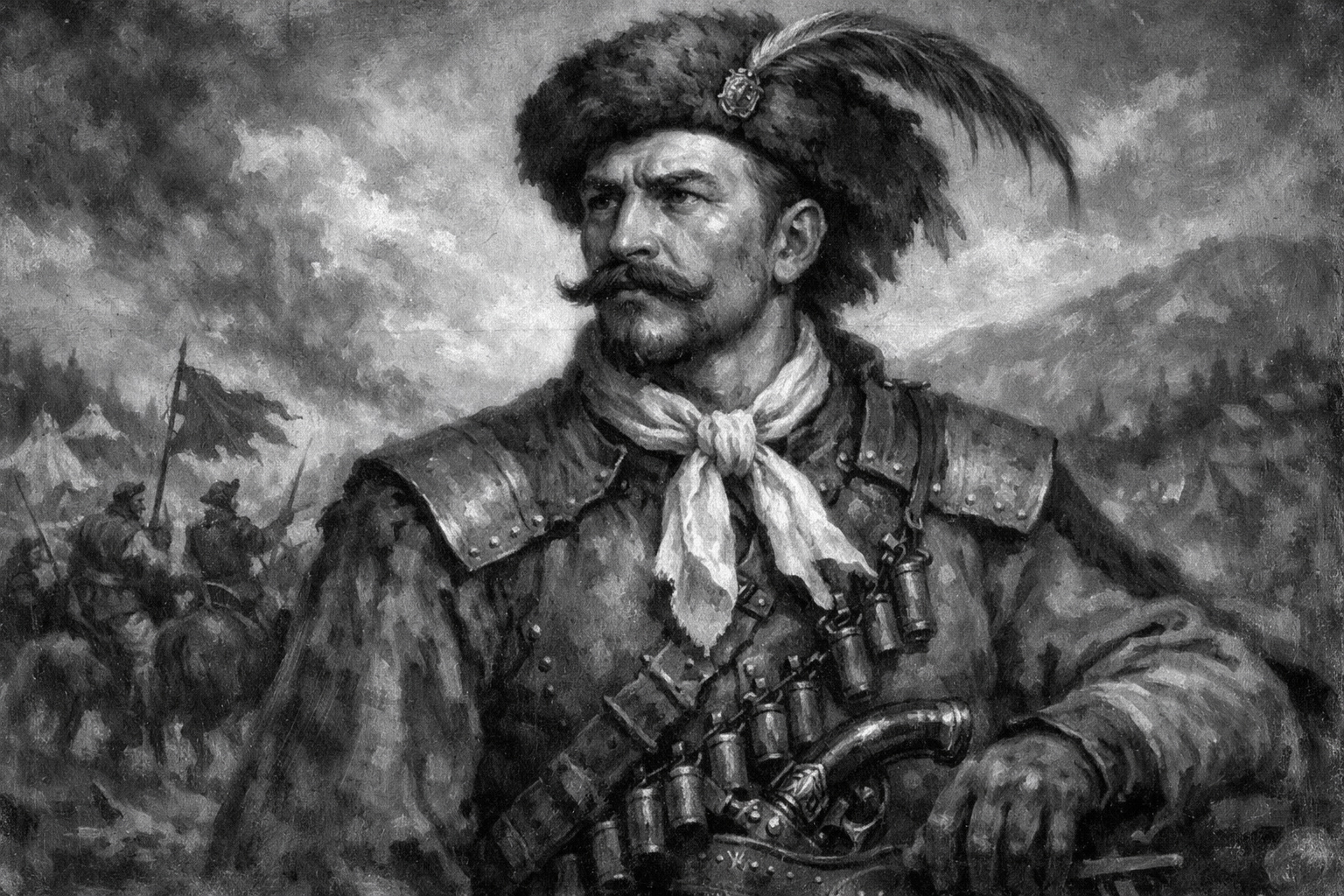
This accessory had practical functions within the military uniform and also helped identify certain units. The appearance of these scarves caught the attention of the French who observed the Croatian troops during parades and military movements. It was from this military piece that the basis of the modern tie emerged.
The Adoption Of The Accessory By French Society
When the Croatian soldiers passed through Paris, around the 1630s, the accessory caught the attention of the population and the French aristocracy. The style began to be imitated by members of the elite and quickly gained a place in the men’s fashion of the time.
At the French court, the scarf began to be worn in a more elaborate manner, with finer fabrics and different types of tying. The piece started to be called “cravate”, a word derived from the French term “Croate,” which means Croatian. This name was a direct reference to the soldiers who had popularized the accessory. This is how the term that would give rise to the word “tie” in various languages came to be.
The Influence Of The Court Of Louis XIV
During the reign of Louis XIV, the French court became one of the most influential fashion centers in Europe. Everything that was worn by the nobles in Paris ended up being replicated by aristocrats in other countries.
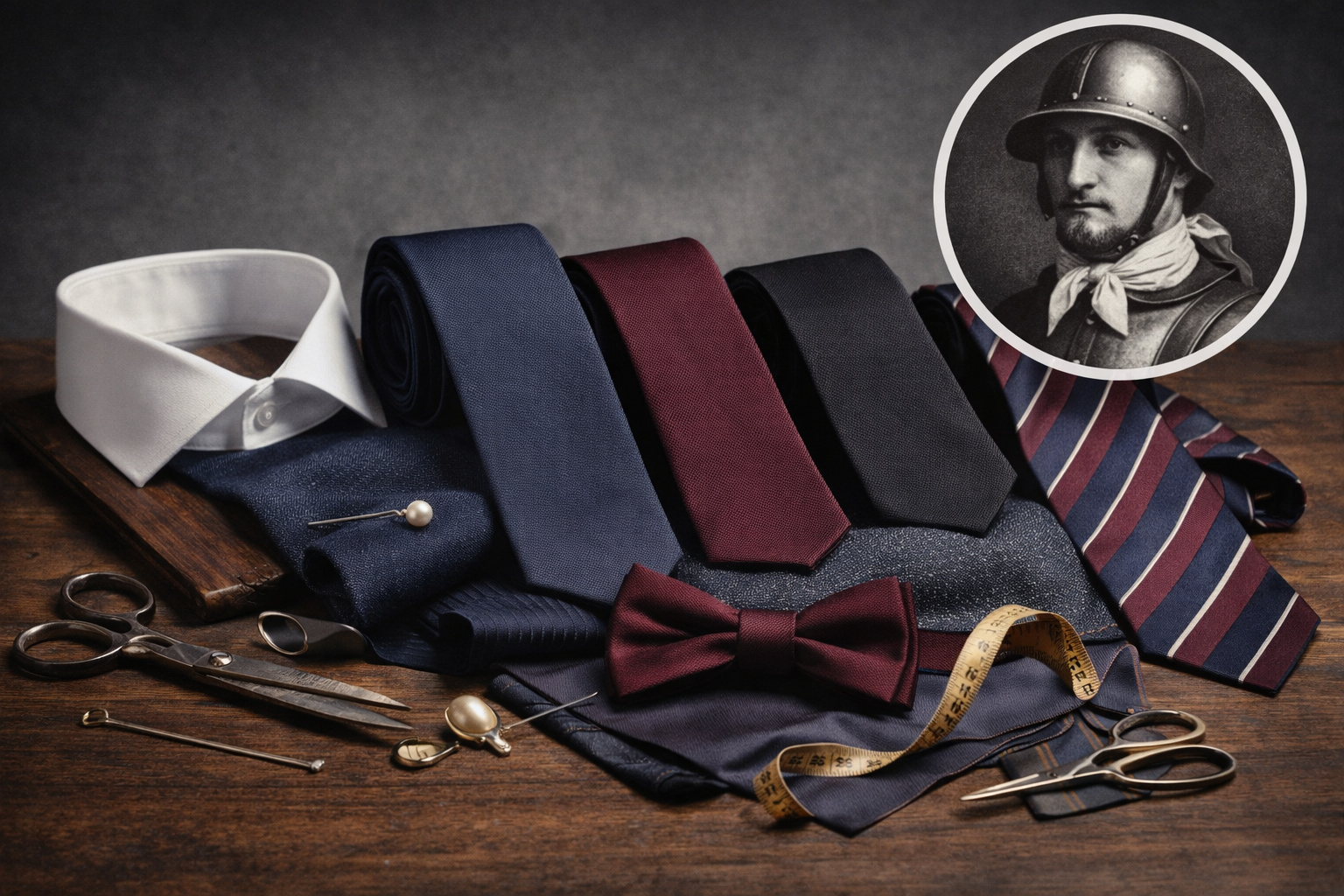
The cravate quickly became a symbol of elegance and social distinction. Nobles began to wear increasingly elaborate versions of the accessory, with luxurious fabrics, laces, and different types of knots. The piece ceased to be merely a military reference and became part of formal male clothing. From that moment, the tie began its transformation into a fashion item.
The Evolution Of The Accessory Over The Centuries
Over time, the tie underwent various transformations. During the eighteenth century, the accessory evolved into different styles of scarves and strips of fabric worn around the neck. In the nineteenth century, more structured versions emerged that resembled the shape of modern ties. This period marked the popularization of different types of knots and styles. Among the most known shapes were:
- wide scarves tied under the collar
- narrow ties worn with vests
- decorated models worn by the aristocracy
Each style reflected fashion trends and social differences.
The Emergence Of The Modern Tie
The tie as we know it today began to take shape in the late nineteenth and early twentieth centuries. During this period, the piece began to have a more elongated and narrow shape, being worn with shirts and suits. With the popularization of the men’s suit, the tie became an essential element of formal wear.
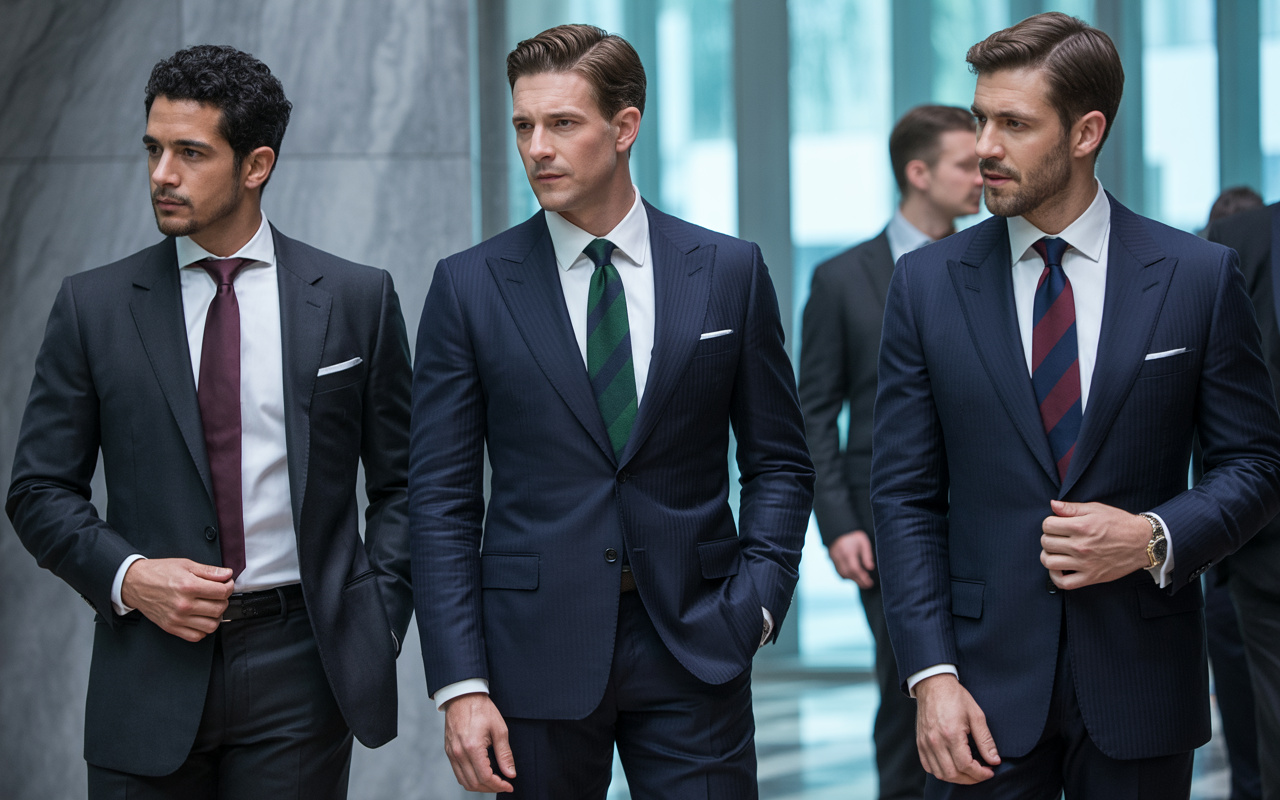
The fashion industry began to produce ties in different colors, fabrics, and patterns. Among the most common materials are silk, polyester, cotton, and wool. These changes consolidated the tie as a fundamental part of formal men’s fashion.
The Tie As A Symbol Of Formality
Throughout the twentieth century, the tie became associated with the professional and corporate environment. Executives, politicians, and professionals from various fields adopted the accessory as part of standard attire.
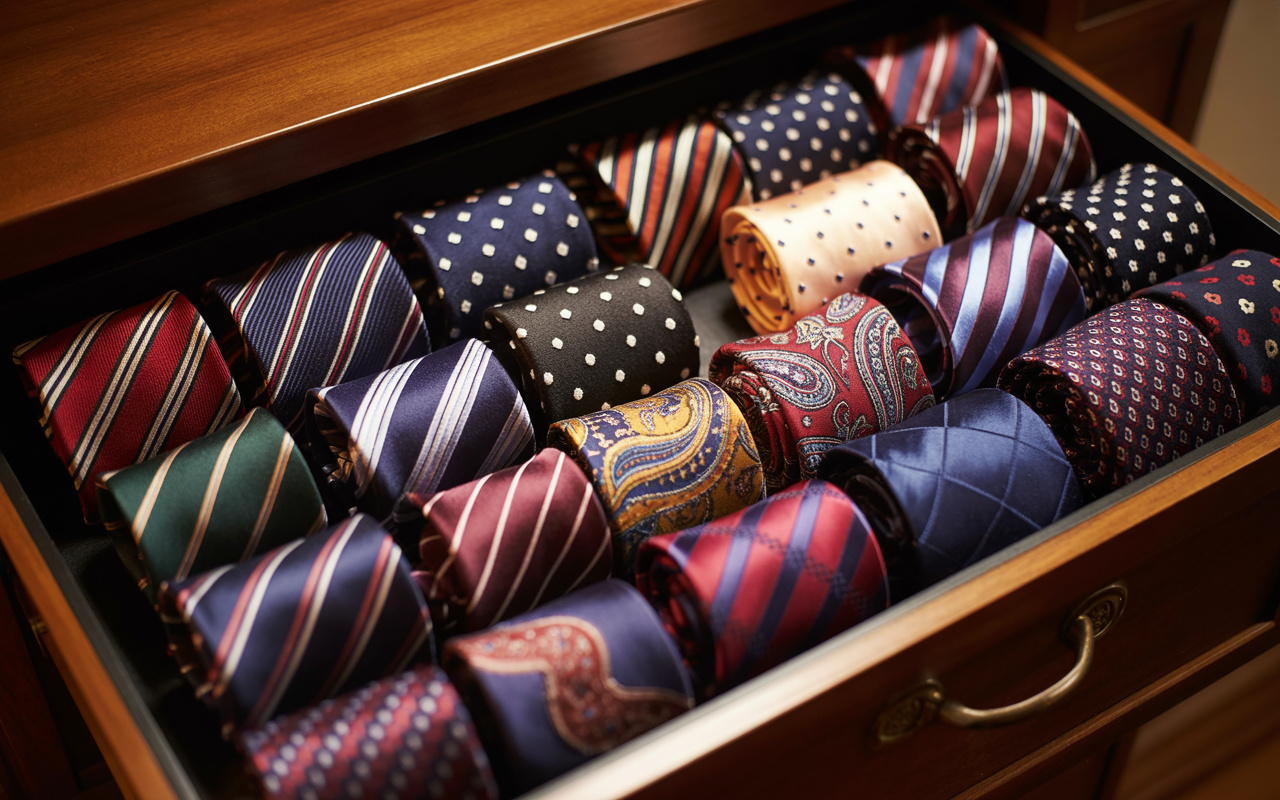
In many countries, wearing a tie became synonymous with formality, authority, and professionalism. Even with changes in fashion trends, the tie continues to be used on various formal occasions. Weddings, business meetings, diplomatic events, and official ceremonies still maintain the piece as an important element of men’s attire.
A Fashion Item That Originated On The Battlefield
The trajectory of the tie shows how seemingly simple elements can gain completely different meanings throughout history. What began as a scarf worn by Croatian soldiers in the seventeenth century ended up transforming into a global symbol of elegance.


By being adopted by the French court and later by European fashion, the accessory left the military environment and became a representation of social status and sophistication. Today, centuries after its origin on European battlefields, the tie remains one of the most recognized pieces of formal clothing worldwide.








Seja o primeiro a reagir!