





 Portuguese
  English
  Spanish
  4 min of reading
  0 comments


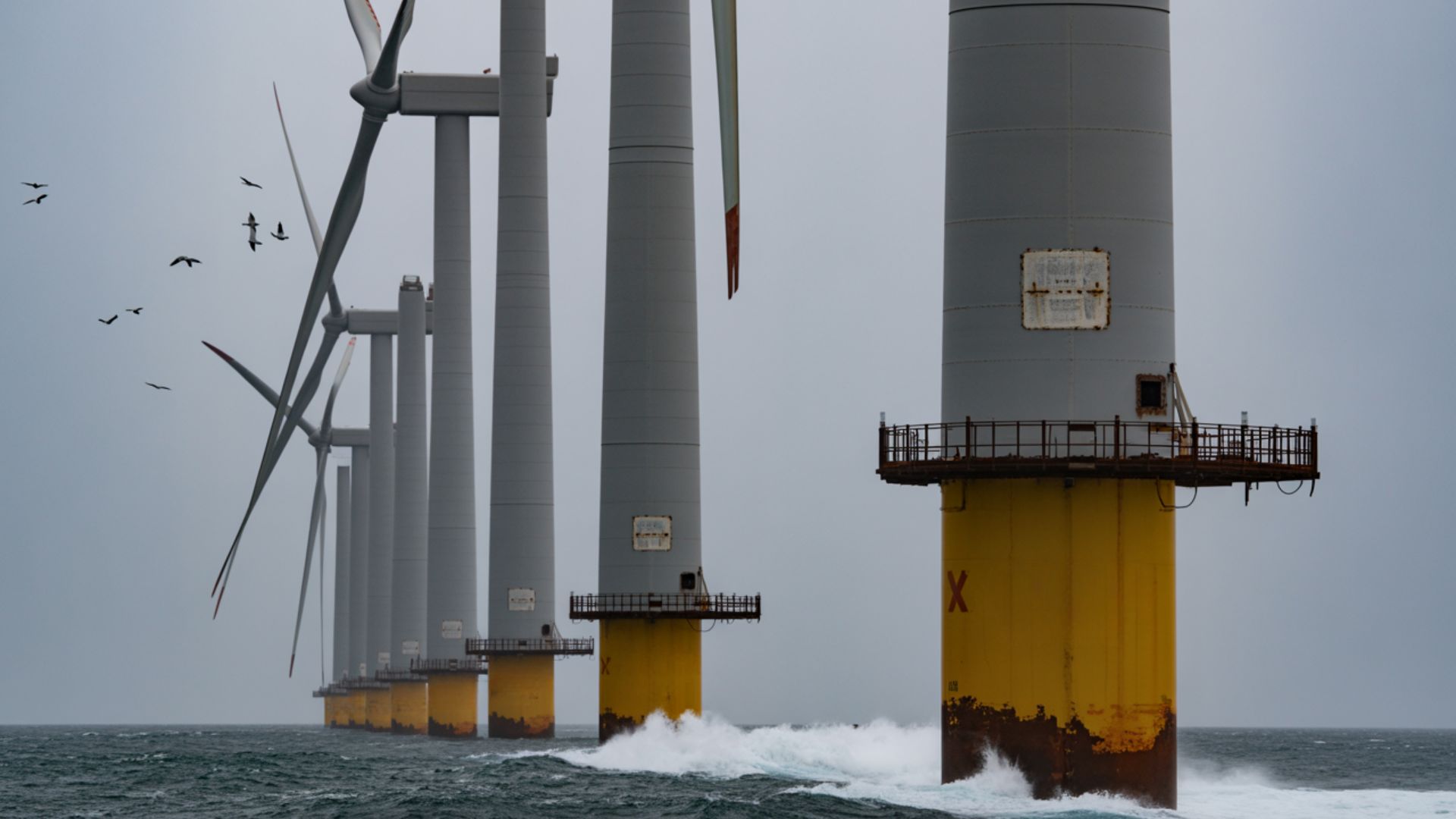
Danish Company Attributes Decision to High Costs, Logistical Problems, and Retraction in Renewable Energy Business Environment.
The Danish company Orsted, one of the global leaders in offshore wind energy, announced on Wednesday that it will not proceed with the Hornsea 4 project, considered one of the largest ventures in the sector in the United Kingdom. The decision marks a delicate moment for the renewable energy market, pressured by rising costs and economic uncertainties.
According to information released by Reuters, the cancellation is due to a combination of factors such as rising prices in the supply chain, increased interest rates, and a higher execution risk. These elements, according to Orsted itself, compromised the expected financial return potential for the project.
A Billion-Dollar Setback for Orsted
Hornsea 4 had not yet reached its final investment decision, but its suspension could result in losses of up to 5.5 billion Danish crowns (about US$ 837 million) in termination fees and accounting write-downs for the company.
-
Giant of the winds in Rio Grande do Norte: Serra do Tigre Wind Complex receives new investments and accelerates the expansion of clean energy generation to supply millions of Brazilian homes.
-
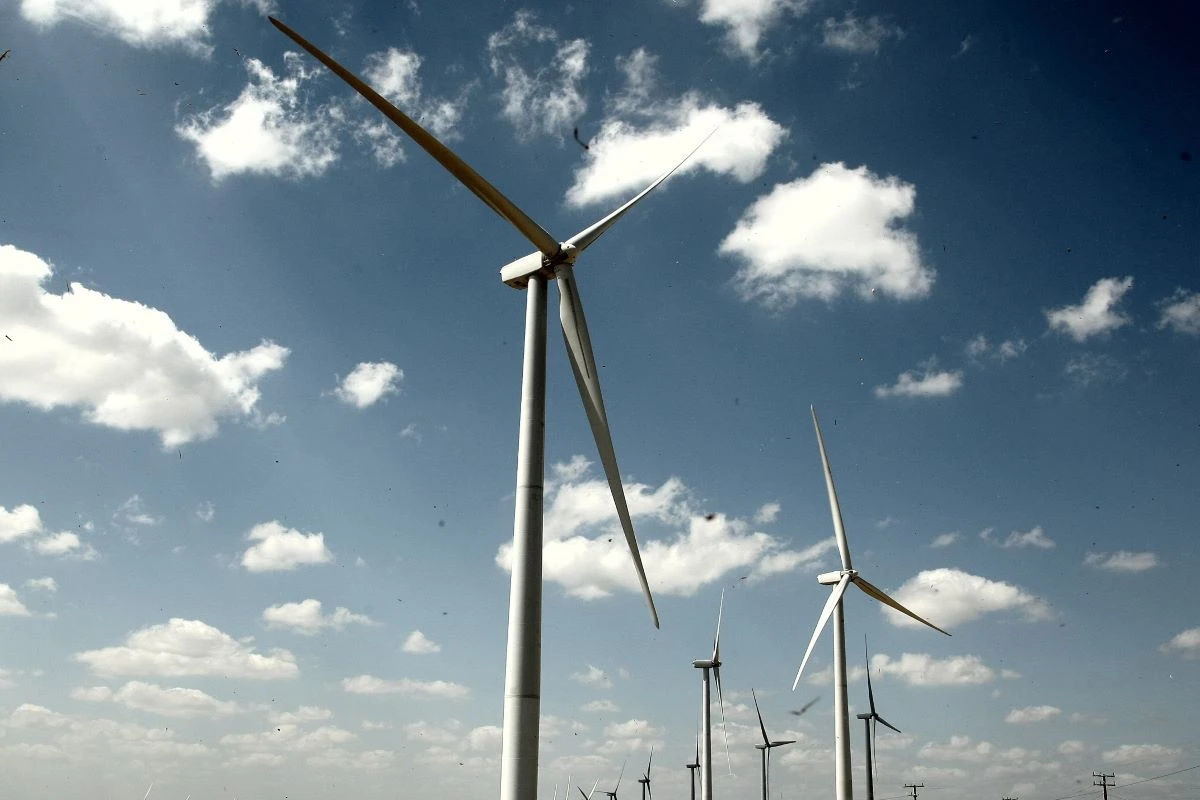
Urgent energy transition: Greenpeace advocates for massive investments and points to Brazil as a global leader in wind energy production in the coming years.
-
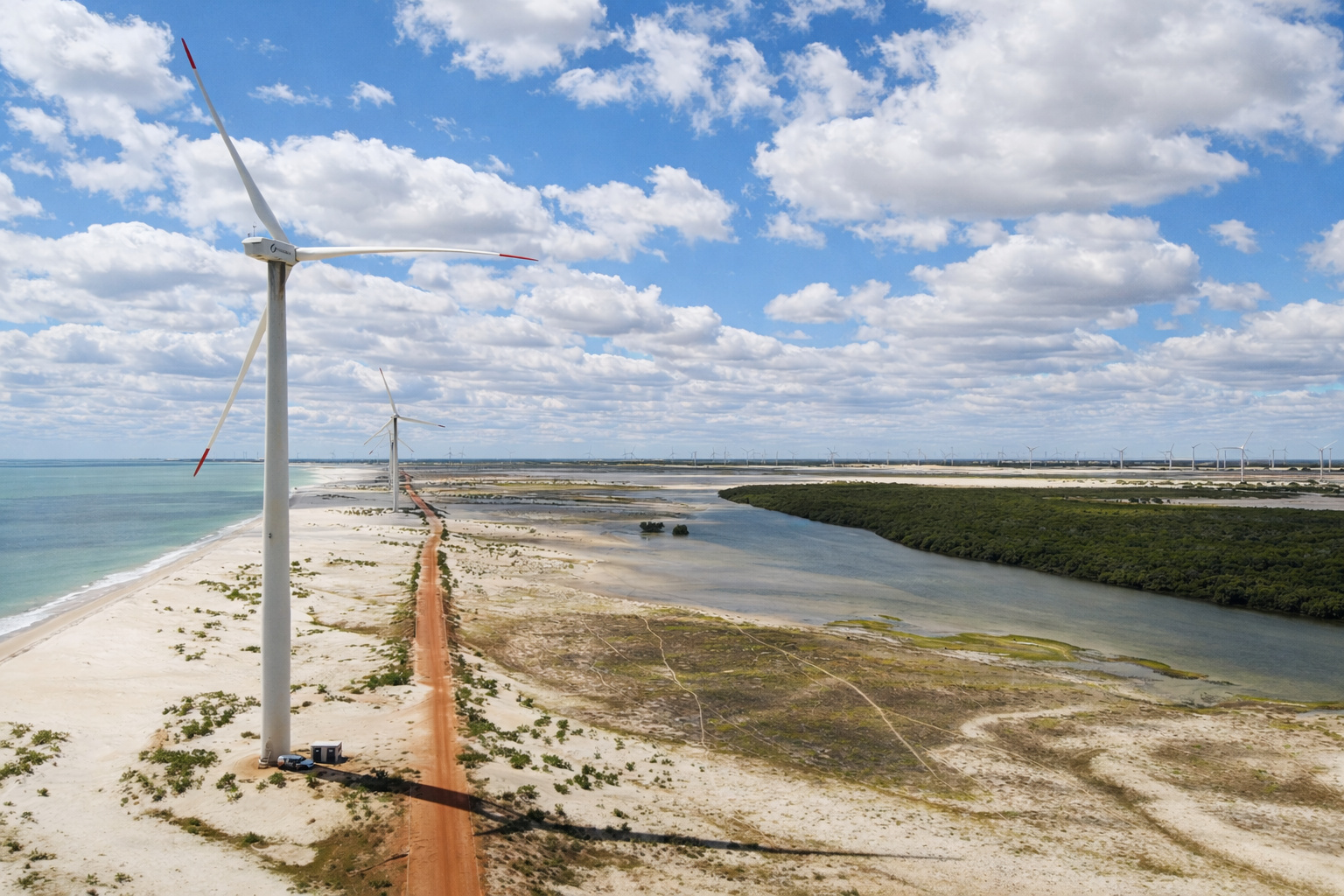
Conflict in the Sertão: Rural communities in Rio Grande do Norte report issues with wind farms and the new challenges of clean energy in the semi-arid region.
-
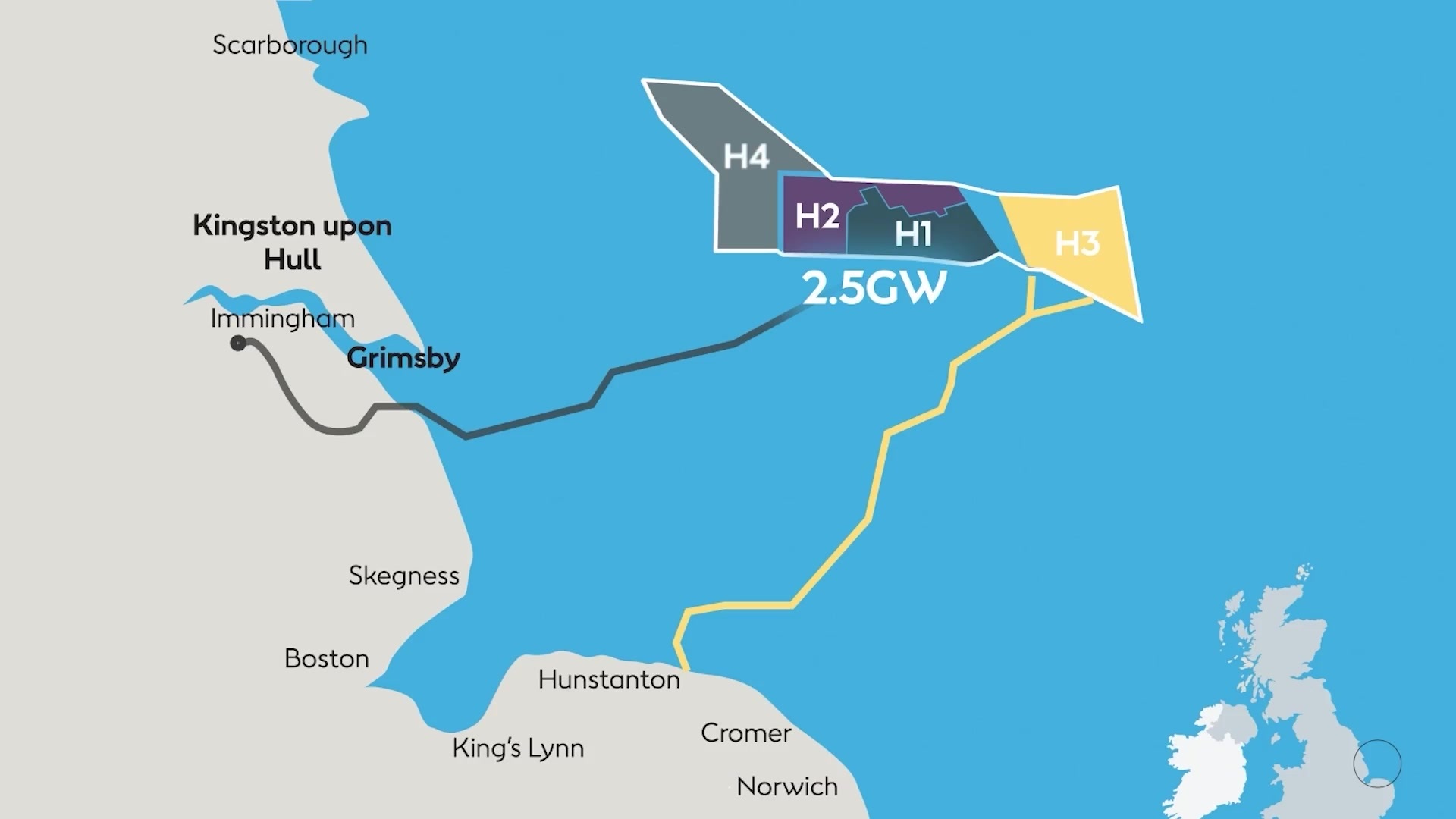
231 turbines of 260 meters at 160 km from the coast, monopiles weighing as much as nine blue whales embedded in the North Sea, and a crane ship taller than the Eiffel Tower: Hornsea 3 will be the largest offshore wind farm on the planet by 2027, and its first components have already arrived in England.

In an official statement, CEO Rasmus Errboe stated that the measure aims to protect the company’s assets. “We believe the decision was necessary to ensure we present only assets that we trust will bring the value we desire,” he declared.
Errboe took over the company in January 2025 with the mission of restructuring Orsted and regaining investors’ confidence amidst the significant market devaluation faced by the company in recent years.
Market Value Drop and Adverse Global Environment
Since its peak in 2021, Orsted has lost about 80% of its market value, reflecting the deterioration of the global landscape for offshore wind energy projects. The retraction affects not only the Danish company but an entire sector facing inflationary pressures, affected logistics, and political changes, primarily in the United States.
In recent months, Orsted’s shares experienced further declines following statements from U.S. President Donald Trump, known for his opposition to wind energy and preference for fossil fuels. Although projects in the United States continue to move forward, the company reported accounting losses related to tariffs on steel and aluminum — essential inputs for turbines — that directly affected its costs.
British Government Still Hopes for Resumption
Hornsea 4 was planned to be installed off the coast of Yorkshire in northern England, with a capacity to generate 2.4 gigawatts. The project had won a renewable energy auction held by the British government the previous year.
Despite the suspension, the UK’s Department for Energy Security and Net Zero expressed confidence in a potential resumption. “We recognize the impact of global high inflation and supply chain constraints, and we will work with Orsted to get Hornsea 4 back on track,” a government spokesperson said.
Offshore Wind Energy Market Under Pressure
The Orsted case reveals a broader reality faced by the offshore wind energy sector: the difficulty of maintaining the economic viability of large projects in an uncertain global environment. With high interest rates, political instability, and logistics costs above expectations, the traditional financial model for these ventures is being re-evaluated by various companies in the sector.
Even with signed contracts and government support, profit margins are tightening, leading to a reassessment of investments and postponement of projects that previously seemed viable.
Financial Results and Orsted’s Outlook
Despite the challenges, Orsted reported a positive financial result in the first quarter of 2025. The company registered an operational profit (EBITDA) of 8.6 billion Danish crowns, above analysts’ expectations, which estimated 7.88 billion.
The number, however, excludes the effects of the Hornsea 4 cancellation, which may change the outlook in upcoming reports. The company maintained its projection for 2025, but without considering the extraordinary costs related to the project’s interruption.
The company confirmed that two projects in the United States will continue on schedule, despite the accounting losses caused by tariffs imposed on imported materials.
United Kingdom Continues to Invest in Renewable Energy
The United Kingdom is the largest offshore wind energy market outside of China and has maintained its commitment to decarbonizing the energy matrix. The country bets on renewable sources as a pillar of its strategy to reduce emissions and meet climate goals.
The suspension of Hornsea 4 is seen as a setback, but the British government continues to work to maintain investor confidence and strengthen the regulatory framework of the sector. The coastal region of Yorkshire, where the project was planned, remains considered strategic for future initiatives.
Discipline Under New Management
Market analysts view Orsted’s decision as a sign of a shift in posture under the management of Rasmus Errboe. According to a note from consulting firm Bernstein, the cancellation is a “surprise,” but demonstrates greater discipline and selectivity in the company’s investments.
With its reputation shaken and the need to regain the market, Orsted seeks to demonstrate that it is focused on sustainable projects, both financially and operationally, even if this means giving up on ventures that were considered promising.






Seja o primeiro a reagir!