





 Portuguese
  English
  Spanish
  3 min of reading


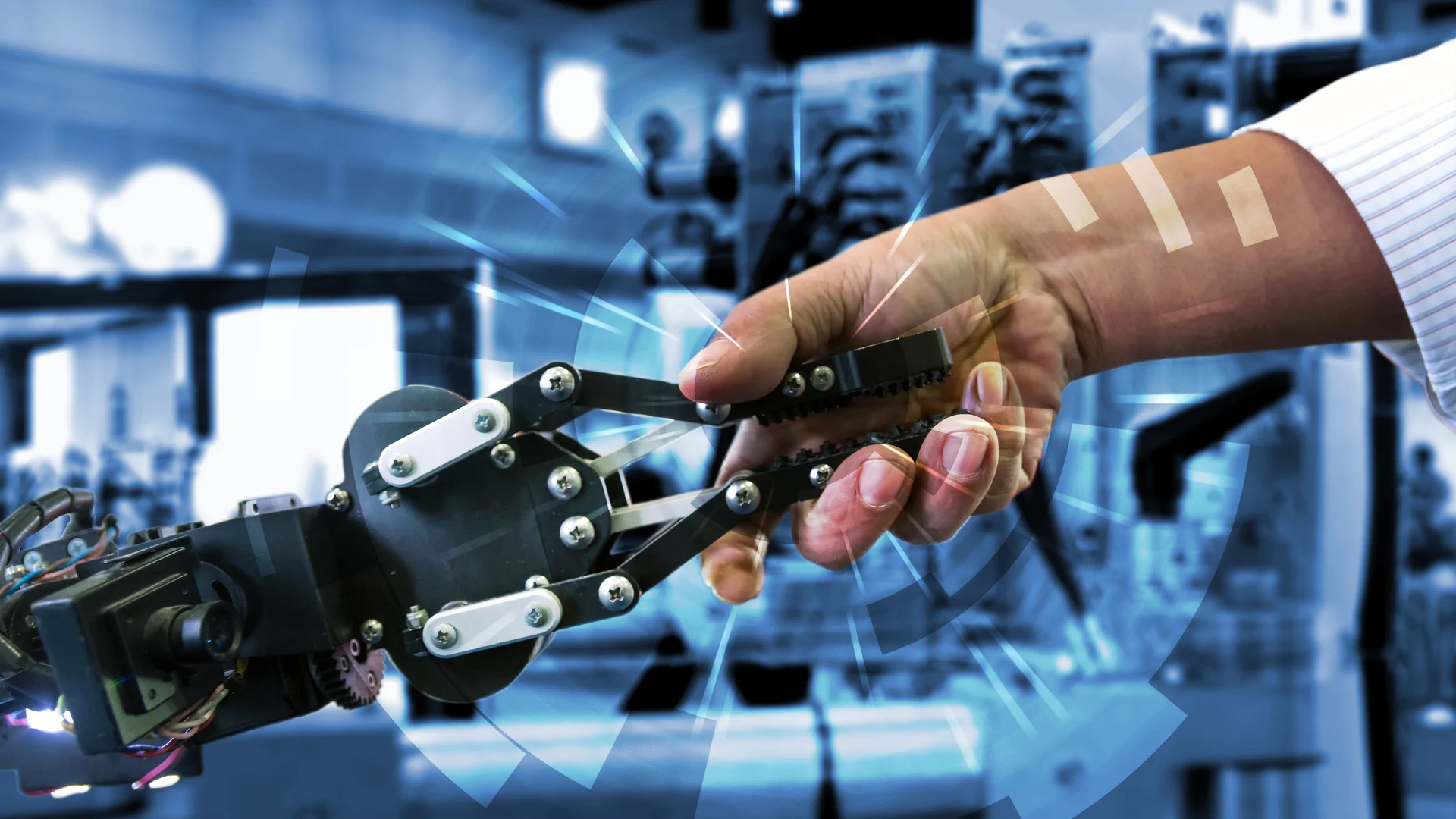
The industry plays an extremely relevant role in Brazil’s economy. It is where the best salaries are found, along with 10.3 million formal jobs. According to a survey by the National Confederation of Industry (CNI), 71.8% of exports and 34.4% of federal tax revenues are also represented by the industry, to name a few examples.
Currently, in a moment of recovery, the industry has been accumulating positive indicators. Especially in the last months of 2022. This includes the “Investment Intent” indicator, which, despite the drop recorded from September to November of last year, shows that significant investments are planned for this year.
Also according to the CNI, the main planned investment objectives in 2022 were for improving the current production process (32%), maintaining production capacity (27%), increasing the capacity of the current line (25%), and introducing new processes, products, and other categories (16%).
-
With 74% of companies facing difficulties in hiring, technicians and engineers in renewable energy are becoming scarce in Brazil and are essential to support the expansion of solar, wind, and green hydrogen projects.

-
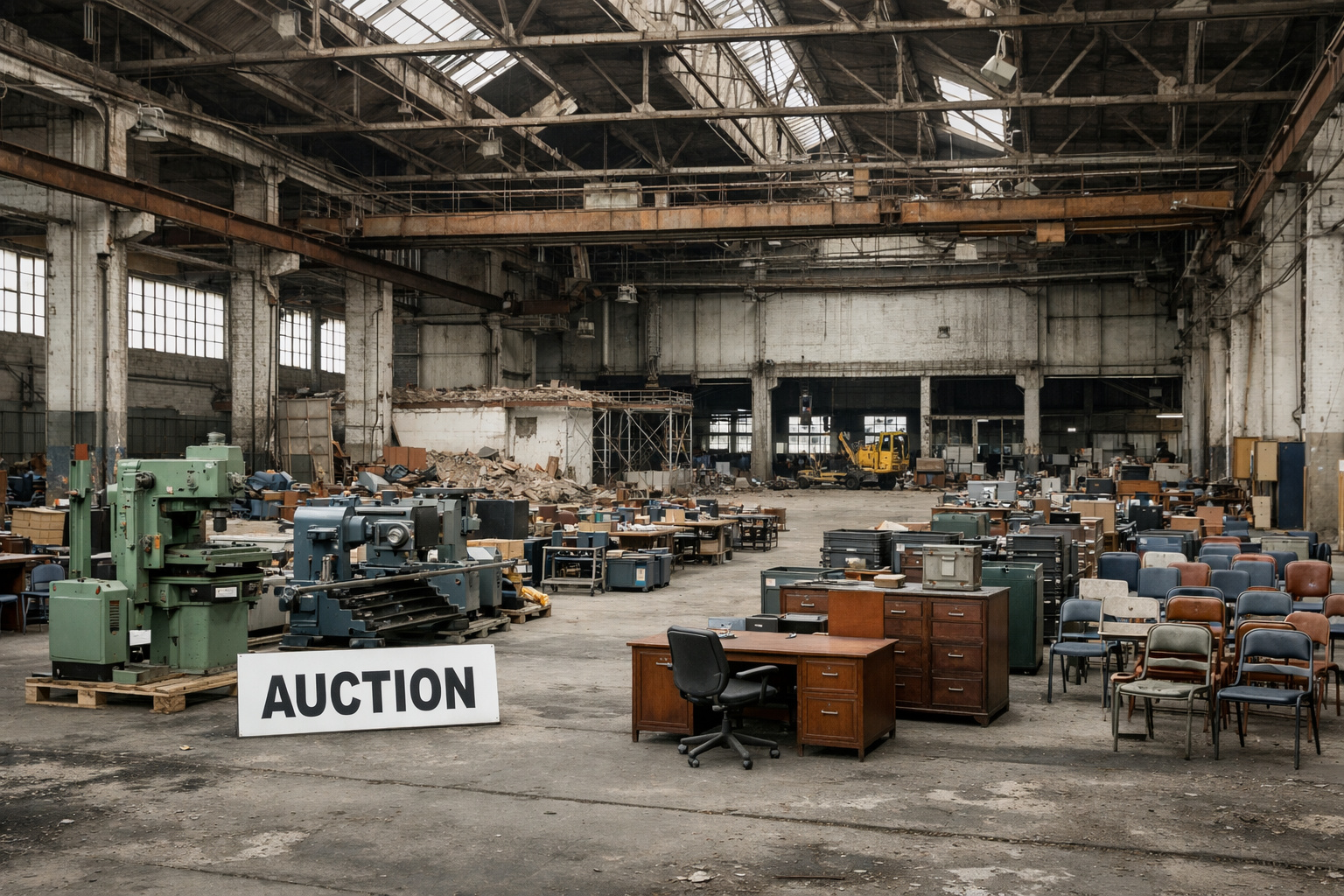
Historic bankruptcy of Centauro shocks the market, and the century-old company puts more than 500,000 products, machines, and complete infrastructure up for online auction.
-
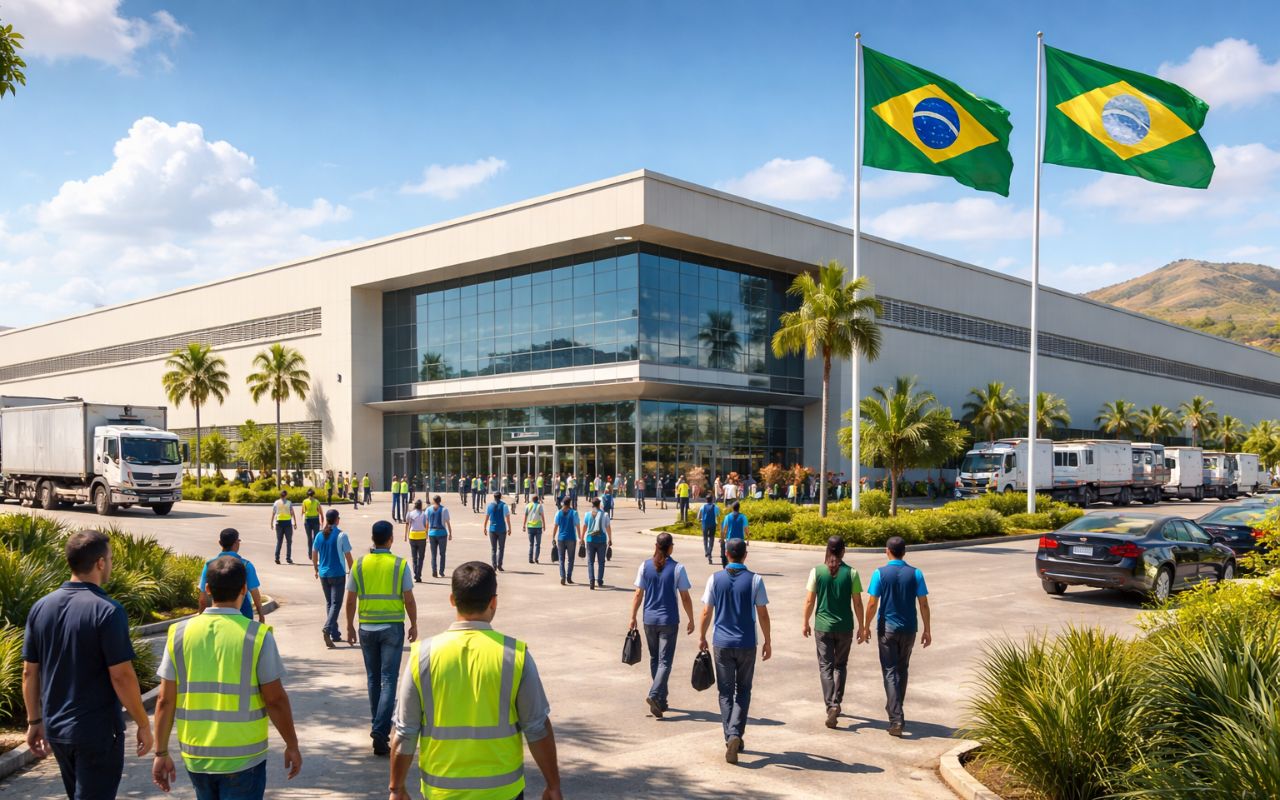
New shoe factory in Ceará is expected to create 400 jobs and strengthen the local economy.
-
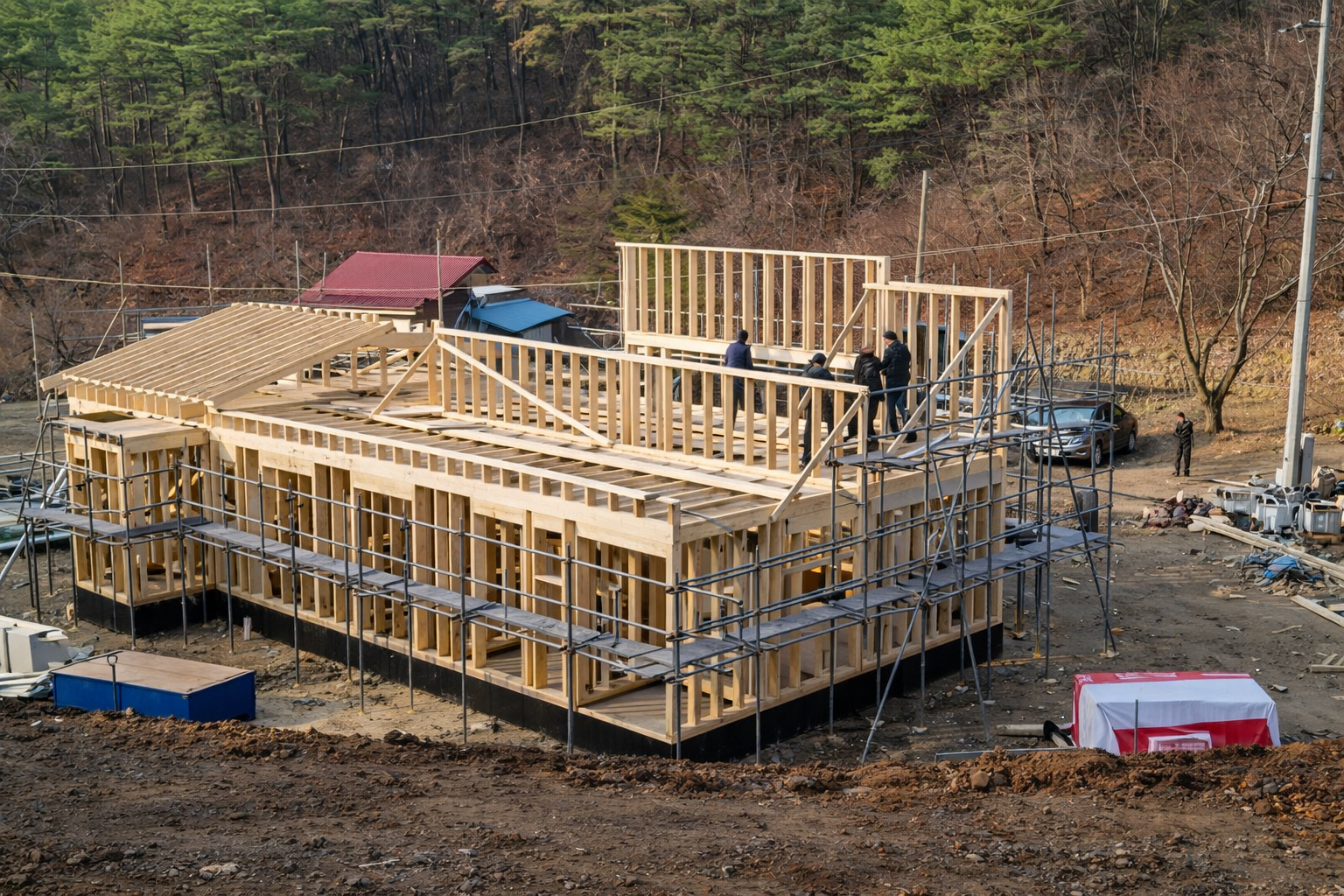
No one imagined it, but a mixture of sawdust with a mineral that fights fires surprises scientists with a result that changes the course of fire-resistant construction.

Diving deeper into the nature of these investments, 24% of responding companies planned to invest in research and development. Thus, if this trend is maintained in 2023, improvements in asset management can be expected due to the modernization of equipment, promoting, in fact, connectivity with business processes.
This proposal for automation, monitoring, and digitization of processes, based on the use of sensors installed in equipment, quickly results in a reduction in the number of service orders issued, both for inspection and for maintenance and replacement of equipment parts. In other words, this modernization process tends to increase efficiency and productivity.
Connected individuals also create a similar effect, as the result of this monitoring provides opportunities for aligning calculated risks with the concentration of employees related to each asset.
The benefits are clear, but this is not a trivial journey. Customized feasibility studies are necessary, involving processes, governance, and cutting-edge technology, aiming for vertical integration along the production line, including equipment, products, and inputs towards flexible systems capable of uniting horizontal values throughout the company and optimizing indicators related to cost, availability, and resource consumption.
Companies around the world are not following this path inadvertently. They are doing it because they are aware of the economic opportunities. Terms like “Digital Transformation,” “Industry 4.0,” “4th Industrial Revolution,” or “Smart Manufacturing” are already part of investment projects in a global trend.
The National Academy of Sciences and Engineering (ACATECH) conducts frequent studies on the degree of maturity of the industry in companies worldwide. In this sense, 6 maturity stages are defined starting from version 3.0 of the industry to version 4.0: Digitization, Connectivity, Visibility, Transparency, Predictive Capability, and Adaptability.
It is believed that industries worldwide are still advancing in this maturity. A study conducted by ACATECH itself found that 80% of the 70 companies surveyed in 2020 were still at the “Connectivity” stage, even though these companies had already stated that they were making data-driven decisions.
What is expected for the future is that companies will reach the six stages and achieve a level where data is qualified, audited, sent at all times, and subsequently stored in a centralized manner and analyzed automatically. With self-learning analysis and processing, information systems will continuously adapt to new circumstances. The knowledge acquired in this way will be delivered contextually to employees, supporting decision-making. This will be possible due to asset monitoring and information systems integration.
Vertical and horizontal integration. Standardized interfaces, combined to create an integrative and flexible system where all areas of the company contribute and benefit. And your company? What stage are you in?
By Leandro Coutinho*




Seja o primeiro a reagir!