





 Portuguese
  English
  Spanish
  3 min of reading
  0 comments



The Increase in Car Size Is Creating Challenges for Safety, Mobility, and Infrastructure. Know What the Impacts Are!
Modern cars are getting larger, and this is already having real impacts on cities. Crowded parking lots, maneuvering difficulties, and high infrastructure costs are just some of the consequences of this phenomenon.
With the increase in car size, many parking lots simply can no longer accommodate them, requiring costly and complex adaptations. Mbut why are cars growing so much? And how can cities deal with this issue?
The Growth in Car Size
The increase in car size is not an isolated perception, but rather a fact supported by statistics.
-
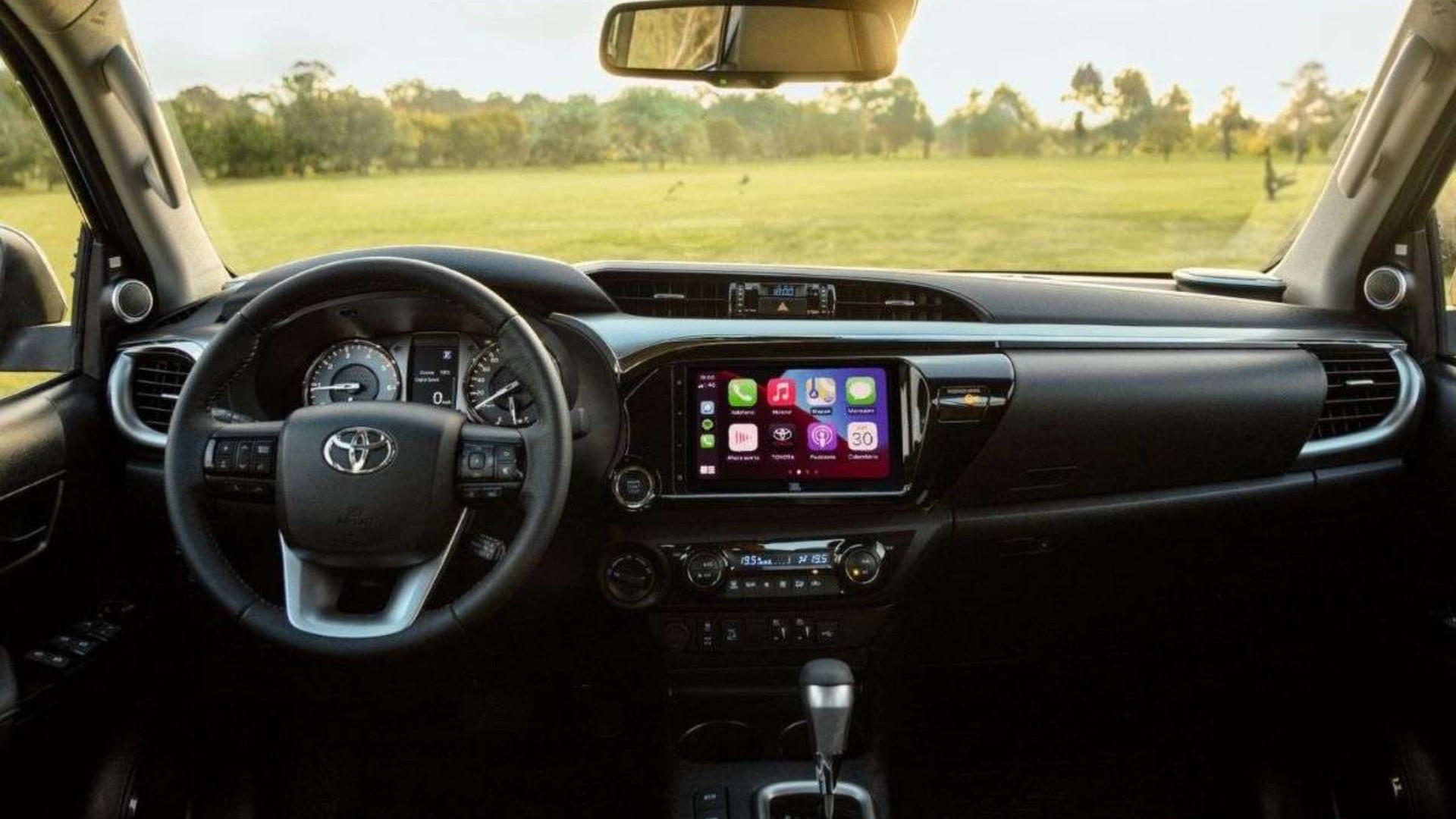
The Toyota Hilux is R$ 75.5 thousand cheaper and bets on the 2.8 turbodiesel engine with up to 204 hp and 50.9 kgfm to catch up with the VW Saveiro, which leads with 4,472 sales.
-
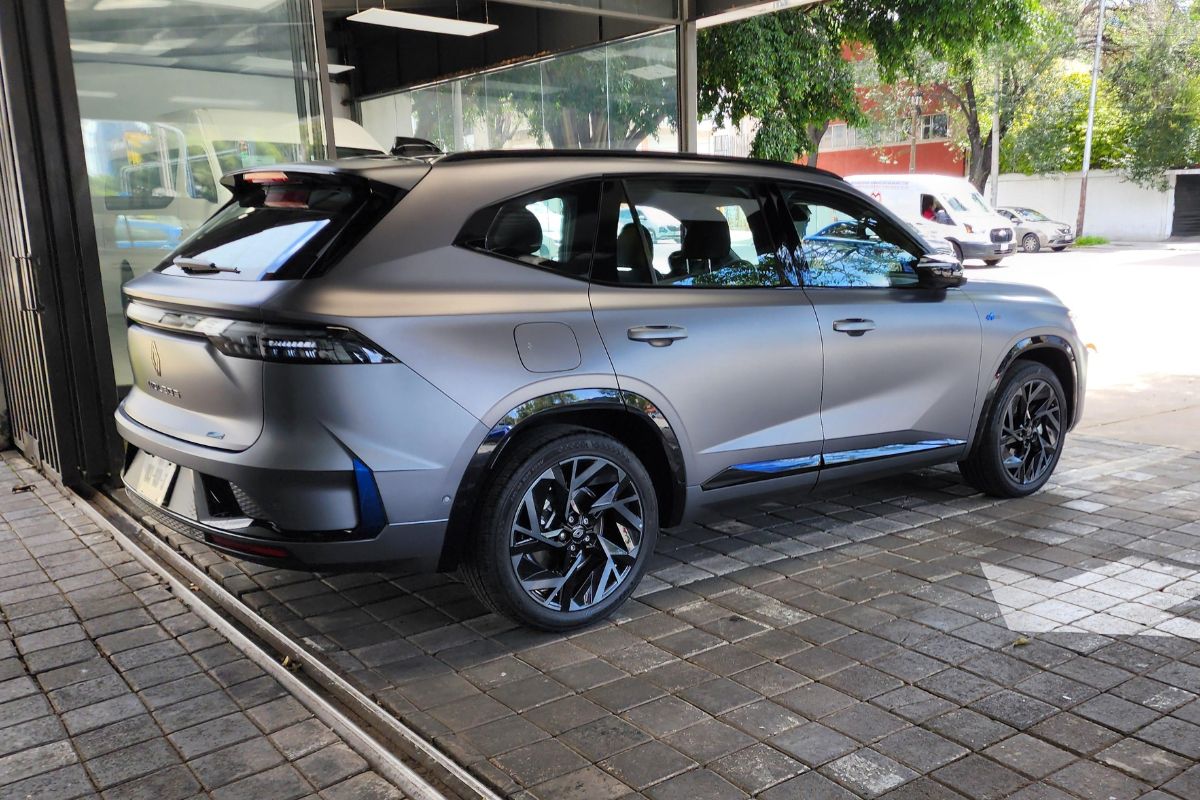
The new Renault Koleos has a screen exclusively for the passenger that is invisible to the driver, heated rear seats, and 29 assistance systems, but its Chinese competitors cost R$ 40,000 less and deliver more power.
-
The car stored for 38 years: when opening the barn door, what appears is breathtaking and looks like a scene from a movie!

-
Fiat works miracles in the Brazilian market, lowers the price of its 0 km hatch to R$ 69,990, reestablishes the model as the cheapest car in the country, and reignites the battle against Kwid and C3.

A clear example is the Toyota Corolla, the best-selling car in the world. Since the year 2000, it has grown by 21.08 cm in length, 8.63 cm in width, and 5.08 cm in height.
Additionally, it has become 240 kg heavier, without any significant change in interior passenger space.
This trend is evident across various models, highlighting a transformation in the global automotive market.
The main reason for this growth is related to safety standards. With the inclusion of technologies such as side airbags, structural reinforcements, and driver assistance systems, cars require more space to accommodate these features.
Moreover, consumers are seeking more comfortable vehicles, filled with technology and advanced features, which also influences the increase in size and weight.
Impact on Cities and Parking
This growth does not go unnoticed in cities. In places like Colchester, UK, authorities are already investing in expanding parking spaces to accommodate the new vehicle size standards.
Councilor Martin Goss emphasized that the initiative aims to ensure accessibility and prepare infrastructure for the future.
However, this adaptation requires substantial investments, involving everything from repainting lines to restructuring spaces.
Another problem faced by drivers is the difficulty of opening doors in old parking lots, especially for people with reduced mobility or families with children.
The limited space creates inconveniences and increases the risk of damage to neighboring vehicles.
The Challenge of Sustainable Cities
Although some cities, like those in Australia, are designing larger parking lots in new constructions, the issue goes beyond the size of the spaces.
The growth of cars raises a broader debate about the need to rethink urban mobility.
A long-term solution should consider sustainable alternatives, such as efficient public transport, shared mobility, and encouraging bicycle use.
Investing solely in infrastructure to accommodate larger cars may be a temporary solution, but in the long run, it will make cities even more dependent on private vehicles.
Measures such as expanding pedestrian zones, promoting compact electric vehicles, and improving public transportation are strategies that can reduce this dependence.
Immediate Solution
A quick and low-cost solution to alleviate the problem would be to teach and encourage drivers to park more efficiently. Parking in reverse, for example, makes it easier to exit the vehicle and optimizes the available space.
Small behavior changes can make a big difference while cities adapt to these new realities.
The growth of automobiles is not just a market trend, but a real challenge for cities. The impact on parking is just one reflection of this change, requiring significant investments and a reevaluation of urban infrastructure.







Seja o primeiro a reagir!