





 Portuguese
  English
  Spanish
  8 min of reading
  0 comments


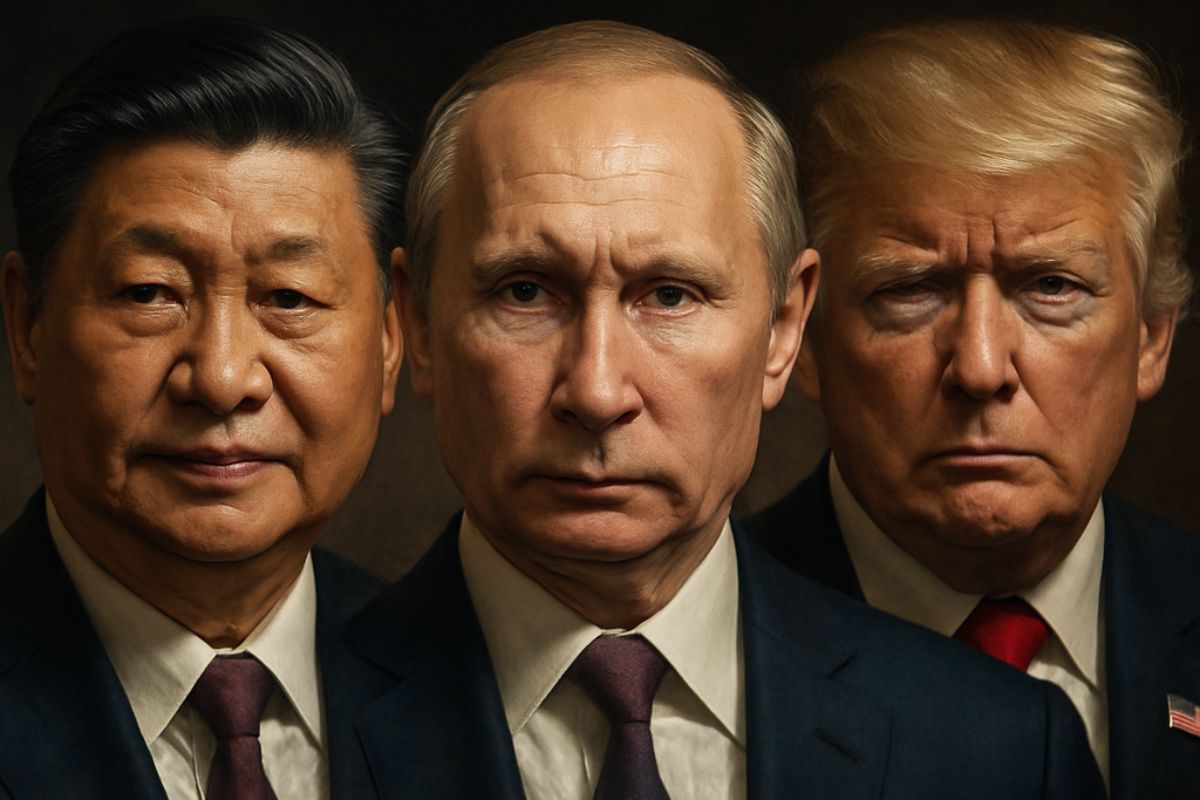
They hold the fates of almost half of global wealth and govern territories whose boundaries stretch across continents. In a world marked by economic uncertainties, geopolitical disputes, and rapid technological transformations, only three men concentrate in their hands US$ 47.5 trillion, equivalent to almost half of the world’s GDP, and control 36.4 million square kilometers of territories that house strategic resources, decisive military bases, and centers of political influence.
In this article, you will learn about Xi Jinping, Vladimir Putin, and Donald Trump, whose decisions reverberate in markets, international alliances, and the security of billions of people. Follow how these three protagonists chart paths that affect every corner of the globe and why their financial and territorial empires are, in fact, the “Masters of the World.”
ARTICLE CONTINUES BELOWSee also
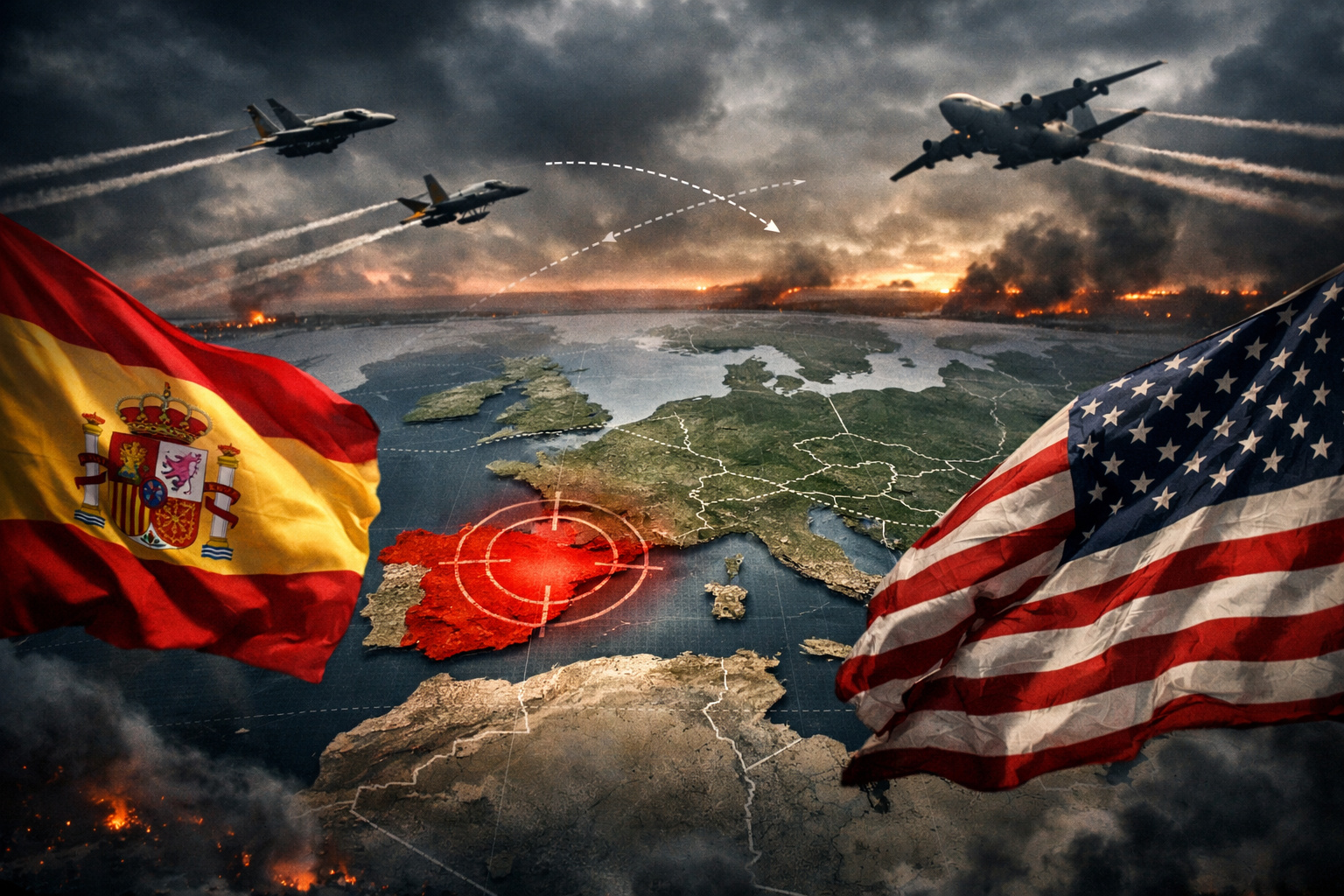
Spain challenges the USA and closes its airspace for operations against Iran, raising global tension and provoking the threat of a trade rupture.
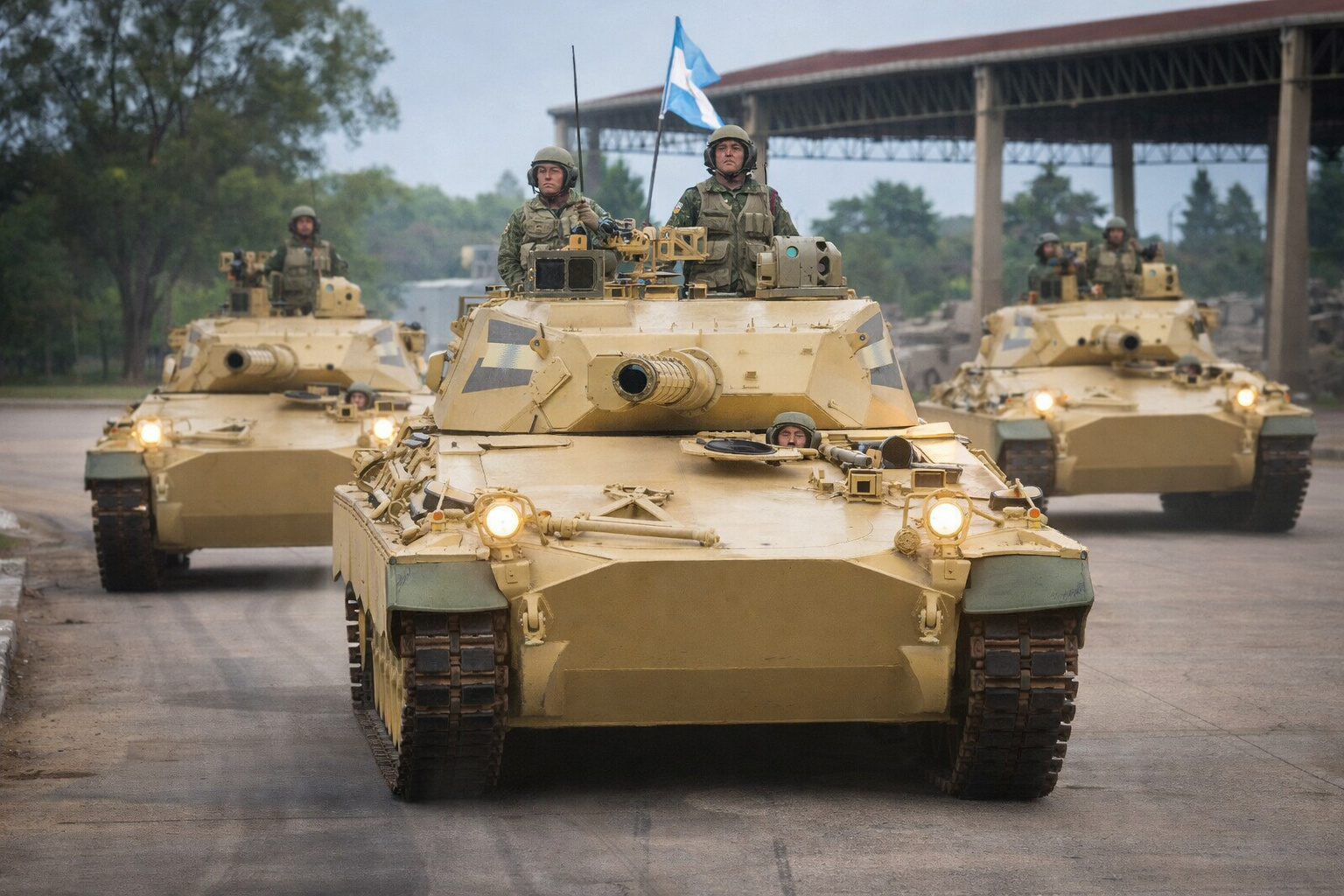
While no other country manufactures tanks in Latin America, Argentina activates the TAM 2C-A2 and raises a curiosity about the technological lag in the region.
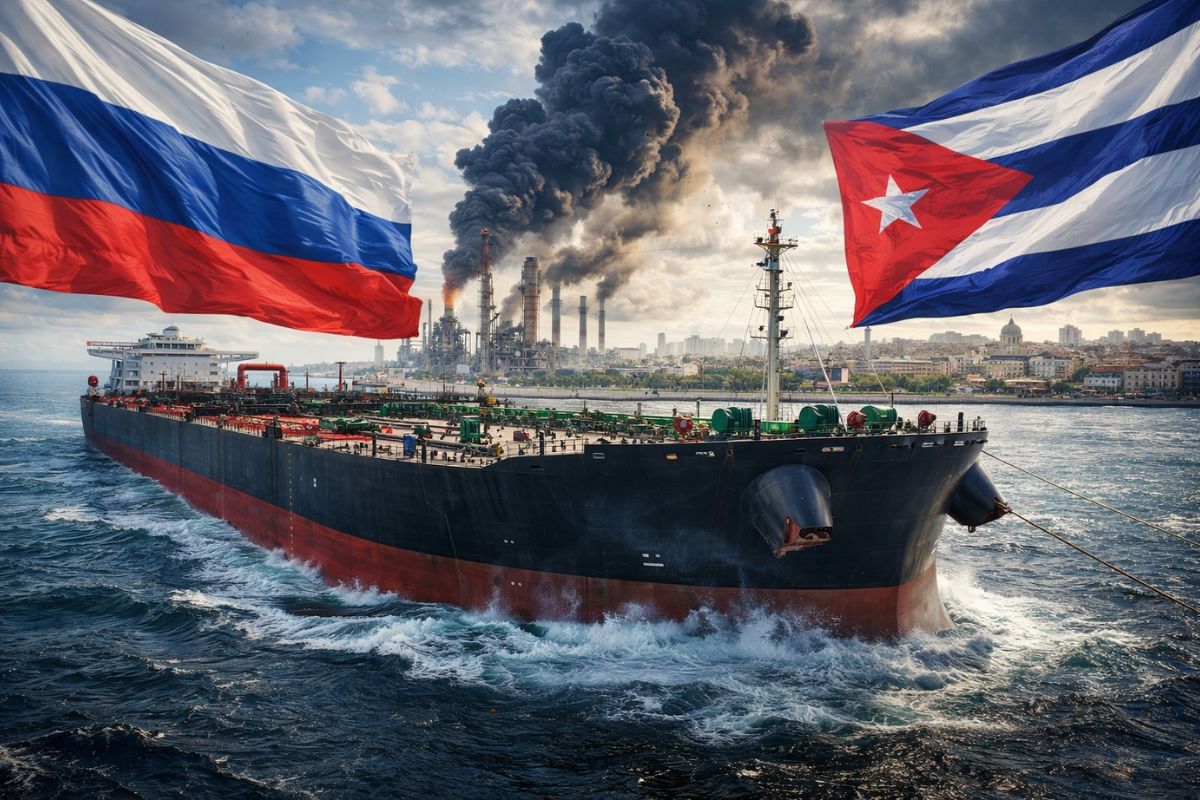
A Russian ship with 730,000 barrels of oil has just arrived in Cuba while Mexico negotiates fuel sales through private companies: the communist island is desperately seeking alternatives after losing its supply from Venezuela due to American military action.
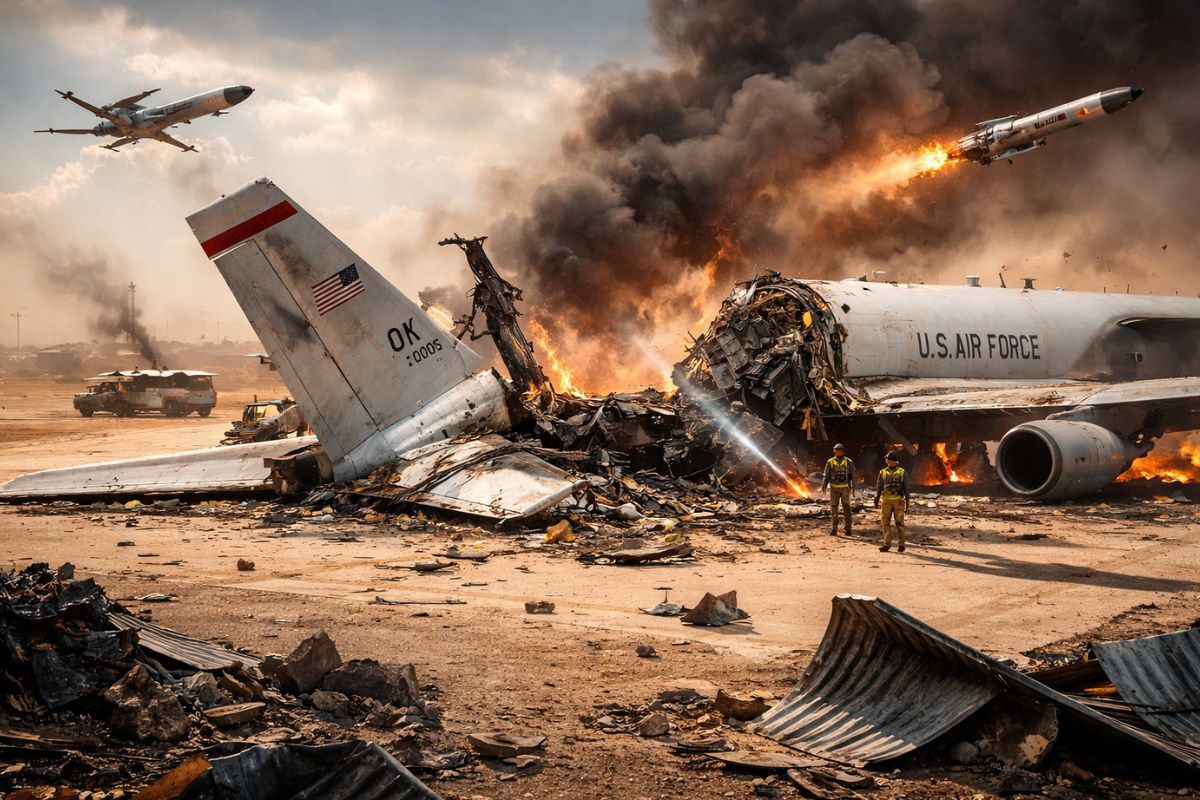
Iranian drones and missiles destroyed a 270 million dollar American spy plane in Saudi Arabia, splitting the E-3 Sentry aircraft in half and injuring 12 military personnel in an attack that exposes the vulnerability of U.S. bases in the Persian Gulf.
Xi Jinping leads China with a firm hand and global ambitions, consolidating his power along a trajectory marked by party discipline and strategic projects.

Vladimir Putin has been leading Russia since 2000, alternating between the roles of president and prime minister, and projecting Russian influence through military and diplomatic actions.
Donald Trump, billionaire and media figure, upon returning to the Presidency of the United States in 2025, reaffirms the impact of his nationalist vision on American politics and the global balance.
Xi Jinping, Vladimir Putin, and Donald Trump occupy, in this order, the top positions on Forbes’ list of the most powerful people in the world, reflecting the centrality of their countries, China, Russia, and the United States, in global diplomatic, economic, and military dynamics.
Origins and Rise
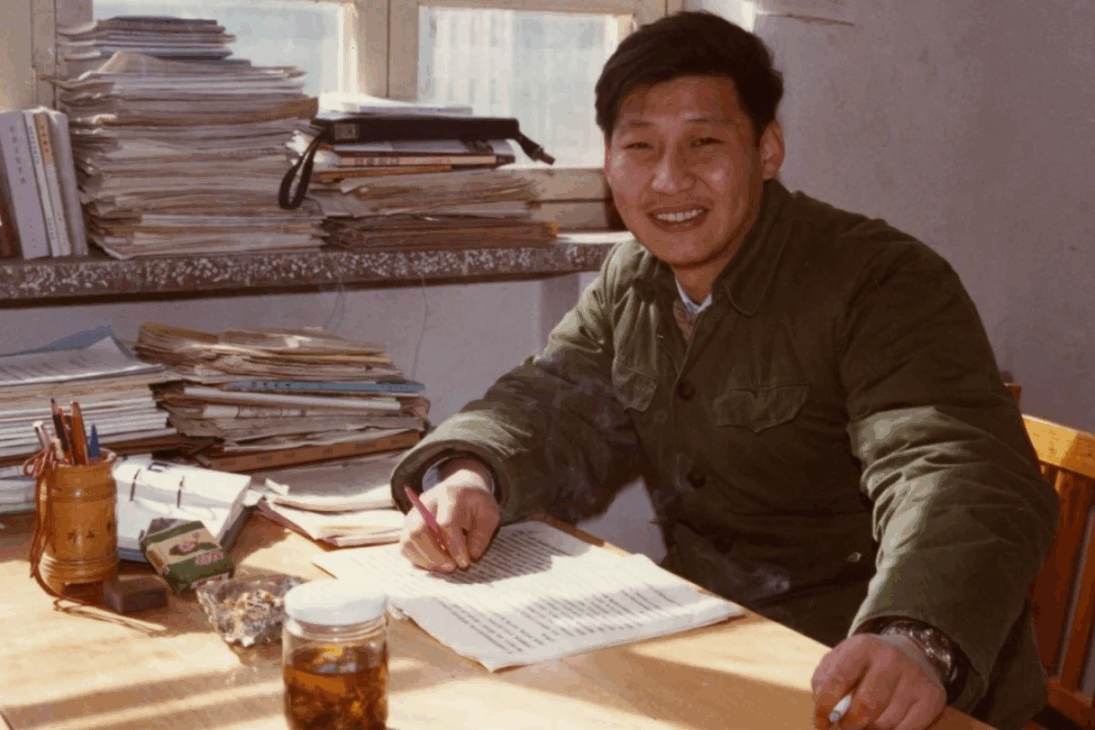
Xi Jinping (born June 15, 1953, Shanghai):
Son of Xi Zhongxun, a veteran revolutionary of the Chinese Communist Party (CCP), Xi Jinping spent part of his adolescence exiled in Liangjiahe, Shaanxi Province, after his father’s purging during the Cultural Revolution. As a young man, he worked in agricultural and mining fields as part of the “worker-peasant-soldier” program and joined the CCP to later study chemical engineering at Tsinghua University.
In 1999, he became governor of Fujian; in 2002, he rose to governor and party secretary in Zhejiang. His appointment to the Politburo in 2007 and, that same year, to the Central Secretariat, paved his way to being designated Hu Jintao’s successor. In 2012, Xi assumed the position of general secretary of the CCP; in 2013, he became president of the People’s Republic of China. His trajectory combines family lineage, experience in local chains, and a planned escalation by the party.
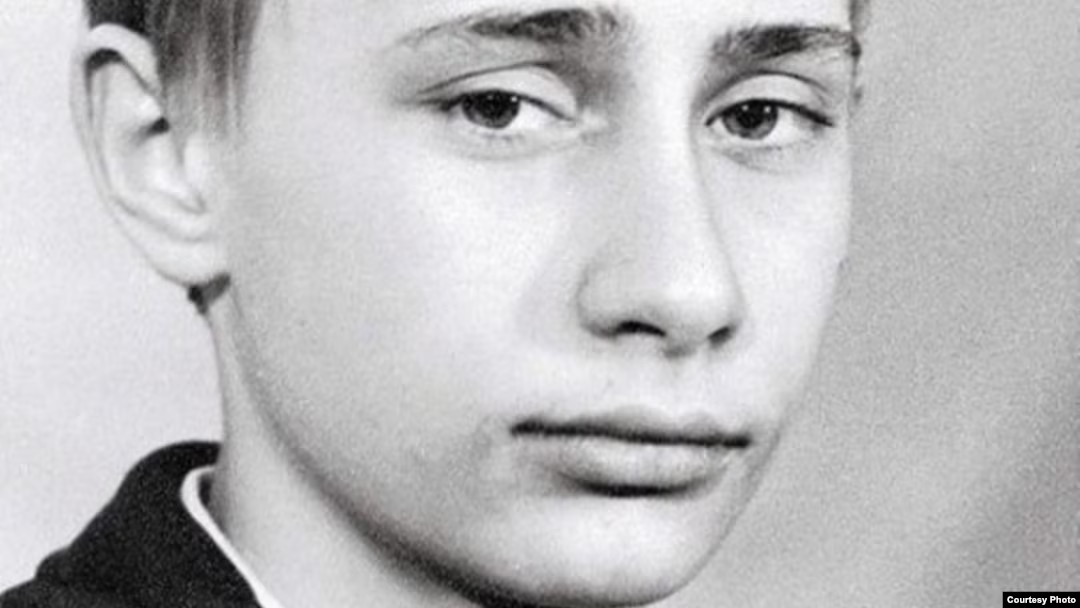
Vladimir Putin (born October 7, 1952, Leningrad):
A graduate in Law from Saint Petersburg State University in 1975, Putin was part of the KGB for 16 years, reaching the rank of lieutenant colonel before leaving the agency in 1991. He became involved in the administration of Saint Petersburg, even serving as deputy mayor.
In 1996, he moved to Moscow and, in 1998, was appointed director of the FSB (the KGB’s successor). In August 1999, he became prime minister; upon Boris Yeltsin’s resignation, Putin assumed the Presidency temporarily and, in March 2000, was elected president of Russia.
Re-elected in 2004, he returned to the position of prime minister (2008–2012) before reassuming the Presidency in 2012, a position he holds to this day after re-elections in 2018 and 2024, benefiting from the constitutional amendment of 2021 that allows him to run until 2036.
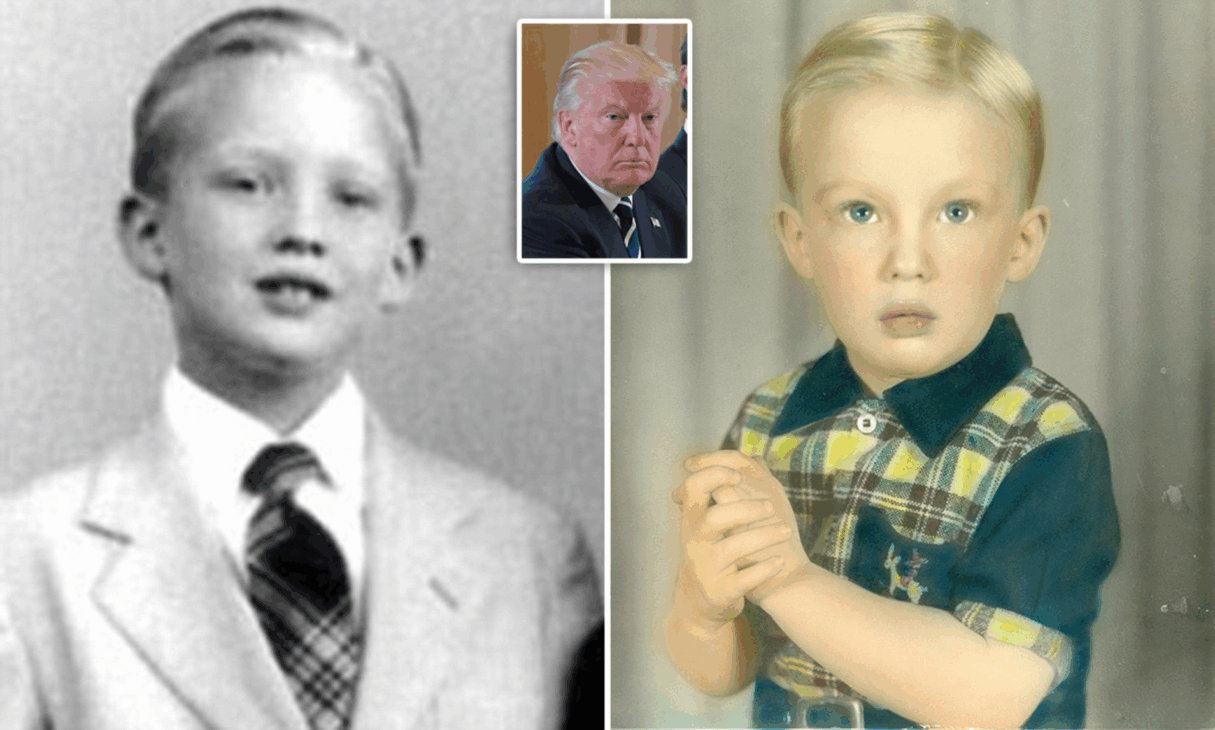
Donald J. Trump (born June 14, 1946, Queens, New York):
Son of Fred Trump, a real estate mogul, Donald graduated in Economics from the University of Pennsylvania in 1968 and took over the Trump Organization in 1971. Throughout the 1970s to the 2000s, he expanded the real estate empire with hotels, casinos, and golf courses, faced several bankruptcies, and consolidated his celebrity image by hosting the reality show The Apprentice from 2004 to 2015.
Affiliated with the Republican Party, he won the presidential elections in 2016 and served until 2021, when he lost to Joe Biden. Involved in controversies, impeachments, and legal proceedings, Trump returned to power as the 47th president of the U.S. in 2025, resuming a populist and nationalist platform.
Consolidation of Power and Strategic Agenda
Xi Jinping:
Throughout his mandates, Xi established the “Xi Jinping Thought” as the official guide of the party, centralized executive functions, and strengthened internal control instruments, such as the rigorous anti-corruption campaign that ousted high-ranking CCP officials. He promoted “common prosperity,” directing policies to reduce inequalities and reinforce state-owned enterprises while accelerating military modernization and military-civil synergy programs.
An active proponent of the Belt and Road Initiative, he aims to expand Chinese influence in Africa, Asia, and Europe. Under his command, China moved away from the “zero-COVID” policy at the end of 2022, adjusting to post-pandemic economic and social pressures.
Vladimir Putin:
Putin utilized the economic recovery following the oil and gas boom to reinforce his political base and re-establish control over separatist regions, such as Chechnya.
From 2008 to 2012, while partner to Dmitry Medvedev, he oversaw military reforms and consolidated institutional alliances. Returning to the presidency in 2012, he guided the annexation of Crimea in 2014, generated tensions in Eastern Ukraine, and established a military presence in Syria to support Bashar al-Assad.
In February 2022, he launched a large-scale invasion of Ukraine, triggering international sanctions and worsening the Russian economic crisis.
The partial mobilization of 2022 and the forced annexation of Ukrainian territories deepened diplomatic isolation but strengthened his nationalist rhetoric and the narrative of Russian “resurgence” under his command.
Donald Trump:
During his presidency (2017–2021), Trump dismantled climate agreements, imposed tariffs on countries such as China, Canada, and Mexico, and promoted domestic tax cuts.
The management of the COVID-19 pandemic, marked by risk minimization, friction with health authorities, and the CARES Act stimulus package, generated heated debates.
After the 2020 defeat, he tried to overturn the results, culminating in the attack on the Capitol on January 6, 2021.
During his second term (starting January 2025), he adopted wide-ranging executive orders, encouraged mass layoffs of federal employees, and promoted the “America First” agenda, which reinforces U.S. energy autonomy and trade priorities while re-establishing selective alliances.
Recent Challenges
Xi Jinping:
He faces a slowdown in economic growth, demographic pressure, and geopolitical tensions in the Taiwan Strait. The “debt diplomacy” in the Belt and Road faces resistance in some partner countries. Internally, criticisms about the strengthening of political restrictions and human rights violations (Uighurs) generate friction with Western governments. The economic transition to domestic consumption and technological innovation still depends on avoiding trade conflicts with the U.S.
Vladimir Putin:
He feels the impact of sanctions imposed since 2014 and intensified in 2022, which affect the Russian energy and technology sectors. The minimization of resources to sustain the war in Ukraine and the dilemma between military spending and internal welfare force budget adjustments.
Internal opposition and protests, still repressed, expose dissatisfactions amid the economic crisis and rising authoritarianism. Putin’s political health is also questioned with his long time in power, and the Russian elite resent issues of endemic corruption.
Donald Trump:
Top of legal disputes involving federal and state charges, including a conviction for falsifying business records in 2024, raises uncertainties about his ability to govern without legal hindrances. Internationally, his protectionist stance threatens strategic partnerships with traditional allies, such as Europe and Japan.
Internally, he divides his own Republican Party between Trumpist and moderate factions, while social polarization reaches unprecedented levels. His relationship with Congress, now divided, complicates the approval of infrastructure and social assistance policies.
Policies and Global Impact
Xi Jinping:
The strengthening of the Communist Party and military expansion balance the quest for greater global prominence. In 2023, China became the largest economy by Purchasing Power Parity (PPP), driven by its manufacturing industry and investments in creative technology (5G, artificial intelligence). Projects like the Asian Infrastructure Investment Bank (AIIB) expand Beijing’s economic sphere of influence.
Vladimir Putin:
The projection of Russian power in the Middle East and forming strategic partnerships with China and Iran reinforce his role as an alternative to the West. The development of hypersonic weapons and the reorganization of military forces reflect an ambition for indirect confrontation with NATO. Moreover, the use of energy influence, via gas and oil, makes Russia a central player in discussions about European energy security.
Donald Trump:
The “America First” policy redefines the center of gravity of the global economy, emphasizing the revitalization of American industry and restrictions on migration flows. The margin for renegotiating trade agreements, such as NAFTA (now USMCA), suggests a future of bilateral agreements at the expense of multilateral pacts. In defense, he presses NATO allies to increase military spending, while the domestic budget for social programs is limited.
Criticism and Controversies
Xi Jinping:
Faces criticism from international organizations for repressing ethnic minorities, internet censorship, and imprisoning dissidents in Hong Kong. His “common prosperity” doctrine is questioned by academics who see the reinforcement of a singular thought and personal power concentration as a risk to social innovations.
Vladimir Putin:
He is accused of orchestrating human rights violations in Chechnya, promoting assassinations of opponents abroad, and interfering in foreign elections (such as the 2016 U.S. case). The arrest warrant issued by the International Criminal Court in 2023 for war crimes in the context of Ukraine highlights the legal and moral isolation he faces.
Donald Trump:
During and after his presidency, he was criticized for spreading false information, inciting extremist groups (resulting from the events of January 6, 2021), and using his position for personal gain (the Justice Department reopened investigations into business conduct). The resignation of key officials and constant tensions with the media and judiciary erode his democratic image.
Recognition and Influence
Xi Jinping, with his absolute control of the CCP, ranks among the most influential global leaders, shaping international guidelines through multilateral organizations such as the UN and G20. His slogan “Rejuvenated China” resonates both inside and outside the country.
Vladimir Putin is a reference of resistance to Western pressures, being idolized by Russian nationalist sectors and admired by authoritarian regimes. His ability to maintain cohesive power, even under sanctions, grants him an aura of pragmatic statesmanship to select allies.
Donald Trump wields powerful influence over American public opinion, commanding a loyal electoral base and shaping internal debates within the Republican Party. His disruptive style continues to impact political decisions, even outside the White House, and serves as a reference for populist leaders around the world.
Xi Jinping consolidates China as an economic and technological superpower; Vladimir Putin reaffirms Russia as a crucial military and energy actor; Donald Trump challenges democratic paradigms and economic-trade norms. Together, these three form the triad that defines political, economic, and security trends internationally today.




Seja o primeiro a reagir!