





 English
  Francês
  Alemão
  Italiano
  Japonês
  Norueguês
  Portuguese
  Spanish
  2 min of reading
  0 comments



The Inflation Reduction Act Aims to Reduce Carbon Emissions and Boost the Electric Vehicle Sector
In August 2022, President Joe Biden signed a significant piece of climate policy known as the Inflation Reduction Act (IRA).
The act allocates an impressive amount of 369 billion dollars for emission-cutting measures. For the electric vehicle sector, the big news is a tax credit of up to 7,500 dollars when purchasing an electric car.
According to Professor Jesse Jenkins, the focus of the IRA is to encourage clean technology, rather than imposing taxes on carbon emissions. This means that funding is available at every stage of the electric vehicle value chain, from material mining to vehicle assembly.
-
Engineers propose a fourth traffic light for intersections – the change promises to affect crossings, queues, and waiting times.

-
Chevrolet Suburban Z71 lands in Brazil with a V8 engine, off-road design, air suspension, seven seats, and colossal size, a rare version imported for around R$ 1.3 million with luxury and exclusivity.

-
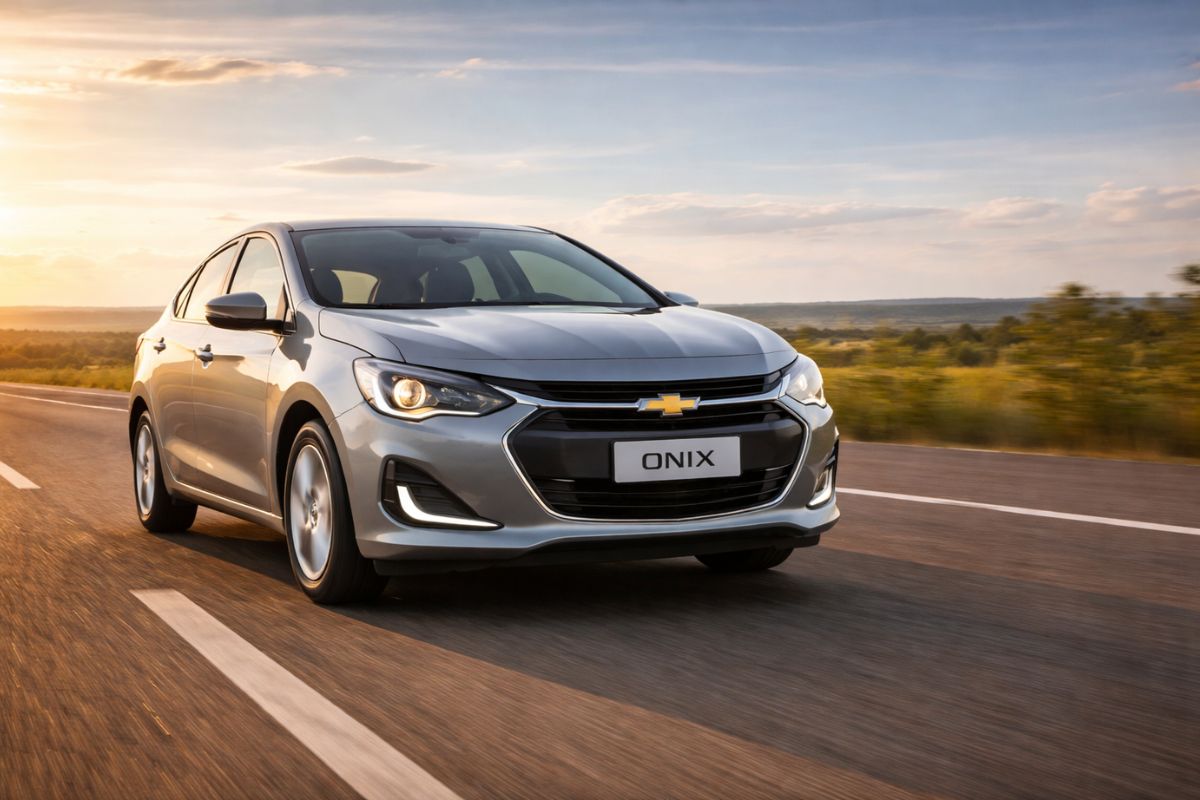
The Chevrolet Onix 1.0 turbo achieves 17.7 km per liter on the highway and ranks among the three most economical cars in Brazil in 2026, alongside two more expensive Toyota hybrids available at dealerships.
-
Little sister of the Hilux: Toyota launches Land Cruiser FJ with 4 radical versions, 2.7 engine with 166 hp and 4×4 traction with locking.

Immediate Impact: Billions in Investments and New Jobs
Since the law’s implementation, 56 billion dollars in investments have already been announced, which is expected to create around 40,000 jobs and significantly increase battery capacity in the United States. The IRA is shifting the tectonic plates of the transition to electric vehicles and clean energy.
The law also requires that a certain percentage of components be manufactured or assembled in the U.S. or in countries with free trade agreements with the United States. The issue of reliance on materials from China and other countries is also on the table.
However, the legislation is opening up opportunities for other trade partners, such as Australia, Canada, and Chile, which are rich in critical minerals like lithium and cobalt.
Will the IRA Survive Political Changes?
In the U.S. political landscape, divided between Democrats and Republicans, the question remains: will the IRA survive a potential change in administration? There is cautious optimism that strong corporate lobbying and tangible economic benefits may help the law withstand political changes.









Seja o primeiro a reagir!