Portuguese
  Spanish


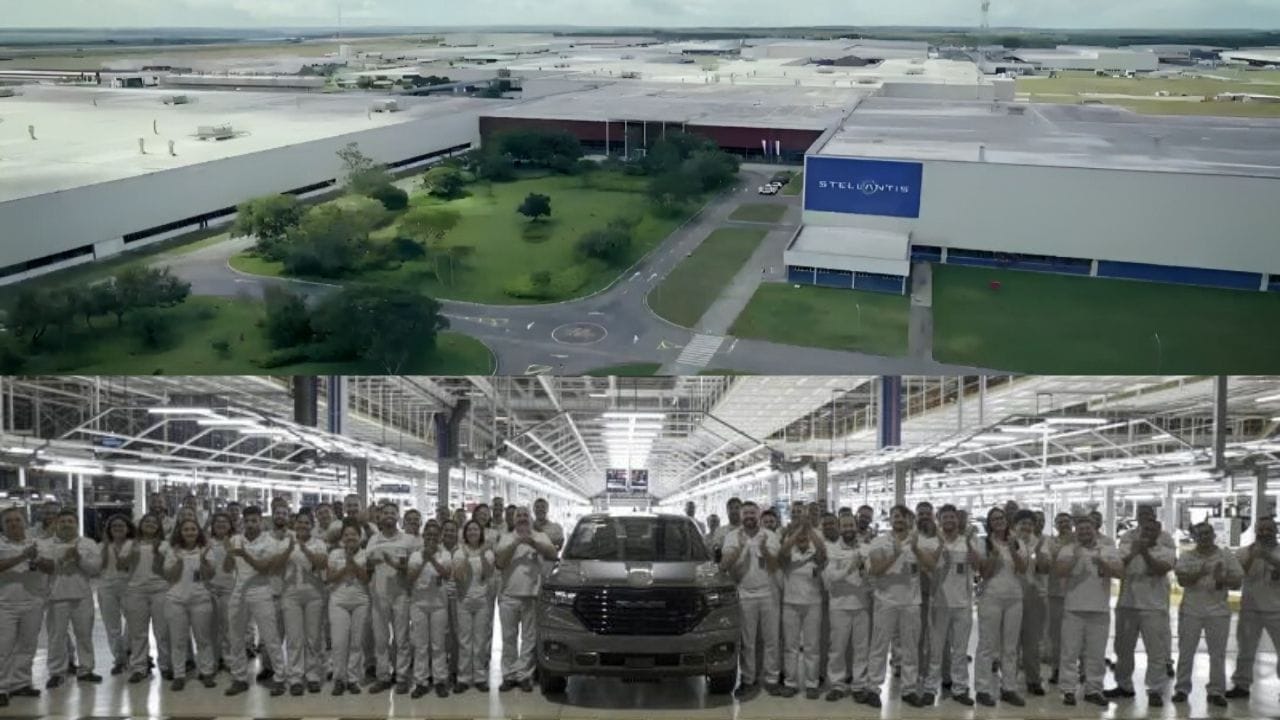

Pernambuco Stands Out on the Map of Vehicle Innovation with the Promise of More Sustainable and Accessible Vehicles
Last Tuesday (17), Stellantis shook up the Brazilian automotive sector with a thrilling announcement: starting in 2024, the Automotive Pole in Goiana, Pernambuco, will be the stage for the production of vehicles with “bio-hybrid” technology, meaning hybrids powered by ethanol. But the innovation doesn’t stop there! 100% battery electric vehicles will also enter the scene, bringing a new wave of more sustainable options for consumers in the country.
This move aligns with Stellantis’ global mission of decarbonization, which is serious about reducing CO2 emissions. The goal is ambitious: to fully decarbonize its operations and products by 2038, with a 50% reduction in emissions by 2030.
Antonio Filosa, the head of Stellantis for South America, emphasized that the idea is to make decarbonized mobility accessible to everyone, and Brazil has a crucial role in this scenario.
-
New Law Proposal in Brazil Could Heavily Penalize Drivers: Dangerous Overtaking May Become a Serious Offense with Fines Increased Tenfold and a 12-Month License Suspension; Update on 2026 Progress

-
Electric Revolution: Watts W125 Motorcycle Offers 160 km Range, 90 km/h Speed, and Affordable Price Starting at $3,000

-
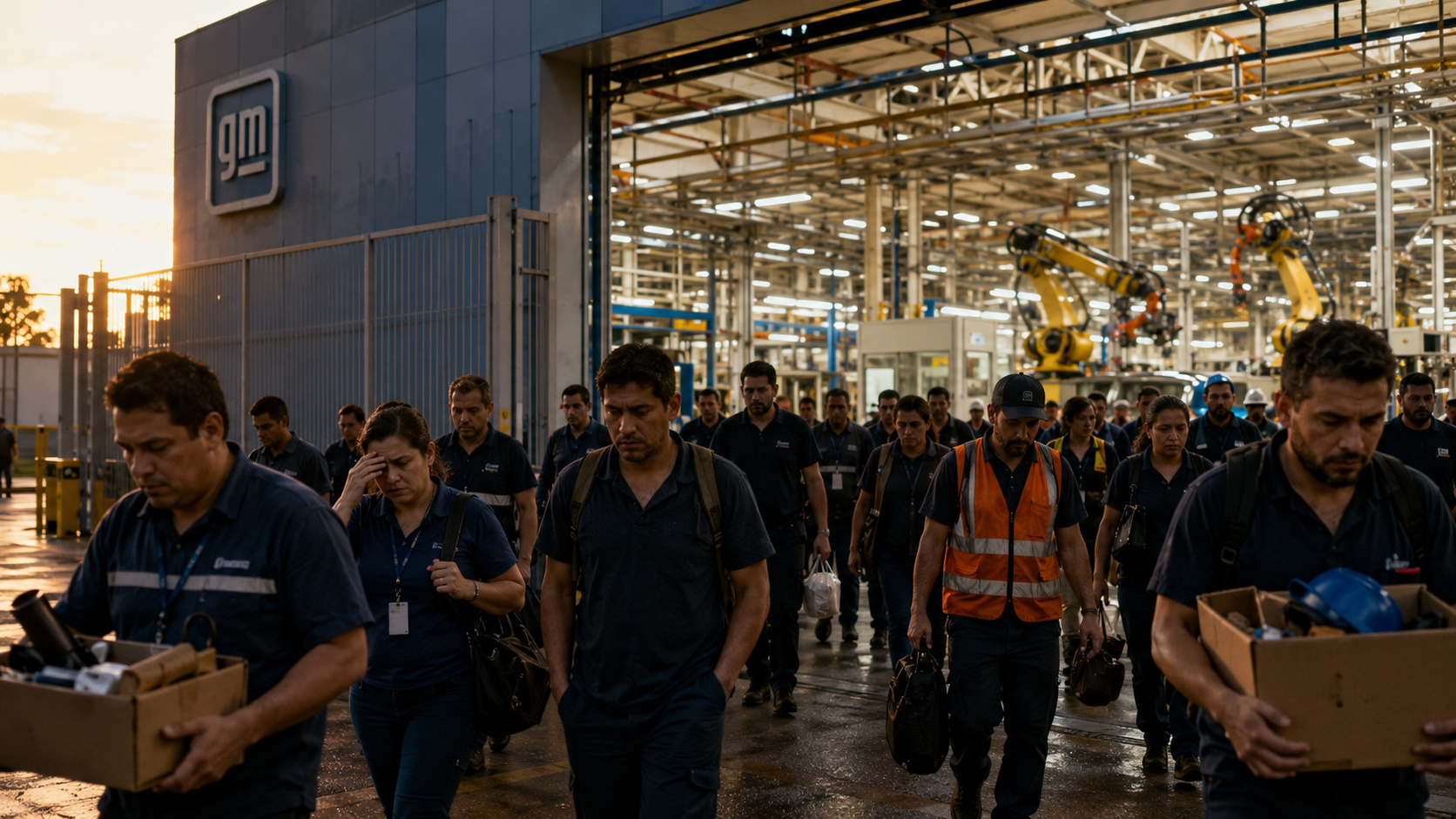
General Motors Replaces Over a Thousand Workers with 50 Cobots at Electric Vehicle Plant, UAW Union Criticizes Move Amid Industry’s Automation Push
-
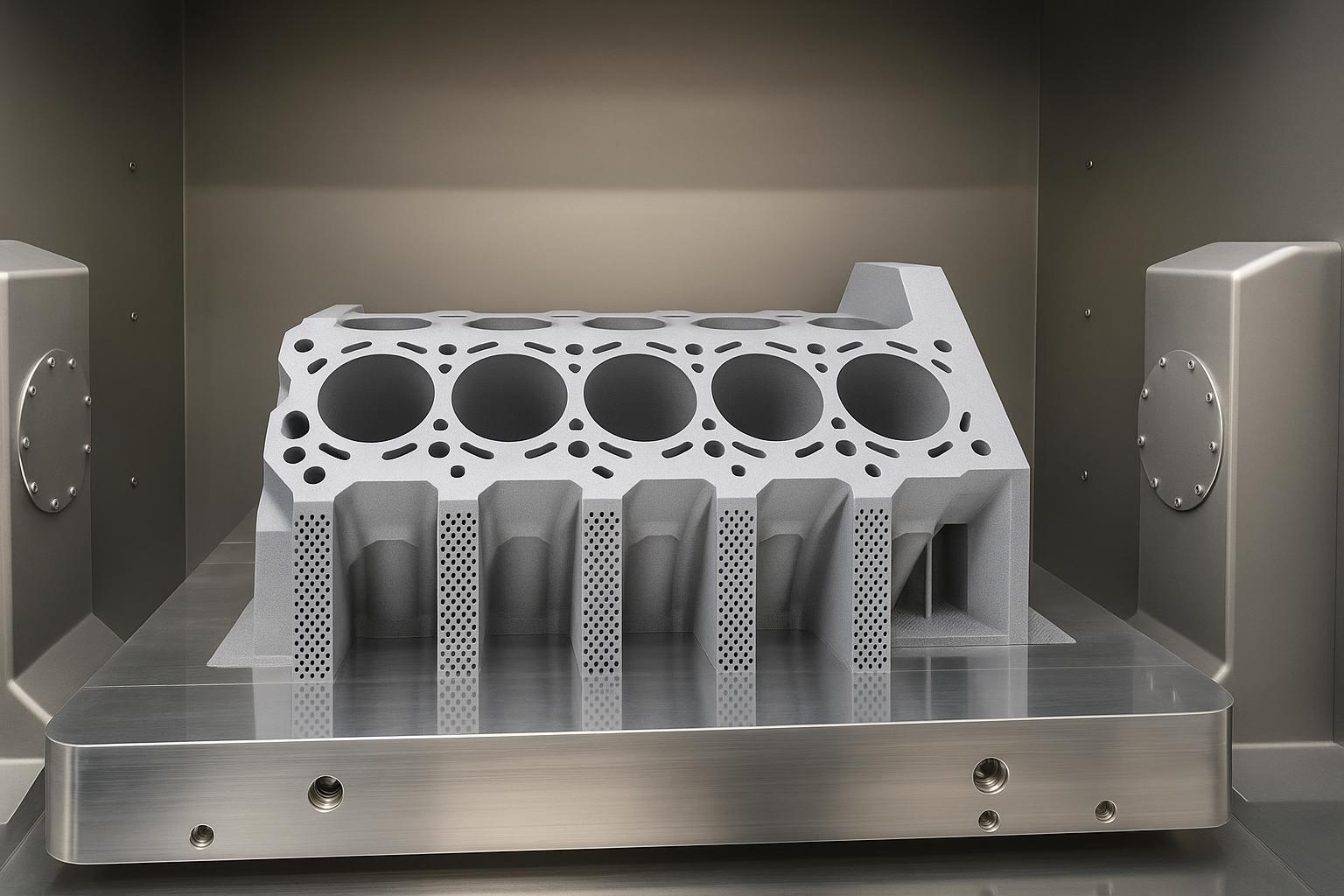
Bosch and Nikon 3D Print Entire Aluminum V8 Engine Block, Sparking New Competition in the Automotive Industry


Local Production of Technologies and Components is One of the Key Assets to Make This Possible
And speaking of local production, Stellantis plans to further strengthen the supplier network around the Goiana factory. The goal is to increase from 38 to 50 suppliers in the short term, and hopefully reach the mark of 100 suppliers in Pernambuco in the coming years.
On the national landscape, this initiative comes at a good time. According to data from the National Association of Motor Vehicle Manufacturers (ANFAVEA), sales of electric and hybrid vehicles in Brazil have been growing year after year, with a 66% increase in sales in the first half of 2023, compared to the same period last year. Electrification of the sector is an irreversible trend, and Stellantis seems ready to ride this wave.
In Addition to Pernambuco, Stellantis is Watching Two Other Automotive Hubs: Betim (MG) and Porto Real (RJ)
Where hybrid propulsion technology will also find its space, combining the best of thermal engines with electrification.
The Automotive Pole in Goiana is about to become a landmark in Stellantis’ journey towards greener and more inclusive mobility in Brazil. With the production of flex hybrid and electric cars, the company reaffirms its commitment to innovation and sustainability, taking a significant step toward a more conscious and accessible automotive future.