






 Portuguese
  Spanish


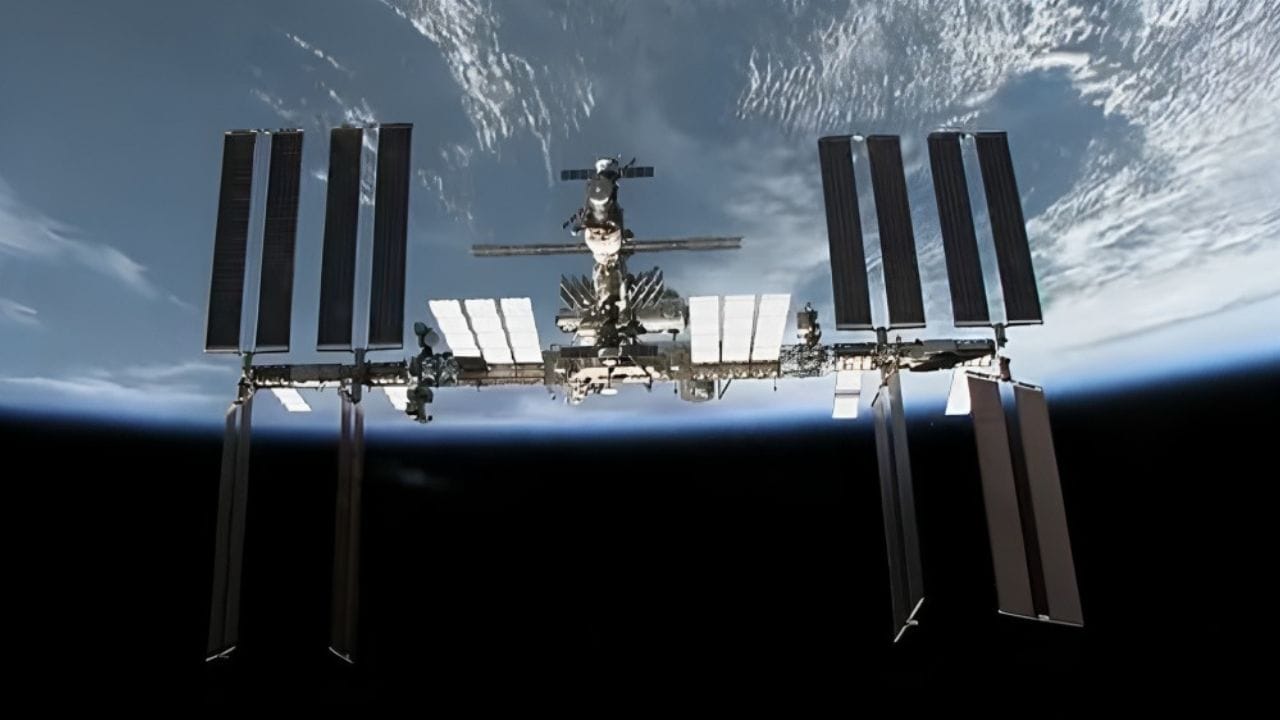

The U.S. Space Agency Reveals Plan to “Retire” The International Space Station in a Space Graveyard
After more than two decades serving as a landmark of international cooperation and scientific advancement, the International Space Station (ISS) is heading towards the end of its operational life.
According to NASA, the agency plans to “retire” the ISS by 2031, guiding it to a controlled descent in the Pacific Ocean. But why was this drastic decision made? The answer involves safety, technology, and a clear vision for the future of space missions.
The ISS orbits Earth at an average altitude of 253 miles and has served as a home and laboratory for astronauts from various nations. However, the station was not designed to last indefinitely. With age advancing, NASA announced that this decade will mark the end of the ISS’s operational life.
-
AI Data Centers Now Feature Built-In Nuclear Power Plants and Have Ordered Non-Existent Reactors

-
In India, thousands earn about $2.50 an hour cooking and cleaning with a phone strapped to their heads, as every move is recorded to train humanoid robots for jobs they might one day replace.

-
Nuclear Fusion Study Proposes Transforming Mercury into Gold Using Tokamak Neutrons, but Real-World Application Remains Uncertain
-
Brazilian Researchers Develop Floor Tiles That Convert Student Footsteps into Electricity to Reduce University Energy Costs





The Final Destination: Point Nemo
The station, weighing over 925,000 pounds, is not an easy object to deactivate. The plan is to gradually reduce its orbit until it enters the Earth’s atmosphere.
As it descends, the ISS will begin to break apart, with remaining fragments directed to a specific location in the ocean known as Point Nemo. This is often referred to as the “spacecraft cemetery“, a remote spot in the South Pacific Ocean, far from any landmass.
The reason for this controlled action? Safety. Keeping the ISS in orbit after the end of its operational life could pose a risk to other satellites and future space missions.
Space debris is a growing concern, and the ISS, if not controlled, could contribute to this problem. To avoid risks, NASA is developing a new “space tug” with a budget of 180 million dollars.
This special craft will guide the ISS to its final resting place, eliminating the need to rely on Russia’s Progress cargo vehicles.
Opening for New Frontiers
The end of the ISS era aligns with NASA’s future vision, which aims to transition to commercially managed destinations in low Earth orbit by the end of this decade.
This shift will pave the way for more advanced space habitats, which could host a wider range of scientific experiments.
As we prepare to say goodbye to the ISS in the coming years, it is crucial to remember the invaluable contributions it has made to space research and the unity it symbolized among nations.
NASA is already looking to the future, seeking to minimize risks and open doors for new discoveries in the vast universe of space.


