





 English
  Francês
  Alemão
  Italiano
  Japonês
  Norueguês
  Portuguese
  Spanish
  3 min of reading


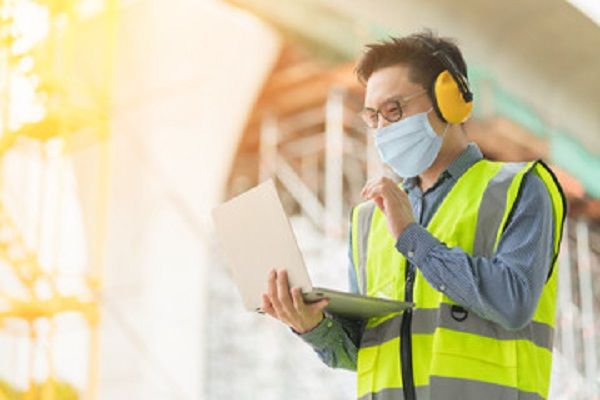
Until the beginning of 2020, the market and opportunities in the construction sector were booming. In the first two months of the year, the Brazilian Association of Real Estate Developers (Abrainc) stated that property launches totaled 6,781, with a growth of 34.6% compared to the previous year.
Meanwhile, sales in this market reached 19,0177 at the end of February, an increase of 25.9%. However, with the spread of the new coronavirus, also known as Covid-19, the construction sector, which was recovering after years of contractions, began to face other challenges.
And not only construction companies but various segments, such as 15kV polymer pin insulators, stores not related to the consumption of essential items, and offices in general.
-
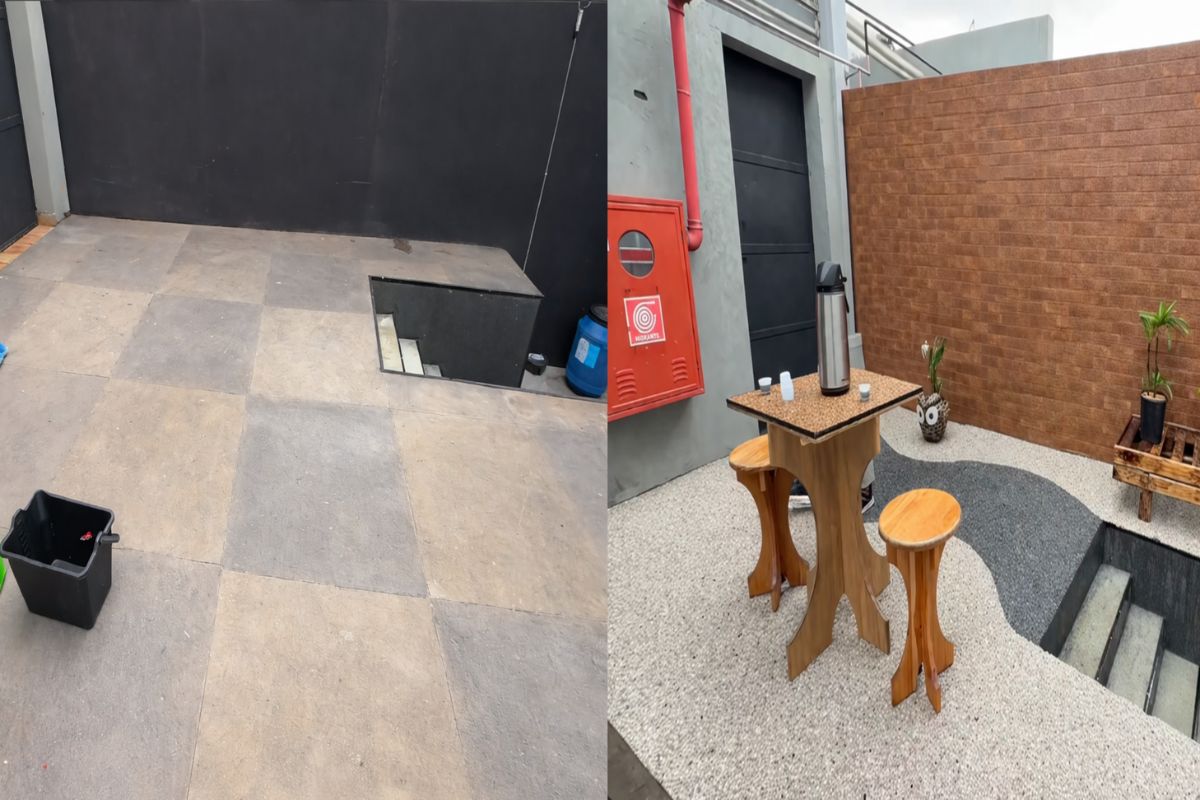
In just three hours, a natural stone floor transforms the entrance of the house with an organic effect, immediate drainage, and a sophisticated non-slip finish that doesn’t puddle water, dries quickly, and impresses with the final result.
-
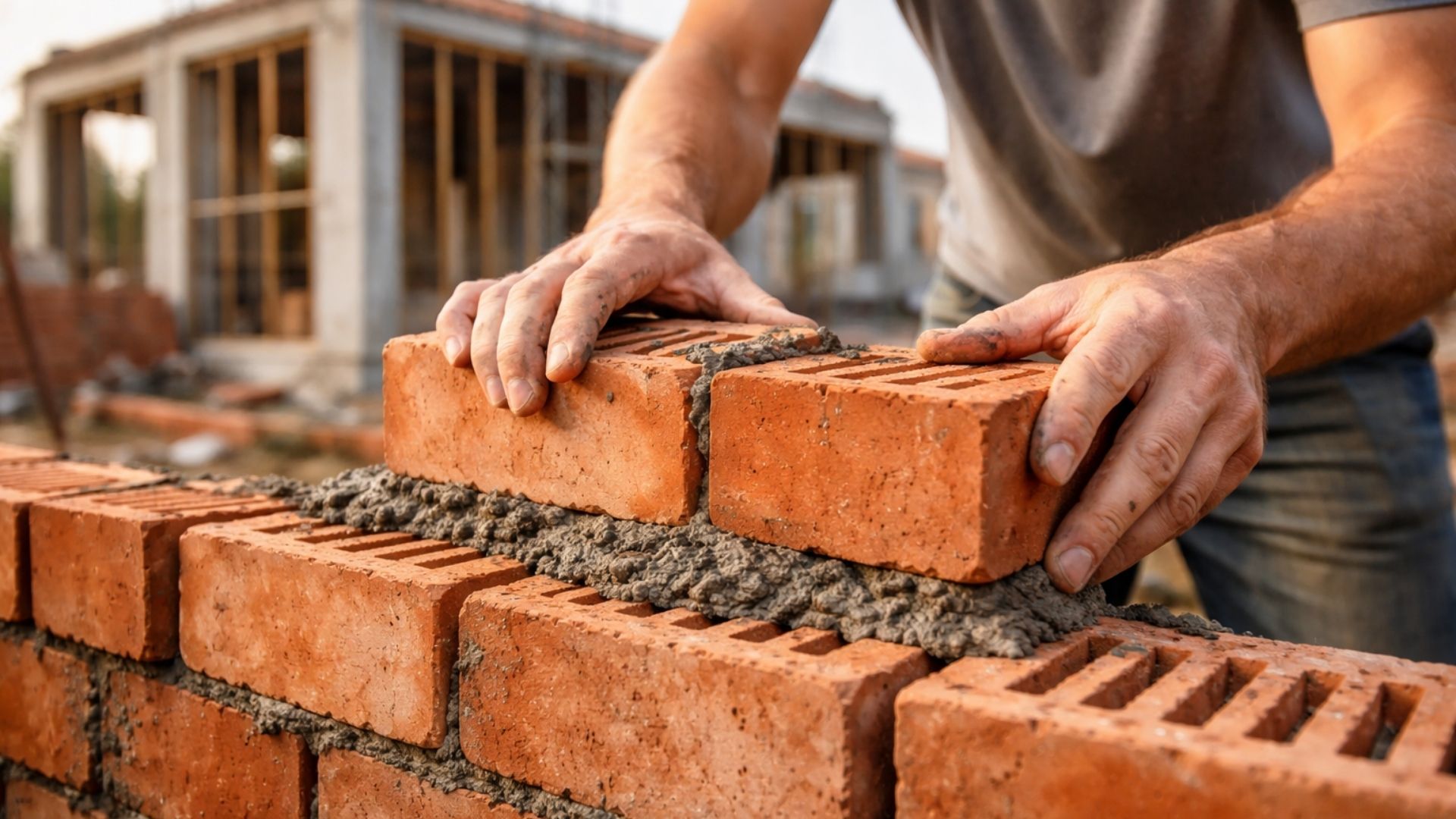
‘Interlocking brick’ made of earth arrives in the construction industry with cost reductions of up to 40% on the project.
-
Espírito Santo will receive the largest engineering project in its history with the duplication of BR 262, which will have 50 viaducts, 28 bridges, and 2-kilometer tunnels cutting through the most challenging mountainous region of the entire state.

-
A project of nearly 9 million reais already has the first kilometer paved in Santa Catarina and promises to completely transform the access between Jaraguá do Sul and Rio dos Cedros in an area where tourism is growing at a rapid pace.


In light of this, professionals in the construction field have already begun their actions to sustain themselves and adapt to changes.
As activities did not stop, while many construction companies are investing in enhancing protective equipment, others have adopted technology to continue operating in the market.
In this post, see what the main impacts on the construction sector were amid the Covid-19 crisis. Keep reading!
Decrees Prevent Companies and Professionals in the Construction Sector from Operating
According to Jorge Cury, a member of the developer Trisul, a market survey was conducted among the country’s construction companies.
In this study, about 7% of workers in the construction sector were infected with the new virus. Since this is a relatively low number, construction projects continue in various regions of the country.
However, for this reason, due to municipal decrees that restrict activities considered non-essential, many construction companies and professionals had to stop their activities or opt for a remote work model.
“On the part of the state government’s decree, there is no prohibition. If there is, it can be at the municipal level. We consider it an important sector that can operate, as long as there is shift rotation to reduce contact between people and that they are properly equipped,” said the governor of Rio Grande do Sul, Eduardo Leite.
Adaptation Measures
According to the website Veja Abril, even with 88% of construction work ongoing, companies specializing in the construction sector are still facing an impasse.
Professionals in the construction field, such as a safety technician or a nursing technician specialized in the field, as well as those in the industrial sector, who produce materials like epoxy resin, for example, continue to operate even with the measures recommended by the Ministry of Health.
Ana Maria Castelo, project coordinator for construction at Ibre/FGV, confirmed: “In 2009, the country’s GDP remained practically stable, and the construction sector was one of the main reasons for that. But today, the scenario is different. We are at a very low level, finishing going through a long crisis. If the works stop, the loss will be very great.”
This indicates that, even in light of restrictions adopted by some municipalities and the growth of the disease, professionals cannot stop due to the low economic index.
According to civil engineer Antônio Galvão, disease prevention measures have already been taken on construction sites.
“We do not work in confined spaces. It’s fully ventilated. Those over 60 years old are put on leave. If any professional has health issues, they don’t work. We ask the rest to avoid gatherings, we increased breaks, and divided teams,” he explains.
Just like in a marble sill industry, professionals are operating amid the crisis to prevent financial and economic disasters from surfacing.
However, if the construction sector was already showing signs of progress in 2019, the trend is that, after the crisis, the market will reconstitute itself and generate positive results.
This article was written by Rafaela Ricardo, Content Creator at Soluções Industriais.






Seja o primeiro a reagir!