





 Portuguese
  English
  Spanish
  3 min of reading


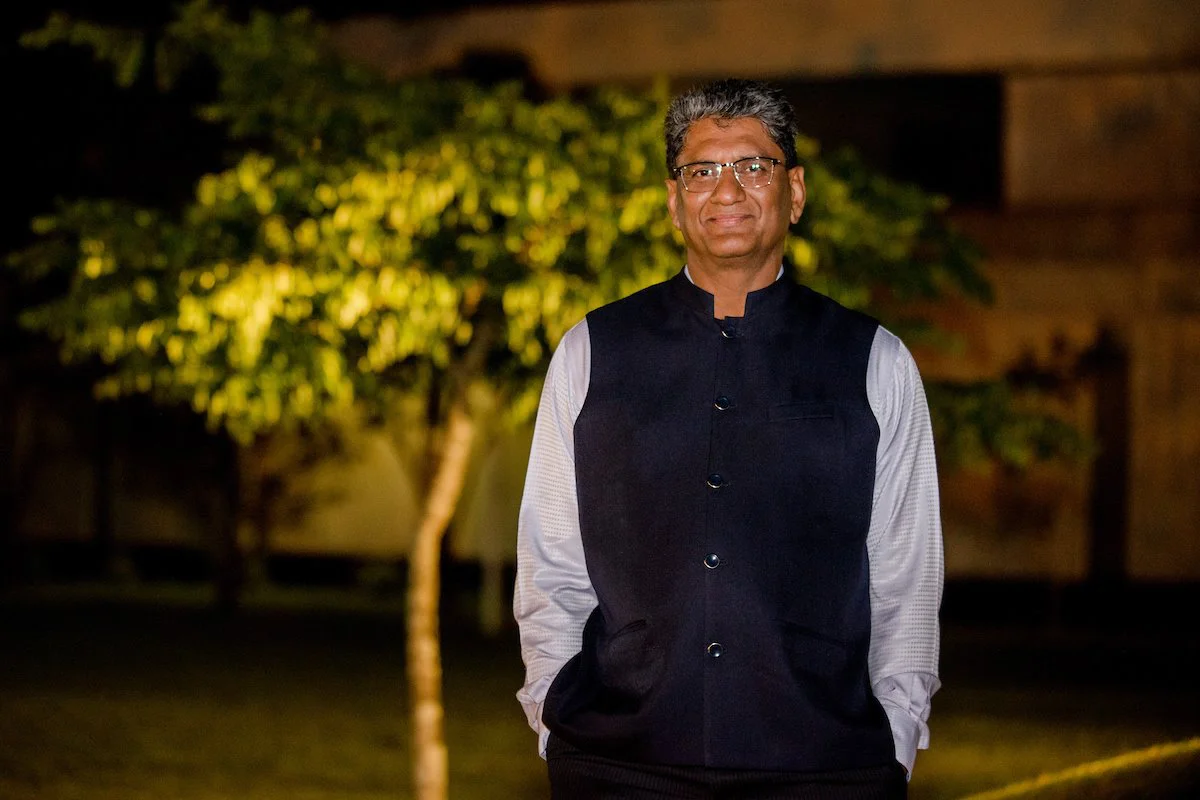
At The Meeting Between Representatives From Brazil And India, Topics Such As Food Security, Technology In Agriculture, And Soybean And Soy Oil Exports Were Discussed. The Goal Was To Promote Collaboration Between The Two Nations To Improve Agricultural Production Conditions And Strengthen The Global Economy.
The Minister Of Agriculture And Livestock Of Brazil, Carlos Fávaro, Received On Wednesday (8) The Ambassador Of India In The Country, Suresh Reddy. The Purpose Of The Meeting Was To Discuss Brazil’s Participation In The G20 Agriculture Ministers Meeting That Will Take Place In June This Year In Hyderabad, India.
This Event Is Part Of The G20’s Rotating Presidency, Which Is Currently Being Led By India, While In 2024 It Will Be Time For Brazil To Take The Lead Of This Group That Brings Together The 20 Largest Global Economies.
Power Interview: Carlos Fávaro, Minister Of Agriculture


Lula Emphasized The Importance Of Achieving Sovereignty And Strengthening Trade Relations As A Priority For The Ministers. The Meeting At The Map Addressed Topics Such As Food Security, Technology In Agriculture, And Soybean And Soy Oil Exports. The Ambassador Explained That The Distribution Of Food And Eating Habits Of Indians Have Changed Over The Years.
-
Mothers and daughters come together, create an ‘express’ beauty salon and turn the idea into a network with 21 units, revenue of R$ 16.7 million and 12,000 subscribers.

-
End of the 6×1 schedule: how the reduction of hours can affect service companies, industry, and agribusiness.

-
Brazil Ignores Trump’s threats to BRICS, Buys 42 tons of gold and reduces the Dollar’s share by 6.45% in international reserves.

-
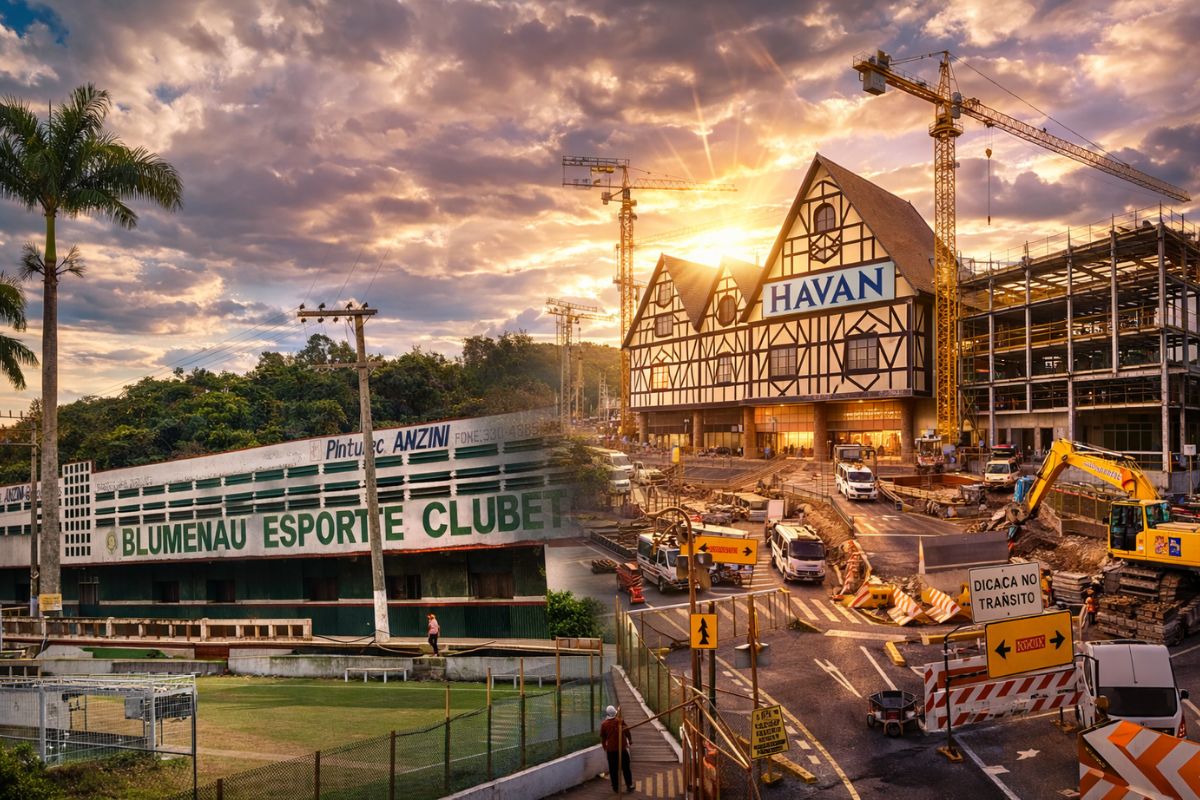
Havan buys historic football land in Blumenau for a million-dollar amount protected by a confidentiality clause and is already planning to change even the layout of streets to build a megastore in half-timbered style costing 80 million reais.
Thus, He Suggested That A Mission Of Brazilian Entrepreneurs Visit India To Understand These Changes. To Achieve This Goal, It Is Essential To Have A Well-Defined Plan To Ensure Success In This Journey.
The Meeting Was Attended By Roberto Perosa, Secretary Of Commerce And International Relations, Carlos Goulart, Secretary Of Agricultural Defense, And Fernando Zelner, Deputy Secretary Of SCRI. The Team Discussed Important Issues For The Economic Growth And Social Development Of The Country.
Survey Indicates That Nearly Seventy Percent Of Carriers Increased Freight Rates Above Average In The Second Half Of 2022
The Survey Conducted By NTC&Logística Indicated That 69% Of Brazilian Road Transport Companies Were Able To Adjust Freight Rates By 14.8%, While 28% Of Respondents Offered Discounts Of 6.6%. This Represented A Significant Change Compared To The Previous Survey, As 73% Of Companies Had Managed To Adjust Prices. However, A Minority Of Carriers Kept The Original Freight Rate.
The President Of NTC&Logística, Francisco Pelucio, Issued A Statement Suggesting That Companies Should Not Fail To Charge The Correct Cost For Their Services. Despite The Drop In Diesel Prices In The Second Half, Other Significant Expenses Still Affect Carriers, Such As Vehicle Maintenance And Labor.
To Address These Expenses, Carriers Managed To Partially Pass On Fuel Costs, With An 81.6% Rate, Higher Than The Rate Recorded In The Previous Survey (74.5%). Thus, It Is Necessary To Analyze All Factors So That Companies Can Continue Operating.
The Recent Survey Indicated That Only 7.5% Were Able To Fully Cover Diesel Costs, While 11% Were Able To In The Previous Survey. This Indicates An 11.2% Shortfall In Road Freight Rates Relative To Costs, Compared To 13.8% In The Previous Survey. Despite This, The Percentage Of Companies With Delayed Freight Remained Virtually Unchanged At 77%.
These Data Are Concerning, As They Prevent Companies From Growing And Investing In Equipment And Hiring New Employees. The High Percentage Of Companies Not Receiving Their Freight Is A Clear Sign That Urgent Measures Need To Be Taken To Improve This Situation.







Seja o primeiro a reagir!