Portuguese
  Spanish


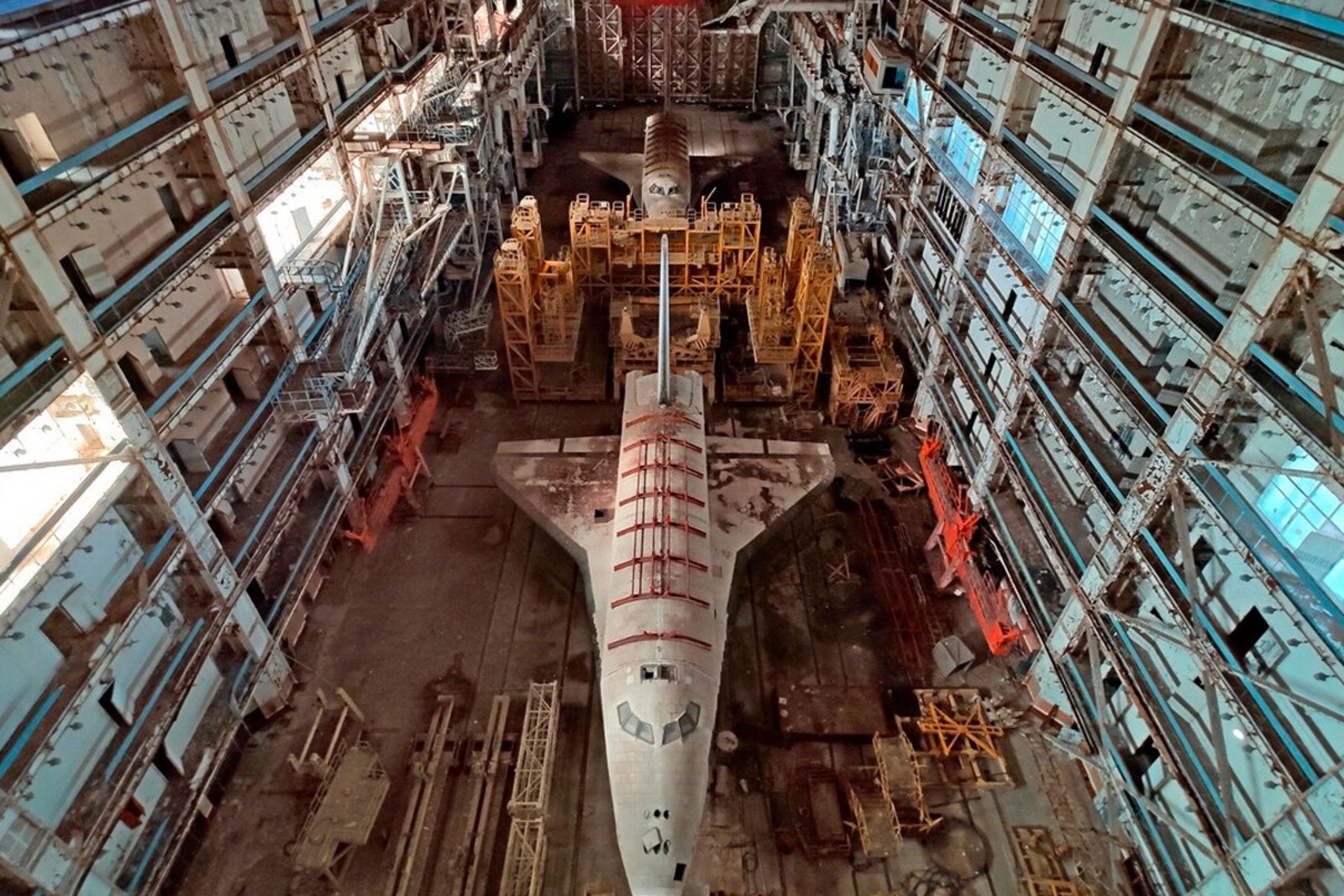


Hidden in Isolated Hangars in Kazakhstan, Two Surviving Burans Symbolize the Rise and Fall of a Soviet Space Program, Attracting Explorers, Reinforcing Debates, and Exposing Preservation Challenges After Decades of Abandonment on Site
Hidden in abandoned hangars on the vast steppe of Kazakhstan, two Soviet space shuttles remain as symbols of a halted project. They never left the ground, although they represented the high ambitions of the Soviet Union, as they sought to rival NASA’s program.
The Construction of a Bold Project
The Buran program emerged in the 1980s and aimed to demonstrate its own advancements, so Soviet engineers added features that were not present in American vehicles.
The ability to fly uncrewed enhanced safety and allowed versatile operations even in risky conditions. This autonomy impressed experts.
-
The Trap of Modern Technology: How Screen Overload and Digital Connections Can Impact Your Mental Health and Well-being

-
Wyoming Couple Grows Tropical Fruits Year-Round in -40°C Using Geothermal Greenhouse, Demonstrating Earth’s Heat Can Produce Oranges and Lemons in Snow Without Traditional Heating

-
Ship Returns from Brazilian Coast with Thirty Newly Discovered Life Forms
-
Nigerian Professor Invents Electricity-Free Refrigerator Using Clay Pots and Wet Sand, Extending Shelf Life of Vegetables to 27 Days; 7,000 Units Distributed in Energy-Deprived Villages



Another significant difference was the use of the Energia rocket, which served as an independent launcher and reduced costs, as a complete rocket cost just slightly more than the main engines of the American shuttle.
This economic strategy reinforced the Soviet attempt to create a more flexible and accessible solution. Even so, insufficient funding put the entire project at risk.
The Buran reached space only once, on November 15, 1988, when it completed a fully autonomous flight.
This feat demonstrated technical capability but did not ensure the continuation of the program. With the disintegration of the Soviet Union, resources evaporated, and the project was officially terminated in 1993.
The Abandonment of Soviet Space Shuttles in Baikonur
Since then, the remaining vehicles have rested at the Baikonur Cosmodrome, located in Kazakhstan but still under Russian administration.
The site remains active for launches such as the Soyuz and Proton rockets, thus still attracting international attention while holding relics of the Soviet space past. Hangar MZK has become the most coveted spot.
Inside it are the two preserved spacecraft. One is named Ptichka and never flew, though it was ready for testing.
The other served as a prototype. After the collapse that occurred in 2002, which destroyed the only example that had flown, these two models became even more valuable.
The Transformation of Space Shuttles into Explorer Destinations
Over time, these abandoned giants began to inspire urban explorers, as access is difficult and dangerous. Many travel long distances across the steppe, facing intense heat or extreme cold.
Others take risks by circumventing the security that protects the facilities, creating stories that circulate within adventurous communities.
In 2017, YouTuber Ninurta released internal footage of the vehicles, showing almost empty cabins and spacious compartments.
Additionally, French photographer David de Rueda visited the site and captured striking scenes. Both reported arduous journeys, reinforcing the aura of mystery surrounding the hangar.
Rueda’s account illustrates this. He mentioned that crossing the region was an adventure full of uncertainties, as the environment required constant preparation and attention.
Even so, he felt that each obstacle was worth the effort, as he encountered enormous structures marked by decades of abandonment.
Debates on Preservation of Space Shuttles
Interest has grown even more since the death of a French tourist earlier this year. He died from dehydration near the cosmodrome.
Russian media reported that he was not searching for the Buran hangar, but the tragedy spurred increased security and heightened public curiosity.
Meanwhile, discussions about the future of the vehicles continue. Some advocate for the shuttles to be moved to a museum to prevent further deterioration, therefore suggesting restoration programs.
Others prefer to maintain the current state, arguing that abandonment preserves the historical essence of these Soviet artifacts.
The truth is that time continues to act on the two remaining Burans. They remain silent in the dark of the hangar, accumulating dust and attracting new tales.
Moreover, their undefined fate reflects how grand projects can disappear when investments fail and political contexts change.
These abandoned structures continue to spark debates, as they represent forgotten technical achievements and remind us how political decisions shape entire scientific trajectories today as well.
With information from Xataka.