





 Portuguese
  English
  Spanish
  4 min of reading
  0 comments


Nuclear Energy and Uranium Reserves: Learn Which Countries Lead Production. Discover the Plans of China, Poland, and France, and the Impact of Dismantling Plants in Germany and Spain.
Nuclear plants are currently in a two-way race. While certain countries are making a strong bet on this type of energy, building plants and nuclear projects (China and Poland, for example), others are immersed in dismantling their plants (Spain and Germany).
There is a debate about the appropriateness of using nuclear energy in the context of decarbonization and in a reality where events (such as the invasion of Ukraine) can trigger fuel prices, such as Russian gas. For this reason, new sources are being sought to produce electricity (such as green hydrogen, in which Spain will play a key role), but other countries, like France, remain committed to nuclear energy. So much so that they are already planning to use SMR (Small Modular Reactors).
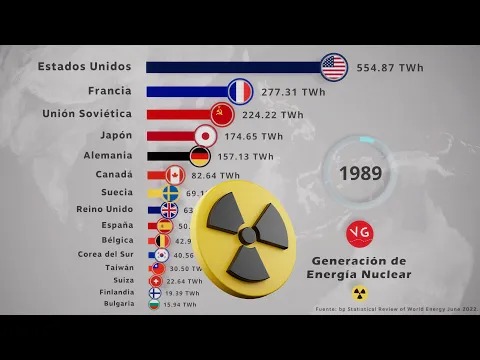

In any case, nuclear plants currently play an important role in energy production, with about 440 active reactors, and in this interesting graph with the most current data (from 2022) we can see nuclear energy production by country. There are no surprises, and it is interesting to see the differences between the countries, but when the Ukrainian and German data are updated, the scenario will change radically.
-
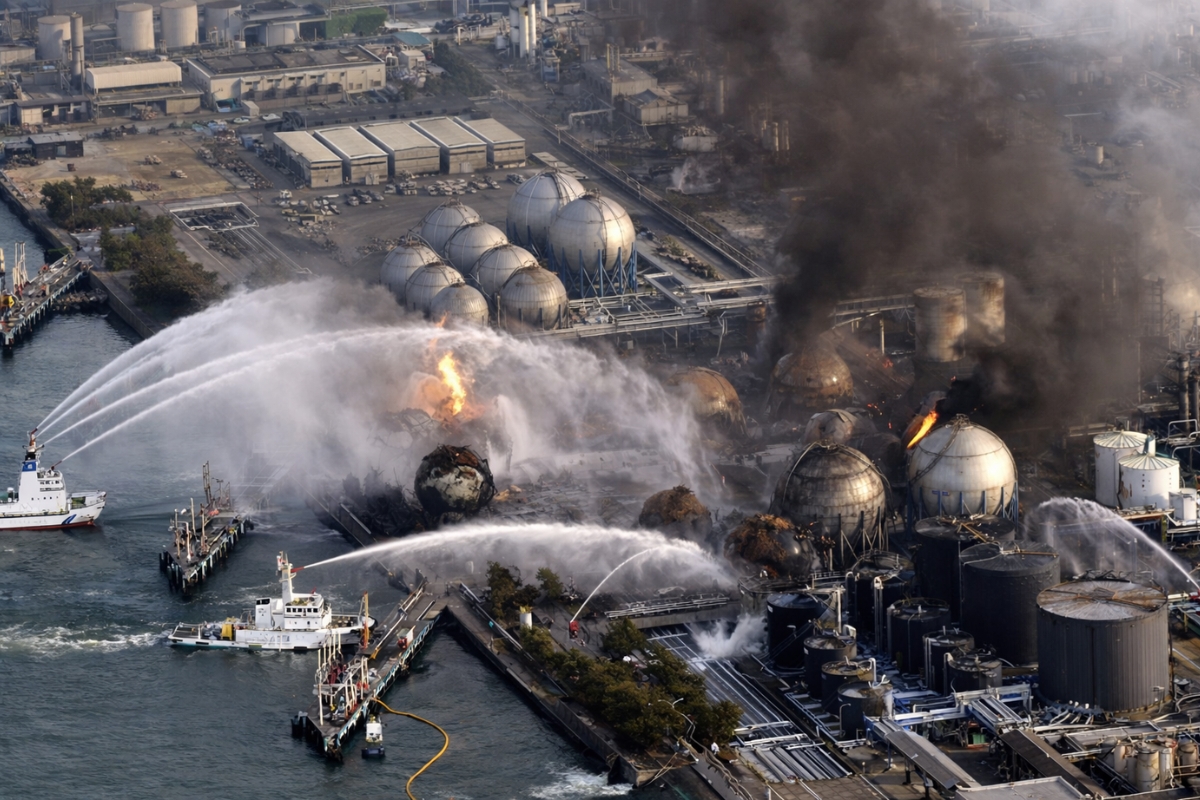
Fukushima Marks A Turning Point In Japan’s Energy Policy: After The Disaster, The Country Shut Down Its 54 Nuclear Reactors And, 15 Years Later, Only A Small Portion Have Returned To Operation
-
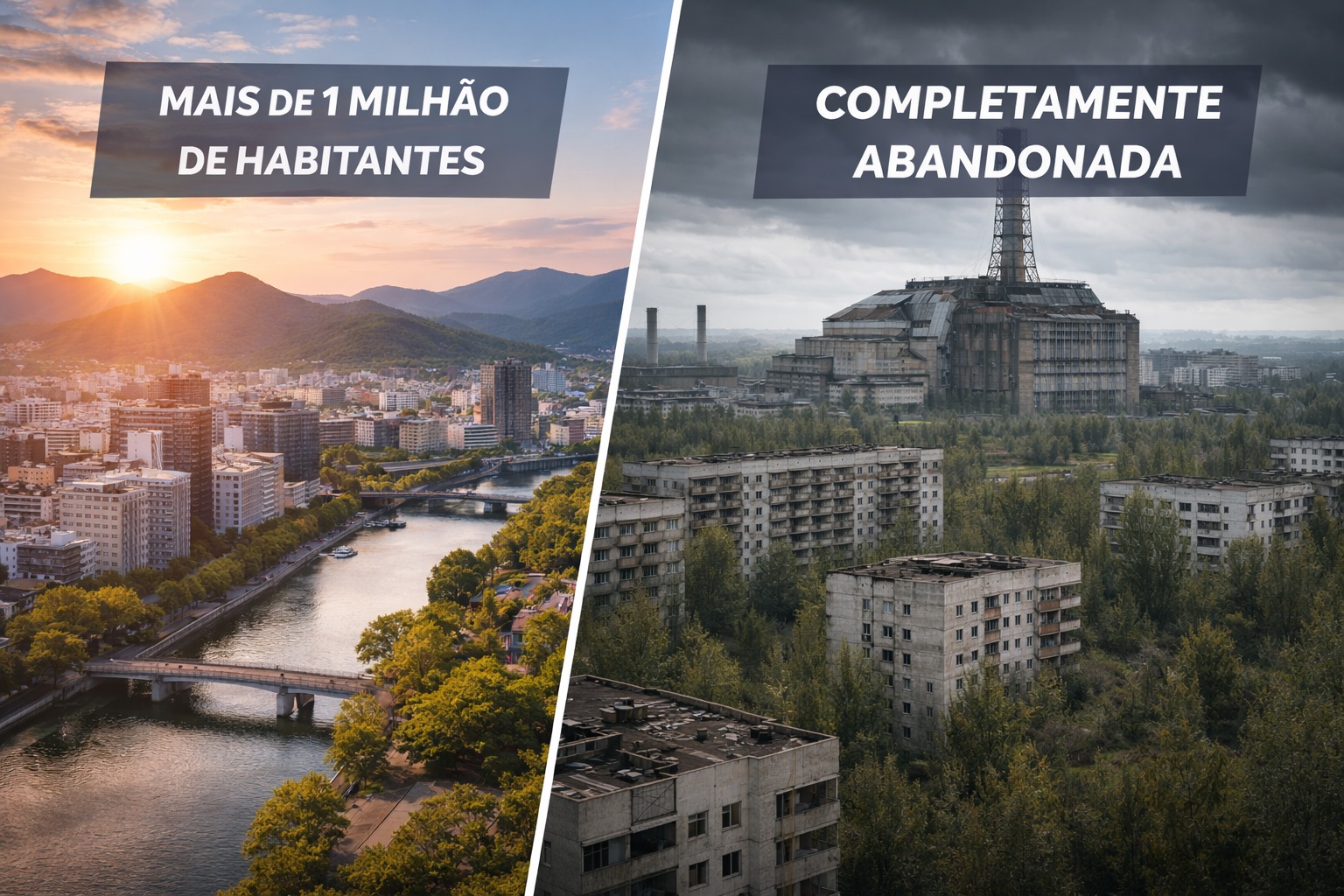
How Japan Overcame The Nuclear Bomb And Now Houses Millions In Hiroshima, While Ukraine Lost Chernobyl?
-
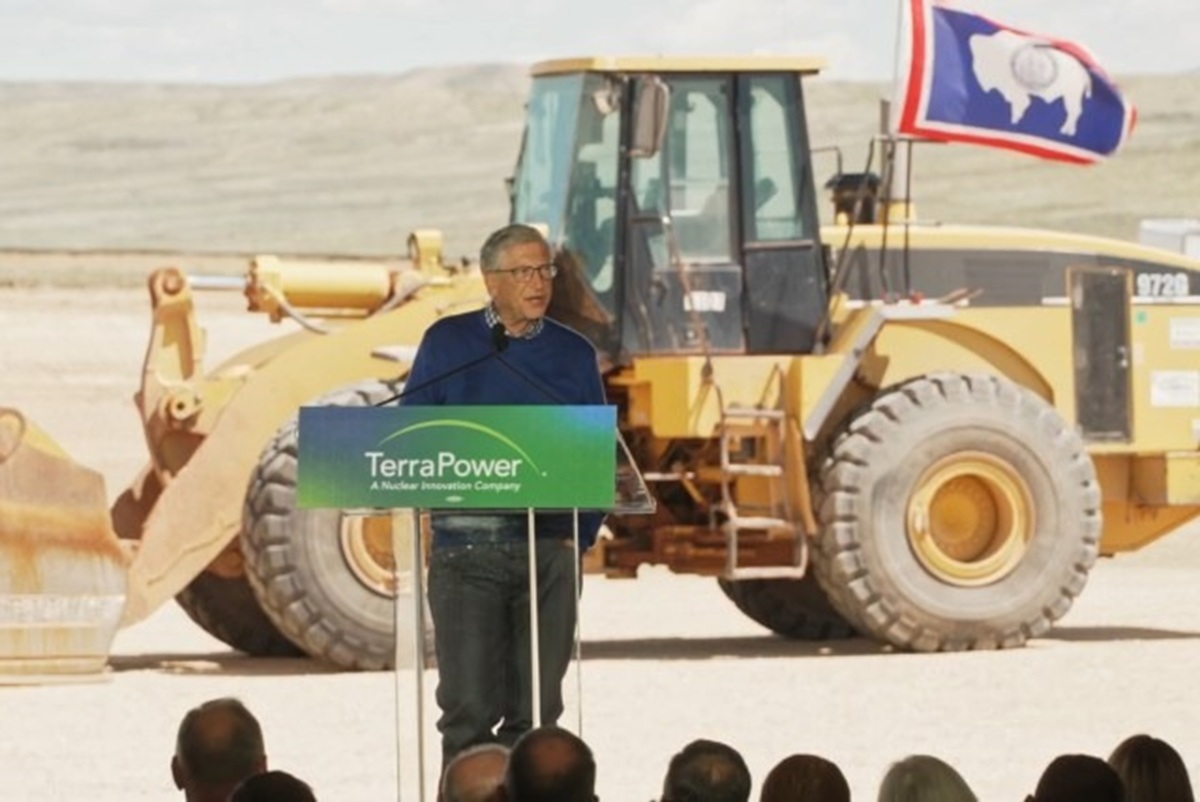
Bill Gates Receives Historic Approval to Build Giant 345 MW Nuclear Plant in the U.S. and Promises to Generate Up to 500 MW of Energy with Innovative Technology
-
India Opens Nuclear Energy to Private Capital to Accelerate Projects and Attract Billions, While Brazil Remains Stalled at Angra 3 and Discusses Who Will Foot the Bill for Completion

The data corresponds to the Nuclear Energy Institute, and the graph is interesting because it clearly shows that France stands alone in terms of energy production from its nuclear plants at the European level. The first place still belongs to the United States, with a production of 772 TWh, far ahead of a China that has large (and expensive) plans for the development of its nuclear fleet, with a production of 383 TWh.
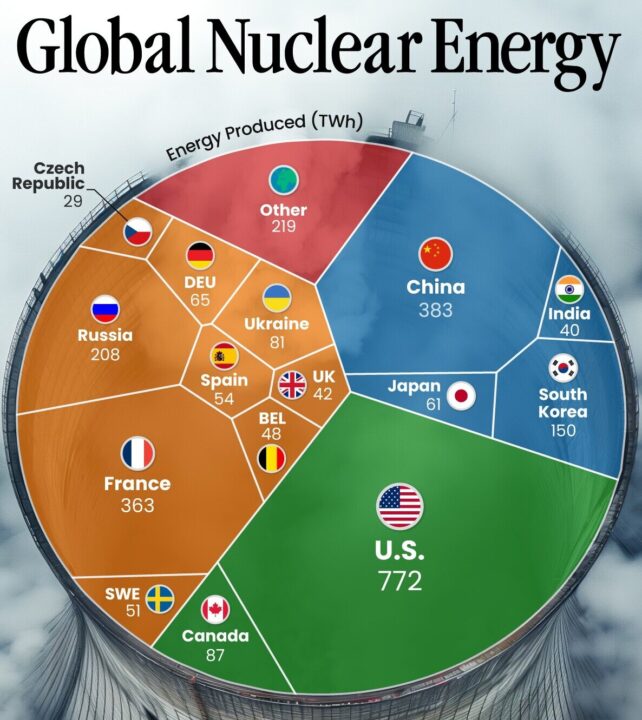
China has dethroned France as the second-largest producer of nuclear energy in the world due to the rapid development of its plants in the last decade, but France is still on the podium with 363 TWh (at the end of 2022, it dropped a bit to 282 TWh, according to WNA figures). Interestingly, 69% of France’s electricity needs are covered by nuclear energy, making it (by far) the country that relies the most on these plants.
Far behind are other countries, but, as we said, sooner or later there will be a revolution in the positions on the graph. Due to the conflict between Russia and Ukraine, one of Ukraine’s main plants stopped producing. Moreover, Germany is in the process of dismantling its plants, and Spain will follow the same path between 2027 and 2035. Currently, 20% of the country’s electricity comes from nuclear power.
Global Uranium Reserves
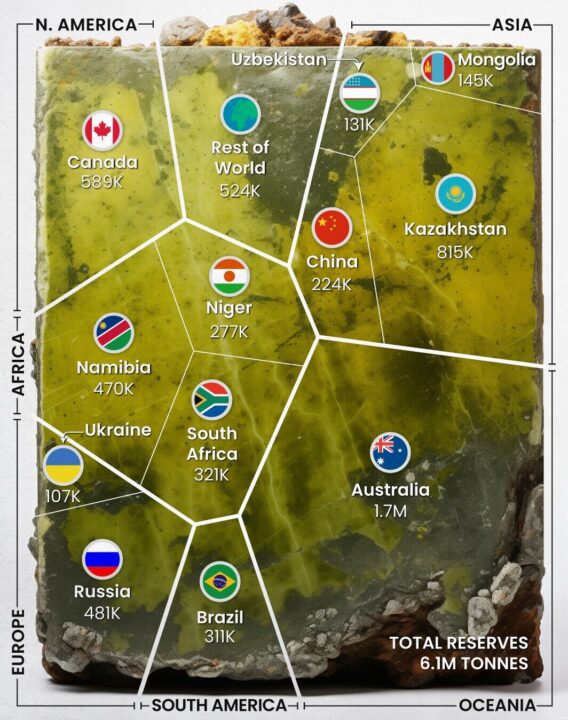
Another scenario is the graph of uranium reserves. This is a relatively abundant resource, and except for Russia, there is no correlation between uranium reserves and nuclear power.
We can see that Australia stands out completely from the rest of the world in terms of tons, with almost 1.7 million tons of uranium, representing 28% of global reserves. Kazakhstan has 815,200 tons (13% of global reserves), and Canada has 588,500 tons (10% of reserves). Followed by countries like Russia, Namibia, and South Africa.
The United States, the powerhouse in electricity production thanks to nuclear power, has less than 1% of the reserves, and France does not even appear on the detailed table from WNA.
Nuclear Energy in 2024
As we said, we need to wait for the data to be updated considering current events, such as those in Ukraine and Germany, but the state of nuclear energy in 2024 is interesting. Currently, it is estimated that there are 440 reactors with a global production of 396,269 MWe (remember that before we were talking about production by country in TWh and now we are talking about MWe, which are two different things).
About 60 reactors are being built worldwide, with an estimated production of 62,998 MWe, and this nuclear energy is the second largest global source of low-carbon energy, representing 26% of the total in 2020. Worldwide, it is estimated that 10% of electricity comes from nuclear plants, and it will be necessary to observe what will happen with production in the short term and which sources this energy will be replaced with in countries like Germany or Spain.





-

-

-

4 pessoas reagiram a isso.