





 English
  Francês
  Alemão
  Italiano
  Japonês
  Norueguês
  Portuguese
  Spanish
  4 min of reading


Even The U.S. Is Suffering From Low Oil Prices Due To The Coronavirus, Forcing OPEC To Cut Global Production In An Attempt To Cushion The Decline
The oil, from stocks to bonds and currencies, the coronavirus outbreak is shaking all corners of the financial markets. For oil producers, the pain has been particularly acute.
With demand dissipating, oil has entered a bear market, pressuring OPEC to intervene and try to stabilize prices. But, as the coronavirus continues to spread around the world, can the cartel really be the savior?
- Company Contracted By Vale Has A History Of Shipwrecks And Inspection Problems
- Norwegian Companies’ Investments In Brazil In Solar Energy, Hydroelectric Plants, Oil And Gas Have Already Created 612 Thousand Jobs
- Agreement Between Eletronuclear And Westinghouse Foresees Completion Of Angra 3 And Construction Of New Nuclear Plants
The Scenario
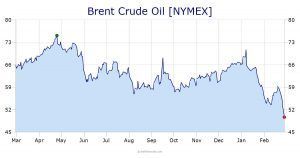
This is the question of the week as OPEC members and allied producers meet in Vienna for meetings on Thursday and Friday. Brent crude oil futures, the global benchmark, ended last Friday (02/28) at US $ 50.52 per barrel, a 13.6% drop for the week. Oil from the U.S. was trading at US $ 44.76, a weekly decline of 16.2%. Prices are at their lowest since late 2018. See the chart below from March 2019:
-
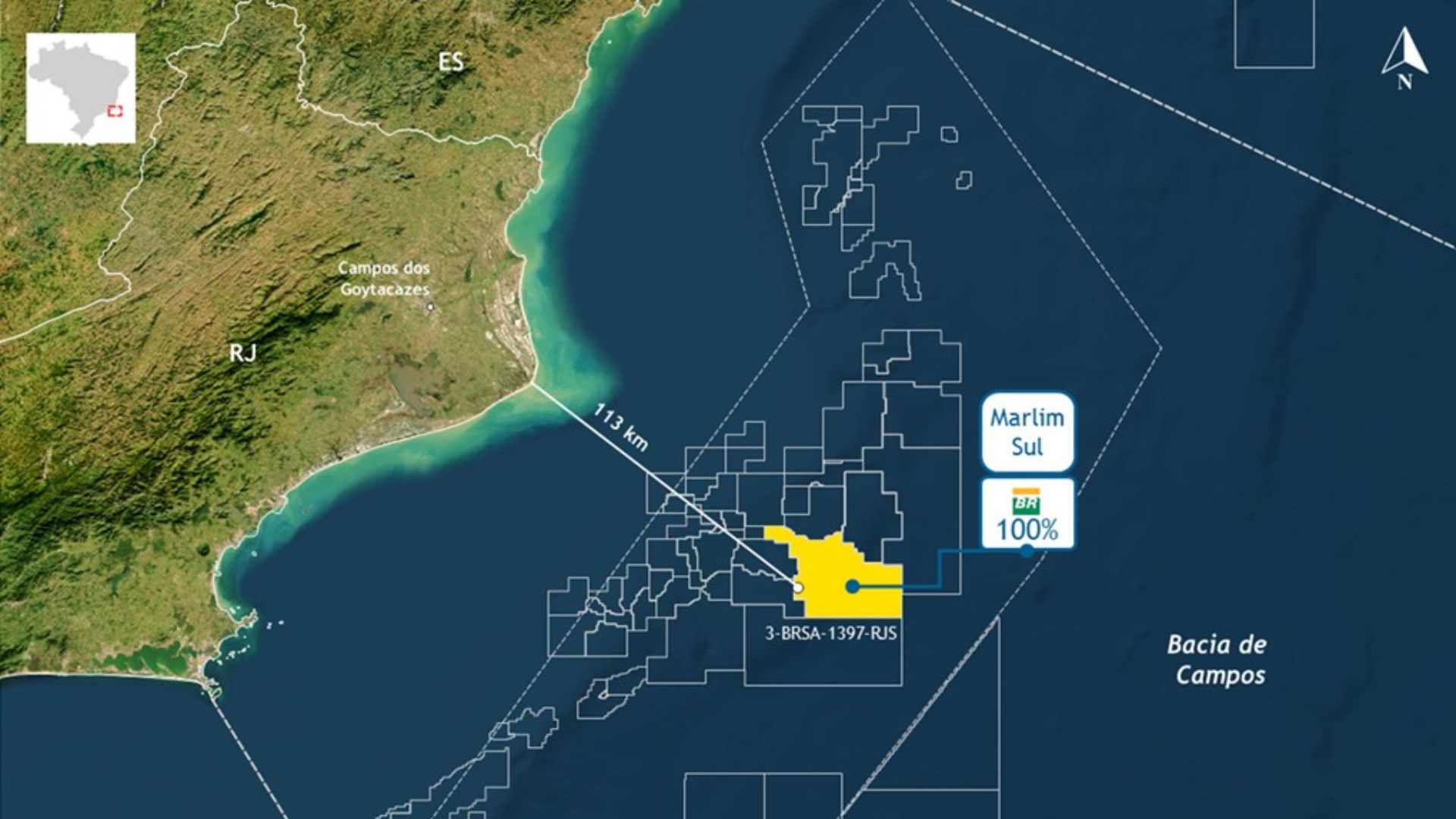
Petrobras finds high-quality oil in the pre-salt at 113 km from RJ and reignites expectations about strategic reserves in the Campos Basin.

-
Ocyan opens registrations for startups focused on innovation in the oil and gas sector and will select projects for Innovation Day with the support of Nexio.

-
Petrobras announces new oil discovery in the pre-salt of the Campos Basin and reinforces Brazil’s prominence with high-quality reserves that can increase production and energy revenues.
-
Alert in the fuel market: Analysts and a former director of ANP warn that oil prices may worsen in the coming months due to global instability.


Oil Price Curve 2019-2020
Why Does OPEC Need To Act?
The economies of some OPEC members depend on oil production, and the coronavirus has drastically reduced demand for products such as gasoline and jet fuel. To prevent prices from falling further, OPEC may resort to what has become its preferred strategy in recent years: coordinated production cuts.
The Financial Times reported that Saudi Arabia is pushing for a cut in production of 1 million barrels per day, much more than expected. The kingdom would bear the brunt of the reduction, while Kuwait, the United Arab Emirates, and Russia would share the rest, according to the Financial Times. Russia is not a member of OPEC, but has coordinated production levels with the cartel in recent years.
Giovanni Staunovo, an analyst at UBS, believes this may not be enough to change the trajectory of oil in the short term. “I don’t know if this would be enough to change the negative market sentiment,” he told me. “What is cheap may become cheaper.”
Silver Lining
Staunovo points out that oil prices are not sustainable at their current level for long. Within six months to a year, lower commercial investment in a struggling sector will restrict supply, helping to elevate prices, he said. Additionally, bargain oil will eventually stimulate demand.
Oswald Clint, an analyst at Bernstein, agrees that prices will need to rise more quickly. He thinks a cut by OPEC of 1 million barrels per day would be sufficient to support, especially given the drop in oil production in countries like Norway that preceded the coronavirus outbreak.
But Staunovo and Clint agree that oil markets need a lifeline from OPEC – and soon.
Oil Stocks Had A Brutal Week. The Next One May Not Be Easier
Global stocks fell for seven consecutive trading sessions, marking the worst week since the 2008 financial crisis and putting investors at risk as the new coronavirus continues to spread beyond China.
What’s happening: Stocks fell and financial conditions tightened as traders awoke to the risks the virus poses to global economic growth and corporate profits, with cases now present in over 50 countries and territories. The Dow ended the week down 12.4%, while the S&P 500 fell 11.5%.
U.S. stocks regained some losses in the final hours of trading on Friday after Federal Reserve Chairman Jerome Powell issued a rare statement. “The fundamentals of the U.S. economy remain strong,” he said, although recognizing that the coronavirus “poses increasing risks to economic activity.” Powell stated that the central bank “will act as appropriate to support the economy.”
For investors, the message was loud and clear: expect the Fed to cut interest rates when it meets in March. According to CME Group’s FedWatch tool, 100% of investors now predict a rate cut in March – with nearly 95% expecting that the Fed will reduce rates by a decisive 50 basis points.
Will this assurance be enough to help stabilize the markets this week? It’s hard to say. After years of persistently low interest rates, investors are worried about the lack of ammunition from central banks to prevent a crisis.
“A rate cut in this environment will likely do little to affect real economic activity,” said Ellen Zentner, an economist at Morgan Stanley.
And the market continues to be driven by news of how the outbreak is spreading around the world, as well as how it is impacting companies and economies. On Saturday, China reported that factory activity in February hit the weakest level on record, and the first person died from coronavirus in the U.S.
Justin Onuekwusi, a fund manager at Legal & General Investment Management, told me that his team – which manages $84 billion in retail multi-asset funds – has reduced its exposure to stocks and Korean gains.
“We don’t feel the market has certainty about this,” he said. “The impact on Chinese growth and the rest of the world is potentially huge.”










Seja o primeiro a reagir!