





 Portuguese
  English
  Spanish
  2 min of reading


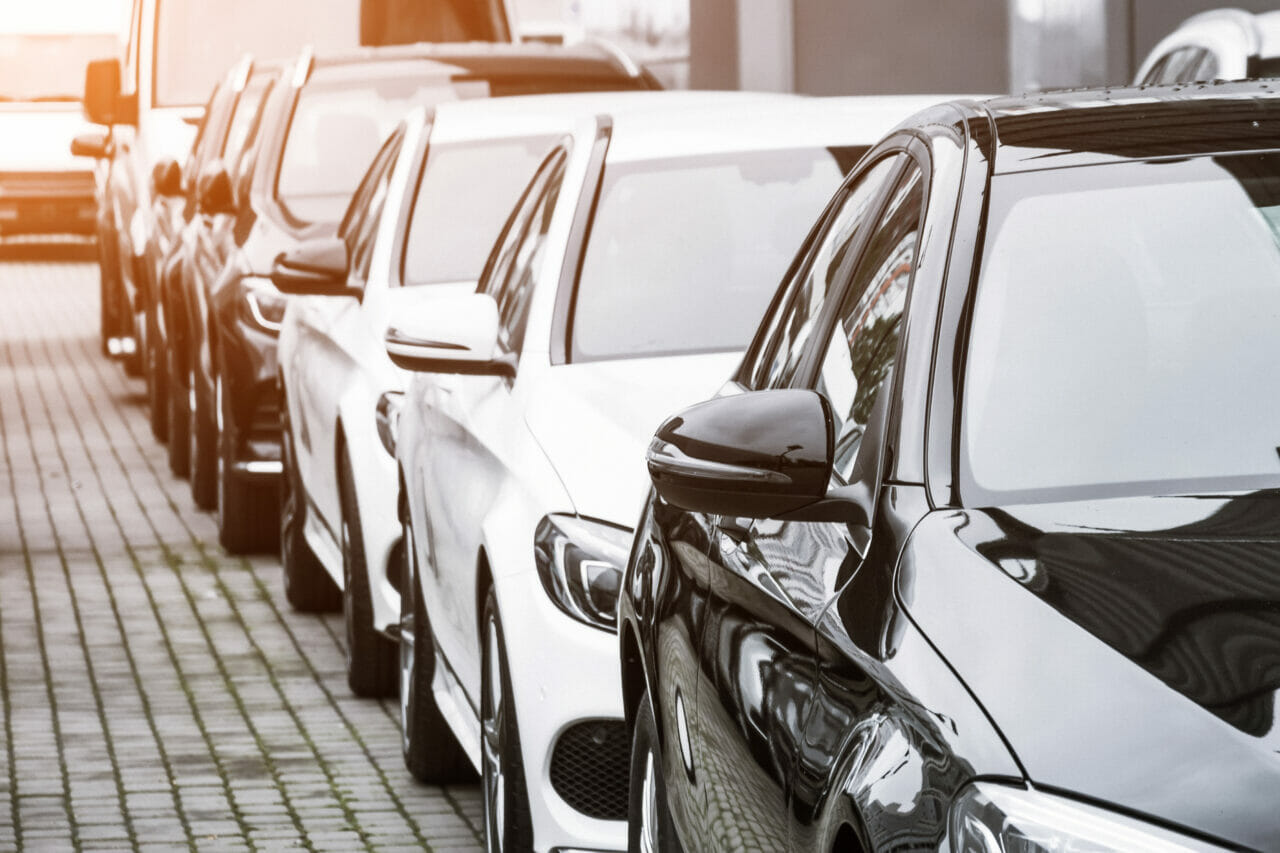
Transforming Your Fleet Into An Efficient And Cost-Effective System Through Rightsizing.
In the Frantic World Of Logistics, a fleet manager needs to be a master of balancing costs, efficiency, and innovation. The right size of the fleet is a crucial element in this balancing act, as an insufficient or excessive number of vehicles can trigger a series of operational problems.
Considering The Fleet’s Needs
The answer to the “right size” of the fleet is not universal, as each operation has its own peculiarities. Thus, each organization must develop its own formula to achieve maximum fleet efficiency.
To do this, a fleet manager must carefully evaluate several operational factors. Analyzing the downtime of each vehicle, for example, can reveal whether there are idle vehicles, indicating that the fleet may be oversized. Remember that even parked vehicles incur substantial costs.
-
Nubank’s billion-dollar offer could take the Naming Rights of Allianz Parque and change the identity of Palmeiras’ stadium.
-
Oncorp wins auction and enables biodiesel and gas thermal plants in Brazil, with strategic projects in Suape and Xavantes Aruanã.

-
Raízen Recovery: Shell Cosan May Reduce Control After R$ 65 Billion Debt

-
Outback Montes Claros: Chain Confirms First Unit in Northern Minas in 2026

On the other hand, if vehicles have no “breathing room” and the maintenance schedule is complicated to perform without impacting operations, it’s time to consider the possibility of an undersized fleet.
When considering the size of the fleet, the manager should take into account:
• The average age of the vehicles; • The total number of vehicles; • The models of the vehicles and their respective functions; • The time they remain inactive.
Every detail must be meticulously evaluated, keeping in mind that the choice of vehicle model also has a significant impact on operational costs.
The Benefits Of Rightsizing
If you still question the need for proper fleet sizing, here are some advantages that can clarify the picture.
Cost Savings: It isn’t just about fuel costs, but also maintenance and fines. An idle or overused vehicle generates unnecessary expenses. Additionally, overloaded drivers may exhibit risky behaviors to complete their tasks, resulting in fines for infractions such as speeding.
Enhanced Safety: Infractions such as speeding not only suggest disobedience to traffic laws but also indicate dangerous driving behaviors, increasing the risk of accidents. Therefore, rightsizing is not just a matter of savings, but also of driver safety.
Logistics Optimization: Planning efficient routes saves drivers’ time, reducing stress in traffic and increasing operational efficiency. Furthermore, adequately managing the fleet size also enhances operational efficiency, reducing costs and improving employee quality of life.
Rightsizing is not a one-time action, but an ongoing process. It is recommended that fleet managers revisit their operational systems annually to ensure they align with company objectives.







Seja o primeiro a reagir!