





 Portuguese
  English
  Spanish
  4 min of reading
  2 comments




Study Reveals That 94% Of Brazilian Gold Imported By Europe In 2023 Came From Risk Areas In Pará And Amazonas, Exposing Illegality.
The trade of gold between Brazil and Europe has drawn attention due to a serious problem: a large portion of the metal exported to European countries comes from risk areas in Brazil, where illegal extraction predominates. A recent study by the Instituto Escolhas, titled Europe’s Risky Gold, indicates that in 2023, about 94% of Brazilian gold imported by Europe came from high-risk regions in the states of Pará and Amazonas, where gold production is heavily concentrated in artisanal mines. This data reveals the complexity of the international gold trade and the need for joint action to combat illegality.
The Current Scenario Of Gold Production In Brazil
Brazil is the 14th largest producer of gold in the world, and among the main destinations for its exports are countries in the European Union, such as Germany, Italy, and the Czech Republic.
In 2023, these countries imported 1.5 tons of Brazilian gold, much of which came from areas where metal exploitation occurs irregularly or illegally.
-
The institute that trained the greatest aerospace engineers in Brazil has just opened its first campus outside São Paulo after 75 years: ITA Ceará will have R$ 445 million, new courses in energy and systems, and classes are expected to start in 2027.

-
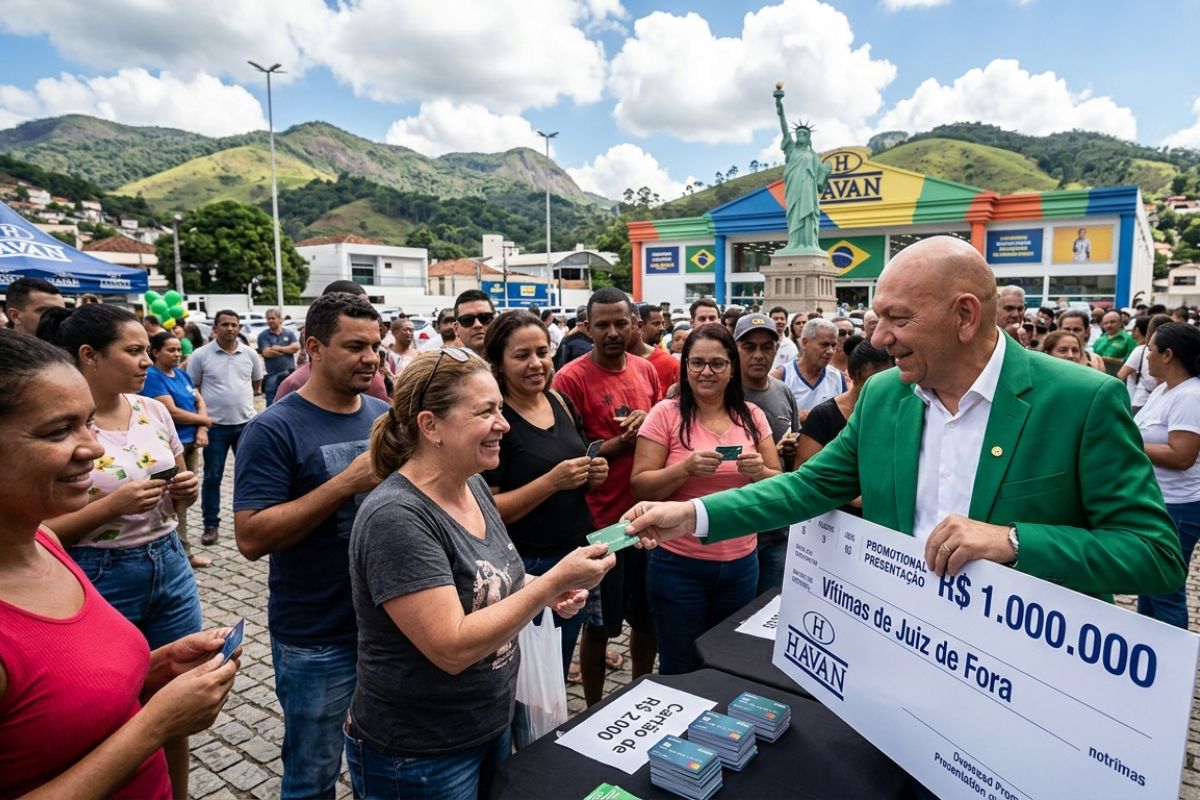
Luciano Hang, owner of Havan, goes to Juiz de Fora after the tragedy in February, brings R$ 1 million, hands out R$ 2,000 cards, and donates up to R$ 15,000 to victims in the region.
-
The Brazilian passport allows legal residence in dozens of countries without the need for a prior visa, and most Brazilians are unaware that they can apply for residency directly upon arriving in nations in South America, Africa, and even Europe.

-
Petrobras sends a message to Brazilian truck drivers after fuel collapse and reveals plan to have 100% domestic diesel.

These regions, particularly in Pará and Amazonas, are known for the presence of mines that operate outside the law, making it difficult to prove the legal origin of the exported gold.
The state of São Paulo also appears in the study as a point of outflow for gold, although it is not a producer.
This happens because the metal extracted from illegal mines in other parts of the country is transported to São Paulo, from where it is sent to the international market.
The study by the Instituto Escolhas points out that one of the main difficulties in combating illegal gold extraction is the lack of traceability of the metal.
In mining areas, such as those in Pará and Amazonas, it is practically impossible to determine the exact origin of the gold due to the absence of a robust control and monitoring system.
Furthermore, the gold that leaves these areas passes through several hands before reaching the external market, going through intermediaries that further complicate the identification of its provenance.
This process creates loopholes that allow illegal gold to enter international supply chains undetected.
The Role Of Europe In Combating Illegality
The European Union plays a fundamental role in this trade chain.
According to Larissa Rodrigues, research director at the Instituto Escolhas and responsible for the study, the efforts made by Brazil to combat illegal gold extraction need to be accompanied by actions from importing countries.
She warns that as long as European Union countries continue to buy gold from risk areas without ensuring its legal origin, they will contribute to the perpetuation of an illegal market.
In the past year, Brazil adopted important measures to combat illegal gold, such as the implementation of electronic invoices and the end of the good faith principle in the commercialization of gold from illegal mines.
However, these initiatives are just the beginning. According to Rodrigues, it is necessary for importing countries to also adopt stringent due diligence policies to ensure that the precious metal they purchase is not associated with illegal exploitation or environmental crime.
The data presented by the study shows alarming examples of the risk involved in the gold trade between Brazil and Europe.
All the material imported by Germany, about 1,289 kilograms valued at 78 million dollars, is exposed to the risk of illegality.
In Italy, 71% of gold imported from Brazil – 254 kilograms, valued at 15 million dollars – also comes from risk areas.
These numbers highlight the magnitude of the problem and the urgency for coordinated action between Brazil and its trading partners.
The lack of transparency in the extraction and commercialization process of gold, combined with the absence of effective tracking systems, exposes European markets to significant risks of purchasing illegally extracted metal.
The Path To Solving Illegal Gold
To reduce the risks associated with the trade of gold, the study from the Instituto Escolhas suggests that importers, especially in the European Union, adopt stricter control measures.
Among the recommendations is the public availability of detailed information about the mines of origin for the gold and total transparency regarding suppliers.
Additionally, European countries should implement robust due diligence processes applicable to all imported materials, regardless of quantity or origin. This includes verifying compliance of extraction practices with international human rights and environmental standards.
The Challenge Of Shared Responsibility
The fight against illegal gold extraction in Brazil is not a task that can be carried out by national authorities alone.
It is essential for consuming countries, such as those in the European Union, to also assume their share of responsibility.
The international demand for this material, especially in markets such as Europe, has a direct impact on the perpetuation of illegal mining activities in Brazil.
Shared responsibility is the way to mitigate the environmental and social damage caused by illegal mining.
Adopting stricter policies and collaborating between producing and importing countries is essential to ensure that the metal circulating in the international market is not a product of illegal practices.
The trade of this metal between Brazil and Europe is heavily marked by the risk of illegality.
With 94% of Brazilian gold imported by the European Union coming from risk areas, the need for stricter tracking and control measures is clear.
Only through international cooperation and the implementation of effective policies will it be possible to reduce the negative impacts of this trade and ensure that the gold reaching global markets has a legal origin.
Source: CicloVivo








Um país continental como o nosso e ainda tem gente acreditando que dá pra coibir esse tipo de comércio!
Não acredito que as autoridades brasileiras não sabem coibir esse tipo de exportação. Lógico que sabem, mas deve haver interesses de outros por trás disso.