





 Portuguese
  English
  Spanish
  4 min of reading
  13 comments


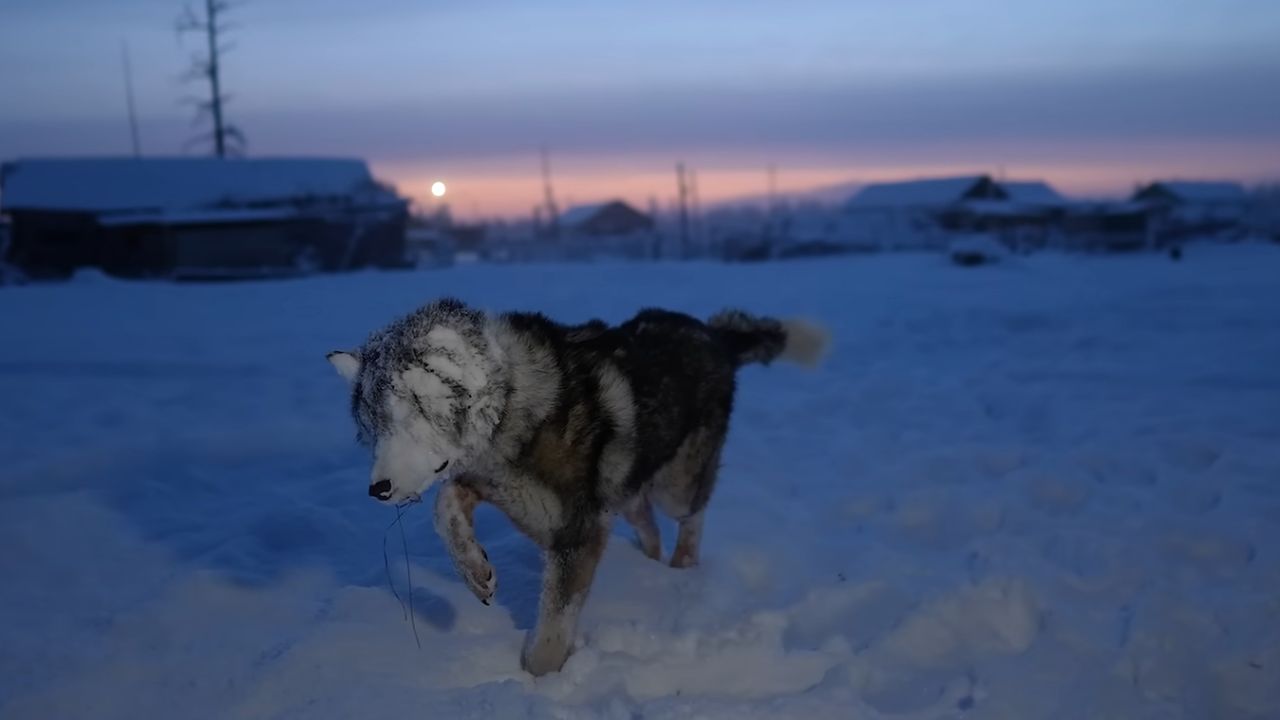


In Oymyakon, Life on the Edge Requires Courage. Understand Survival in the Coldest Village on Earth, Where Extreme Cold Freezes Even Breathing.
A place where the temperature drops so drastically that the steam from breath instantly turns into ice crystals, producing a sound similar to dry grass being crushed. This is the reality of Oymyakon, recognized as the coldest village on Earth. In this hostile environment, spending just 15 minutes outdoors without proper protection can lead to tissue freezing, necrosis, and risk of death, turning every step out of the house into a battle for survival.
Located in a geographical basin that traps the frigid air and prevents wind circulation, the region keeps the ground permanently frozen, a phenomenon known as permafrost. To live in the coldest village on Earth, residents rely on a coal central heating system that operates continuously; a simple malfunction in this mechanism could put the entire population at lethal risk within hours.
The Immediate Impact on the Human Body
The physical adaptation to withstand the climate is rigorous. To step outside, where the indoor temperature hovers around 30°C, and confront the outdoor environment that can reach differences of over 100 degrees, about 20 layers of clothing must be worn. The total weight of the attire, which includes gloves, boots, and coats made from reindeer skin, reaches nearly 14 kilograms. Even with all this protection, eyelashes accumulate ice in seconds and the skin on the face starts to burn almost immediately.
-
Meta’s new smart glasses are not just for seeing; they use artificial intelligence, analyze your food, summarize messages, and can even change the way you work in professions like engineering.

-
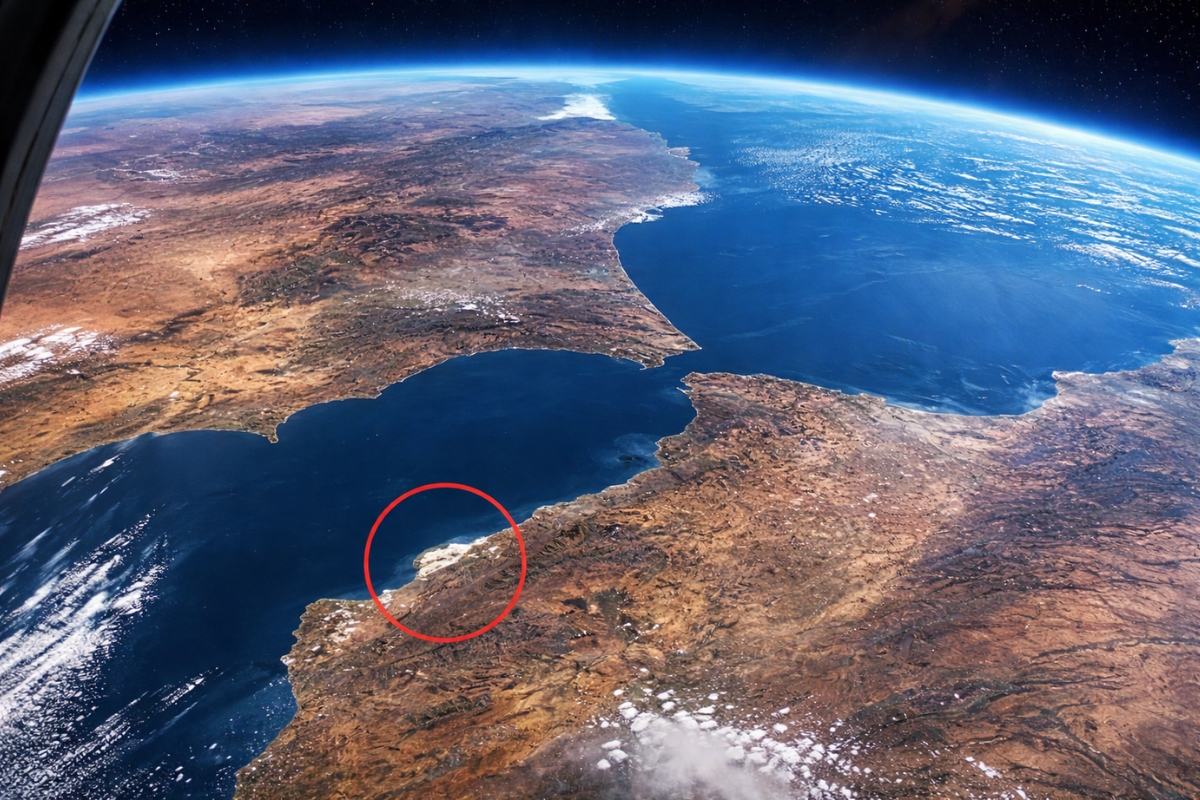
According to an analysis by NASA, only one human-made structure is visible from space, and it is not the Great Wall of China or the Pyramids of Egypt.
-
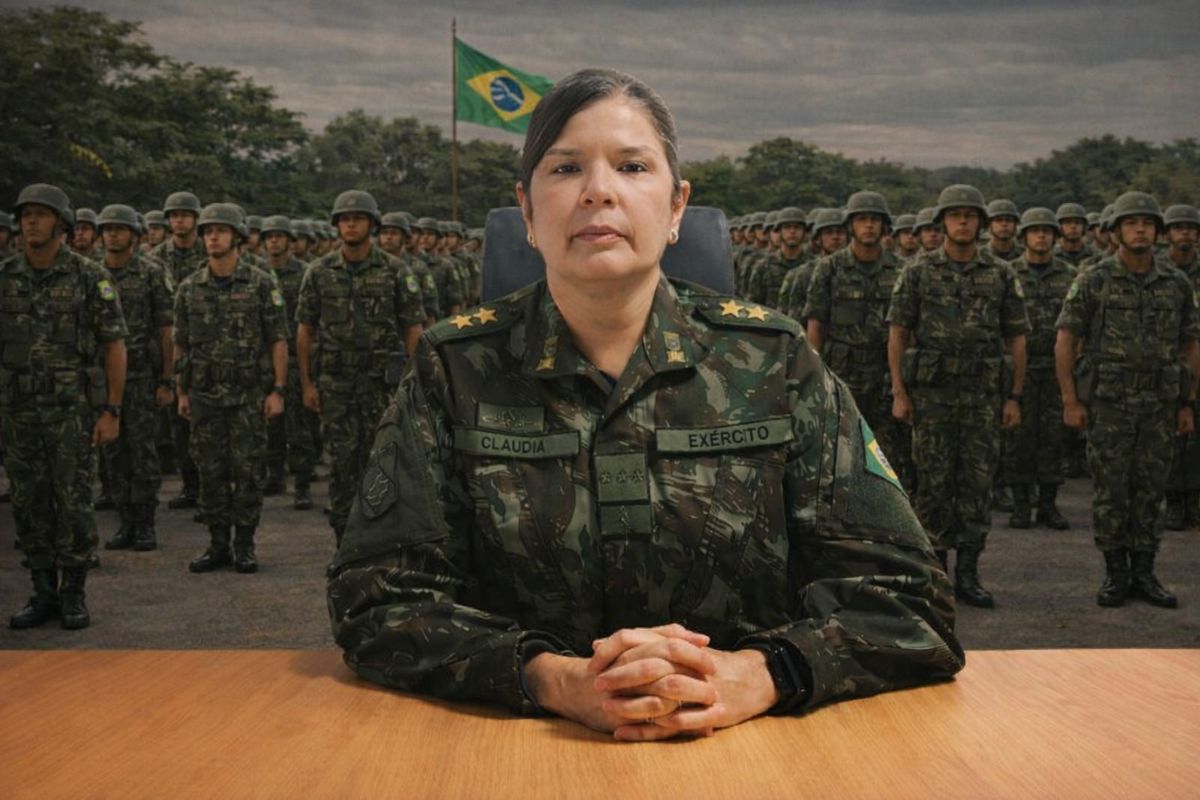
After 377 years of history, the Brazilian Army will have its first female general: Colonel Claudia Cacho has been promoted to brigadier general by Lula and will receive the sword and command baton this Wednesday in Brasília.
-
A Mercado Livre customer opened their package and found 32 resumes of people looking for jobs crumpled as protective paper inside the box, exposing names, addresses, documents, and phone numbers of dozens of candidates.

The risk of frostbite is constant. If skin is exposed for too long, blood vessels constrict, circulation decreases, and the water inside cells freezes, rupturing tissues. Local treatment for the onset of frostbite involves applying a mixture of aloe vera and alcohol, but the affected area must never be rubbed, as this would damage capillaries and cause severe wounds.
Architecture Against Eternal Ice
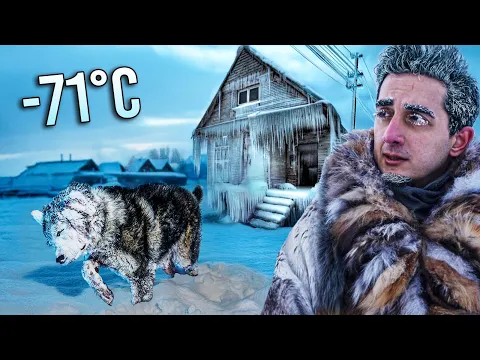

The buildings in Oymyakon follow specific engineering for thermal insulation. Houses are not built directly on the ground but on thick wooden beams to create a flat base over the permafrost. The walls have seven layers of materials, including wood, basalt wool, plaster, and insulating foam. The windows use triple glazing to create a vital barrier against temperatures that freeze to the bone.
Interestingly, the entrance to most houses has intentionally unheated rooms. These spaces serve as a buffering zone against the outdoor cold and act as natural refrigerators, where residents store milk and frozen meat. Due to the instant freezing of water in the pipes, there is no internal plumbing for bathrooms. Sanitary facilities are located outside in unheated cabins, where waste freezes immediately into solid columns.
Survival Diet and Raw Fish
As the frozen ground prevents the cultivation of vegetables or fruits, the diet in the coldest village on Earth is based almost exclusively on meat, which provides the necessary vitamins. The consumption includes horse meat, liver, and wild fish, often eaten raw and frozen. Fish, for instance, freezes seconds after being taken from the water and is consumed in thin slices with salt, with a texture reminiscent of ice.
The Yakut horse breed is fundamental for local subsistence. Unlike other breeds, they are shorter and have a robust body with a thick layer of fat and dense fur, which allows them to survive outdoors even at -70°C. Dairy cattle, on the other hand, require special care: the cows’ udders are wrapped in fabric to prevent the freezing of sensitive tissues when they walk to the river to drink water.
Water Logistics and Transportation
Obtaining drinking water is a labor-intensive process. Without running water, residents go to the frozen river, cut large blocks of blue ice, and transport them on sleds to their homes. These blocks are stored in yards and melted as needed for drinking, cooking, and bathing. The bathing ritual is weekly and laborious, taking about four to five hours to complete, involving melting ice and heating water on wood stoves.
The transportation infrastructure also suffers from the extreme climate. Cars left off in the open freeze completely within hours: the oil turns to sludge, the fuel solidifies, and the tires deflate due to the shrinkage of air molecules. To start a frozen vehicle, a defrosting process with jet heaters is necessary, which can take hours. Therefore, those with heated garages protect their vehicles there, and those without often have to leave the engine running for long periods if they intend to use the car again.
Routine continues even under extreme conditions: schools only cancel classes when the thermometer reads below -55°C. In Oymyakon, life is not about dominating nature but about respecting it and coexisting with its brutal rules.
Could you live in a place where the bathroom is outside at -60°C? Share your thoughts in the comments!




Todos deveríamos passar ao menos 24 horas lá, pra entender e respeitar a natureza e sua força.
Li tudo pra saber onde fica, mas essa informação BÁSICA foi negada na péssima construção desse texto!!! Impressionante!!!
Fica na Rússia.Mostrou o mapa no vídeo acima.
Aí eu me pergunto por que viver num lugar desses