





 Portuguese
  English
  Spanish
  4 min of reading
  1 comment





SIP Panels Can Replace Masonry and Light Slabs with Resistant Structure, Quick Assembly, and High Insulation. Technology Already Dominates Works in the US and Canada.
The SIP (Structural Insulated Panels), widely used in the US and Canada in residential homes, commercial buildings, and industrial warehouses, are finally arriving in Brazil as a structural solution capable of replacing traditional masonry and light slabs. The technology combines strength, speed of assembly, and superior thermal insulation, creating a construction system that can change the pace, cost, and performance of Brazilian works in the coming years.
According to the Structural Insulated Panel Association (SIPA), more than 100,000 buildings in North America use SIP, including single-family homes, schools, clinics, multi-story buildings, and modular structures. It is a mature, tested, and standardized technology, with specific standards, structural tests, and decades of operation in the extreme climate of the northern hemisphere.
How a SIP Panel Works and Why It Is More Efficient Than Masonry
The SIP is made up of a type of “structural sandwich” composed of:
-
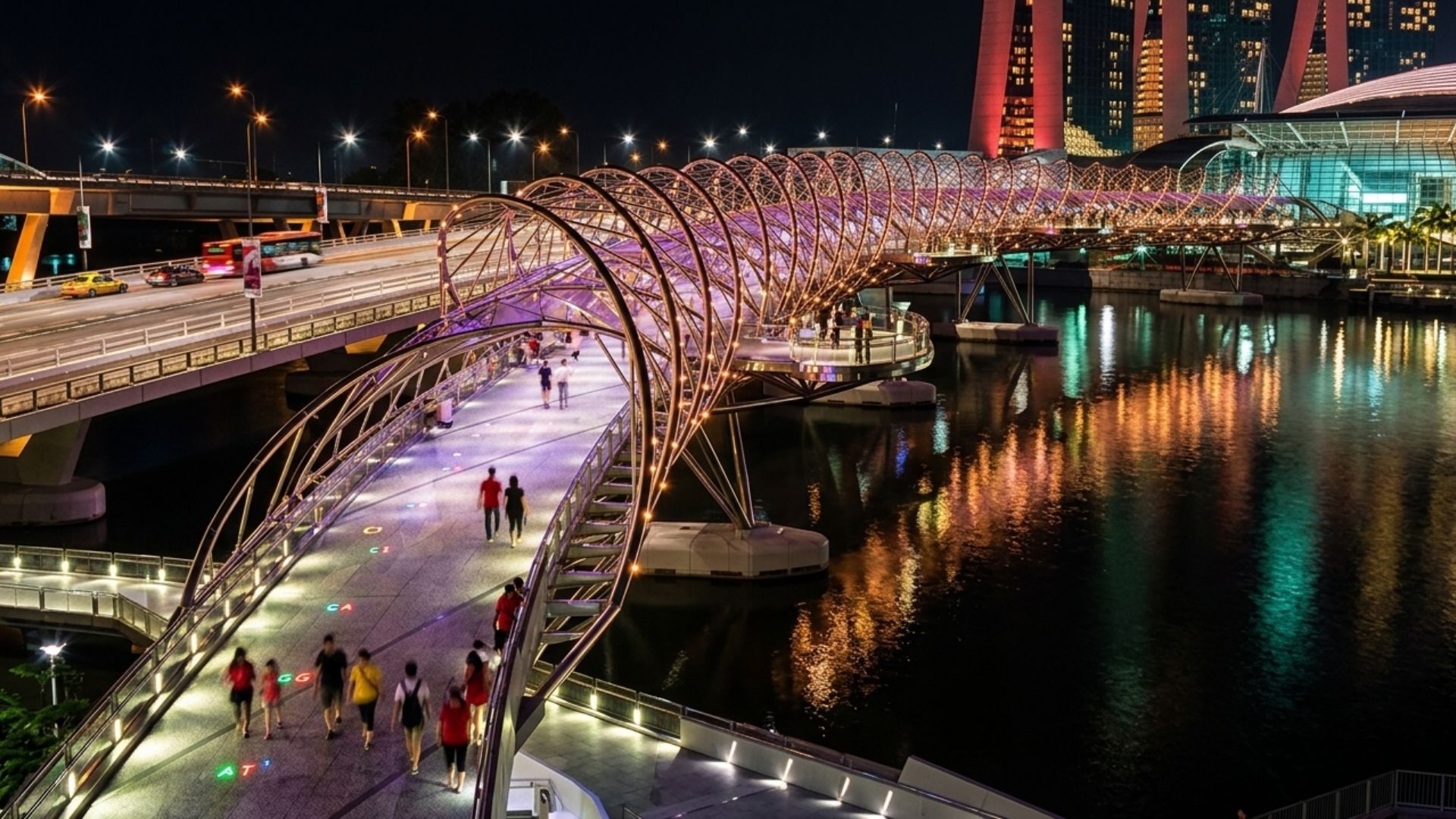
With a DNA shape, this bridge in Singapore draws attention in modern architecture and surprises tourists by transforming a simple crossing into an unforgettable visual experience in the urban heart.
-
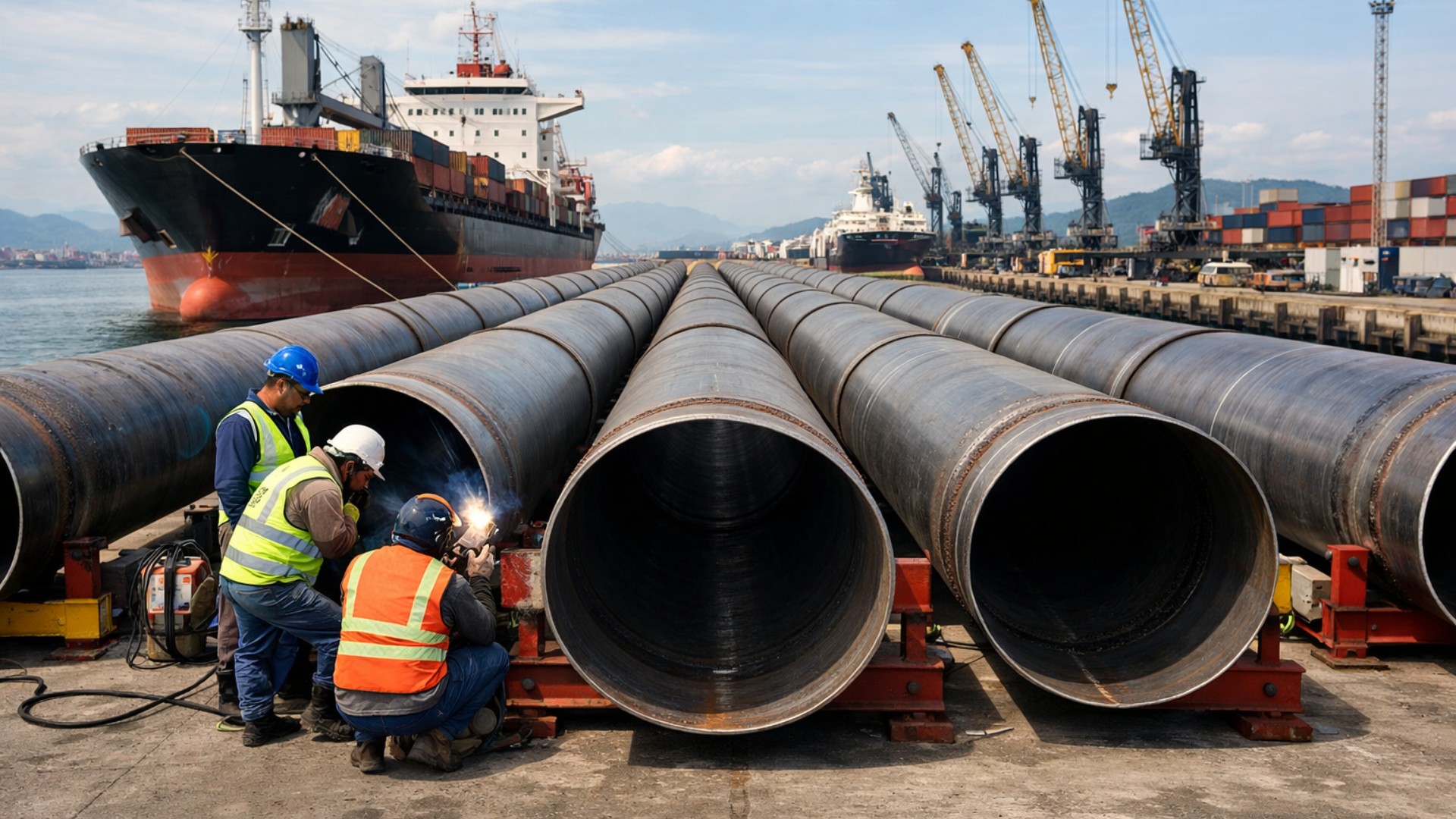
Giant underwater pipeline begins to take shape with a R$ 134.7 million project at the Port of Santos: the 1.7 km structure uses 12-meter and 700 mm pipes to supply water to 450,000 people in Guarujá.
-
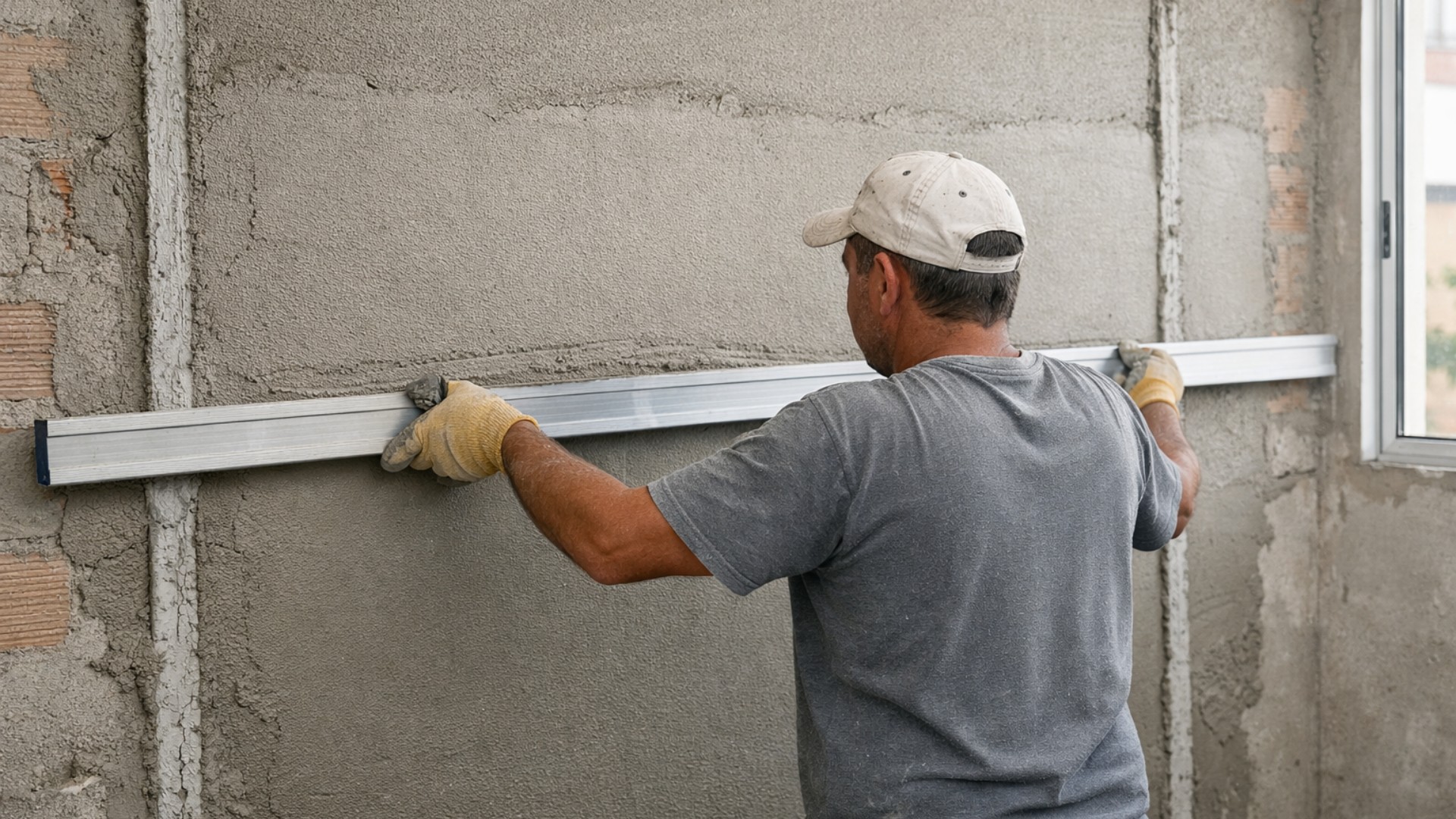
A mason reveals a professional plastering technique that uses aligned guides and a 3-meter ruler to plaster an entire wall in up to 3 hours, without visible seams, with uniform thickness, perfect plumb, and a finish ready for painting without rework.
-
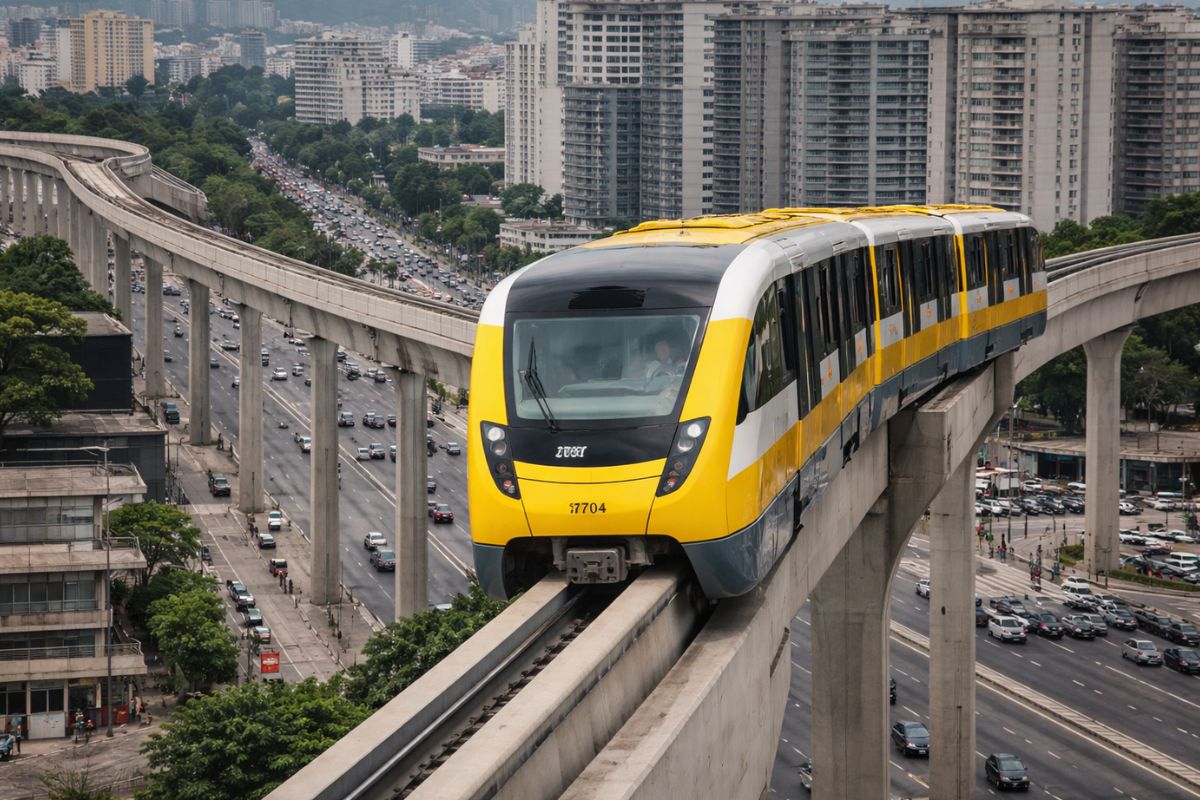
The project that was supposed to be ready for the 2014 World Cup in Brazil debuted with a 12-year delay and nearly R$ 6 billion invested: the Line 17-Gold of the São Paulo monorail opened with reduced hours and is only expected to operate fully in October.

- two outer structural OSB boards,
- a rigid insulation core (EPS or PU),
- industrial bonding in a press to form a monolithic piece.
This combination creates a panel that functions as a load-bearing structural element, replacing:
- external walls,
- internal walls,
- light slabs,
- intermediate floors,
- closure panels.


The stiffness of the assembly allows to span significant distances, support vertical and horizontal loads, and act as part of the stability of the building, eliminating columns and beams in various small and medium-sized projects.
Speed That Changes the Logic of the Work: Walls Raised in Hours
One of the most notable features of SIP is the speed of assembly. While a masonry wall can take days or weeks to be raised, aligned, skim-coated, plastered, and prepared for finishing, SIP panels arrive at the site ready for installation.
In practice:
- The walls of a single-story house can be assembled in less than a day.
- Complete two-story structures are ready in 48 to 72 hours.
- Since the pieces are precise, there is virtually no rework.
- The site remains cleaner, more organized, and predictable, reducing labor and waste.
This performance is well documented in reports from SIPA, which show that construction with SIP can reduce total construction time by 30% to 60%.
Thermal Insulation and Energy Efficiency Much Above Traditional Methods
The EPS or PU core inside the panel functions as a continuous thermal insulator, something difficult to achieve in conventional walls.
This means:
- less heat exchange,
- lower air conditioning costs,
- more stable thermal comfort,
- better acoustic performance.
This insulation standard is one of the main reasons why SIPs have become dominant in regions with extreme cold, such as Canada and the northern US, but also provides clear advantages in hot climates like Brazil, reducing internal temperatures and energy consumption in residential and commercial buildings.

Structural Strength Proven by American Standards
The SIPs comply with specific standards from American engineering, such as:
- ANSI/APA PRS 610.1 — structural standards for SIP panels;
- ASTM E72 — load tests;
- ASTM E84 — flame spread;
- ASTM E119 — fire resistance.
Official tests show that the panel acts as a “monolithic box,” with high load capacity and rigidity, allowing its use in:
- residences,
- schools,
- small commercial buildings,
- mezzanines,
- industrial modular constructions,
- low-cost housing units.
In other words, it is not a lightweight and fragile solution; it is a system with real structural weight, established in regions with snow, strong winds, and extreme thermal variations.
A Real Alternative to Masonry and Light Slabs Used in Brazil
SIPs are beginning to emerge as an alternative in Brazil for three main reasons:
- Scarcity of Specialized Labor — the panels reduce the need for large teams.
- Increasing Cost of Traditional Masonry — SIP reduces steps and materials.
- High Demand for Quick Works — condominiums, modulars, housing, commercial and multifamily units.
Additionally, as the panel functions as a wall and insulation at the same time, it eliminates several steps in conventional construction, from plastering and plastering to part of the internal finishing.
A Technology That Can Redefine the Brazilian Market in the Coming Years
While in North America SIPs are already part of the construction culture, in Brazil the technology is still taking its first steps, but with strong growth potential.
The combination of speed, superior thermal performance, reduction of labor, and the possibility of replacing masonry and light slabs positions SIP panels among the most promising solutions for a market seeking productivity and industrialization.
With more companies starting to manufacture panels in the country and technical standards in development, the trend is clear: SIPs could become a new Brazilian construction standard, repeating the path they have already followed in the US and Canada.








Excelente. A Bulltrade é fabricante dos paineis SIP presente no vídeo, a disposição para participar de projetos e iniciativas.