





 Portuguese
  English
  Spanish
  5 min of reading
  1 comment


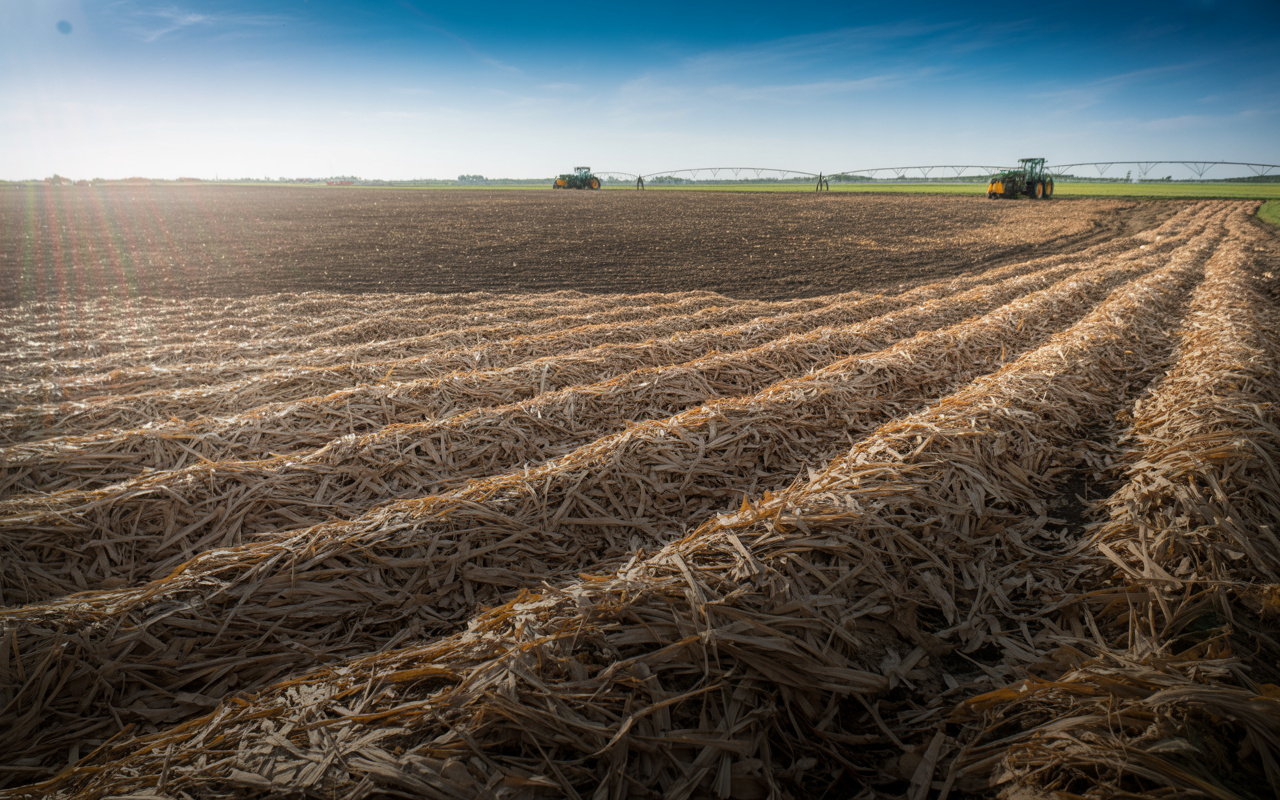


Sugar Cane Residues Are Being Used in Brazil, India, and Thailand to Reduce Evaporation, Save Water, and Increase Agricultural Efficiency Without Extra Irrigation.
For decades, sugar cane harvest residues were seen only as agricultural byproducts or even an operational problem. In many producing regions, the common practice was to burn the straw to facilitate manual cutting and soil management. This scenario began to change radically in recent years, as leading sugar cane producing countries started transforming these residues into one of the most effective tools of modern agriculture to save water, stabilize the soil, and reduce productive losses on a continental scale.
Today, Brazil, India, and Thailand are leading a silent yet highly technical movement based on the use of sugar cane straw as a soil mulch. This practice, supported by robust scientific data, has shown evaporation reductions ranging between 20% and 40%, a decrease in soil temperature of up to 6 °C, and water savings exceeding 25% in both irrigated and rain-fed systems. In a world pressured by more frequent droughts and rising irrigation costs, these numbers place cane straw at the center of the 21st-century agricultural strategy.
What Is Sugar Cane Straw and Why Has It Become Strategic
Straw is composed of dry leaves, tips, and plant residues that remain in the field after the mechanized harvest of sugar cane. In modern farming, this volume can exceed 10 to 15 tons of dry matter per hectare, forming a thick layer over the soil.
-
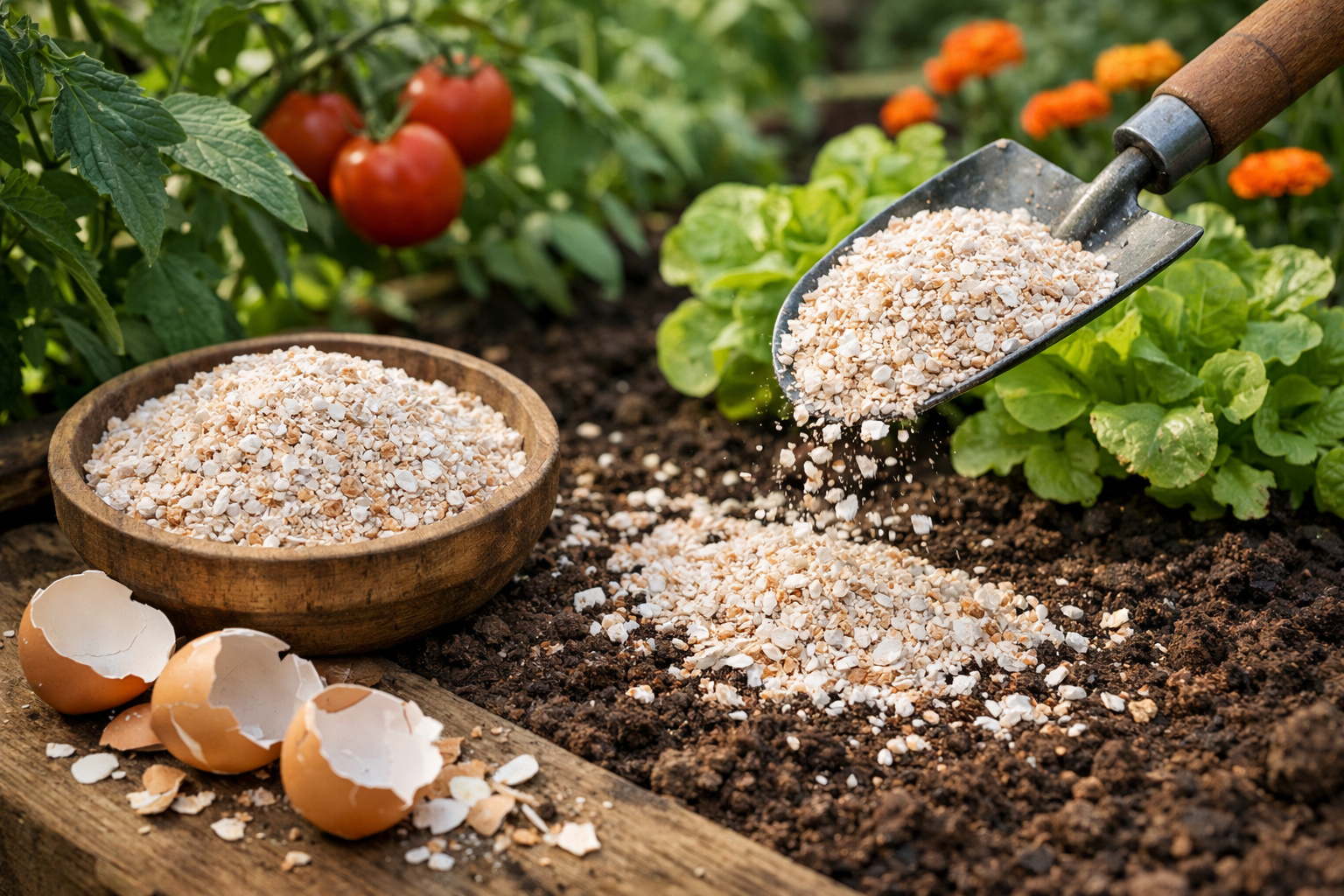
The eggshell that almost everyone throws away is made up of about 95% calcium carbonate and can help enrich the soil when crushed, slowly releasing nutrients and being reused in home gardens and vegetable patches.
-
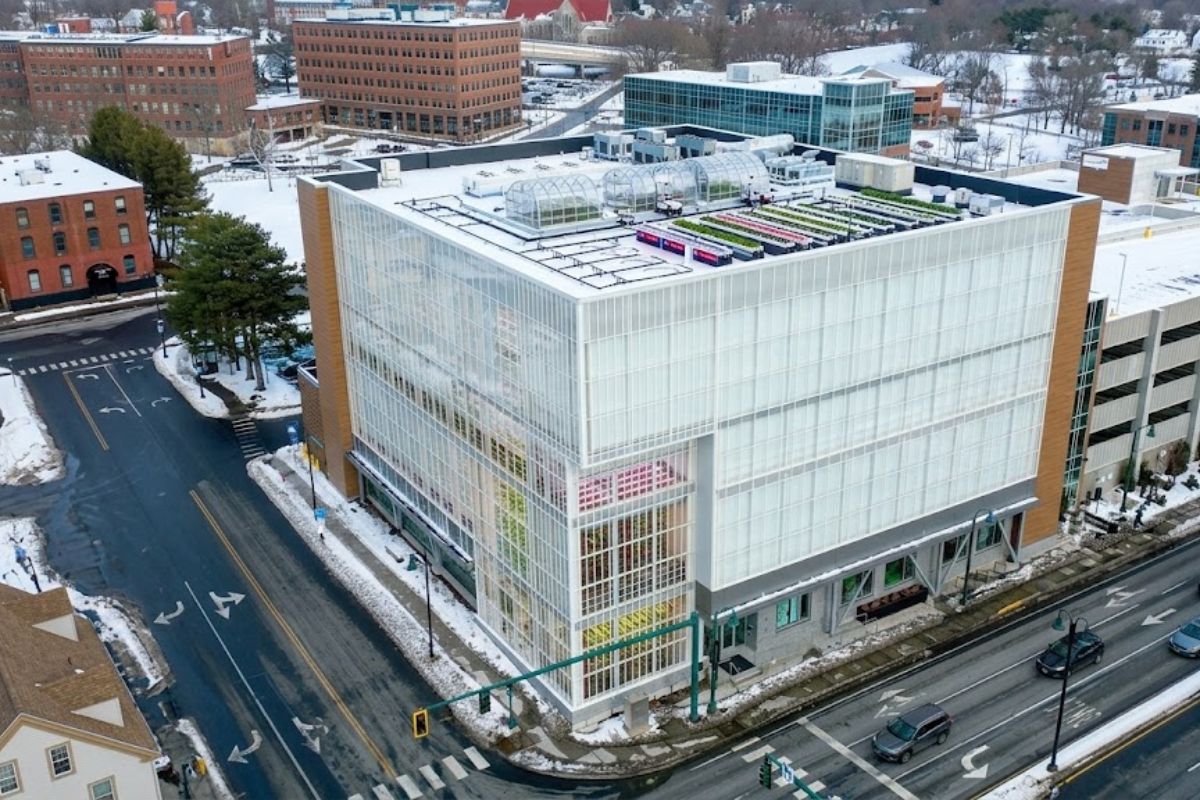
This farm in the United States does not use sunlight, does not use soil, and produces 500 times more food per square meter than traditional agriculture: the secret lies in 42,000 LEDs, hydroponics, and a system that recycles even the heat from the lamps.
-
The water that almost everyone throws away after cooking potatoes carries nutrients released during the preparation and can be reused to help in the development of plants when used correctly at the base of gardens and pots, at no additional cost and without changing the routine.

-
The sea water temperature rose from 28 to 34 degrees in Santa Catarina and killed up to 90% of the oysters: producers who planted over 1 million seeds lost practically everything and say that if it happens again, production is doomed to end.


Unlike burning, which quickly eliminates this material, maintaining the straw creates a continuous cover that acts as a physical barrier against direct solar radiation and wind.
This simple mechanical effect is the starting point for a series of physical, chemical, and biological transformations in the soil, with direct impacts on water retention and agricultural productivity.
How Cane Straw Drastically Reduces Soil Evaporation
Evaporation occurs when water present in the upper layers of soil is heated and transferred to the atmosphere. In tropical and subtropical areas, where sugar cane plantations are concentrated, this process is extremely intense.
The straw acts as a thermal shield, reducing direct sunlight incidence and keeping moisture in the upper profile for a longer time.

Studies published in journals such as Agricultural Water Management show that areas covered with cane straw exhibit evaporation reduction between 20% and 40%, depending on the thickness of the cover and local climatic conditions.
In practical terms, this means that rainwater or irrigation remains available for more days, reducing irrigation frequency and plants’ water stress.
Lower Soil Temperature and More Efficient Roots
Another critical effect of covering with cane residues is the thermal regulation of the soil. In uncovered soils, temperatures can easily exceed 45 °C on hot days, compromising microbial activity and root growth.
The straw reduces this thermal peak, with measurements indicating drops of up to 6 °C in average soil temperature.
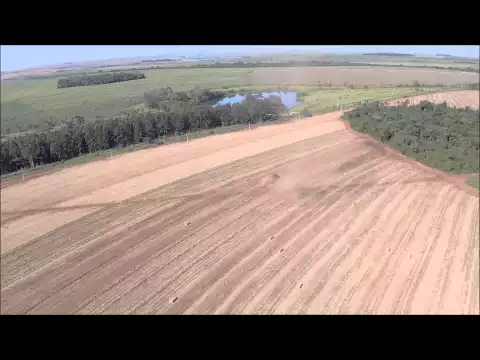
This relative cooling creates a more stable environment for the roots, favoring the absorption of water and nutrients. In regions where excessive heat limits root development, this thermal difference can be decisive for maintaining productivity throughout the harvest.
Water Savings on an Agricultural Scale and Direct Impact on Costs
When lower evaporation and better moisture retention are combined, the result is a significant reduction in irrigation needs. Field trials in Brazil, India, and Thailand indicate water savings of over 25%, both in furrow irrigation systems and in center pivots and drip irrigation.
This saving has a direct impact on operational costs, especially in regions where electricity costs for pumping are high or where water availability is limited. In some areas, producers report the ability to reduce irrigation cycles without loss of productivity, something unthinkable just a few decades ago.
Biological Benefits: Microorganisms, Organic Matter, and Soil Structure
In addition to the physical effects, straw acts as a gradual source of organic matter. As it decomposes, it feeds soil microorganisms, increasing biological activity and improving physical structure. Covered soils exhibit greater aggregation, lower compaction, and higher water infiltration capacity.
These factors reduce erosion, a chronic problem in sugar cane areas cultivated on hilly terrain. The straw also contributes to nutrient cycling, gradually releasing nitrogen, potassium, and other essential elements throughout the crop cycle.
Brazil: From Environmental Villain to Technical Reference
In Brazil, the transition from burning to mechanized harvest without fire was driven by environmental legislation and technological advances.
The country has become one of the world’s largest showcases for the large-scale use of straw, with millions of hectares adopting permanent soil cover.
Research conducted by EMBRAPA demonstrates consistent gains in moisture retention, productive stability, and cost reduction over multiple harvests. In regions prone to dry spells, the presence of straw has been crucial in preventing abrupt drops in productivity.
India and Thailand: Adaptation in Water Scarcity Scenarios
In India and Thailand, where sugar cane is cultivated in densely populated areas with significant pressure on water resources, straw has become regarded as a strategic tool for agricultural survival.
Rural extension programs encourage producers to keep residues in the field, replacing old practices of removal or burning.
In these countries, the water savings exceeding 25% gain even more relevance as they reduce conflicts over water usage between agriculture, human consumption, and industry. In some regions, adopting mulch has become public policy, integrated into sustainable management programs.
A Simple Solution to a Global Problem
In a context of climate change, with increasing frequency of droughts and greater unpredictability of rains, sugar cane straw solidifies as a low-cost, high-efficiency, and immediate impact solution. It does not require complex infrastructure, does not depend on imported inputs, and can be applied on millions of already cultivated hectares.
What was once treated as waste has become a strategic asset. By reducing evaporation, regulating soil temperature, and saving water on a large scale, covering with cane residues redefines the role of tropical agriculture in facing the global water crisis.
The question that is starting to arise is no longer whether this practice works, but why other crops and regions have not yet widely adopted such simple and proven solutions.








Mas isso a Embrapa já recomenda a anos