





 Portuguese
  English
  Spanish
  5 min of reading
  0 comments


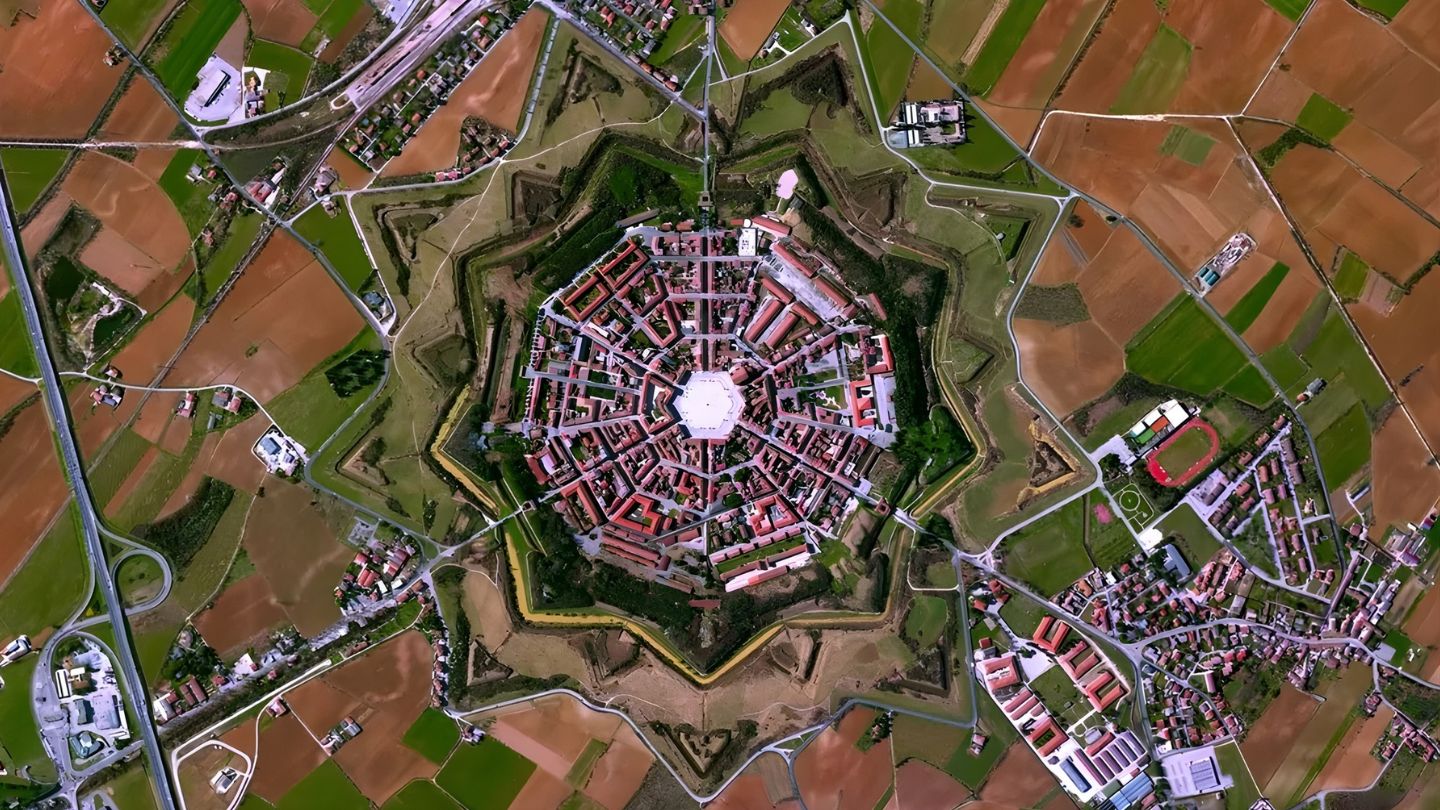
Palmanova, in Italy, was built as a star-shaped fortress city with 9 points and three defensive rings.
In 1593, the Republic of Venice began the construction of Palmanova, in the current region of Friuli-Venezia Giulia, in northeastern Italy, giving rise to one of the most unique urban experiences of the European military Renaissance. Conceived as a fortress city to defend the eastern borders of the Serenissima, Palmanova was born within the logic of alla moderna fortifications, in a context of tensions with the Ottoman Empire and military pressure on the Venetian frontier.
Unlike cities that grew organically over the centuries, Palmanova was planned from the outset as a rigorously controlled geometric structure. According to information from the official tourism portal Visit Palmanova, its layout preserves the shape of a 9-point star, organized by three concentric belts of fortifications, in a rare synthesis of military engineering, Renaissance urbanism, and geometric calculation applied to defense.
The level of precision of this project remains evident even today: viewed from above, the city retains an extraordinarily intact geometric configuration, to the point of being recognized as one of the most emblematic models of military architecture of the modern era. Not by chance, Palmanova is part of the UNESCO site dedicated to Venetian defensive works from the 16th and 17th centuries, precisely for clearly representing the technical and visual sophistication of this fortified system.
-
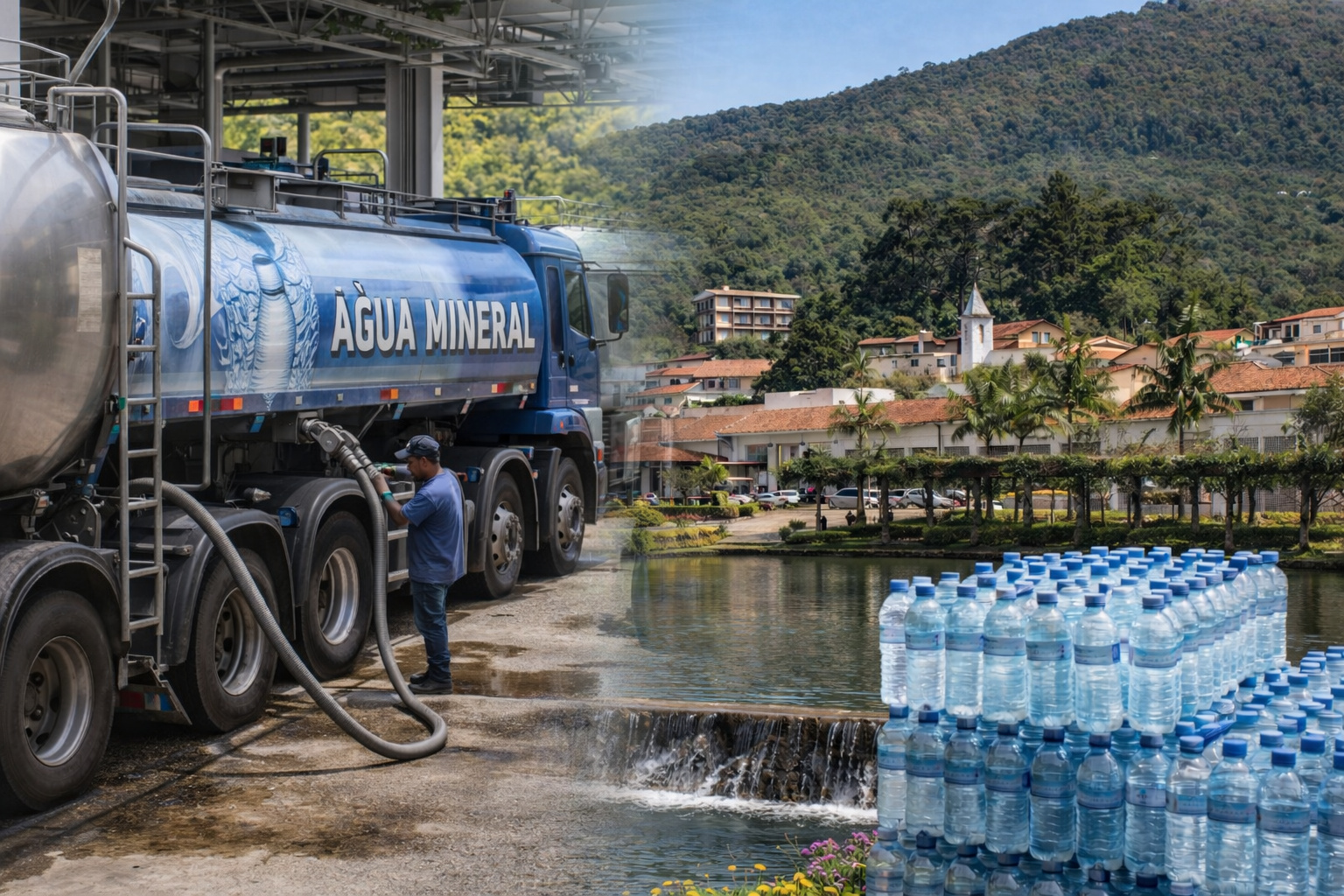
Amidst calm landscapes and a peaceful pace of life, a town in the interior of São Paulo holds a secret that impresses experts: it produces almost half of Brazil’s mineral water.
-
Meta is preparing a historic update for WhatsApp that promises to forever change the way we communicate via mobile.

-
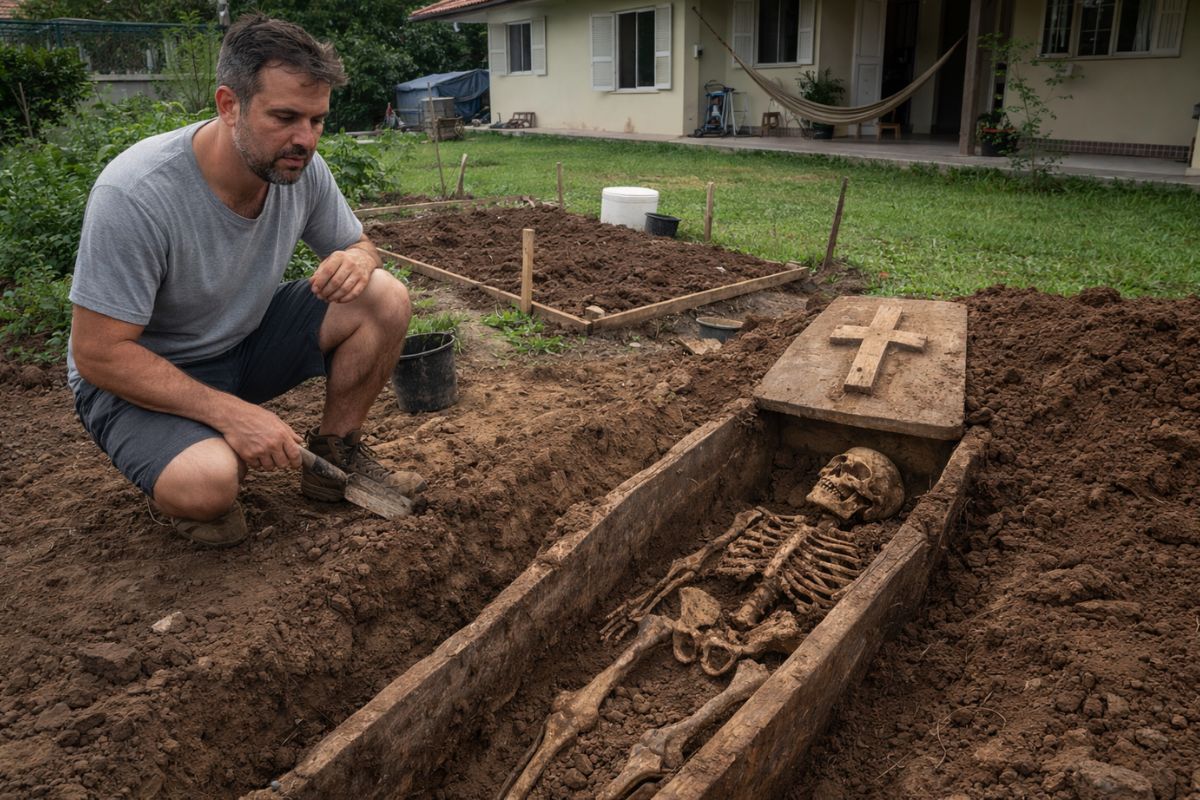
A man moved into a new house in Santa Catarina, waited a week, decided to make a garden in the backyard, started digging the soil, and found a handmade coffin with a cross fixed on it and a human skeleton inside, and even after that, he continues to live there.
-
Russian engineer surprises the world by presenting a gravitational motor invention with a rotor registered in 2026, capable of generating continuous rotation without fuel.
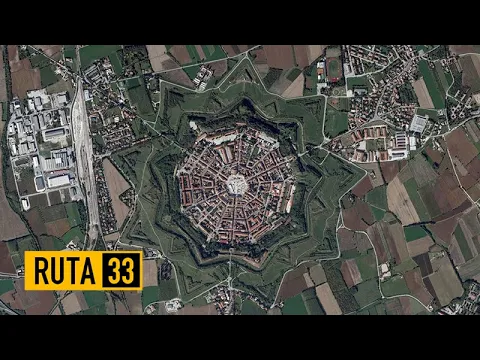
9-point star structure and three defensive rings define the urban design of Palmanova
The most striking element of Palmanova is its star shape. This type of architecture, known as “bastioned fortification,” was developed to withstand the advance of modern artillery of the time, especially cannons.
The city has:
- 9 main bastions forming the points of the star
- three concentric defensive rings
- system of moats, ramps, and walls
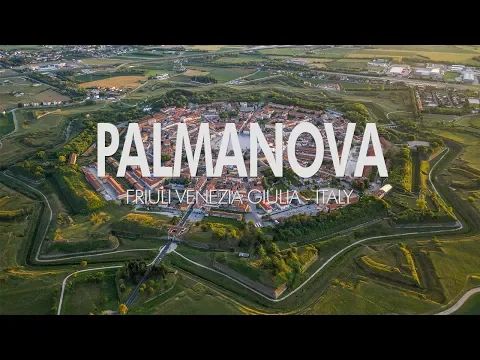

This configuration allowed defenders to have full visibility of the surroundings and eliminate blind spots, increasing military efficiency.
The three defensive rings create successive layers of protection, making the city extremely difficult to invade by the standards of the 16th century, especially when compared to traditional medieval fortifications.
Walls of about 7 km completely surround the city and reinforce the defensive system
Another relevant technical detail is the length of the walls. The complete perimeter of Palmanova’s defensive structure reaches approximately 7 kilometers, forming a continuous ring around the city. These walls were not just physical barriers, but part of an integrated system that included:
- moats with water
- sloped earthworks
- artillery platforms
The combination of these elements made it difficult for enemy troops to advance and increased the time required for any siege attempt.

The engineering involved in the construction of these walls demonstrates an advanced level of military and architectural knowledge for the time, aligned with the most modern principles of the Renaissance.
Radial urban planning connects hexagonal center to the fortress gates
Inside the city, the planning follows the same level of geometric precision. From a central hexagonal square, radial streets extend towards the main gates of the fortress. This design creates a highly efficient internal organization, allowing:
- rapid troop mobility
- balanced distribution of urban space
- visual control of the roads
The internal symmetry directly reflects the military logic of the project, where each element was positioned based on strategic function and not just aesthetics. This type of urban planning is considered one of the clearest examples of Renaissance ideal city.
Palmanova was built to be an inhabited city and not just a military fortress
Unlike many fortifications of the time, Palmanova was not designed solely as a defensive structure. The intention of the Republic of Venice was to create a functional city capable of housing a civilian population. For this, the following were planned:
- residential spaces
- commercial areas
- urban infrastructure
However, the initial occupation was a challenge. The city did not attract residents spontaneously, and Venice had to offer incentives, including amnesties and benefits, to stimulate settlement.
This aspect shows that, despite the geometric perfection, human adaptation to the planned space did not always occur immediately, revealing the limits of idealized urbanism.
City remains preserved and is recognized as a World Heritage site by UNESCO
Over the centuries, Palmanova has maintained much of its original structure. This preservation allowed the city to be recognized as a World Heritage site by UNESCO in 2017, within the set of Venetian fortifications.
The recognition highlights:
- integrity of the defensive system
- historical and architectural value
- importance in the development of military engineering
The preservation of the original layout makes Palmanova one of the most complete examples of Renaissance fortress city still existing, keeping its geometric configuration practically intact.
Aerial view reveals one of the most precise urban forms ever built by humans
When viewed from above, Palmanova stands out immediately. Its star shape is so defined that the city looks like a technical drawing applied directly to the ground.
This type of visualization reinforces the uniqueness of the project. While most cities exhibit irregular growth, Palmanova maintains a rigid and symmetrical structure.

The geometric clarity of the city makes it one of the most impressive examples of how human engineering can shape space with almost mathematical precision, something rare even today.
Model of Palmanova influenced military and urban architecture in Europe
The concept applied in Palmanova influenced other constructions over the centuries. The star fortification model was widely adopted in different regions of Europe, especially during the 16th and 17th centuries.
This type of architecture became standard for:
- military fortresses
- planned cities
- strategic defensive structures
The Italian city established itself as a reference in the development of modern defensive systems for the time, marking an important transition between medieval architecture and Renaissance military engineering.
Palmanova shows how mathematics, war, and urbanism united to create a unique city
The main characteristic of Palmanova is the integration of different areas of knowledge. The project combines mathematics, engineering, architecture, and military strategy into a single urban structure.
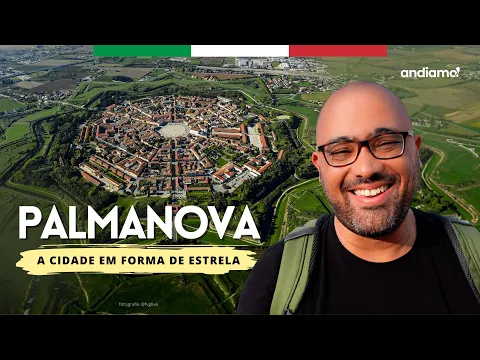
This convergence of factors resulted in a city that not only fulfilled defensive functions but also represented an ideal of rational organization of space. The precision of the design and the logic behind its construction make Palmanova one of the clearest examples of urban planning based on scientific principles, something that remains relevant today.
Do planned cities with geometric precision still make sense in the modern world?
Palmanova remains a rare example of a city built based on mathematical logic and clear military objectives. Its perfect shape, visible from above, shows that urban space can be designed with a level of control rarely seen in history.
In your view, could this type of rigid planning work in current cities, or is organic growth still more efficient?





Seja o primeiro a reagir!