





 Portuguese
  English
  Spanish
 4 min of reading
  0 comments


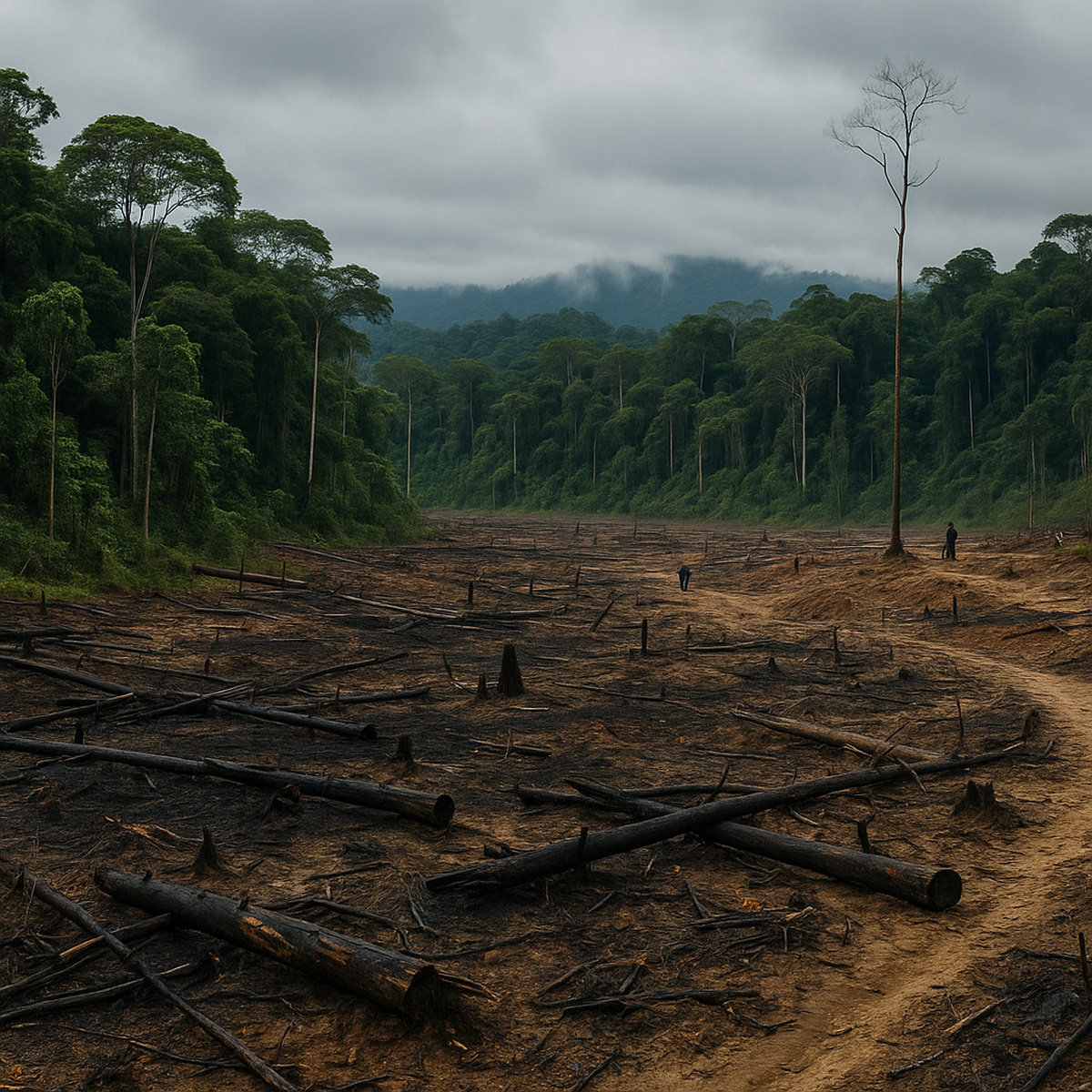
A Scientific Warning About Accelerated Degradation and Global Impacts Gains Attention at COP30 Held in Belém
On November 18, 2025, during COP30, held in Belém (PA), climatologist Carlos Nobre highlighted that the Amazônia could lose up to 70% of its forest cover if global warming exceeds 2°C.
According to the expert, deforestation associated with warming tends to significantly increase the risk of new pandemic outbreaks globally.
Consequently, this warning reinforces the urgency of the international debate.
During the event, which was attended by President Luiz Inácio Lula da Silva, new proposals were discussed to curb the accelerated degradation of the forest.
Thus, the scientists structured a roadmap aimed at environmental policies for the next four years.
The plan seeks to enhance commitments made previously at COP28, held in Dubai in 2023.
Scientific Investigation Reveals Unprecedented Risk
The warning gained strength because, as Carlos Nobre explained, the Amazônia has already lost 18% of its vegetation.
Thus, exceeding the range of 25% to 26% could trigger an irreversible degradation process.
According to him, this critical point is dangerously close.
-
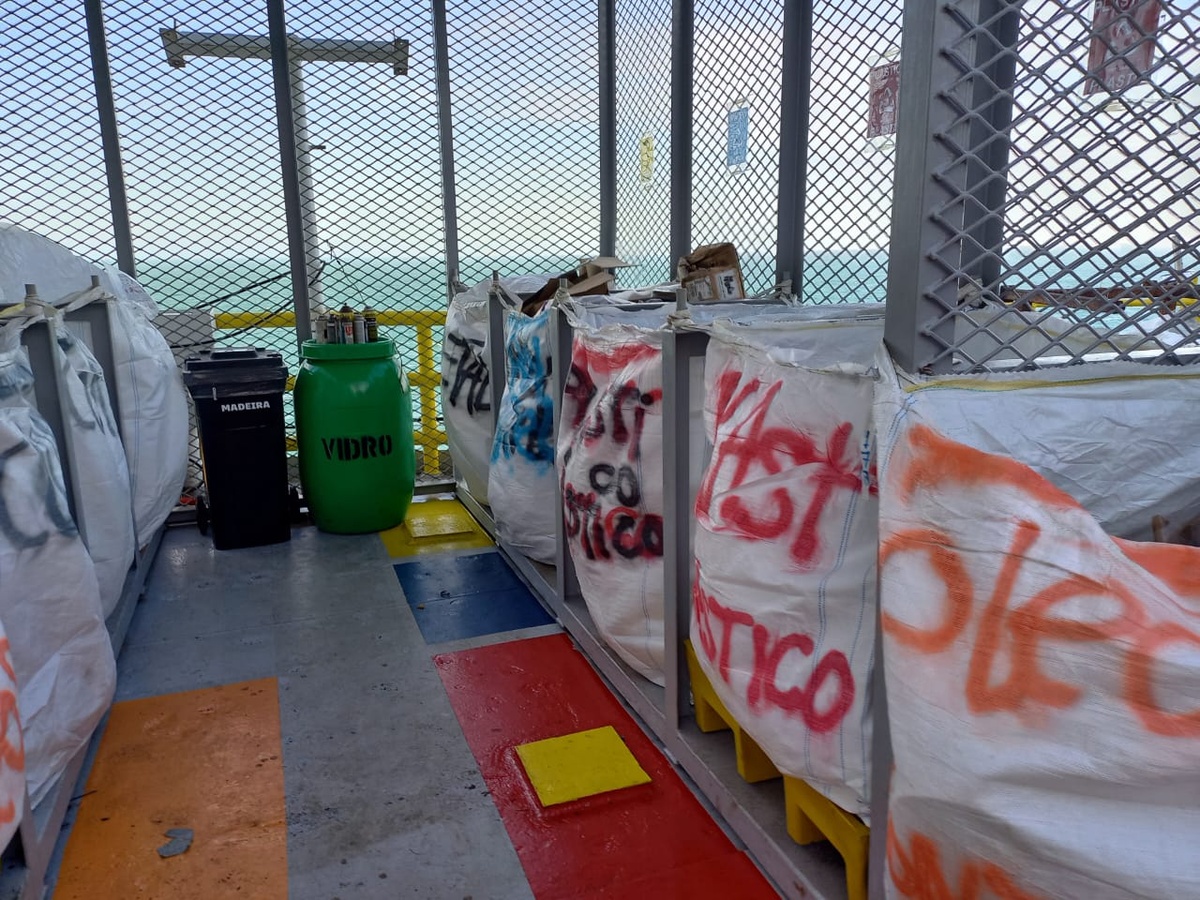
Foresea achieves 100% offshore waste reuse in 2025, eliminates landfill disposal, and consolidates sustainable strategy with 1,500 tons recycled.
-
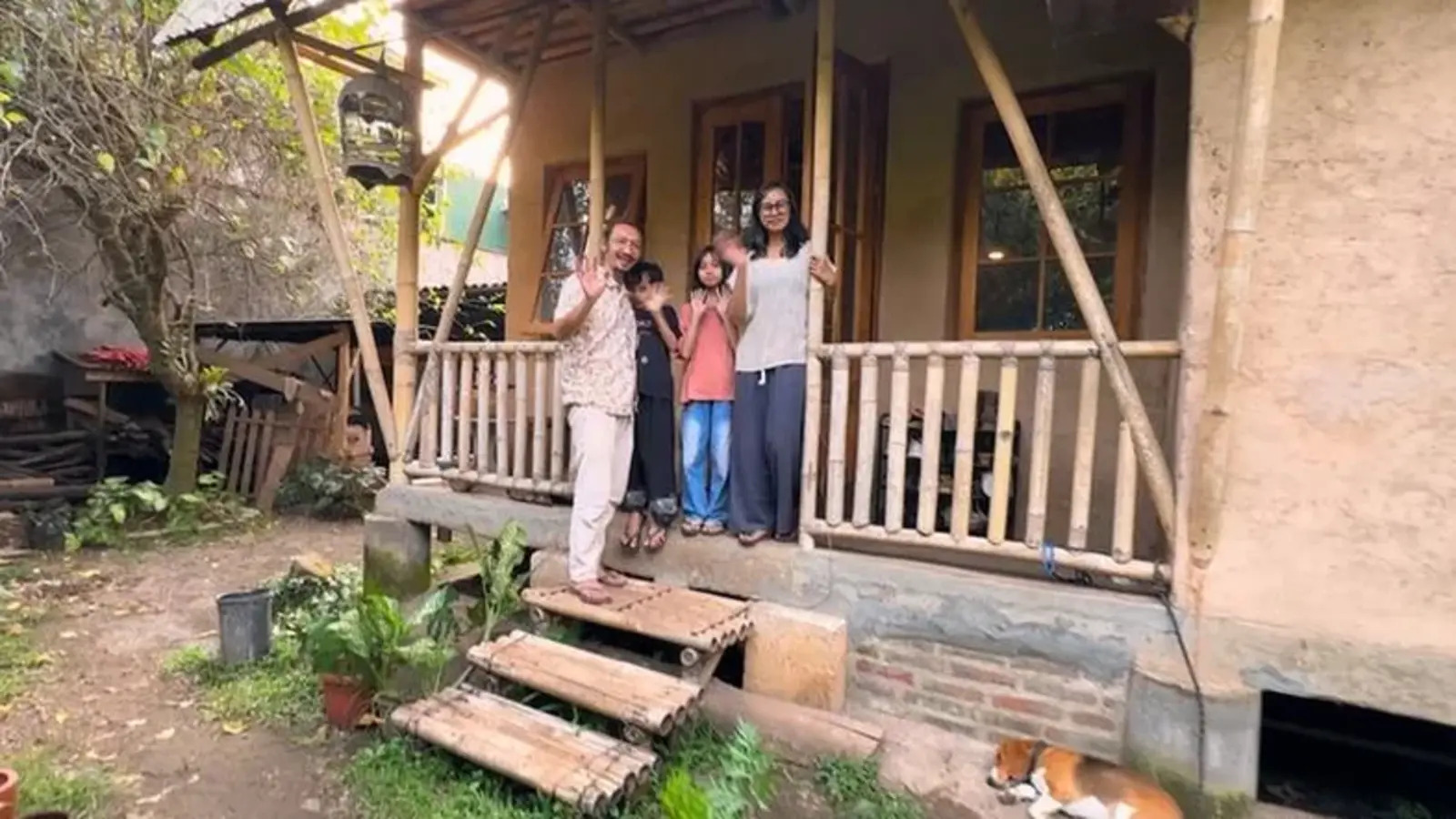
With earth, bamboo, straw, and lime mortar, a specialist builds a house for just over $460 and draws attention for its cost being much lower than traditional construction.
-
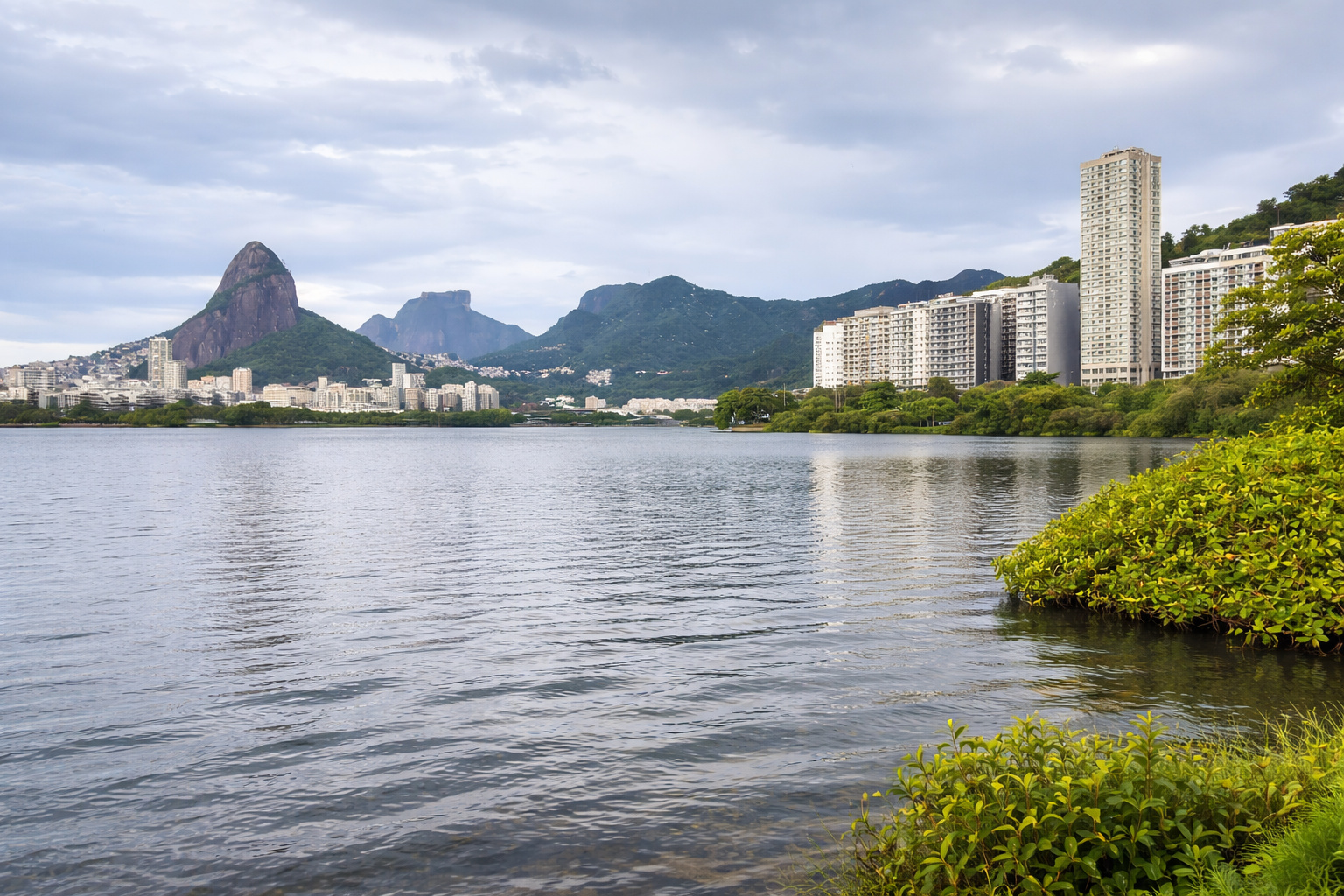
Rodrigo de Freitas Lagoon advances in environmental recovery with sanitation, elimination of irregular sewage, and the resumption of water sports in Rio de Janeiro.
-
Sustainable housing gains strength with a nationally awarded project in Campo Grande, highlighting innovative solutions that combine sustainability, urban integration, and efficiency in the use of natural resources.

The scientific estimates presented at COP30 indicate that if the limit is surpassed, the forest could release more than 250 billion tons of carbon.
Consequently, this phenomenon would worsen global warming and increase the chances of epidemics and pandemics on a global scale.
The data disclosed by Nobre, based on research consolidated since 2023, shows that the combination of deforestation and rising temperatures creates favorable conditions for the emergence of new pathogens.
During the conference, a strategic roadmap was defined to try to reverse the devastation in the next four years.
Thus, the goals should strengthen the commitments made during COP28.
Environmental and Social Impacts of the Advancement of Degradation
The risk of the Amazônia losing up to 70% of its forest cover if the planet warms by 2°C has brought urgency to the international debate.
Authorities highlight that the global average temperature is very close to exceeding 1.5°C, a threshold identified in climate reports since 2024.
The Director-General of WWF International, Kirsten Schuijt, emphasized that the accelerated loss of the forest threatens essential ecosystem services responsible for regulating climate, water, biodiversity, and planetary balance.
She highlighted that tropical forests account for the majority of deep deforestation recorded globally.
According to Schuijt, this edition of COP saw the highest Indigenous participation in history.
Thus, leaders called for an end to deforestation and the restoration of degraded areas, aligned with the goals advocated by scientists and environmentalists.
Race Against Time Intensifies Disputes and Pressures
Although the focus is on climate diplomacy, the pressure for immediate results grows with each meeting.
Researchers state that if the goal of zeroing deforestation is not met, health and environmental risks could multiply rapidly.
In the meantime, the demands presented by Indigenous peoples, researchers, and international organizations demonstrate global concern about the impacts of Amazonian degradation over the coming decades.
Consequently, environmental authorities warn that any delay could compromise the forest’s ability to regulate the planet’s climate.
This scenario, in turn, would intensify social and economic effects in various regions of the world.
International Planning to Avoid Environmental Collapse
To curb destruction, experts assert that it will be necessary to strengthen enforcement strategies and expand bilateral agreements.
It will also be essential to create stricter climate governance mechanisms, widely discussed during COP30.
Although there is still no consensus on the timeline for implementing the new directives, authorities and scientists stress that all future measures must be rigorously monitored.
Thus, these actions must follow technical, social, and environmental criteria.
This stance aims to prevent the Amazônia from repeating the same fate as other tropical biomes that have been degraded in recent decades.
Above all, experts emphasize that swift and coordinated decisions are fundamental.
The Amazônia in a Global Context
The warning presented by Carlos Nobre adds to warnings made over recent years about the growing risk of climate collapse.
Research indicates that the planet is going through a phase of continuous environmental instability.
Consequently, this increases international responsibility for the preservation of key areas such as the Amazônia.
Experts stress that decisions made today can, therefore, define the planet’s climatic future for the coming generations.
What Does the Future Hold for the Amazônia?
Researchers assess that halting deforestation and restoring degraded areas are urgent challenges.
Simultaneously, combating the advancement of climate change requires integrated and coordinated actions.
The tensions between economic interests, political disputes, and environmental needs reveal the complexity of the Amazonian issue.
Consequently, the Brazilian government, according to authorities present at COP30, will have to balance environmental protection and economic development.
The goal is to ensure that the forest continues to play its vital role in the global climate system.
And you, do you believe that preserving the Amazônia immediately should be a top priority, even considering the political and economic costs, or do you think a slower and more gradual approach is the safest path for the country?







Seja o primeiro a reagir!