





 Portuguese
  English
  Spanish
  4 min of reading
  0 comments


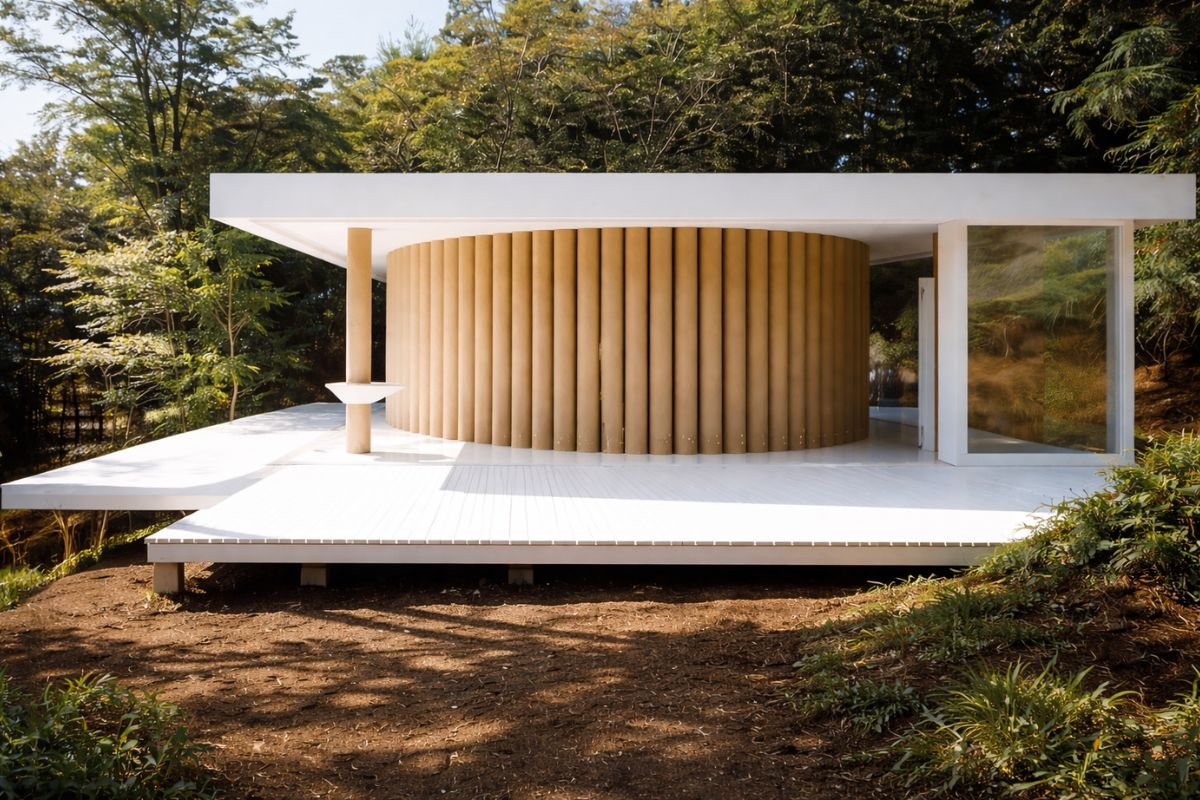
Paper houses are made of 106 millimeter recycled cardboard tubes on a base of beer boxes filled with sand and can be assembled in less than six hours by eight people without machines or specialized labor costing only US$ 2 thousand per unit with 100% recyclable materials.
Paper houses that withstand earthquakes, last for years, and cost less than a high-end smartphone. It seems unlikely, but it is exactly what Japanese architect Shigeru Ban, winner of the 2014 Pritzker Prize, has been building around the world since 1995. According to information from the portal cronista, paper houses are made from recycled cardboard tubes, measure 4 by 4 meters, cost about US$ 2 thousand per unit, and can be assembled in less than a day by ordinary people, without any heavy equipment or technical training. Some of these structures have already lasted over a decade.
The invention arose from the most urgent need possible. After the Kobe earthquake in 1995, over 300,000 people were left homeless in Japan. Ban, through his NGO Voluntary Architects’ Network, designed the paper houses as an alternative to traditional emergency tents, offering solid structure, natural ventilation, and resistance to aftershocks for a fraction of the cost of conventional temporary housing. Since then, the model has been replicated in Turkey, India, Rwanda, Kosovo, and even during the Maui fires in 2023.
What are paper houses made of and why do they work

The main material is recycled cardboard tubes with a diameter of 106 millimeters and a thickness of 4 millimeters. These tubes, which Ban calls “paper logs,” form the walls of the paper houses and are surprisingly strong when combined with horizontal reinforcement from steel bars.
-
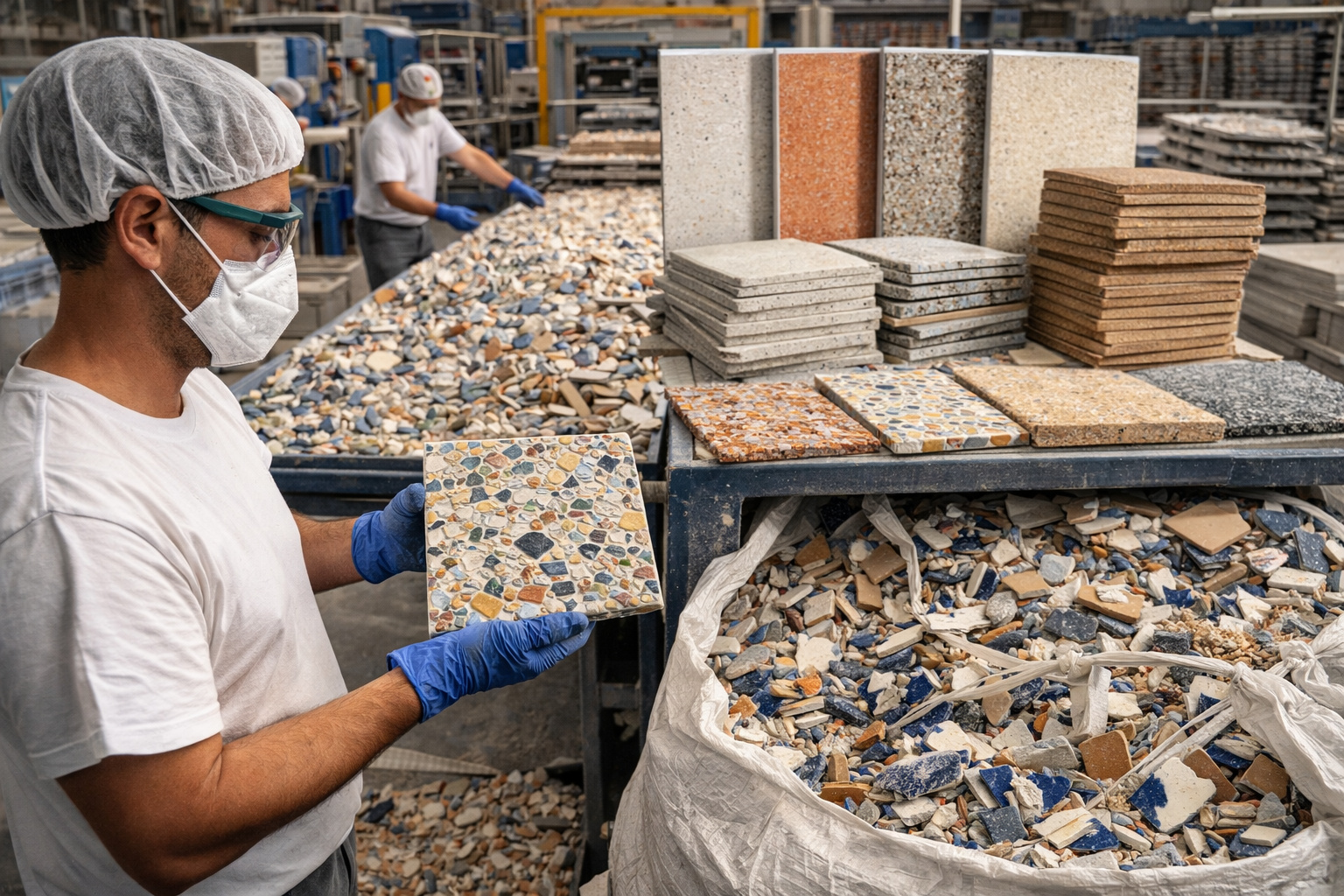
The Portuguese industry reuses broken tiles and waste from its own factory to create new coatings with up to 94% recycled material, produces more than 1,400 tons, and uses only 6% new raw material.
-
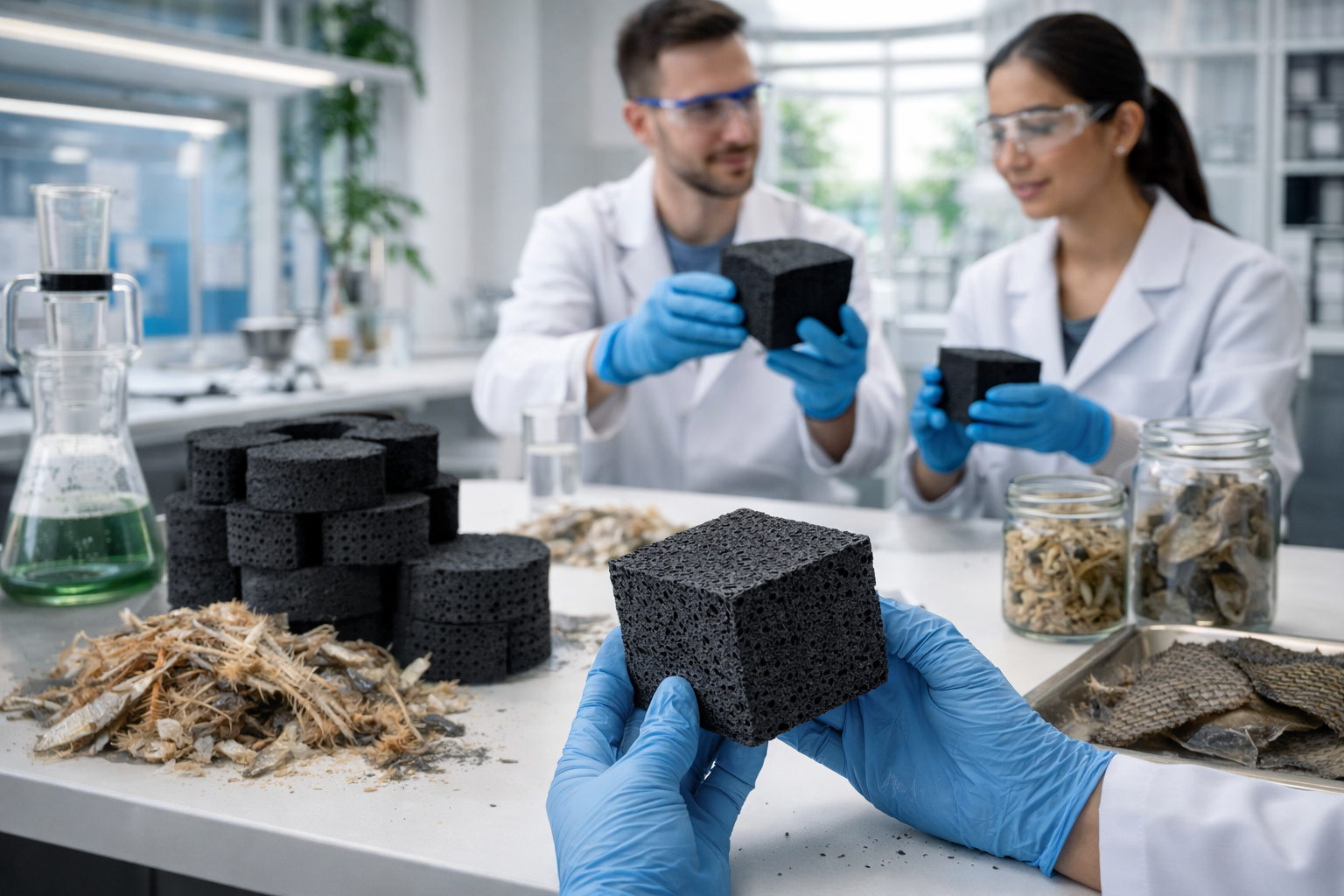
Researchers transform fish waste into ultralight material capable of capturing CO₂, technology reuses fishing waste and can help reduce pollution in the construction industry.
-
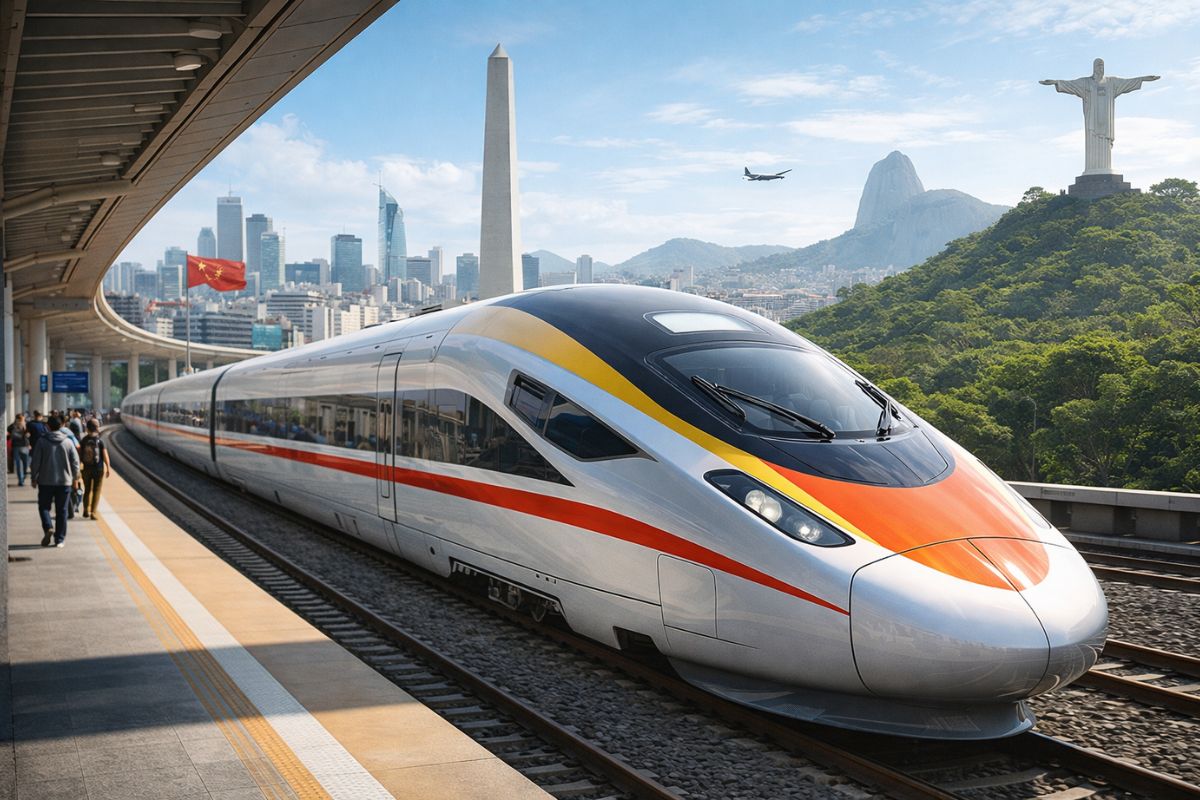
South America will have its fastest train in history: a billion-dollar project with Chinese capital will connect two capitals in two hours and create 20,000 jobs.
-
Naval reform transforms 40-year-old sailboat purchased for $5,000 into a residential yacht: structural repair of hull/keels, Awlgrip painting, engine replacement with Beta Marine, autopilot, sealing of chain plates, and complete interior retrofit for $25,479.

Treated recycled cardboard can support structural loads comparable to conventional materials—a discovery that changed the engineering perception of recyclable materials.
The base is constructed with beer boxes filled with sand, providing stability against flooding and ground movement. On top of them, there is a plywood floor. The roof uses waterproof tent-like fabric, with adhesive tape and sponges for sealing against moisture.
All components of the paper houses are reusable or recyclable: when disassembled, they do not generate waste and can be fully recycled or reassembled in another location. It is a concrete example of what architects call circular economy applied to construction.
How eight people assemble paper houses in less than six hours

The speed of construction is one of the most impressive characteristics. Without machines or specialized labor, eight people from the community can assemble a complete paper house in less than six hours or in two days if they need to prepare all the material from scratch.
The process is intentionally simple so that any community can replicate it without relying on external technicians.
The assembly follows four steps: positioning the base with beer boxes and sandbags, installing the plywood floor, raising the walls with the cardboard tubes and steel bars, and placing the waterproof cover with a ventilation system.
The paper houses restore dignity to disaster victims quickly—instead of weeks or months in makeshift tents, people have a solid, ventilated, and hygienic shelter on the same day. It is a difference that seems small on paper, but is transformative for those who have lost everything.
Why US$ 2 thousand paper houses compete with solutions that cost millions
The cost of US$ 2 thousand per unit places paper houses in a category where practically no other housing solution can compete.
For governments and NGOs that need to house hundreds or thousands of families after a disaster, the difference between US$ 2 thousand and US$ 20 thousand per unit means the difference between accommodating everyone or leaving most homeless. The money saved can be directed towards food, health, and permanent reconstruction.
From an environmental perspective, paper houses represent the opposite of traditional emergency constructions, which often use non-recyclable materials and generate tons of waste when dismantled.
The carbon footprint is minimal, waste is zero, and the ability to adapt the design to local materials such as bamboo in India or reed mats in Rwanda makes paper houses replicable in virtually any cultural and geographical context. Ban has proven that sustainability and speed are not opposites; they are complementary.
Where paper houses have been built around the world
Since Kobe in 1995, paper houses have been taken to crisis contexts in at least six countries. In India, in 2001, after the Gujarat earthquake, Ban adapted the design using local materials. In Rwanda, paper houses sheltered survivors of the genocide.
In Turkey, Kosovo, and during the Maui fires in 2023, the model has been adjusted to the climatic and cultural conditions of each region without losing its fundamental characteristics: low cost, speed, and total recyclability.
In each case, local communities participated in the construction—an aspect that Ban considers as important as the design itself.
Paper houses are not just shelters; they are tools for community reconstruction that involve victims in the recovery process, rather than treating them as passive recipients of aid. When eight people from a community assemble a house together in six hours, the result goes beyond four walls and a roof: it is the regaining of control over their own lives.
Do you think paper houses should be adopted as an emergency solution in Brazil? With so many recent natural disasters, does it make sense to invest in this model? Share your thoughts in the comments.








Seja o primeiro a reagir!